
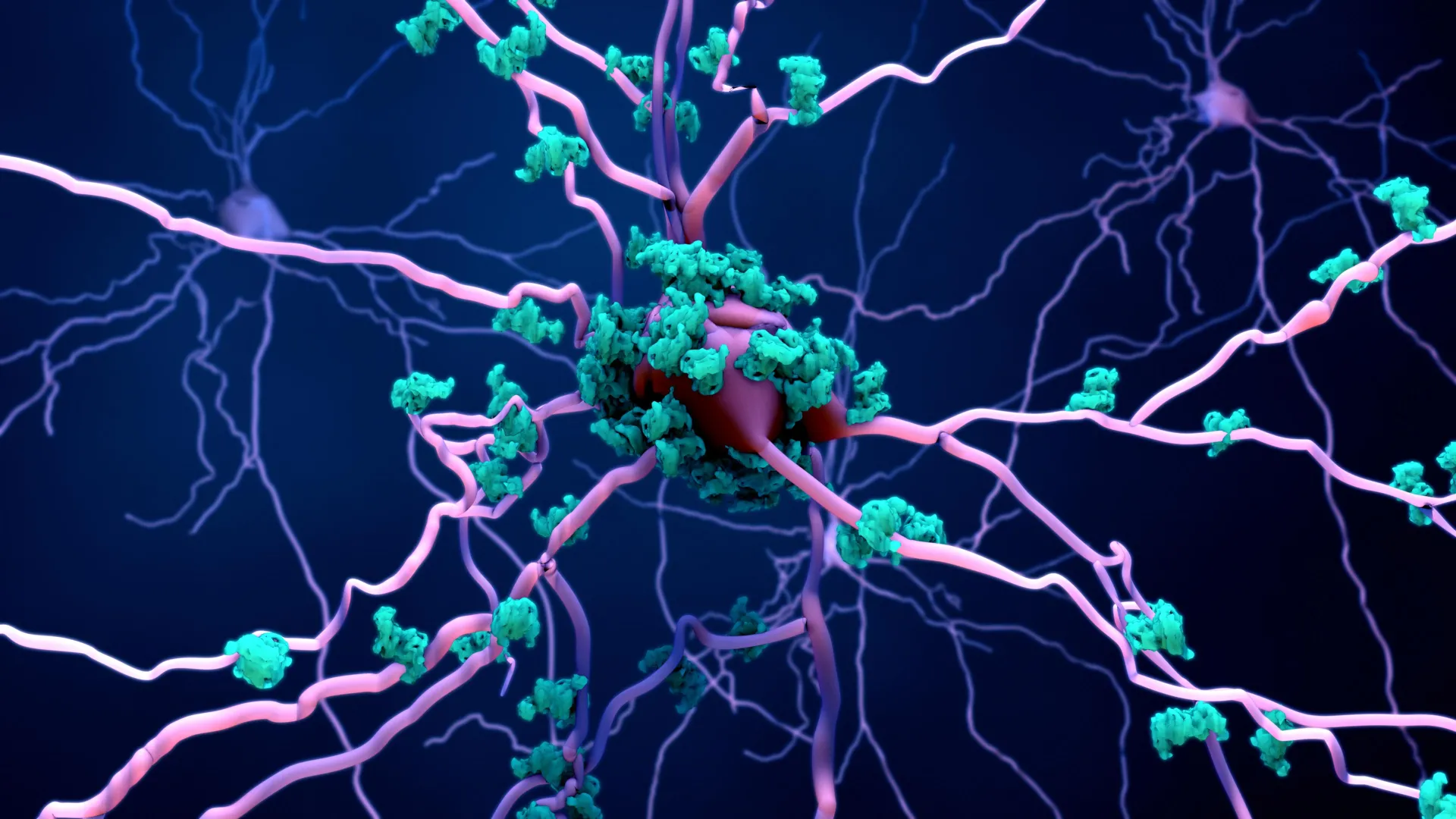
A groundbreaking investigation has illuminated a previously unrecognized cellular process, potentially explaining the demise of neurons implicated in conditions like Alzheimer’s disease and frontotemporal dementia (FTD). This discovery, focusing on a phenomenon termed karyoptosis, offers a promising new avenue for therapeutic interventions aimed at decelerating the advancement of these debilitating neurological disorders.
For many years, the scientific community has observed a common thread in neurodegenerative ailments such as amyotrophic lateral sclerosis (ALS), Alzheimer’s, and FTD: the accumulation of aberrant proteins within brain cells. This protein buildup ultimately leads to neuronal death, contributing to the cognitive impairments and functional losses characteristic of these diseases. While various forms of programmed cell death, like apoptosis, have been documented, they have not fully accounted for the profound and widespread loss of nerve cells observed in these conditions.
Researchers affiliated with King’s College London, in collaboration with the UK Dementia Research Institute and with substantial backing from Alzheimer’s Research UK, have put forth karyoptosis as a critical, yet previously overlooked, factor linking the presence of toxic proteins to neuronal disintegration.
Karyoptosis describes a sequence of biochemical events initiated by the aggregation of harmful proteins within a cell. As this cascade unfolds, the cell’s nucleus, the repository of its genetic blueprint, undergoes a progressive shrinkage before ultimately fragmenting.
The research team’s findings, detailed in the esteemed journal Nature Communications, are the result of an extensive analysis encompassing approximately 3,000 brain cells sourced from 28 individuals diagnosed with either FTD or end-stage Alzheimer’s disease. Employing sophisticated computational algorithms, the scientists were able to differentiate and categorize various modes of cell death present within the analyzed neural tissue.
Their meticulous examination revealed compelling evidence of karyoptosis in a significant proportion of cells within the frontal cortex of individuals affected by Alzheimer’s disease. Specifically, signs of karyoptosis were detected in 35 percent of these cells, a stark contrast to the mere 15 percent observed in analogous cells from healthy elderly individuals. This quantitative difference underscores the potential role of karyoptosis in the pathology of Alzheimer’s.
This study represents the culmination of a decade-long research endeavor at King’s College London, commencing with the initial identification of karyoptosis in a less common disease and culminating in the revelation of its prevalence in widespread dementias affecting millions globally.
Furthermore, the investigators identified a pivotal molecular pathway that appears to govern the execution of karyoptosis. They demonstrated that inducing the aggregation of proteins within neurons, a characteristic feature of numerous neurodegenerative diseases, can initiate this destructive cellular process.
The study’s findings indicate that the accumulation of toxic proteins leads to a destabilization of the nuclear envelope, the protective barrier surrounding the cell’s nucleus. This destabilization triggers a cascade of events, including nuclear shrinkage and eventual disintegration.
The research team then focused their attention on a class of proteins known as kinases, which function as critical molecular switches within cellular signaling pathways. In controlled laboratory experiments utilizing rat neurons, inhibiting these specific kinase switches significantly reduced the cellular markers associated with karyoptosis. Notably, the interplay between a particular kinase, p38 MAP kinase, and the protein LaminB1 emerged as a particularly promising target for interventions designed to impede or halt nuclear breakdown.
The researchers posit that this newly elucidated pathway could pave the way for the development of novel therapeutic strategies capable of mitigating neuronal loss in dementia patients. Their immediate objective is to devise methods for selectively targeting the interaction between p38 MAP kinase and LaminB1 in human subjects.
"By specifically targeting the interaction between p38 MAP kinase and LaminB1, we may be able to slow down the process of cell death, thereby creating a crucial window for more precisely aimed therapies against specific neurodegenerative diseases," stated Dr. Manolis Fanto, Reader in Functional Genomics at the Institute of Psychiatry, Psychology and Neuroscience at King’s College London.
The profound loss of brain cells is a primary driver of many debilitating symptoms experienced by individuals living with dementia. This research unveils a novel series of chemical events that orchestrate cell death within brain cells. The study has effectively laid the groundwork, providing a roadmap for understanding how karyoptosis operates, and the researchers anticipate that this will spur further significant breakthroughs within the dementia research community and beyond.
For decades, the scientific community has recognized the presence of toxic protein aggregates in Alzheimer’s disease and frontotemporal dementia, but the precise mechanisms by which these aggregates lead to neuronal death have remained elusive. The identification of karyoptosis marks a critical advancement in the quest for therapeutic targets capable of halting or retarding cell loss. This discovery holds the potential to broaden the timeframe for effective interventions that address the underlying causes of these diseases, bringing us closer to a cure for dementia. This underscores the vital importance of continued funding and support for research in this field, as championed by organizations like Alzheimer’s Research UK.
The comprehensive findings of this study, titled "Karyoptosis mediates cell death and neurodegeneration upon proteotoxic stress," have been officially published in the renowned scientific journal Nature Communications.
This significant research was primarily funded by Alzheimer’s Research UK and the Biotechnology and Biological Sciences Research Council International Partnership, with additional crucial support provided through a studentship from the UK Medical Research Council and the UK Dementia Research Institute.
About the Author












