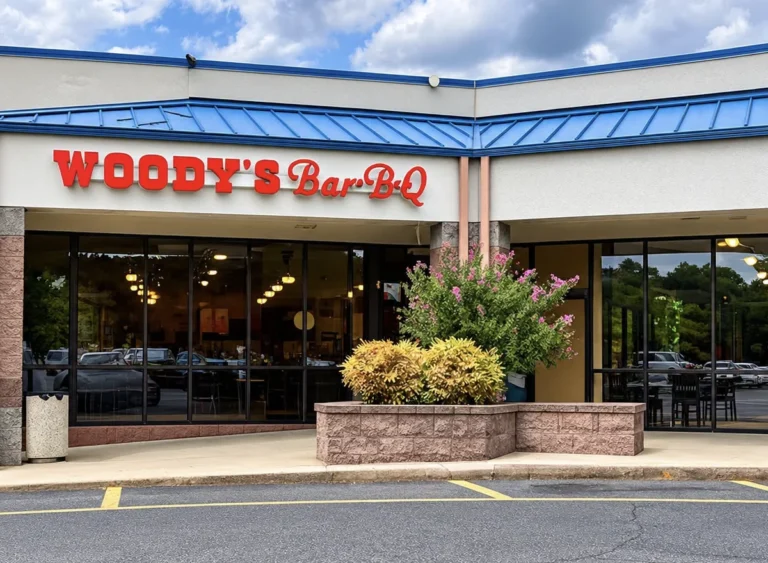
Aldi, the German-owned discount supermarket chain, has carved out a significant niche in the global grocery market, celebrated for its efficient business model, competitive pricing, and a vast array of private-label products. This approach often translates into substantial savings for consumers, making it a preferred destination for budget-conscious shoppers. While the retailer boasts a loyal following and many highly-rated items that rival their national brand counterparts, the sheer volume and diversity of its inventory inevitably mean that not every product resonates universally with its customer base. A robust community of shoppers, particularly active on online forums and social media, frequently shares their experiences, highlighting both the successes and the occasional disappointments encountered within Aldi’s aisles. These collective insights offer a valuable perspective on specific items that, for various reasons, consistently fall short of customer expectations, leading to frequent dissatisfaction or even returns.
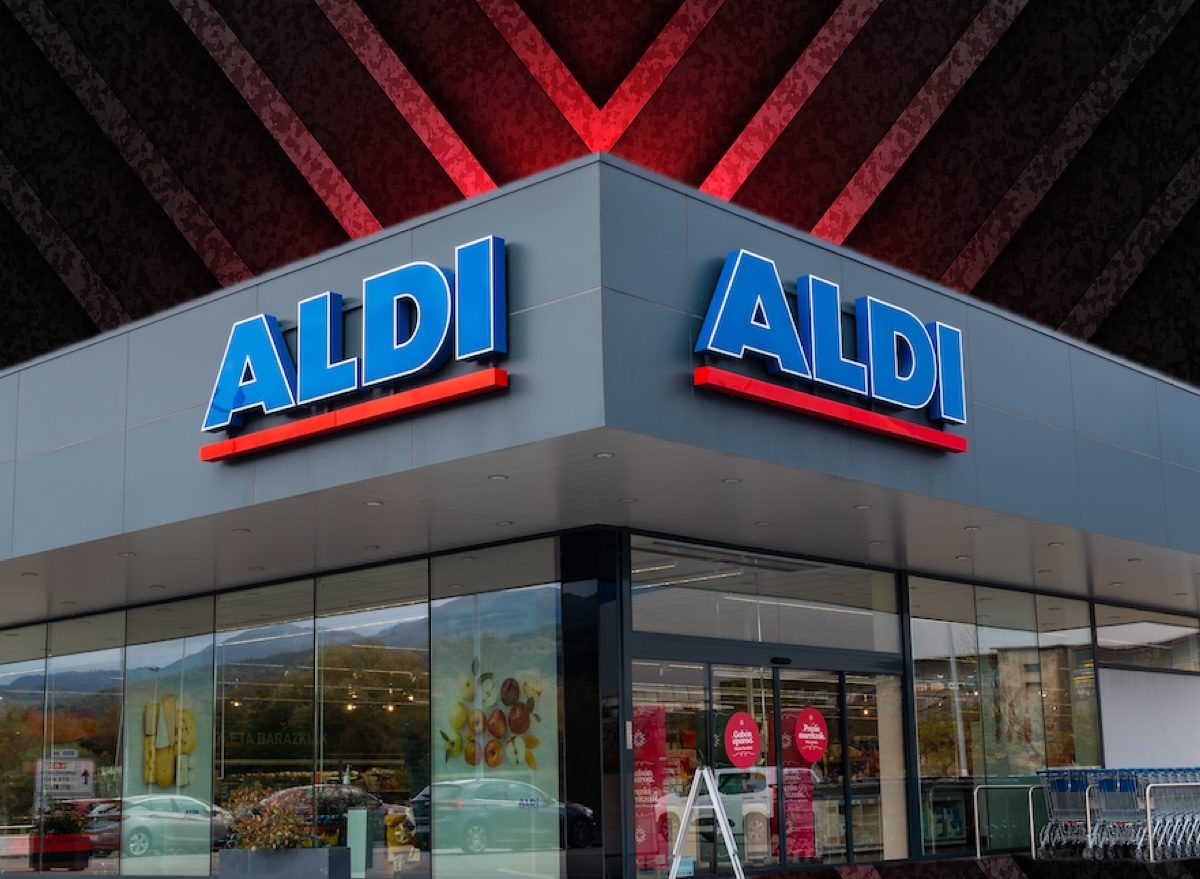
The appeal of Aldi largely stems from its focus on private-label brands, which typically account for over 90% of its offerings. This strategy allows the company to control costs, streamline its supply chain, and pass those savings directly to consumers. However, the development of these proprietary products, often designed to mimic popular national brands, can sometimes result in variations in taste, texture, or overall quality. Consumer expectations, often shaped by years of familiarity with established brands, can be difficult for store brands to consistently meet, leading to a critical eye from discerning buyers. Furthermore, regional differences in product sourcing or manufacturing partners for Aldi’s various private labels might contribute to inconsistencies, meaning an item beloved in one area could be a letdown in another. Understanding these dynamics is crucial when evaluating customer feedback, which frequently pinpoints specific items that, despite Aldi’s general reputation for value, fail to deliver on quality.
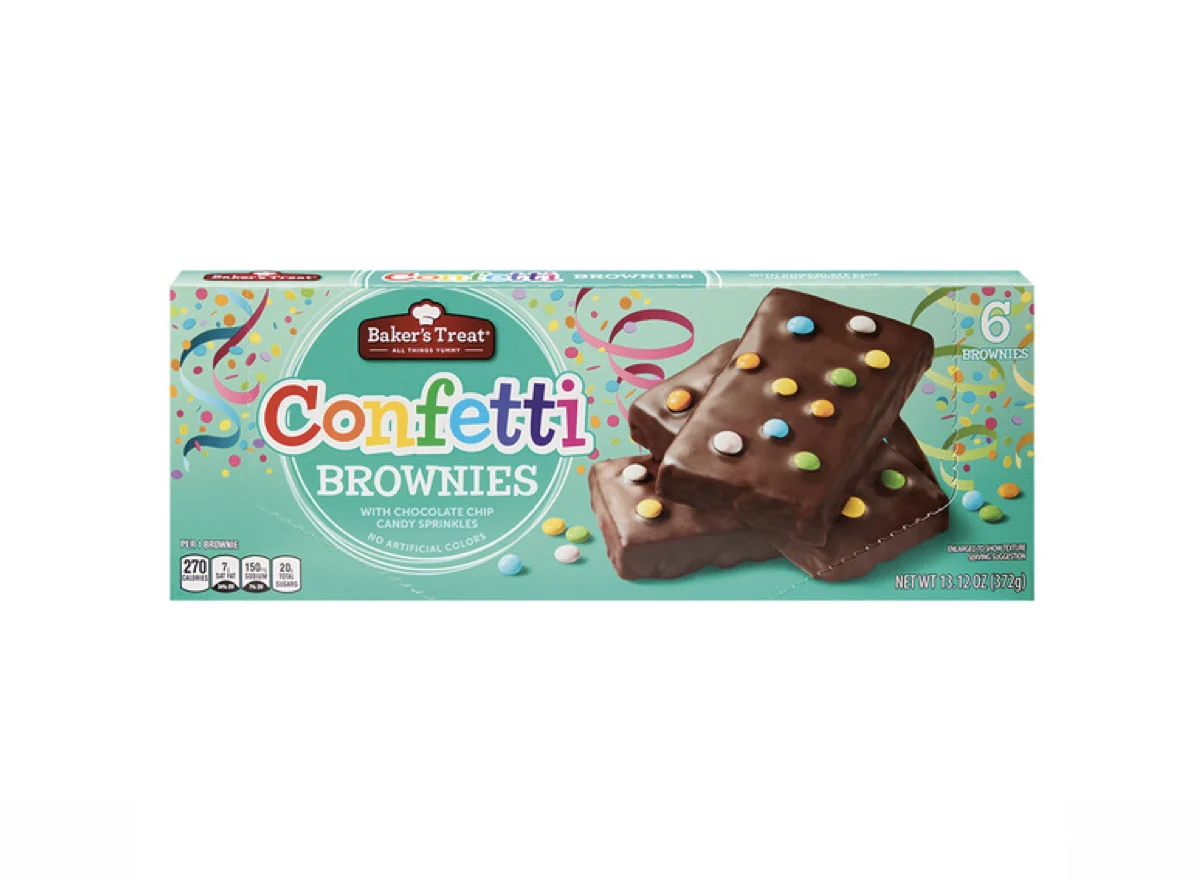
One category where customer feedback frequently surfaces concerns Baker’s Treat Confetti Brownies. These pre-packaged dessert squares, intended as a convenient sweet treat, often draw criticism for their undesirable texture and flavor profile. Shoppers have repeatedly described them as notably dry and crumbly, lacking the moist, rich consistency typically associated with a satisfying brownie. The contrast to well-known branded alternatives, particularly the "cosmic brownie" style they appear to emulate, becomes a focal point of disappointment. Instead of a decadent dessert, consumers report an experience akin to consuming a dense, unappealing snack bar without any perceived nutritional benefits. This consistent feedback suggests a fundamental issue with the product’s formulation, failing to capture the indulgence expected from a baked good. For those seeking a quick and enjoyable dessert, the Baker’s Treat Confetti Brownies frequently lead to a sense of regret, undermining the convenience they promise.
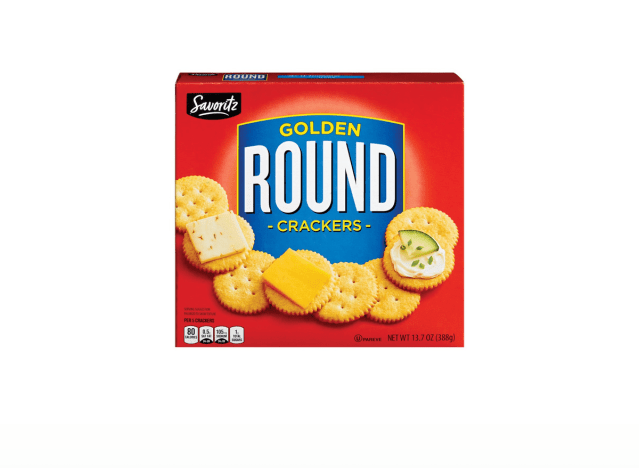
Similarly, the Savoritz Golden Round Crackers have garnered a reputation for not living up to their popular inspiration. Marketed as an affordable alternative to well-loved buttery crackers, these Savoritz offerings are often criticized for their subpar texture and lack of distinct flavor. Consumers report a cracker that is excessively flaky and prone to crumbling, making it impractical for pairing with dips, cheeses, or other toppings. The structural integrity, a key attribute for many cracker varieties, appears to be a significant weakness. Beyond the texture, the taste is frequently described as bland, failing to deliver the rich, buttery notes that make their national brand counterparts so appealing. This discrepancy highlights the challenges of replicating the nuanced qualities of staple products, where minor differences in ingredients or manufacturing processes can significantly impact the end-user experience. For entertaining or everyday snacking, these crackers often prove to be a source of frustration rather than a cost-saving solution.
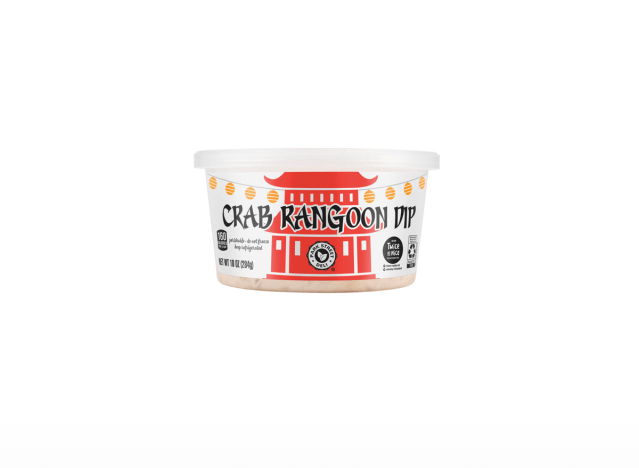
In the realm of prepared foods, the Park Street Deli Crab Rangoon Dip stands out as a product that frequently disappoints. Crab Rangoon, a popular appetizer, typically features a creamy, savory-sweet filling with hints of crab. The dip version, seemingly designed to offer the same flavor profile in a more accessible format, has been met with overwhelmingly negative reactions. Shoppers describe the dip as having an unpleasant and "vile" taste, far removed from the authentic flavors of the traditional dish. Many express having high hopes for this unique offering, only to find their expectations thoroughly dashed upon tasting. The failure to accurately capture the delicate balance of flavors characteristic of crab rangoon makes this dip a prime example of an innovative product that simply misses the mark with its target audience. This specific item illustrates how even creative product concepts can falter if the execution does not align with consumer perceptions of quality and taste.
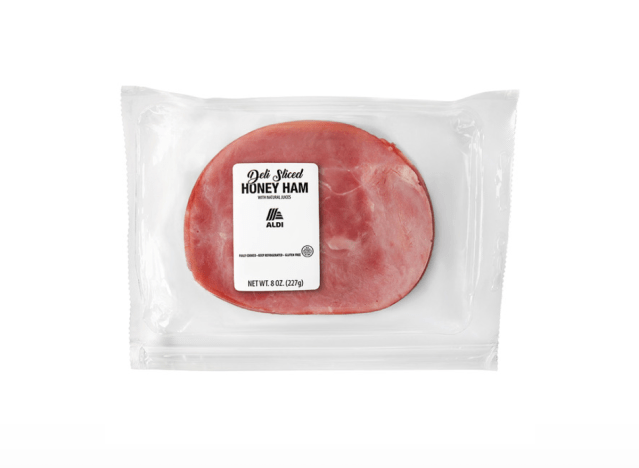
Deli meats, a staple in many households for sandwiches and quick meals, also represent a category where Aldi’s offerings sometimes face significant critique. The primary concern with Aldi’s private-label deli meats revolves around their freshness and longevity after opening. Numerous shoppers report that these meats tend to develop a slimy texture and an "off" smell or taste remarkably quickly, often within just two or three days of being opened, well before their printed expiration date. This rapid deterioration not only leads to wasted food and money but also raises concerns about food safety and quality. Unlike freshly sliced deli meats from a traditional butcher or even some branded pre-packaged options, Aldi’s versions appear to struggle with maintaining their integrity once exposed to air. For consumers who rely on deli meats for multiple meals throughout the week, this short shelf life becomes a major inconvenience, prompting many to seek alternatives from other retailers or specific trusted brands like Krakus ham.
Another product frequently cited for its poor quality is Clancy’s Cheese Dip. Positioned as a budget-friendly alternative to popular processed cheese spreads, this item has been widely panned by consumers. Described by some as an "appalling" imitation, the dip is consistently criticized for its unpleasant taste and texture. Shoppers report that its flavor profile is far from the familiar, comforting taste of beloved processed cheese products. In some instances, the dip has been reported to completely ruin dishes it was intended to enhance, such as homemade crunchwraps. This level of negative impact on a meal underscores the severity of the product’s perceived shortcomings. The Clancy’s Cheese Dip represents a significant misstep in replicating a widely recognized and appreciated convenience food, failing to deliver the expected cheesy goodness and instead leaving consumers with a sense of dissatisfaction.
Fresh produce, a category where quality can be highly variable across any grocery chain, also sees an Aldi item draw particular criticism: spaghetti squash. While Aldi is generally praised for offering competitive prices on fruits and vegetables, the spaghetti squash has frequently been called out for its inconsistent and often poor internal quality. Shoppers have reported purchasing seemingly healthy squash only to discover, upon cutting it open for preparation, that it has already sprouted internally. This hidden spoilage renders the squash unusable, leading to wasted time, effort, and ingredients. The issue is often attributed to potential problems with the product’s transportation or storage conditions, where the hard-shelled squash may not always be maintained at optimal temperatures. Such experiences not only lead to frustration and ruined meal plans but also prompt consumers to question the reliability of Aldi’s fresh produce supply chain for certain items. Despite the store’s "Twice as Nice" guarantee, the inconvenience of returning a spoiled item and the disruption to meal preparation remain significant deterrents.
Finally, a fundamental baking ingredient, Baker’s Corner All Purpose Flour, has surprisingly emerged as a common source of complaint among home bakers. Flour quality is paramount in baking, influencing the texture, rise, and overall success of various recipes. Aldi’s all-purpose flour has been reported to exhibit unusual properties, often requiring bakers to use significantly more than the amount specified in recipes to achieve the desired dough consistency. This inconsistency can lead to "weird" or unexpected results in baked goods, frustrating experienced bakers and beginners alike. The issue suggests a potential variation in protein content or milling characteristics compared to standard all-purpose flours, which can drastically alter how it behaves in recipes. For those who enjoy baking, the unreliability of a core ingredient like flour can undermine their efforts and lead to wasted time and other ingredients. This highlights how even seemingly generic items can become a point of contention when their performance deviates from widely accepted standards.
In conclusion, while Aldi continues to be a formidable player in the grocery sector, celebrated for its value and efficiency, consumer feedback provides valuable insights into areas where product quality might occasionally fall short. The items highlighted—ranging from baked goods and crackers to deli meats, dips, fresh produce, and even baking staples—demonstrate that not all private-label offerings achieve the same level of customer satisfaction. These recurring complaints, often shared within active online communities, serve as a testament to the discerning nature of modern shoppers who, even when seeking value, expect a baseline of quality. Aldi’s "Twice as Nice" guarantee offers a safety net for dissatisfied customers, but the cumulative experience of encountering subpar products can influence shopping habits. Ultimately, an informed approach, coupled with awareness of collective consumer experiences, empowers shoppers to navigate Aldi’s diverse inventory more effectively, ensuring that their pursuit of value doesn’t come at the expense of quality.
About the Author