The culinary landscape has long celebrated the transformative power of extended, gentle heat, particularly evident in the art of slow cooking. This method, often facilitated by appliances like the slow cooker or crockpot, allows for the conversion of more robust, often less expensive, cuts of meat into exceptionally tender and deeply flavorful meals. However, the efficacy of this cooking technique hinges critically on the initial selection of the protein. Not all cuts respond favorably to prolonged simmering; indeed, a discerning choice is paramount to achieving the desired succulent, fall-apart consistency that defines successful braised dishes. Leading experts in butchery and culinary arts emphasize that the secret lies within the intrinsic composition of the meat itself, specifically its fat content and the abundance of connective tissues.
Jorge Thomas, a distinguished chef and the visionary founder of Swaledale Butchers, a renowned establishment known for its commitment to quality, offers invaluable insight into optimizing slow-cooked preparations. Thomas articulates a fundamental principle: "Don’t assume a crockpot makes every cut better. It doesn’t. You want cuts that actually benefit from time." His assertion underscores the nuanced understanding required to harness the full potential of low-temperature cooking. The magic of a slow cooker lies in its ability to gradually break down collagen—a tough protein found in connective tissues—into gelatin, while simultaneously rendering intramuscular fats. This dual action is what imparts moisture, richness, and that signature melt-in-your-mouth texture to the finished product. Leaner cuts, devoid of significant collagen or fat, tend to dry out and become stringy under such prolonged heat, rather than tenderizing.
Historically, braising, the precursor to modern slow cooking, emerged as a resourceful technique to tenderize tougher portions of animals, making them palatable and nutritious. Before the advent of electricity and dedicated slow-cooking devices, this involved simmering meats in liquid over embers or in ovens for many hours. The modern slow cooker simplifies this ancient wisdom, providing a controlled, consistent environment that allows home cooks to achieve professional-grade results with minimal effort. Its popularity stems from its convenience, enabling busy individuals to prepare hearty meals that cook unattended throughout the day. But for all its utility, the appliance is merely a tool; the foundation of an outstanding slow-cooked dish remains the quality and suitability of the meat.
Thomas and other culinary professionals consistently point to a select few cuts that are inherently designed for this process, transforming from firm and fibrous to lusciously tender through the slow alchemy of heat. These recommended selections not only offer superior texture but also develop profound depths of flavor that are unattainable through quicker cooking methods. Understanding the unique characteristics of each preferred cut empowers home cooks to elevate their slow-cooked repertoire from satisfactory to truly exceptional.
Chicken Thighs: The Dark Meat Advantage
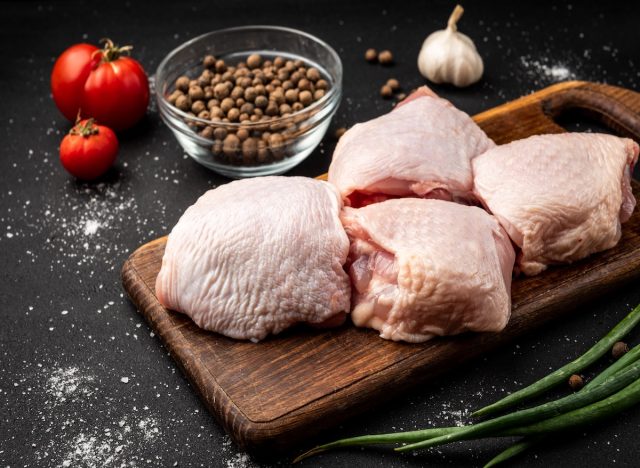
When contemplating poultry for extended simmering, chicken thighs emerge as the unequivocal champion over their leaner counterparts, such as breast meat. The fundamental difference lies in their anatomical structure and fat distribution. Chicken thighs, being dark meat, possess a higher concentration of intramuscular fat and connective tissue compared to the white meat of the breast. This inherent composition is precisely what allows them to withstand hours of cooking without succumbing to dryness.
As Thomas explains, "Chicken thighs are what I’d use for chicken in a slow cooker." The fat within the thighs slowly renders during the cooking process, basting the meat from within and contributing significantly to its moisture and flavor profile. Simultaneously, the connective tissues, rich in collagen, gradually convert into gelatin, yielding a succulent, yielding texture that easily shreds or falls apart. In contrast, chicken breasts, with their low fat and collagen content, would typically become chalky and fibrous if subjected to the same extended cooking times.
Home cooks often face a choice between boneless or bone-in, and skin-on or skinless chicken thighs. Each option offers distinct advantages. Boneless, skinless thighs provide convenience and a leaner final product, making them ideal for quick shredding into tacos, sandwiches, or curries. However, bone-in thighs impart a deeper, more complex flavor to the cooking liquid, thanks to the marrow and other compounds released from the bone during prolonged heating. This bone-derived richness is particularly beneficial for stews, braises, and soups where the liquid forms a crucial component of the dish. Regarding the skin, Thomas advises, "Skin-on only makes sense if you brown it properly first; otherwise the skin just goes soft." Browning the skin in a hot pan before adding it to the slow cooker creates a crispy, flavorful exterior that can hold up better, contributing to the overall texture and taste. Without this initial searing, the skin tends to become unappetizingly rubbery. Chicken thighs are incredibly versatile, forming the basis for countless global dishes, from coq au vin and chicken cacciatore to pulled chicken sandwiches and flavorful curries, all benefiting immensely from the slow cooker’s tenderizing embrace.
Pork Shoulder / Boston Butt: The Pulled Pork Powerhouse
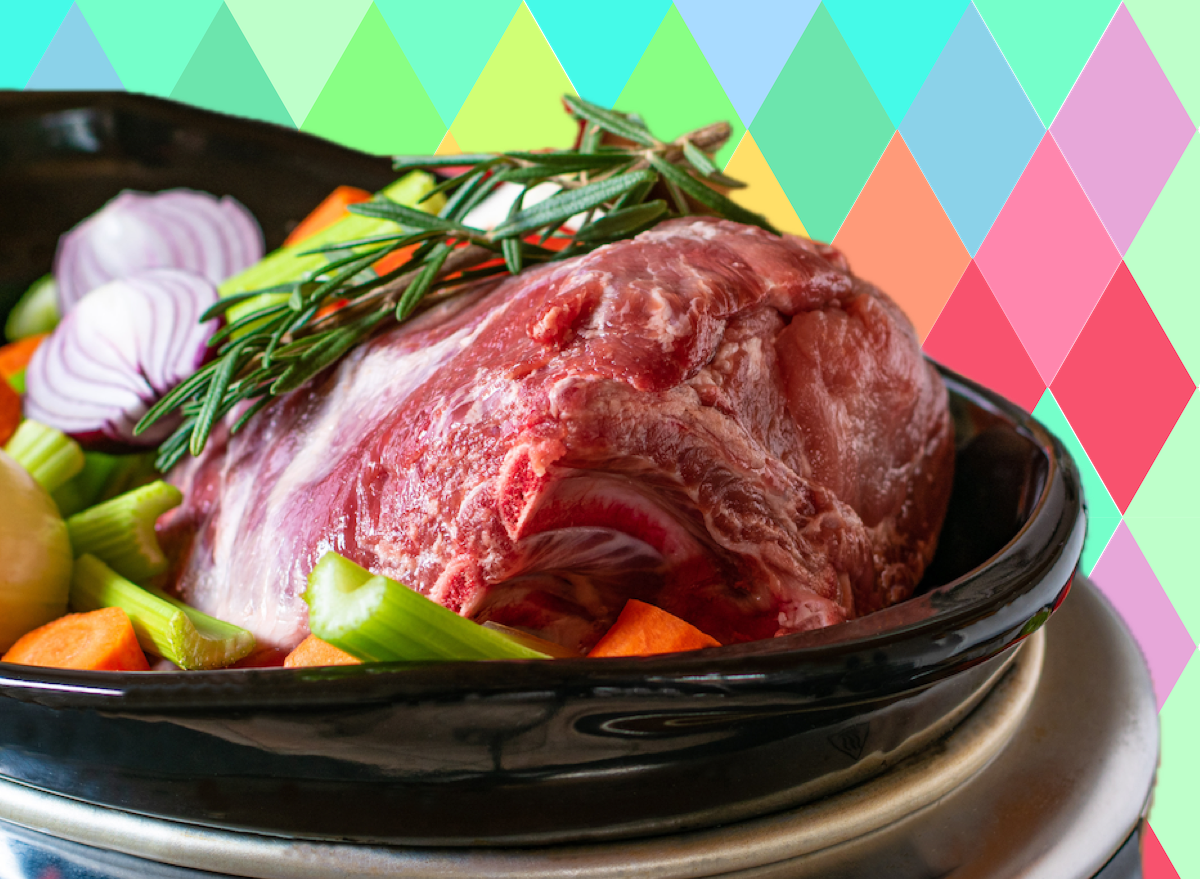
For those seeking the epitome of shreddable, flavorful meat, pork shoulder, often marketed as "Boston butt" in North America, stands as an unparalleled choice for slow cooking. This robust cut, sourced from the upper portion of the pig’s front leg and shoulder, is celebrated for its generous marbling of fat and abundant collagen. These characteristics are not merely incidental; they are the very attributes that make it perfectly suited for the transformative process of slow cooking.
Thomas emphatically states, "Pork shoulder/Boston butt is probably the most useful cut for a slow cooker." The inherent structure of this cut, dense with intramuscular fat and connective tissue, allows it to endure and thrive under extended, gentle heat. As the slow cooker works its magic over many hours, the fat slowly melts, permeating the muscle fibers and contributing a luscious moistness and rich flavor. Concurrently, the tough collagen fibers methodically break down, dissolving into gelatin. This gelatin acts as a natural tenderizer and emulsifier, giving the meat its signature silky texture and body, allowing it to be easily pulled apart with a fork.
The versatility of pork shoulder is truly remarkable, making it a staple in cuisines worldwide. As Thomas notes, "Pulled pork, chili, tacos, beans, it handles most things." From classic American pulled pork sandwiches, often drenched in barbecue sauce, to Mexican carnitas with their crispy edges and tender interiors, or rich stews and hearty chili, the Boston butt delivers consistently outstanding results. Its ability to absorb flavors from marinades, rubs, and cooking liquids makes it an ideal canvas for a wide array of seasonings and culinary styles. Whether destined for a robust pork green chili, a flavorful pork ragu, or simple savory shredded pork for weeknight meals, the pork shoulder’s inherent qualities make it a reliable and rewarding selection for any slow-cooked preparation.
Beef Chuck Roast: The Quintessential Pot Roast
When the craving for a hearty, deeply satisfying beef dish arises, particularly one that promises melting tenderness and rich savory flavors, the beef chuck roast is an undisputed star of the slow cooker. Derived from the shoulder of the steer, this cut is inherently muscular and fibrous, characteristics that might deter a quick cooking method but are precisely what make it ideal for prolonged, low-temperature cooking.
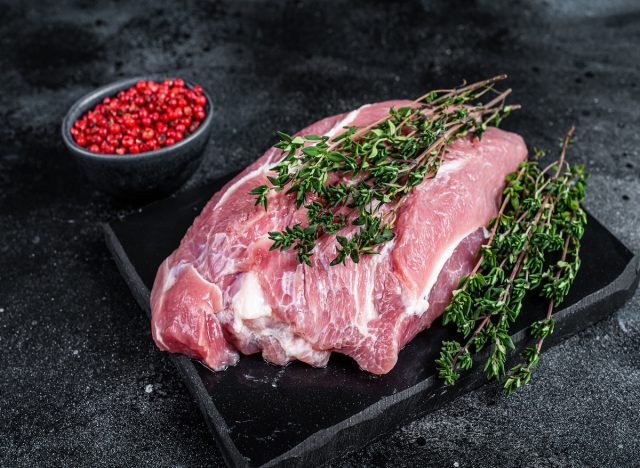
"Beef chuck roast works for the same reason chuck works in stew," Thomas explains. The key to its success lies in its significant content of connective tissue and marbling. These elements, often seen as drawbacks in leaner cuts for grilling or searing, are the very components that undergo a magical transformation within the slow cooker. Over several hours, the tough collagen in the connective tissues slowly dissolves into gelatin, which then coats the muscle fibers, imparting an incredible succulence and a silken texture. Simultaneously, the intramuscular fat renders, basting the meat and enriching its flavor profile. The result is a profoundly tender piece of beef that easily yields to a fork, releasing deep, beefy aromas and tastes.
Beyond the tenderization process, the chuck roast offers a robust flavor that stands up well to strong seasonings and hearty accompaniments. It is the cornerstone of classic comfort foods like pot roast, often simmered with root vegetables such as carrots, potatoes, and onions, creating a complete meal in one pot. It also excels in beef stews, goulash, and barbacoa, where its ability to absorb and meld with complex spices and liquids is highly prized. Thomas suggests, "I’d brown it first if I had time." This initial searing step, though optional, is highly recommended by many chefs. Browning the exterior of the chuck roast in a hot pan prior to slow cooking creates a Maillard reaction, developing a rich, caramelized crust that adds layers of complex, savory flavor and a more appealing aesthetic to the final dish. This extra step enhances the overall depth and character of the braised beef, making an already excellent cut even more remarkable.
Lamb Shoulder: Aromatic and Unctuous Braises
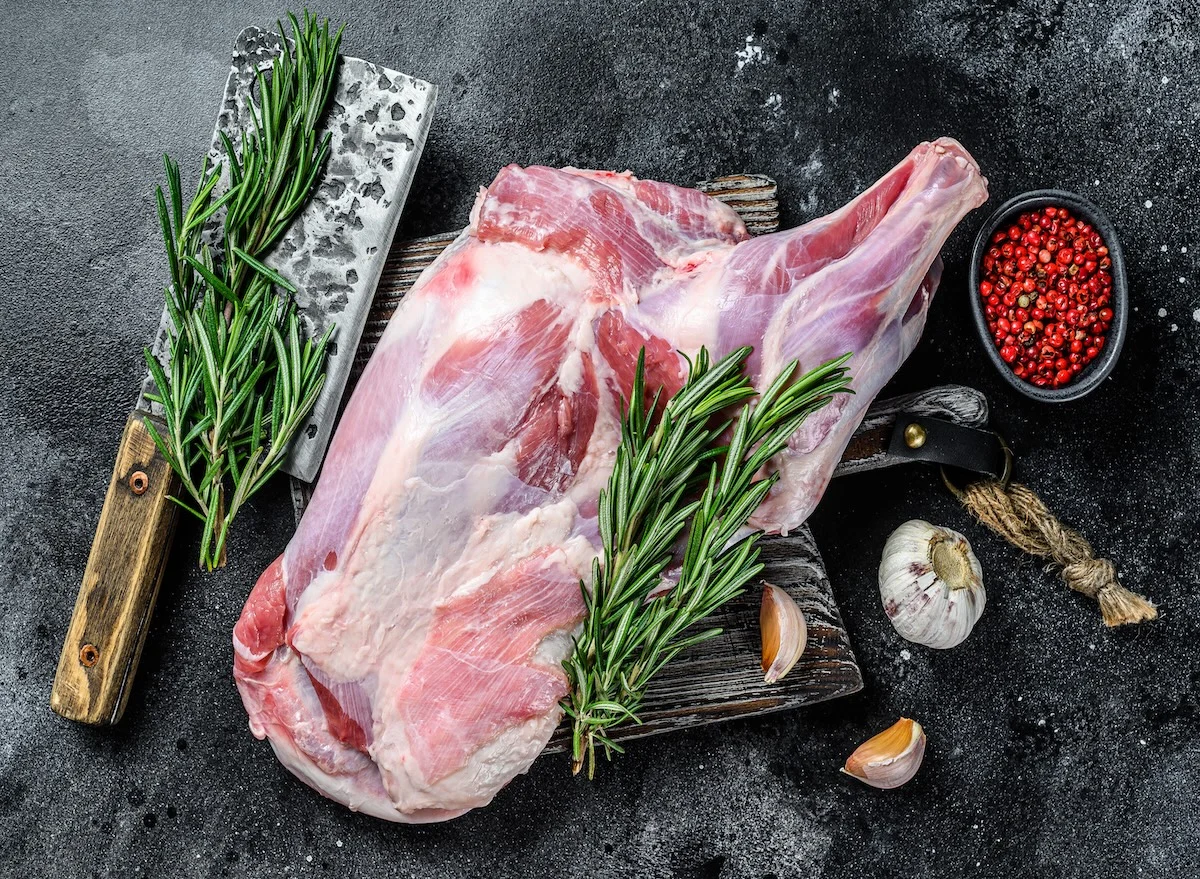
For those who appreciate the distinctive, rich flavor of lamb, the shoulder cut represents another exceptional choice for the slow cooker. Similar to its beef and pork counterparts, lamb shoulder is characterized by its generous fat content and significant network of connective tissues, making it perfectly predisposed to the tenderizing effects of extended, gentle cooking. This cut, often overlooked in favor of more expensive lamb chops or leg, truly shines when subjected to the slow cooker’s patient heat.
"Lamb shoulder works too, especially with spices, herbs, tomatoes or stock," Thomas elaborates. The inherent richness of lamb shoulder means that as it slowly cooks, its fat renders, infusing the meat with moisture and a deeply savory flavor. Simultaneously, the collagen-rich connective tissues break down into gelatin, resulting in an incredibly tender, succulent texture that practically melts in the mouth. This transformation is particularly impactful with lamb, as it allows the meat to absorb and marry beautifully with a diverse array of aromatic ingredients, from earthy spices to vibrant herbs and acidic tomatoes.
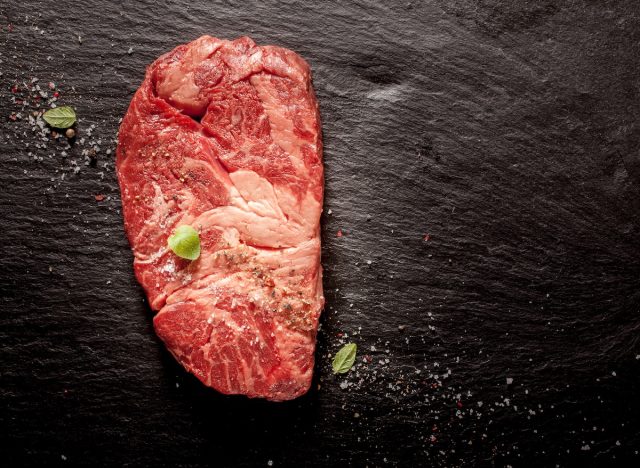
Lamb shoulder’s robust flavor profile makes it an ideal candidate for dishes that demand long cooking times and complex seasoning. It is a star in Mediterranean and Middle Eastern cuisines, forming the base for aromatic tagines, rich curries, and slow-cooked stews often featuring ingredients like dried fruits, chickpeas, and a medley of warm spices such as cumin, coriander, and turmeric. In Greek cuisine, slow-cooked lamb shoulder with oregano, lemon, and garlic is a beloved tradition. The bone-in version of lamb shoulder will, much like bone-in chicken thighs, contribute additional depth and flavor to the cooking liquid, enhancing the overall complexity of the dish. Thomas wisely concludes, "It’s not a quick cut, which is exactly why it suits a slow cooker." This encapsulates the essence of selecting the right meat for slow cooking: embracing cuts that require and benefit from time, rewarding the patient cook with unparalleled tenderness and a symphony of flavors.
In conclusion, the slow cooker, while a convenient kitchen appliance, is merely a facilitator for a time-honored cooking method. Its true potential is unlocked by understanding the intrinsic properties of various meat cuts. By prioritizing selections rich in connective tissue and intramuscular fat—such as chicken thighs, pork shoulder/Boston butt, beef chuck roast, and lamb shoulder—home cooks can consistently achieve the desirable tenderness, moisture, and profound flavor that defines exceptional slow-cooked meals. These expert recommendations from figures like Jorge Thomas serve as a vital guide, ensuring that every slow-cooked endeavor is not just effortless, but culinarily rewarding.
About the Author