The dining landscape has undergone profound transformations over the past decades, with one of the most notable shifts being the gradual decline of the all-you-can-eat buffet concept. Once a ubiquitous fixture of American casual dining, offering patrons an expansive array of dishes for a single price, buffets faced mounting challenges even before the global pandemic. Changing consumer preferences, which increasingly favor customization, perceived freshness, and specific dietary options over sheer volume, began to erode their broad appeal. Furthermore, concerns regarding food waste, operational complexities, and evolving public health perceptions steadily contributed to their diminishing presence. However, amidst this widespread contraction, a particular niche has demonstrated remarkable resilience: the pizza buffet. These establishments, often steeped in nostalgia and offering a distinct value proposition, continue to captivate a dedicated segment of diners. For many, a pizza buffet represents more than just a meal; it embodies a communal experience, a trip down memory lane, and an unparalleled opportunity to sample diverse culinary creations without commitment. This article explores the enduring appeal of this dining format and spotlights five prominent pizza chains that have successfully maintained and even cherished their all-you-can-eat offerings, much to the delight of their loyal clientele.
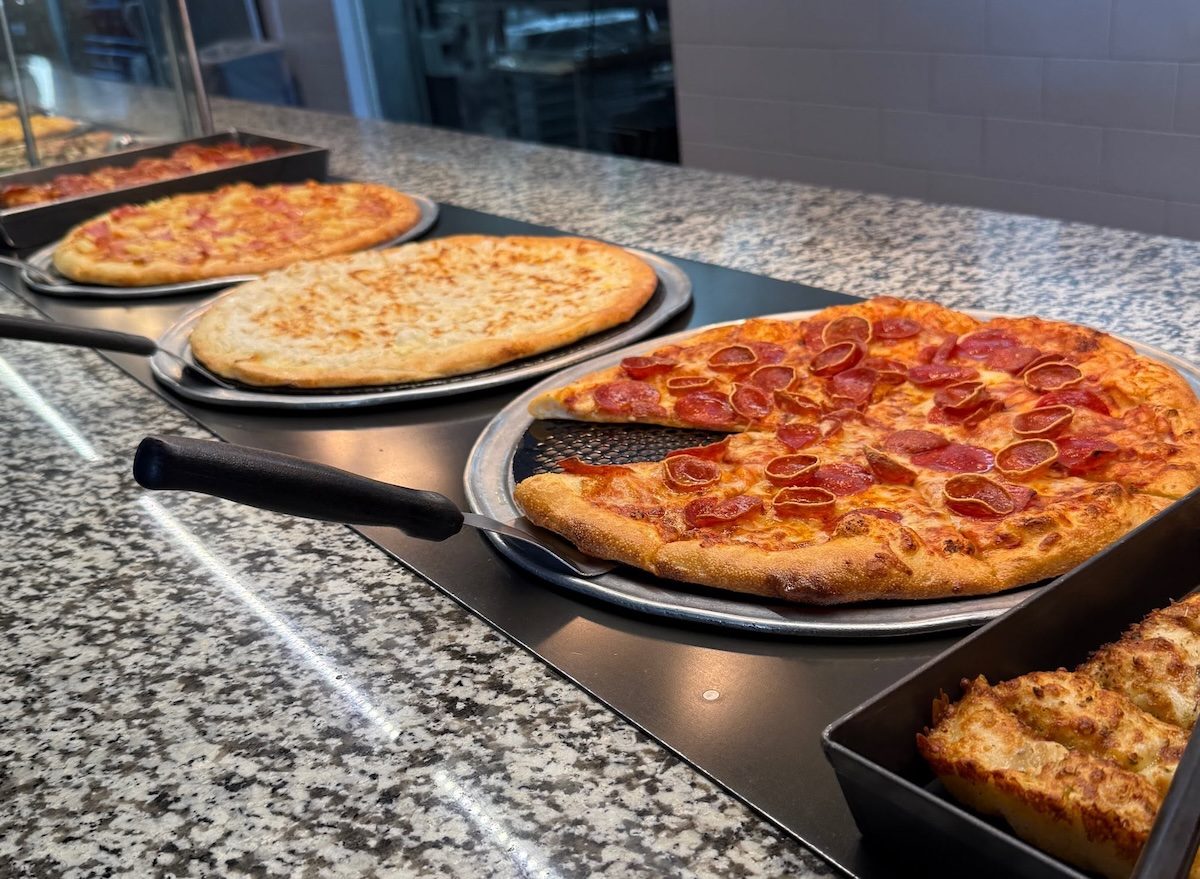
The concept of an all-you-can-eat meal holds a unique place in American dining culture, symbolizing abundance and generosity. Its golden age, spanning from the mid-20th century through the late 1990s, saw buffets thrive across various cuisines, from Chinese to continental, carving out a significant market share by appealing to families and budget-conscious diners. The allure was simple: limitless choices and perceived excellent value. Yet, as societal trends shifted, so did dining habits. The emphasis moved from quantity to quality, from communal serving to individual portions, and from indulgence to mindfulness. Health consciousness gained traction, and the operational model of a buffet, with its large food displays and potential for waste, began to seem less sustainable and less appealing to a broader audience. The arrival of the COVID-19 pandemic delivered a particularly harsh blow, forcing many buffet-style restaurants to rethink their entire service model or close their doors permanently due to heightened hygiene concerns and restrictions on self-service. Despite these formidable headwinds, the pizza buffet, particularly within certain established chains, has managed to navigate these challenges, retaining a fervent following by leveraging a potent combination of variety, affordability, and a strong sense of community and nostalgia.
One of the pioneers in the American pizza franchise scene, Shakey’s Pizza Parlor, holds a storied place in the history of all-you-can-eat dining. Founded in Sacramento, California, in 1954, Shakey’s introduced the nation to a unique blend of pizza, family entertainment, and its signature "hot lunch buffet." This buffet quickly became a cornerstone of its identity, offering not just various pizza styles but also other distinctive items like its famous Mojo Potatoes and fried chicken. For generations of patrons, Shakey’s was more than a restaurant; it was a destination, a place where families gathered, children celebrated, and friends enjoyed a lively atmosphere often complemented by arcade games and silent films. While the chain’s footprint has shrunk significantly from its peak, with its website noting "more than 60" locations remaining, the commitment to the buffet experience endures. Many diners recall its "80s heyday" fondly, highlighting the unique blend of food and fun. Modern-day visitors, as evidenced by online discussions, appreciate that the experience remains largely intact. One parent, for instance, mentioned that their child, while perhaps not solely focused on the pizza, looks forward to the arcade and the availability of specific soft drinks, underscoring that the overall entertainment value is a critical component of Shakey’s enduring appeal, beyond just the food selection itself. The blend of classic pizza, supplementary dishes, and engaging diversions creates a comprehensive family-friendly package that sets Shakey’s apart in a competitive market.
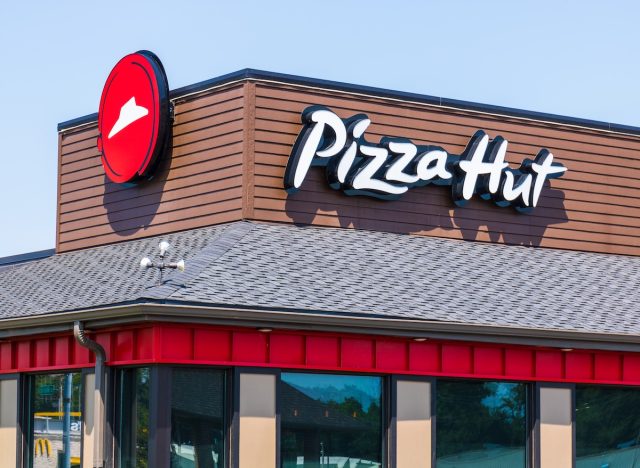
Another venerable institution that continues to offer an all-you-can-eat option, albeit in a more selective capacity, is Pizza Hut. For many, the Pizza Hut buffet evokes powerful childhood memories, a symbol of affordable indulgence and variety during an era when sit-down pizza restaurants were cultural hubs. The chain, famous for its red roof and distinctive pan pizza, once boasted widespread buffet offerings that were central to its family dining experience. As Pizza Hut evolved, shifting its focus more towards delivery and takeout, the prevalence of its dine-in buffets diminished. However, a dedicated effort to preserve this nostalgic experience exists through what are often referred to as "Pizza Hut Classic" locations. These specific establishments consciously maintain the traditional dine-in format, complete with the beloved buffet. According to the company’s official website, these buffets typically feature an array of their iconic pizzas, including the "Original Stuffed Crust," alongside popular sides such as breadsticks and wings. The primary sentiment among contemporary diners regarding the Pizza Hut buffet is a deep appreciation for its existence coupled with a strong desire for it to be more widely available. Online forums are replete with discussions from enthusiasts expressing how much they cherish the opportunity to relive those classic buffet days, lamenting the scarcity of locations that still provide this particular service. This highlights the strong emotional connection many consumers have with the brand’s historical dining experience, illustrating the potent role nostalgia plays in the continued viability of such offerings.
Godfather’s Pizza also maintains a reputation for a famously delicious hot lunch buffet, deeply ingrained in the memories of many American diners. Established in Omaha, Nebraska, in 1973, Godfather’s differentiated itself with its thicker, heartier crust and generous toppings, earning a loyal following. At its peak, the chain boasted an impressive footprint of over 1,000 restaurants, with the buffet being a significant draw. Like many buffet-style restaurants, it faced challenges over time, leading to a reduction in its store count to approximately 445 locations by 2021. Despite this contraction, the buffet remains a cherished feature where available. Patrons frequently reminisce about their experiences, often citing family outings and specific pizza types that became staples of their visits. One online commentator recalled their parents’ fondness for the Hawaiian pizza at Godfather’s during their upbringing, a testament to the personal connections forged over these meals. The chain’s commitment to its buffet, particularly its ability to deliver a satisfying, abundant spread of its distinctive pizzas and accompanying items, underscores its enduring appeal in various regions, often catering to a demographic that values consistency and a hearty meal.
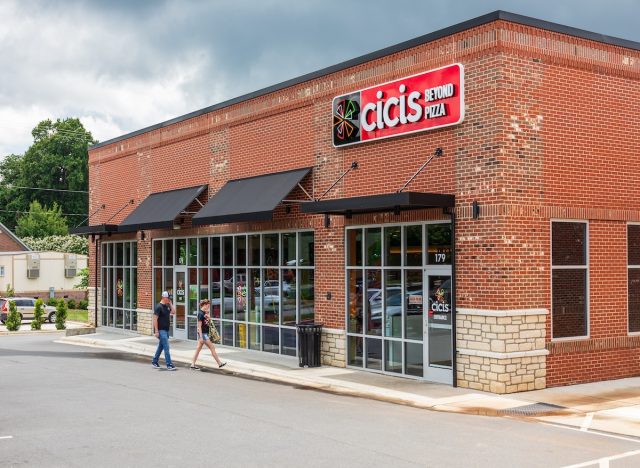
Moving into a category of its own, Cicis Pizza has built its entire business model around the all-you-can-eat concept, making it a quintessential example of a modern pizza buffet chain. Since its inception in 1985 in Plano, Texas, Cicis has distinguished itself by offering an incredibly diverse and budget-friendly buffet that includes not just a wide array of pizzas—from classic pepperoni and cheese to more adventurous options and dessert pizzas—but also pasta dishes, a fresh salad bar, and various sides. This comprehensive and affordable offering has cultivated a remarkably dedicated customer base. Diners frequently express enthusiastic appreciation for the freedom to sample "every kind of pizza you want in one sitting," a core tenet of the Cicis experience. The chain is particularly popular with families and large groups, providing an economical solution for feeding multiple appetites with varying preferences. Its child-friendly atmosphere further solidifies its position as a go-to destination for casual family dining. The sheer volume and variety, combined with its accessible price point, have allowed Cicis to maintain a strong presence in the buffet segment, appealing to those who prioritize choice and value above all else.
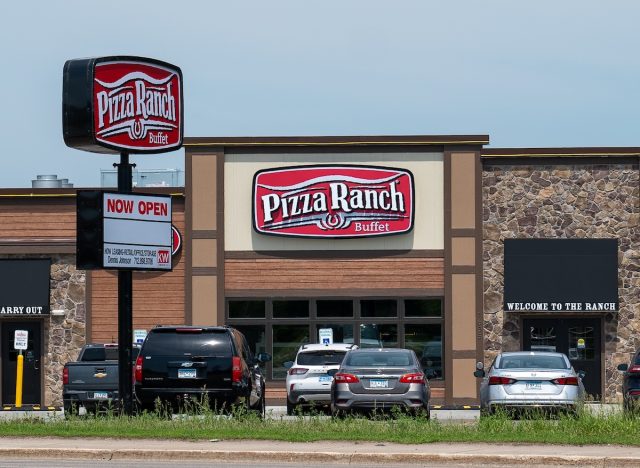
Finally, Pizza Ranch stands out as a beloved Midwest buffet institution that extends far beyond the typical pizza offerings. Founded in Hull, Iowa, in 1981, Pizza Ranch carved a unique niche by combining its extensive pizza buffet with a full hot food bar featuring fresh fried chicken, a rarity among pizza establishments. This dual offering has been a major draw, attracting a broad spectrum of customers who appreciate the robust selection. Beyond its diverse pizza choices and famous fried chicken, the buffet typically includes a comprehensive salad bar, dessert pizzas, mashed potatoes with gravy, corn, and soft-serve ice cream, allowing for a truly expansive dining experience. The ambiance often features a "Wild Western theme," contributing to a distinctive and memorable family-friendly environment. Online testimonials frequently laud the exceptional variety and value. One enthusiastic diner vividly described stacking their plate with pepperoni pizza, garlic pizza, cheesy breadsticks, potato wedges, fried chicken, mashed potatoes, gravy, corn, cookies, and ice cream, topping it off with a root beer float. This detailed account highlights the vast array of choices and the comprehensive nature of the meal, cementing Pizza Ranch’s status as a regional favorite that masterfully blends multiple comfort food categories into a single, satisfying buffet experience.
In conclusion, while the broader buffet landscape has undeniably receded in the face of evolving consumer trends and unprecedented global events, the pizza buffet has demonstrated a remarkable capacity for endurance. The chains highlighted—Shakey’s Pizza Parlor, Pizza Hut, Godfather’s Pizza, Cicis Pizza, and Pizza Ranch—represent more than just purveyors of unlimited slices. They embody a resilient segment of the dining industry that continues to thrive by offering a unique blend of value, variety, and an often-nostalgic experience. For many patrons, these establishments are cherished destinations, providing an accessible and communal dining option that caters to diverse tastes and fosters lasting memories. Their continued success underscores that, despite shifts in the culinary world, there remains a significant demand for the joyful abundance and communal spirit that an all-you-can-eat pizza experience reliably delivers. As these establishments adapt and innovate, they continue to carve out a vital niche, proving that the buffet, in its pizza-centric form, is far from obsolete.
About the Author