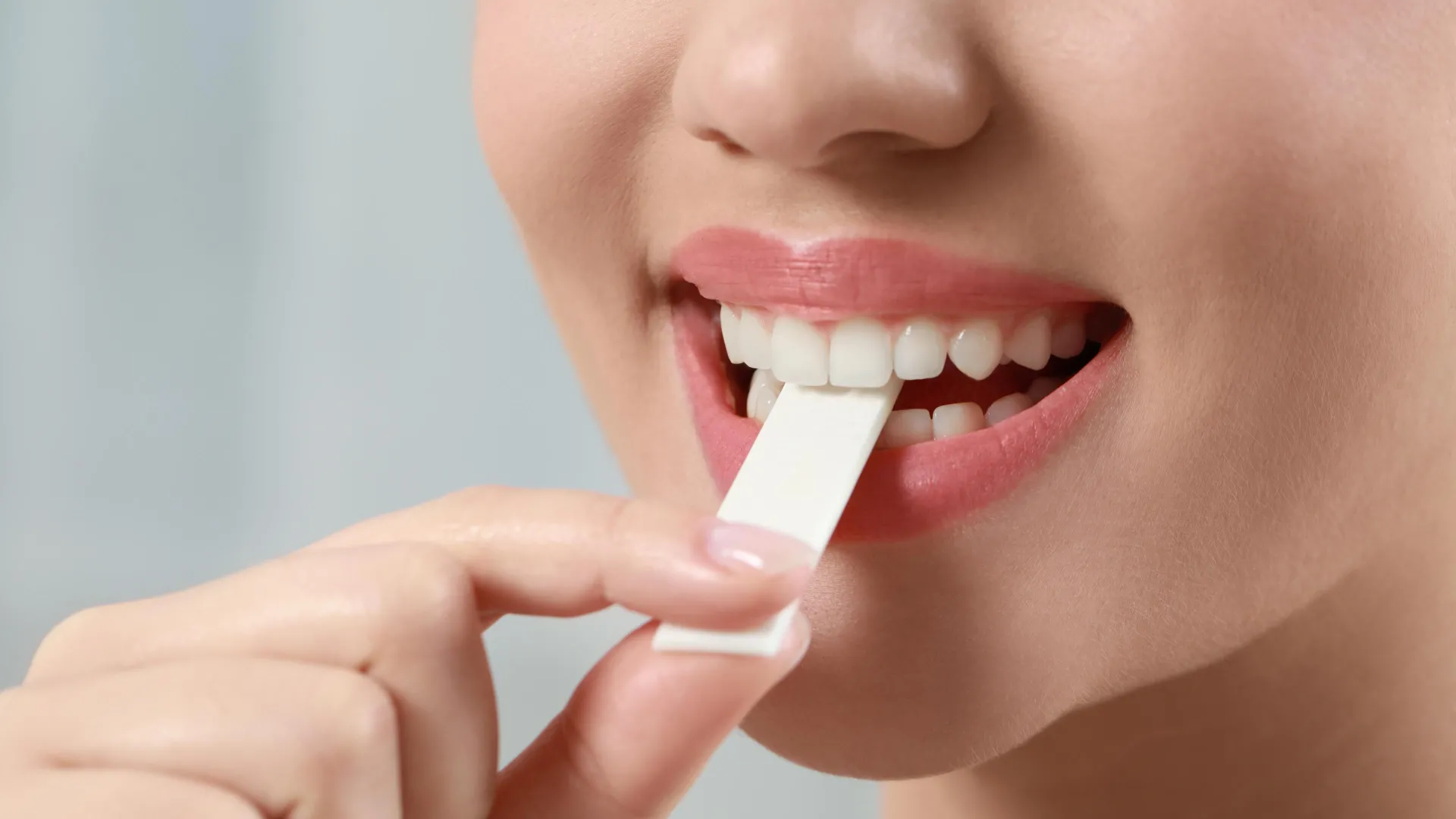
A groundbreaking development in oral medicine has unveiled a bioengineered chewing gum with the potential to significantly alter the landscape of therapies for head and neck squamous cell carcinoma (HNSCC). This innovative approach, recently detailed in Scientific Reports, demonstrates a novel method for targeting specific microbial agents strongly implicated in the pathogenesis and progression of this aggressive form of cancer. Researchers at the University of Pennsylvania, under the leadership of Dr. Henry Daniell, have engineered a plant-derived gum formulation that, in laboratory tests using patient oral samples, exhibited a remarkable ability to diminish the presence of a critical virus and two bacterial species associated with the disease. This represents a pivotal step toward developing more accessible, affordable, and patient-friendly interventions.
Head and neck squamous cell carcinoma represents a substantial global health challenge. Originating in the mucosal linings of the mouth and throat, HNSCC is notorious for its aggressive nature and often presents with poor prognoses, particularly when diagnosed at advanced stages. Current treatment modalities, which typically include surgery, radiation therapy, chemotherapy, and increasingly, immunotherapy, often impose significant burdens on patients, impacting their quality of life with various side effects and frequently failing to achieve substantial, long-term improvements in survival rates. The limitations of existing therapeutic strategies underscore an urgent need for novel approaches that can complement conventional treatments or offer entirely new avenues for prevention and management.
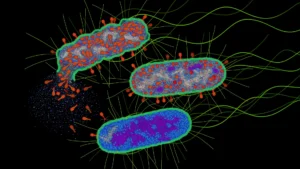
A critical aspect of the current research centers on the specific microbial targets. The study focused on three primary culprits known to contribute to HNSCC: Human Papillomavirus (HPV) and two distinct bacterial species, Porphyromonas gingivalis (Pg) and Fusobacterium nucleatum (Fn). The global rise in oropharyngeal cancers, particularly those affecting younger populations, has been unequivocally linked to HPV infection, making its control a paramount concern in oncology. Beyond viral involvement, bacterial dysbiosis within the oral microbiome also plays a significant role. Infections with P. gingivalis and F. nucleatum have been shown to exacerbate the severity of oral cancer, negatively influencing survival outcomes even after comprehensive surgical intervention and subsequent adjuvant therapies tailored to risk factors. These bacteria are often associated with chronic periodontitis but have increasingly been recognized for their oncogenic potential, contributing to inflammation, promoting cell proliferation, and potentially hindering effective immune responses against cancerous cells.
The genesis of this therapeutic chewing gum lies in earlier research involving a formulation derived from lablab beans, which naturally contain an antiviral protein known as FRIL (Fusion protein Receptor-like Inhibitor Lectin). Building upon this foundation, Dr. Daniell and his team initially utilized oral specimens collected from HNSCC patients to assess the gum’s efficacy against the aforementioned pathogens. The results were compelling: extracts obtained from the bean gum led to a substantial reduction in HPV levels, demonstrating a 93% decrease in saliva samples and an 80% decrease in oral rinse samples. This remarkable antiviral activity suggests a powerful localized intervention capable of significantly suppressing viral load within the oral cavity.
Further enhancing the gum’s therapeutic scope, researchers ingeniously bioengineered the lablab bean gum to incorporate protegrin, a potent antimicrobial peptide. Protegrin belongs to a class of host defense peptides known for their broad-spectrum antibacterial capabilities. The addition of protegrin dramatically bolstered the gum’s efficacy against bacterial pathogens; a single dose was observed to reduce the populations of both P. gingivalis and F. nucleatum to nearly undetectable levels. This dual-action mechanism, targeting both viral and bacterial contributors, offers a comprehensive strategy for managing the complex microbial ecosystem implicated in HNSCC.
One of the most profound advantages of this novel chewing gum lies in its targeted action and its ability to preserve the delicate balance of the oral microbiome. Unlike conventional cancer therapies such as radiation, which can indiscriminately devastate the beneficial bacterial populations residing in the mouth, leading to opportunistic infections like Candida albicans (thrush) and other debilitating side effects, the protegrin-enhanced gum demonstrated a crucial selectivity. It effectively eliminated harmful pathogenic bacteria while leaving the commensal, health-promoting microbes largely intact. Maintaining a healthy oral microbiome is essential for overall oral and systemic health, and the disruption caused by traditional treatments often leads to complications that can severely impact a patient’s quality of life during and after therapy. This selective targeting represents a significant leap forward in supportive cancer care.
The implications of this research are far-reaching, suggesting multiple avenues for its integration into clinical practice. The ability to precisely target dangerous microbes while simultaneously safeguarding the integrity of the healthy oral microbiome positions this chewing gum as a versatile therapeutic tool. Researchers envision its eventual deployment as an adjunctive therapy, working synergistically alongside established cancer treatments to enhance their effectiveness and mitigate side effects. Moreover, its potential extends to prophylactic applications, serving as a preventive measure against initial infection or subsequent transmission of these implicated pathogens, especially in high-risk populations or individuals with compromised immune systems.
The global burden of oral cancers underscores the urgency of such innovations. Data from 2022 highlighted that cancers of the lip and oral cavity ranked as the seventh leading cause of cancer incidence and mortality among adolescents, young adults, and middle-aged adults worldwide. This demographic trend emphasizes the critical need for accessible and effective preventive and therapeutic strategies. Dr. Daniell articulates this pressing need, stating that these compelling findings provide robust support for advancing these therapies into rigorous clinical trials. Such trials would evaluate their utility as either crucial adjuvants to current treatment protocols or as potent prophylactic agents aimed at preventing both infection and subsequent transmission of cancer-associated microbes.
This collaborative research effort involved contributions from various institutions, including Penn Dental Medicine, the University of Kansas Medical Center, the University of California at Los Angeles, and the Veterans Administration Greater Los Angeles Healthcare System. Key contributors included Geetanjali Wakade, Rahul Singh, Smruti Nair, Andrés M. Bur, Sufi M. Thomas, Eri S. Srivatsan, Marilene B. Wang, and Saroj K. Basak. The project received vital financial support from the National Institutes of Health (NIH), the Academic Senate Grant of the David Geffen School of Medicine at UCLA, and the National Cancer Institute Cancer Center Support Grant, underscoring the broad scientific community’s recognition of its potential impact. As this innovative chewing gum moves closer to clinical validation, it offers a beacon of hope for improving outcomes and enhancing the quality of life for individuals affected by head and neck cancers.
About the Author