As individuals navigate the landscape of aging, maintaining robust physical health becomes increasingly vital, particularly concerning muscle strength and functional mobility. For those over fifty, the pursuit of a strong, stable physique often centers on lower-body power, with the gluteal muscles playing a foundational role. While traditional gym equipment offers avenues for muscle development, an emerging consensus among fitness professionals highlights the distinct advantages of standing, free-weight, and bodyweight exercises, especially when targeting the glutes for real-world application and overall wellness. This approach emphasizes movements that directly translate to daily activities, fostering not just aesthetics but also critical components like balance, coordination, and bone density.
The human body’s capacity for movement and stability is profoundly influenced by the strength of its posterior chain, a group of muscles including the glutes, hamstrings, and lower back. Among these, the gluteal complex – comprising the gluteus maximus, medius, and minimus – is paramount. These muscles are responsible for powerful hip extension, abduction, and external rotation, movements essential for walking, running, climbing stairs, and simply standing upright. As individuals progress past their fifth decade, the natural process of sarcopenia, or age-related muscle loss, can accelerate, leading to diminished strength, reduced mobility, and an increased risk of falls. Strengthening the glutes through functional, standing exercises directly counters these age-related declines, promoting a higher quality of life and sustained independence.
Many fitness enthusiasts instinctively gravitate towards gym machines, perceiving them as efficient tools for isolated muscle work. Equipment like leg presses, leg extension machines, and hip abductor/adductor devices are ubiquitous in fitness centers. However, their design often constrains the body to a fixed plane of motion, limiting the engagement of synergistic muscle groups and, crucially, the body’s natural stabilizing mechanisms. Jacob Siwicki, a respected fitness expert and certified coach, articulates this limitation, explaining that while machines can build lower-body strength, they frequently "lock you into one track and take balance out of the exercise." A leg press, for instance, allows for significant weight to be moved but does not demand stabilization from the feet, ankles, hips, or core. Similarly, a seated hip abductor machine targets the gluteus medius but negates the balance challenge inherent in standing movements. This machine-centric approach, while effective for hypertrophy in specific muscles, often overlooks the integrated strength required for everyday functional tasks.
In contrast, standing exercises inherently demand more from the body. They compel the core to engage for spinal stability, activate smaller stabilizer muscles around joints, and consistently challenge proprioception and balance. These are precisely the elements often compromised with age, making their targeted improvement crucial for older adults. Siwicki emphasizes that "standing exercises train the glutes the way you actually use them, getting out of a chair, climbing stairs, walking uphill, and catching your balance." The strength gained from these movements is directly transferable to real-world scenarios, offering tangible benefits that extend beyond the gym floor. Furthermore, the weight-bearing nature of many standing exercises contributes positively to bone mineral density, a critical factor in preventing osteoporosis, a condition more prevalent in the aging population.
For those aiming to enhance gluteal strength and functional fitness post-50, a carefully selected repertoire of standing exercises can yield superior results compared to an exclusive reliance on gym machines. These movements can be performed with just bodyweight, light dumbbells, resistance bands, or even household items, making them accessible regardless of access to a gym.
Here are five highly effective standing exercises that prioritize functional strength and holistic glute activation:
-
Squats: Often hailed as the "king of all exercises," the squat is a fundamental human movement pattern that powerfully engages the gluteus maximus, quadriceps, and hamstrings, while also demanding significant core stabilization. For individuals over 50, the ability to squat effectively translates directly into ease of performing daily activities like sitting down and standing up from a chair, or retrieving items from the floor. To execute a proper squat, begin with feet shoulder-width apart, toes pointing slightly outward. Initiate the movement by pushing the hips back as if sitting into an imaginary chair, keeping the chest lifted and the back straight. Descend until the thighs are parallel to the floor, or as deep as comfort and mobility allow, ensuring the knees track over the toes. Drive through the heels to return to the starting position, squeezing the glutes at the top. Modifications can include using a chair as a target to control depth or holding onto a stable support for balance. Progressions involve adding light dumbbells held at the chest (goblet squat) or holding a resistance band just above the knees to increase glute activation.
-
Reverse Lunges: Unilateral exercises, which work one side of the body at a time, are exceptional for improving balance and identifying muscular imbalances. The reverse lunge is particularly beneficial as it places less strain on the knee compared to a forward lunge while still vigorously targeting the gluteus maximus, quadriceps, and hamstrings. Begin by standing tall with feet hip-width apart. Step one leg directly backward, lowering the back knee towards the floor until both knees form approximately 90-degree angles. Ensure the front knee remains stacked over the ankle and the chest stays upright. Push off the back foot to return to the starting position, engaging the glute of the front leg. Alternate legs for each repetition. This movement mimics walking and climbing stairs, making it highly functional. For added stability, perform the exercise near a wall or a sturdy object. As strength improves, light hand weights can be introduced.
-
Standing Hip Extensions: This exercise specifically isolates and strengthens the gluteus maximus, the largest of the gluteal muscles, which is crucial for hip extension and overall posterior chain power. Stand tall, holding onto a stable support if needed for balance. Keeping one leg straight or with a slight bend, slowly extend it directly backward, squeezing the glute at the top of the movement. Avoid arching the lower back excessively; the movement should primarily come from the hip. Control the leg as it returns to the starting position. This exercise helps improve walking gait and posture. To increase resistance, a resistance band can be looped around the ankles or a cable machine can be used in a gym setting. Focus on a deliberate, controlled squeeze of the glute rather than momentum.
-
Single-Leg Romanian Deadlifts (RDLs): The single-leg RDL is a powerful exercise for developing strength in the hamstrings and glutes, while simultaneously presenting a significant challenge to balance and core stability. It’s an excellent movement for improving proprioception and preventing falls. Stand on one leg with a slight bend in the knee. Keeping the back straight and the core engaged, hinge forward at the hip, extending the free leg straight behind you for counterbalance. Allow the torso to become nearly parallel to the floor, reaching towards the ground with the opposite hand or a light dumbbell. The movement should feel like a stretch in the hamstring of the standing leg. Return to the upright position by driving through the heel of the standing foot and squeezing the glute. The key is to maintain a flat back and control the descent and ascent. Start without weights to master the balance, then progress to holding a light dumbbell in the hand opposite the standing leg.
-
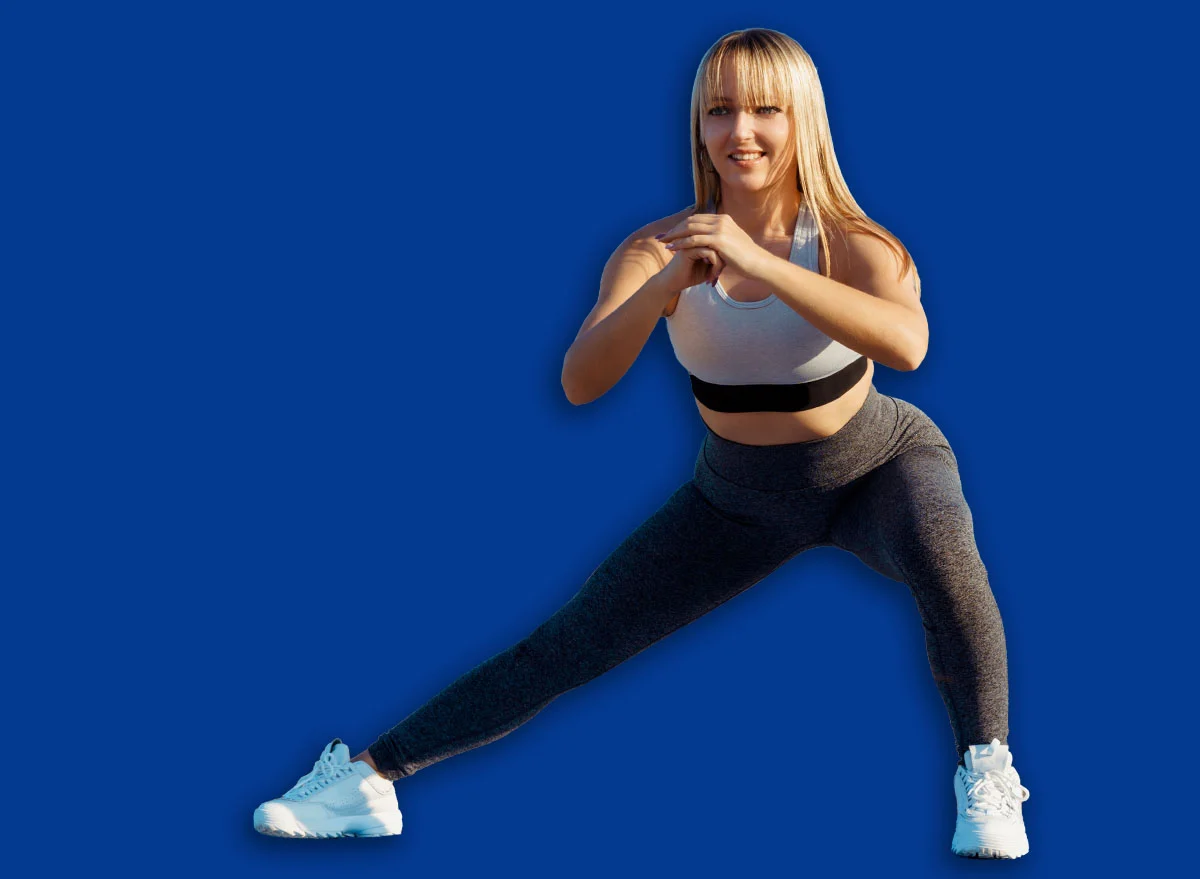
Lateral Step Squats: Often overlooked, the gluteus medius and minimus, located on the sides of the hips, are vital for hip stability, preventing the pelvis from tilting when walking, and contributing to overall balance. The lateral step squat specifically targets these muscles. Begin in a standing position with feet hip-width apart. Take a large step to the side with one leg, keeping the other leg relatively straight. As you step, send your hips back and down into a squat position on the stepping leg, maintaining a straight back and engaged core. Push off the stepping foot to return to the starting position. This exercise helps improve lateral movement capabilities, which are crucial for agility and avoiding obstacles, thereby reducing fall risk. A resistance band placed around the thighs, just above the knees, can significantly increase the activation of the gluteus medius and minimus.
Incorporating these standing glute exercises into a regular fitness regimen can profoundly impact the physical well-being of individuals over fifty. A typical recommendation might involve performing 2-3 sets of 10-15 repetitions for each exercise, 2-3 times per week, allowing for adequate rest and recovery. Consistency is paramount, as is the mindful attention to proper form to maximize benefits and prevent injury. While gym machines can serve as supplementary tools for adding resistance, the foundational work of building functional strength, balance, and bone density is often more effectively achieved through movements that mimic the demands of everyday life.
Beyond the specific exercises, a holistic approach to healthy aging includes adequate protein intake to support muscle synthesis, sufficient hydration, quality sleep, and a balanced diet. Consulting with a healthcare provider or a certified fitness professional before embarking on any new exercise program is always advisable, particularly for those with pre-existing conditions. By prioritizing these functional, standing glute exercises, individuals over 50 can proactively invest in their physical resilience, ensuring continued mobility, independence, and a vibrant quality of life for years to come.
About the Author