
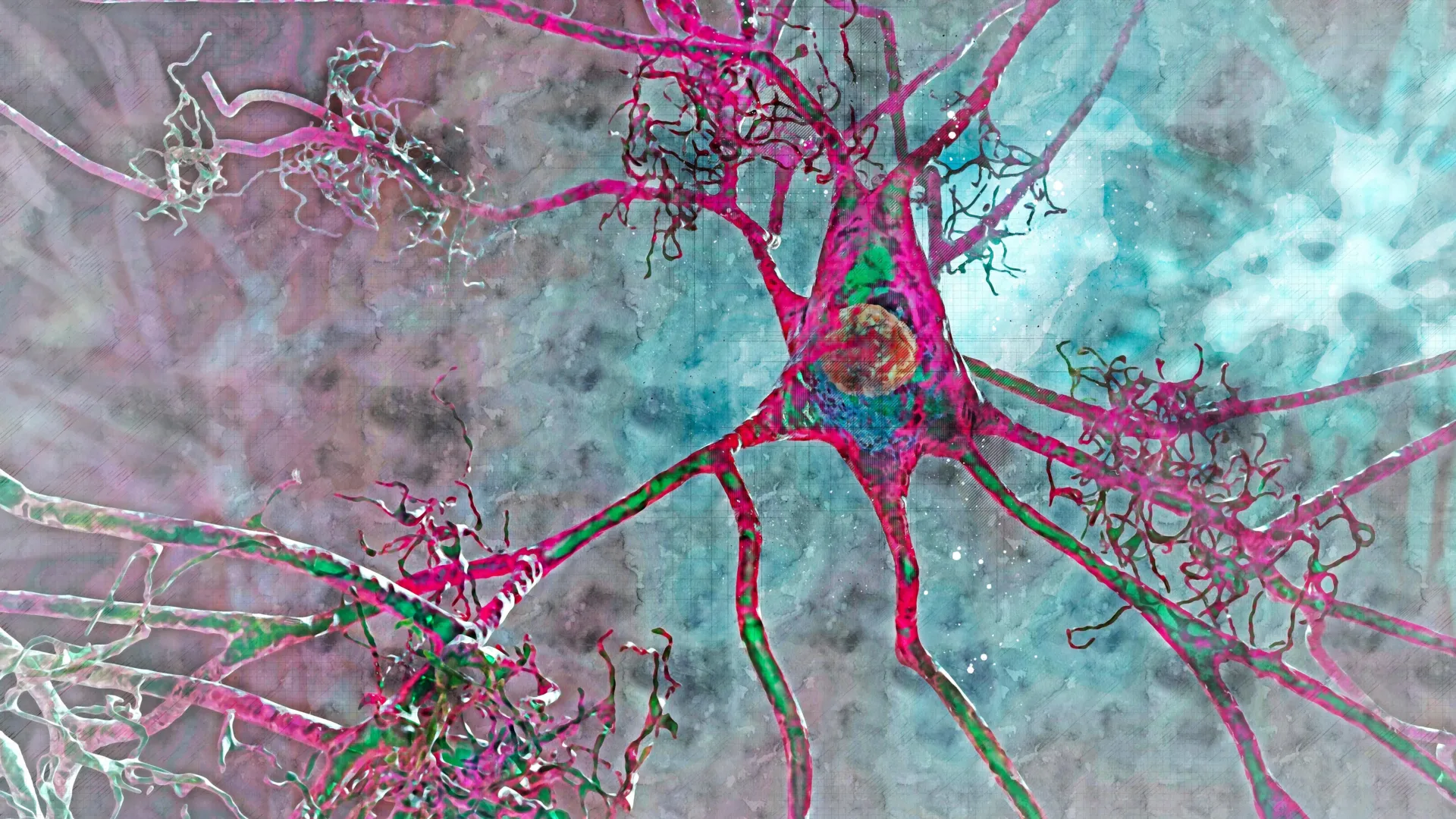
The inexorable march of time stands as the most significant predictor of susceptibility to debilitating brain conditions, yet the precise molecular transformations that usher in these neurological ailments remain largely enigmatic. In a groundbreaking development, a consortium of researchers has illuminated a critical protein signaling cascade that may serve as a vital bridge connecting the natural aging process to the aberrant accumulation of misfolded proteins characteristic of devastating disorders such as Huntington’s disease and amyotrophic lateral sclerosis (ALS). This discovery, stemming from meticulous investigations utilizing a fundamental model organism, offers a profound new perspective on the fundamental biology underpinning age-related neurodegeneration and hints at novel avenues for therapeutic intervention.
At the forefront of this research, Professor Dr. David Vilchez and his team at the CECAD Cluster of Excellence for Aging Research embarked on a systematic quest to decipher the intricate relationship between aging and the pathologies observed in neurodegenerative diseases. Their chosen investigative arena was the genetically tractable nematode worm, Caenorhabditis elegans, a diminutive yet remarkably insightful model organism frequently employed in the study of aging and disease mechanisms. The investigators focused their attention on a specific molecular signaling pathway exhibiting heightened activity as the organism ages, a pathway implicated in fostering the aggregation of detrimental proteins.
The culmination of their diligent efforts has been published in the esteemed journal Nature Aging, under the title, "The aging factor EPS8 induces disease-related protein aggregation through RAC signaling hyperactivation." This comprehensive study centers on a protein designated as EPS8, identified as a key player whose levels and activity conspicuously increase with advancing age. Prior investigations had already established that EPS8 accumulates in aging worms and, in doing so, triggers deleterious stress responses that ultimately curtail their lifespan. The current research, however, delves deeper, elucidating the direct role of EPS8 in propagating the pathological protein buildup.
The findings revealed a compelling correlation: elevated concentrations of EPS8, coupled with amplified signaling activity within the pathways it governs, demonstrably facilitated the formation of pathological protein aggregates and contributed to neuronal degeneration. These twin phenomena – protein aggregation and neurodegeneration – are the hallmarks of a spectrum of age-associated neurological conditions, including the relentless progression of Huntington’s disease and the devastating neuromuscular decline seen in ALS. Crucially, when the research team ingeniously engineered a reduction in EPS8 activity, the propensity for toxic protein aggregates to form was significantly diminished. This targeted intervention not only curbed the aggregation process but also demonstrably aided in the preservation of neuronal function within the worm models engineered to mimic both Huntington’s disease and ALS.
Dr. Seda Koyuncu, the study’s lead author, expressed profound satisfaction with the discovery, stating, "We are delighted to uncover a molecular mechanism that could shed light on to how aging contributes to diseases like ALS and Huntington’s." She elaborated on the long-standing puzzle in the scientific community, noting, "For years, we’ve known that age is the major common risk factor for different neurodegenerative diseases. However, how exactly age-related changes contribute to these diseases remains largely unknown. This study may contribute to filling in a part of that puzzle." This sentiment underscores the significant leap forward this research represents in demystifying a fundamental aspect of age-related disease etiology.
A critical aspect of the study’s significance lies in the evolutionary conservation of the identified molecular machinery. The protein EPS8 and the associated signaling molecules it modulates have been remarkably preserved across diverse species throughout evolutionary history, meaning they are also present and functional within human cells. This conserved nature provided the researchers with a crucial opportunity to ascertain whether the mechanism elucidated in the humble nematode worm held relevance for human disease pathogenesis.
To test this hypothesis, the scientists replicated their interventions in human cell models specifically engineered to recapitulate the cellular dysfunctions observed in Huntington’s disease and ALS. The results mirrored those obtained in C. elegans with striking fidelity. The targeted reduction of EPS8 levels in these human cell cultures effectively prevented the pathological accumulation of toxic protein aggregates, thereby validating the conserved nature of this aging-related pathway and its direct link to neurodegenerative disease pathology in humans. Professor Dr. David Vilchez emphasized the power of this cross-species validation, remarking, "It’s incredibly exciting that the mechanisms we uncovered in C. elegans are also conserved in human cell models," thereby underscoring the profound utility of simpler model organisms in unraveling complex human disease mechanisms.
While the precise molecular choreography by which elevated EPS8 activity orchestrates the aggregation of toxic proteins remains an area for further investigation, the current findings represent a substantial advancement by establishing a direct molecular conduit between the aging process and neurodegeneration. This identification of a tangible link addresses a significant lacuna in the existing body of neurodegenerative disease research, offering a concrete mechanism that bridges the gap between cellular senescence and the onset of neurological decline.
The implications of this research extend beyond fundamental understanding, pointing towards EPS8 and its associated signaling partners as promising targets for the development of novel therapeutic strategies. Interventions designed to modulate or inhibit the activity of this pathway could potentially offer a means to slow, or perhaps even prevent, the inexorable progression of not only Huntington’s disease and ALS but also a broader category of brain disorders intrinsically linked to the aging process. This discovery opens a new frontier in the pursuit of treatments that address the root causes of age-related neurodegenerative conditions, offering a beacon of hope for millions affected by these devastating illnesses. The identification of this conserved, aging-dependent pathway provides a tangible molecular entry point for future drug discovery efforts aimed at combating the debilitating effects of neurodegeneration.
About the Author












