
For a considerable period, Edward Waldner, a 55-year-old individual, experienced a persistent and unexplained weariness that defied typical explanations, regardless of his daily activity levels. This pervasive fatigue prompted him to consider possibilities such as sleep apnea as a potential cause. Concurrently, he began to notice subtle alterations in his gait, including instances where his heels appeared to drag unintentionally.
These escalating symptoms ultimately compelled Mr. Waldner to seek medical attention at an emergency department for a comprehensive evaluation. Upon examination, medical professionals identified a concerning growth within his brain, necessitating immediate consultation with an oncologist. Subsequent diagnostic procedures confirmed the presence of glioblastoma, a particularly virulent and often fatal form of brain cancer. The established therapeutic regimen for this diagnosis typically involves surgical intervention aimed at excising the maximum possible tumor volume, followed by a course of radiation therapy and chemotherapy. Despite the rigorous application of these conventional treatments, glioblastoma is notorious for its propensity to recur.
A groundbreaking investigation is currently underway at the University of Calgary, exploring the potential of administering high doses of vitamin B3, also recognized as niacin, as an adjunct to standard glioblastoma treatment protocols, with the aim of improving patient prognoses. Mr. Waldner was invited to enroll in this prospective clinical trial, a decision he readily embraced. "I have no qualm with assisting anyone," he stated, "and I agreed because I also wish to aid my own recovery." He further elaborated on the psychological benefits of his participation, noting, "Being part of this research provides me with mental fortitude, as it signifies an active effort towards a solution. When I was discharged from the hospital post-surgery, the prognosis was stark: ‘That’s it, that’s all we can do.’"
This pioneering study is spearheaded by a collaborative research duo: Dr. Gloria Roldan Urgoiti, a distinguished medical doctor specializing in brain cancer, and Dr. Wee Yong, a neuroscientist whose expertise lies in the intricate interplay between the immune system and the brain. Both are esteemed members of the Hotchkiss Brain Institute and the Arnie Charbonneau Cancer Institute. Their joint research program was conceived with the specific objective of ascertaining whether niacin can effectively restore the functionality of compromised immune cells, thereby enhancing their capacity to eradicate tumor cells. The initial phase of this project involved extensive laboratory work utilizing murine models. These early preclinical experiments yielded promising results, demonstrating that niacin supplementation led to an extension of survival rates in the experimental subjects. This encouraging outcome paved the way for the subsequent initiation of a Phase I and II clinical trial involving human participants.
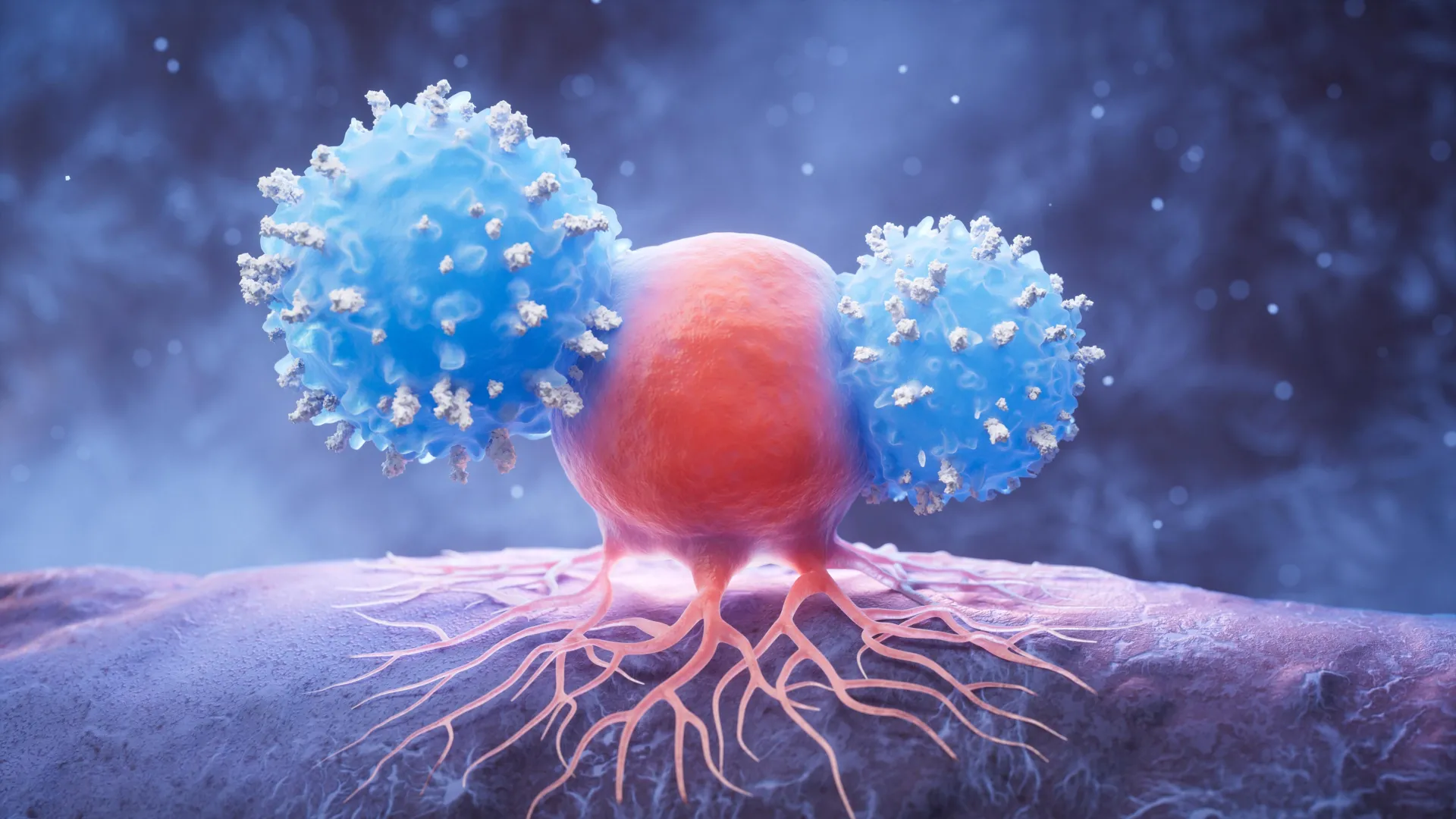
The fundamental premise of this research centers on the concept of "reawakening" the immune system’s dormant potential against cancer. Dr. Yong, a professor at the Cumming School of Medicine (CSM), explained the rationale: "Ordinarily, the immune system endeavors to counteract and impede tumor proliferation; however, this particular brain cancer actively suppresses immune responses." He elaborated, "Niacin therapy serves to rejuvenate immune cells, enabling them to fulfill their intended function of identifying and eliminating cancerous cells. I conceptualize this as a continuous ‘battle for the brain.’"
The design of the clinical trial meticulously focused on identifying the highest tolerated safe dosage of controlled-release niacin, while simultaneously evaluating its potential synergistic benefits when administered in conjunction with conventional chemotherapy and radiotherapy. Prior to commencing the study, researchers established a critical benchmark for success. Specifically, if the progression-free survival rate at the six-month mark did not demonstrate an improvement of at least 20% when compared to historical data from previous studies, the trial would be discontinued.
The preliminary findings derived from the initial cohort of 24 patients have demonstrably surpassed this predetermined threshold. At the six-month follow-up, an impressive 82% of the participants exhibited no discernible signs of disease progression. This figure represents a substantial 28% improvement relative to the outcomes observed in earlier research endeavors. These encouraging early results are particularly significant for a malignancy that currently remains incurable.
Dr. Roldan Urgoiti, a clinical associate professor at the CSM, underscored the severity of glioblastoma, characterizing it as "the most aggressive brain cancer in adults." She noted the sobering reality that "patient survival rates for this condition have remained largely stagnant for two decades." She emphasized the imperative for exploration: "Any intervention that holds potential should be thoroughly investigated, though this necessitates stringent adherence to protocols and diligent safety monitoring."
The comprehensive findings from this study have been formally disseminated through publication in the esteemed Journal of Neuro-Oncology. The research team has consistently stressed the critical importance of professional medical supervision when administering high doses of any vitamin, including niacin, as such interventions can potentially exert toxic effects and lead to adverse health consequences if not meticulously managed by healthcare professionals.
The ongoing study is systematically proceeding, with the research team anticipating the completion of their final analysis upon the enrollment of a total of 48 participants, projected to occur by the close of 2026 or in the early months of 2027.
Reflecting on his personal journey, Mr. Waldner reports feeling remarkably well in the present day. During his routine follow-up imaging scans, he expresses profound gratitude for the consistent feedback from his medical team, which has invariably been the single, reassuring word: "stable."
This vital research initiative has received crucial financial backing from the Canadian Institutes of Health Research and the Alberta Cancer Foundation, underscoring the collaborative and well-supported nature of this important scientific endeavor.
About the Author












