The 1990s, often remembered for its distinct cultural shifts and vibrant pop aesthetics, also left an indelible mark on the consumer food landscape. For many, the decade evokes a powerful sense of nostalgia, a yearning for simpler times often manifested through familiar tastes and textures. While countless fads and trends from that era have long since faded into obscurity, a select few snack products have defied the ephemeral nature of consumer goods, maintaining their prominent positions on supermarket shelves for over three decades. These culinary mainstays serve as edible time capsules, continually appealing to both those who grew up with them and new generations discovering their unique charms. Their sustained popularity offers a fascinating insight into the intricate interplay of product innovation, marketing strategy, evolving dietary preferences, and the enduring power of sentimental connection.
The economic and cultural environment of the 1990s significantly shaped the snack industry. It was a period marked by increasing demand for convenience, driven by busier lifestyles and a growing focus on on-the-go consumption. Manufacturers responded by developing an array of pre-packaged, easy-to-prepare items that promised efficiency without sacrificing flavor, often appealing directly to children and their parents seeking quick meal solutions or treats. Bright, engaging packaging, coupled with memorable advertising campaigns that frequently leveraged popular culture, cemented many of these products in the collective consciousness. The snacks that have endured from this period typically possess a core appeal that transcends fleeting trends, offering either unparalleled convenience, a distinct taste profile, or a playful element that fosters a strong emotional bond with consumers.
Among the most resilient categories are those savory, pizza-inspired frozen delights that transformed quick meals and after-school snacks. Two titans of this segment, Totino’s Pizza Rolls and Bagel Bites, exemplify how convenience and a universally loved flavor can secure a product’s longevity.

Totino’s Pizza Rolls: A Miniature Marvel of Enduring Appeal
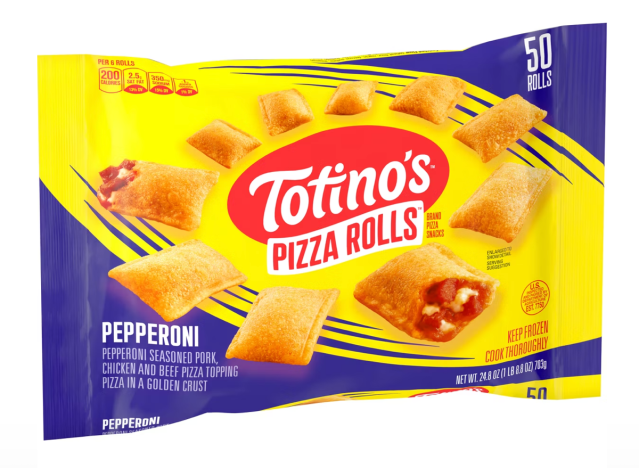
First introduced by Jeno Paulucci in the 1950s as "Jeno’s Pizza Rolls" and later acquired by Pillsbury (now part of General Mills), Totino’s Pizza Rolls found their true stride and cemented their iconic status during the latter half of the 20th century, particularly flourishing in the 1990s. These bite-sized pockets of seasoned meat, cheese, and tomato sauce, encased in a crispy crust, quickly became a freezer-aisle staple. Their genius lies in their simplicity and versatility: easily heated in a microwave, conventional oven, or air fryer, they provide a satisfying, if somewhat messy, burst of flavor. This ease of preparation made them a go-to for parents and children alike, offering a quick solution for hunger pangs or a casual party appetizer.
Beyond their practical attributes, Totino’s Pizza Rolls have transcended mere snack status to become a cultural touchstone. Their prominent feature in popular media, such as the critically acclaimed Netflix series Stranger Things, which deliberately evokes 1980s and 90s nostalgia, underscores their deep integration into American childhood memories. This exposure not only validates their historical presence but also introduces them to new audiences, reinforcing their iconic standing. Consumer testimonials frequently highlight the product’s unchanging, addictive quality. One recent shopper, reflecting on years of consumption, articulated their enduring loyalty, stating that the "crisp and pizza flavor is perfect" and remains a consistent purchase. This sentiment points to a brand identity built on unwavering consistency and a familiar taste that continues to resonate across generations, promising to scald palates in the most delightful way for decades to come.
Bagel Bites: The Mini Pizza on a Bagel Canvas
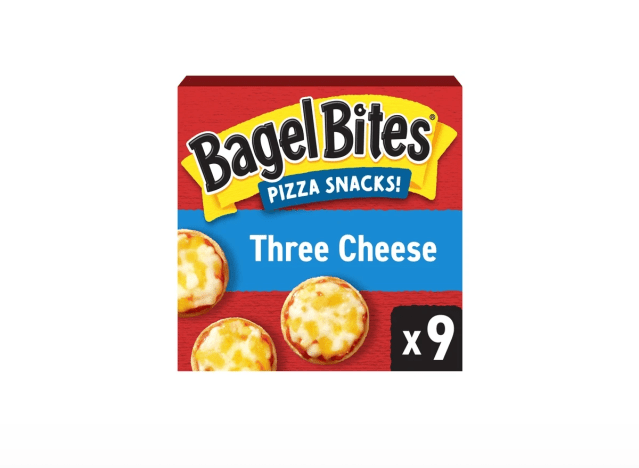
Emerging in the mid-1980s but gaining significant traction and becoming a household name throughout the 1990s, Bagel Bites offered a unique twist on the pizza snack concept. Capitalizing on the growing popularity of bagels, these miniature bagel halves topped with tomato sauce, cheese, and various other ingredients provided an appealing alternative to traditional frozen pizzas or pizza rolls. The distinct chewiness of the bagel combined with the classic pizza toppings created a texture and flavor profile that differentiated them in a crowded market. Like their Totino’s counterparts, Bagel Bites emphasized convenience, positioning themselves as an ideal quick meal or snack for busy individuals and families.
The enduring appeal of Bagel Bites can be attributed to several factors. Their compact size makes them perfectly portioned for individual snacking, while their distinctive bagel base provides a satisfying foundation different from the thin crusts of other frozen pizza products. Modern preparation methods, such as air frying, have further enhanced their appeal, allowing for a quicker and crispier finish that contemporary consumers appreciate. Shopper feedback often cites the strong nostalgic pull of the product, with many recalling their childhood experiences. Reviewers frequently praise the texture and flavor combination, noting how effectively the sauce and cheese meld, even while acknowledging their smaller size contributes to faster cooking times – a trade-off readily accepted for instant gratification. This blend of nostalgic sentiment, convenient preparation, and a unique textural experience has allowed Bagel Bites to maintain their relevance in the competitive frozen food sector.
Shifting from savory to sweet, the 1990s also delivered a range of confectionery delights that have successfully navigated the passage of time, continuing to satisfy cravings for sugary indulgence.
Little Debbie Cosmic Brownies: A Universe of Chocolatey Delight
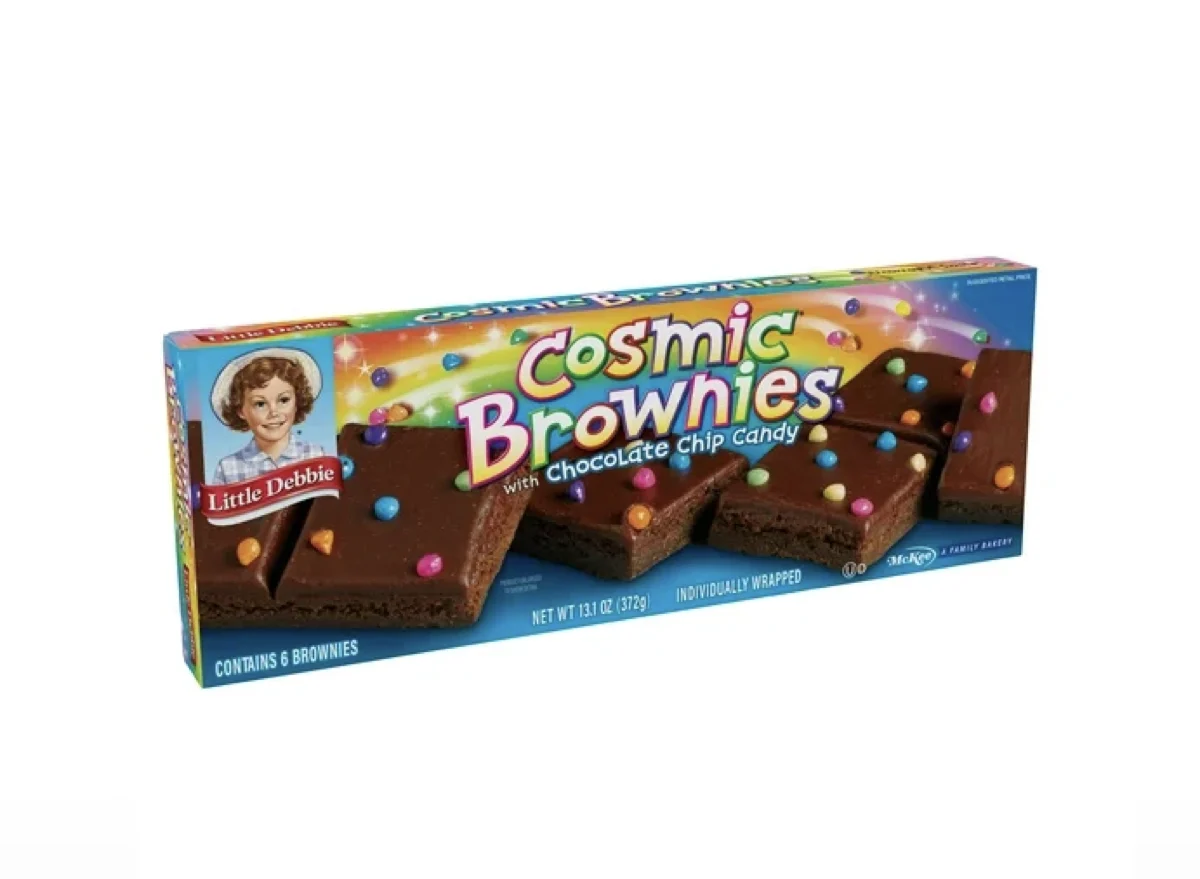
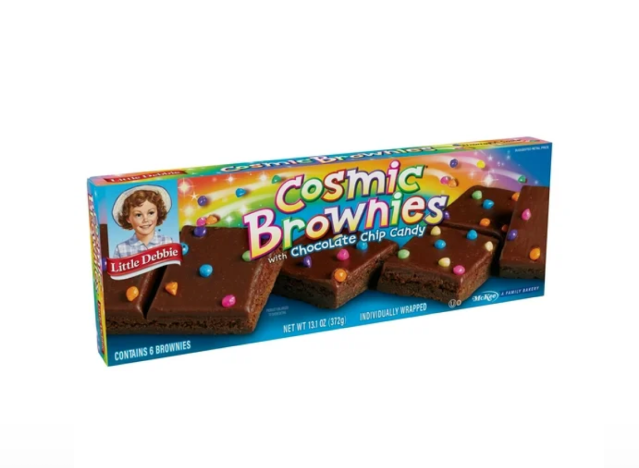
Little Debbie, a brand with a rich history dating back to 1960 as part of McKee Foods, has long been synonymous with affordable, individually wrapped snack cakes. While many of its products have enjoyed consistent popularity, the Cosmic Brownie, introduced in 1999, quickly carved out a special place in the hearts of late 90s children and beyond. These fudgy, rectangular brownies, generously topped with chocolate frosting and distinctive, colorful candy-coated chocolate chips (often referred to as "cosmic candy pieces"), offered a visual and gustatory experience unlike any other snack cake of its time. The vibrant sprinkles added a playful, almost futuristic, aesthetic that perfectly captured the zeitgeist of the approaching millennium.
The appeal of Cosmic Brownies lies in their indulgent texture, rich chocolate flavor, and the playful crunch provided by the colorful chips. They represent an accessible, pre-portioned treat that can be easily packed in lunchboxes or enjoyed as an after-school pick-me-up. Their late-90s introduction positioned them perfectly to become a strong nostalgic anchor for individuals entering adulthood in the 2010s and 2020s, many of whom now seek to revisit the comfort foods of their youth. Consumer anecdotes frequently highlight this powerful nostalgic connection, with individuals rediscovering the brownies as adults and sharing their delight with friends, creating a chain reaction of sentimental purchases. The brand’s ability to maintain the original taste and visual appeal has been crucial to its enduring success, allowing it to thrive amidst an ever-expanding market of dessert options.
The 90s also innovated in the realm of portable, ready-to-eat meal kits and interactive fruit snacks, two categories that continue to see strong demand.
Lunchables: The Original Build-Your-Own Meal Kit
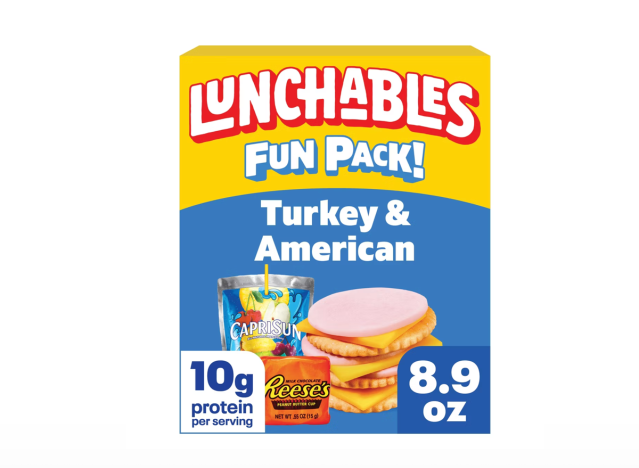
Perhaps one of the most revolutionary snack innovations of its time, Lunchables debuted in 1988, but truly hit its stride and became a cultural phenomenon throughout the 1990s. Developed by Oscar Mayer (a subsidiary of Kraft Heinz), Lunchables provided a pre-packaged, deconstructed meal designed primarily for children’s school lunches. The initial offerings typically included crackers, slices of processed meat (like ham or turkey), and cheese, allowing kids to assemble their own mini sandwiches. This "build-your-own" concept was groundbreaking, offering a sense of autonomy and fun that resonated deeply with its young target audience, while simultaneously providing parents with an unparalleled level of convenience.
Over the decades, the Lunchables lineup has evolved significantly, expanding to include pizza, nacho, and even dessert varieties, alongside efforts to address nutritional concerns by incorporating healthier options and reducing sodium. Despite these changes, the core appeal of convenience and interactive eating remains intact. Its persistence on store shelves underscores its success in fulfilling a fundamental need for quick, easy, and engaging meal solutions. Consumers consistently praise Lunchables for its timeless quality and nostalgic value, often describing it as a "tasty timeless snack" that evokes cherished childhood memories. Its ability to adapt while retaining its fundamental identity has ensured its place as a staple in school lunchboxes and refrigerators across the nation.
Fruit by the Foot: The Edible Roll of Fun
Introduced in 1991 under the Betty Crocker brand by General Mills, Fruit by the Foot offered a playful and interactive dimension to the fruit snack category. Unlike traditional fruit chews or gummies, this product presented itself as a long, thin, rolled-up sheet of fruit-flavored confectionery, allowing consumers to unroll and eat it "by the foot." This unique format immediately captured the imagination of children, transforming a simple snack into an engaging experience. The bright colors, fruity flavors, and the novelty of its extended length made it a popular addition to lunchboxes and snack times throughout the 1990s.
While the fundamental concept of Fruit by the Foot has remained constant, the product has undergone revisions, particularly concerning its ingredient profile. In response to increasing consumer demand for cleaner labels and more natural ingredients, General Mills has made efforts to improve the snack’s formulation, moving towards natural flavors and colors where possible. This adaptability, alongside its inherent fun factor, has been key to its sustained market presence. Loyal customers appreciate these reformulations, especially the availability of options free from artificial dyes, reinforcing its status as a "pantry staple." The combination of a unique, interactive eating experience and a commitment to evolving with consumer health preferences ensures Fruit by the Foot continues to be a vibrant part of the modern snack aisle.
The enduring success of these 1990s snack brands is not merely a testament to their initial appeal but to a complex interplay of factors that allow them to transcend generational divides. Nostalgia plays an undeniable role, creating a powerful emotional connection for adults who grew up with these products, prompting them to revisit or introduce them to their own children. However, nostalgia alone is insufficient for long-term survival. These snacks also consistently deliver on core consumer demands: convenience, affordability, and a satisfying taste experience.
Furthermore, brands that have successfully navigated multiple decades often demonstrate an ability to adapt. This might involve subtle reformulations to align with contemporary health trends, strategic marketing campaigns that reintroduce products to new audiences (sometimes through cultural touchpoints like popular television shows), or expanding product lines to offer variety while maintaining core brand identity. The simplicity of their concepts, combined with effective manufacturing and distribution networks, has allowed them to remain competitive in an increasingly fragmented and innovative food market.
In conclusion, the sustained popularity of Totino’s Pizza Rolls, Bagel Bites, Little Debbie Cosmic Brownies, Lunchables, and Fruit by the Foot offers compelling evidence of the lasting impact of the 1990s on culinary culture. These items are more than just food; they are cultural artifacts that embody a particular era, yet their practical benefits and inherent appeal ensure their continued relevance. They stand as a reminder that while tastes and trends may shift, certain classic snacks possess an enduring charm and functional utility that solidifies their place as permanent fixtures in the consumer landscape, connecting past generations with the present through shared moments of delicious indulgence.
About the Author