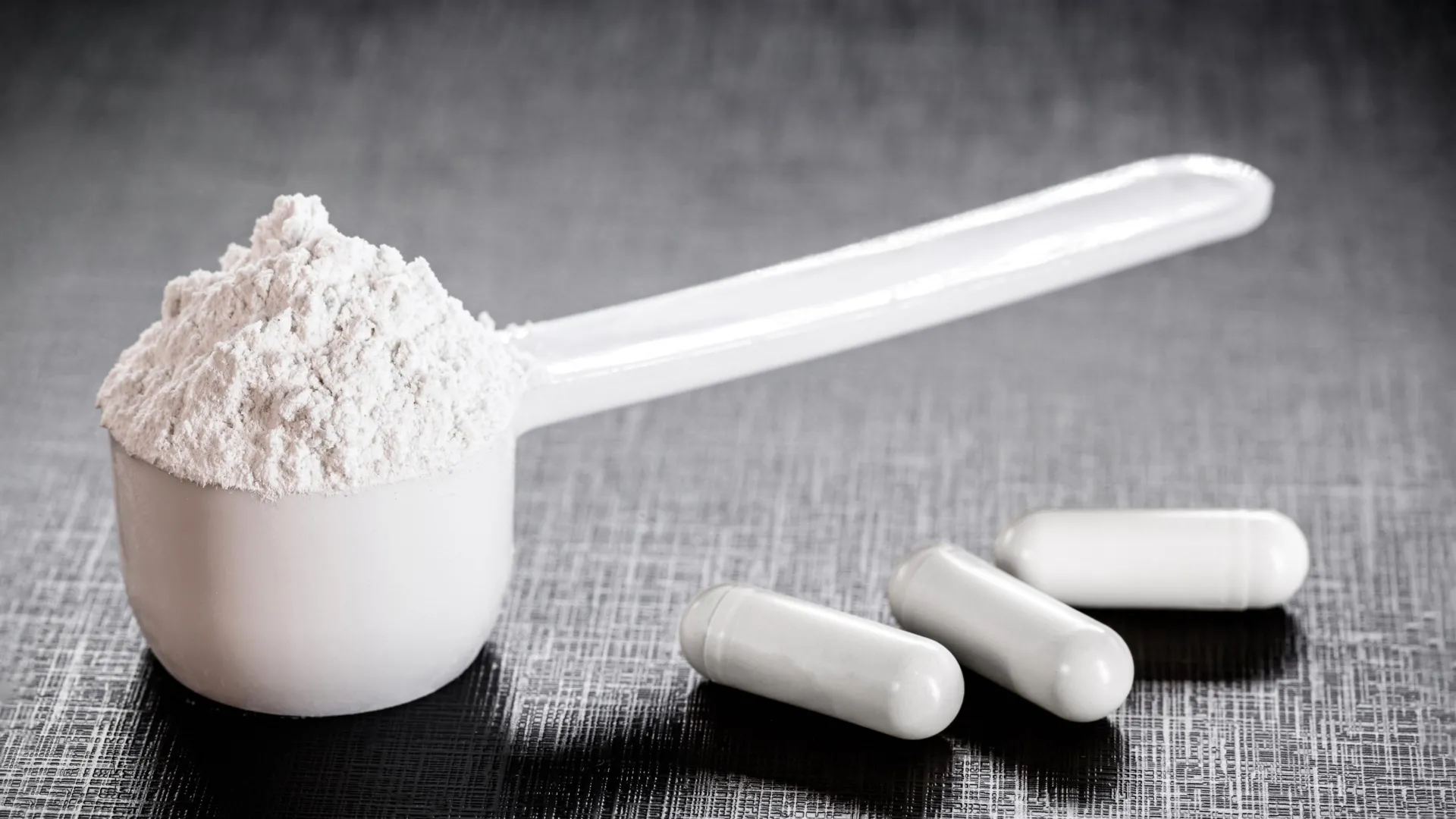
The exploration into creatine, a substance predominantly recognized for its role in enhancing athletic performance and bolstering muscular strength, is extending into uncharted therapeutic territories, with emerging scientific inquiry suggesting a possible role in the management of depressive conditions. A recent comprehensive meta-analysis, meticulously compiled and published in the esteemed journal Brain Medicine, delves into the existing body of clinical research to ascertain whether creatine’s influence on cellular energy metabolism within the brain could translate into tangible benefits for individuals experiencing depression. While the collective findings present a landscape of tentative optimism, they concurrently underscore the considerable gaps in our current understanding, revealing a divergence in results where some trials indicated significant improvements in depressive symptomatology, while others yielded no discernible effect, leaving the scientific community with more questions than definitive answers.
The investigative approach undertaken by the research team, spearheaded by Bassam Jeryous Fares from the University of Ottawa, eschewed the initiation of novel experimental protocols in favor of a rigorous appraisal of previously conducted studies. This systematic review meticulously sifted through the available scientific literature, ultimately identifying six distinct reports that encompassed five randomized controlled trials. Within these trials, participants were administered either creatine or a placebo, with neither the participants nor the researchers involved in direct administration aware of the substance being provided – a methodological cornerstone known as blinding to mitigate bias.
These multifaceted studies were geographically dispersed, originating from research institutions in South Korea, the United States, Brazil, Israel, and India, collectively involving an initial cohort of 238 individuals. Of this group, 126 participants were assigned to receive creatine, while the remaining 112 were allocated to the placebo arm. The average age of the participants hovered around 36 years, with a notable preponderance of female subjects; indeed, two of the included studies exclusively recruited women. The investigative focus varied, with four trials specifically targeting individuals diagnosed with major depressive disorder, while one trial included participants grappling with bipolar disorder who were actively experiencing a depressive episode. The inherent heterogeneity in the design and methodologies employed across these studies precluded a unified statistical aggregation of the data; consequently, the researchers adopted an approach of evaluating each study’s findings on an individual basis.
Upon close examination of the accumulated evidence, a decidedly mixed and nuanced picture emerged regarding creatine’s efficacy in alleviating depressive symptoms. Two of the five evaluated trials, both of which involved female participants diagnosed with major depressive disorder, provided evidence suggesting that creatine supplementation conferred additional therapeutic advantages. In one specific instance, individuals who augmented their standard antidepressant regimen, escitalopram, with five grams of creatine daily demonstrated substantially greater reductions in depressive symptoms after an eight-week period compared to their counterparts receiving escitalopram alongside a placebo. This observed improvement was statistically significant, registering a large effect size (Cohen’s d of 1.13) on the Hamilton Depression Rating Scale, and a higher proportion of participants in the creatine group achieved clinical remission from their depressive symptoms.
In another compelling trial, creatine was administered in conjunction with cognitive behavioral therapy (CBT). Participants who received creatine in addition to CBT exhibited a more pronounced amelioration of depression symptoms, as measured by a standardized assessment tool, when contrasted with those who received only CBT and a placebo.
However, the remaining three trials presented a starkly different outcome, reporting no statistically significant or clinically meaningful benefits derived from creatine supplementation. One particular study indicated that neither a daily dose of five grams nor ten grams of creatine per day led to any notable symptom improvement in individuals whose depression had proven resistant to conventional pharmacological treatments. Similarly, another investigation found no discernible advantage of creatine over a placebo among adolescent girls, even when varied dosages were explored. A third trial, which focused on individuals diagnosed with bipolar disorder and experiencing a depressive phase, also failed to demonstrate any positive impact from creatine.
Beyond the question of efficacy, the review also highlighted a critical safety consideration. Within the context of the bipolar disorder trial, two participants who were administered creatine subsequently developed hypomania or mania, suggesting a potential for creatine to elicit differential responses in individuals depending on their underlying psychiatric condition. This observation underscores the importance of personalized assessment and careful monitoring when considering such interventions.
The theoretical underpinnings for investigating creatine’s potential impact on depression are rooted in the brain’s exceptionally high energy requirements. While creatine is most widely acclaimed for its capacity to facilitate the rapid regeneration of adenosine triphosphate (ATP) – the universal energy currency of cells – within muscle tissue, the brain also relies profoundly on this same bioenergetic pathway for optimal functioning. Prior scientific investigations have identified alterations in brain creatine metabolism in individuals with mood disorders, prompting the hypothesis that disruptions in cellular energy production might play a contributory role in the pathogenesis of depression.
Furthermore, there is a biological plausibility that creatine could exert influence on the neurotransmitter systems governing mood, specifically dopamine and serotonin. These critical neurochemicals are integral to mood regulation and are precisely the targets of many contemporary antidepressant medications. Nevertheless, the authors of the review strongly emphasize that these proposed mechanisms remain speculative at this juncture. The existing studies predominantly demonstrate correlations rather than establishing a direct causal link, and the complex nature of depression involves a multitude of intricate biological pathways that extend far beyond a single molecular factor.
Bassam Jeryous Fares, the lead author of the review and a student at the University of Ottawa’s Faculty of Medicine, articulated this nuanced perspective, stating, "The signal is interesting, but it is not a verdict." He further elaborated that the conflicting outcomes, with two trials pointing in one direction and three in another, do not provide the robust evidence necessary to instigate changes in clinical practice, but rather indicate that the question warrants more in-depth scientific inquiry.
Nicholas Fabiano, the corresponding author and a psychiatry resident at the University of Ottawa, echoed this sentiment of caution. He noted, "Creatine appears to be a safe intervention. The adverse events we found were limited to mild gastrointestinal discomfort. We cannot yet reliably say that creatine helps with depressive symptoms or if the findings are generalizable to everyone."
The collective consensus among the researchers is that the current evidence base is too incipient to endorse the routine utilization of creatine as a therapeutic agent for depression. The clinical trials reviewed were characterized by relatively small sample sizes, a disproportionate representation of women over men, and varying degrees of methodological quality. While two studies were assessed as having a low risk of bias, the remaining three presented certain concerns, primarily related to the procedures for participant allocation and the handling of missing data. Consequently, the conclusions drawn from these studies cannot be broadly extrapolated to the general population or applied universally.
The review advocates for the initiation of larger-scale, longer-duration clinical trials, extending beyond the typical eight-week observation periods. The researchers also recommend investigating creatine’s effects in conjunction with other therapeutic modalities, such as exercise, and exploring whether different dosages yield superior outcomes, while acknowledging that higher doses do not automatically equate to greater efficacy.
Insights from animal studies may offer further avenues for understanding these potential differences. Experiments conducted on rodent models have indicated that creatine can influence depression-like behaviors in a sex-specific manner, a finding that could potentially shed light on why the human studies with a predominantly female cohort exhibited the most promising positive results.
For the present, creatine remains an intriguing possibility rather than a definitively established treatment for depression. A dietary supplement historically associated with the enhancement of physical capabilities is now capturing the attention of scientists actively engaged in the pursuit of novel therapeutic strategies for mood disorders. The peer-reviewed research article, titled "Creatine as a treatment for depression," was published in Brain Medicine and has been made accessible through Open Access, commencing on June 30, 2026.
About the Author