Maintaining physical vitality becomes increasingly important as individuals progress beyond the age of 55, with a particular focus on core strength and abdominal health. While traditional gym environments offer a wide array of fitness options, they may present accessibility challenges or higher impact risks for older adults. Consequently, seated exercise routines have gained significant recognition as a safe, convenient, and highly effective alternative for fostering muscle development, enhancing flexibility, and improving overall well-being. These adapted movements not only contribute to caloric expenditure and lean muscle accretion but also specifically target the deep abdominal musculature crucial for stability and posture, often surpassing the practical efficacy of more strenuous alternatives for this demographic.
The accumulation of abdominal fat, sometimes colloquially referred to as an "apron belly," is a common concern that can become more pronounced with advancing age. This phenomenon is influenced by a confluence of factors, including metabolic shifts, hormonal changes—such as declining estrogen levels in women—and a general reduction in physical activity. Beyond aesthetic considerations, excessive abdominal adiposity, particularly visceral fat that surrounds internal organs, is strongly linked to an elevated risk of various chronic health conditions. These include cardiovascular disease, type 2 diabetes, certain cancers, and metabolic syndrome. Therefore, addressing this particular fat distribution through targeted physical activity is not merely about body composition but fundamentally about promoting long-term health and functional independence. For individuals aged 55 and above, finding exercise modalities that are both effective and sustainable is paramount.
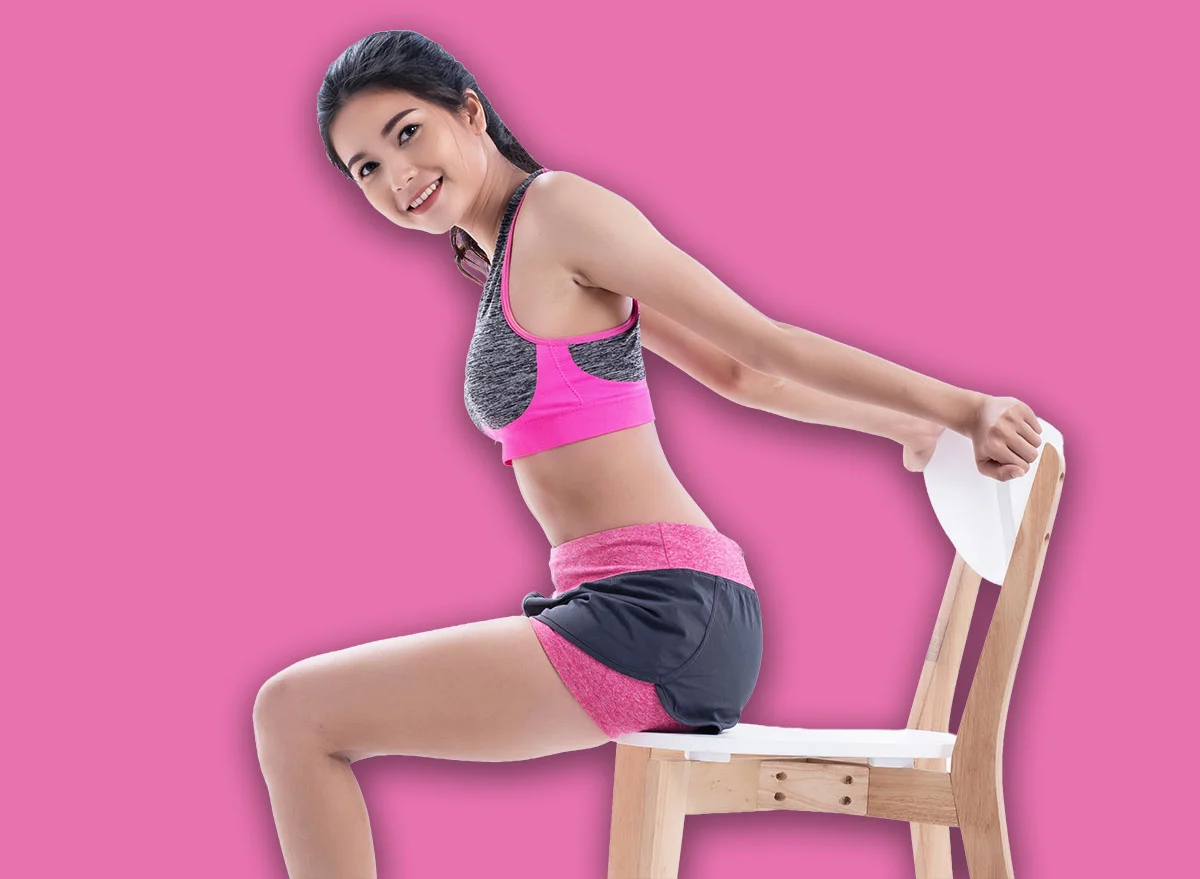
The inherent advantages of incorporating a sturdy chair into a fitness regimen are manifold, especially for an older population. Foremost among these is enhanced safety. By performing exercises in a seated position, the risk of falls—a significant concern for many seniors—is virtually eliminated. This stability also translates into reduced stress on critical joints like the hips and knees, which may be susceptible to arthritis or other age-related wear and tear. Furthermore, seated workouts offer unparalleled convenience, allowing individuals to exercise in the comfort of their own homes without requiring specialized equipment or gym memberships. This accessibility fosters greater consistency, a cornerstone of any successful fitness program. Beyond these practical benefits, seated exercises are particularly adept at engaging the deep core muscles, which are vital for maintaining balance, improving posture, and facilitating ease in everyday movements.
Denise Chakoian, a Rhode Island Certified Fitness Trainer and owner of Core Cycle and Fitness LaGree, with over 16 years of diverse experience, underscores the profound benefits of these adapted workouts. Chakoian emphasizes that seated movements are inherently low-impact and gentle on the joints, making them an ideal choice for adults over the age of 55. She highlights their capacity to activate the intricate network of deep core muscles responsible for foundational stability, good posture, and the fluid execution of daily activities. Moreover, these exercises simultaneously fortify the hips and lower back, areas that provide essential support to the midsection. The ability to perform these routines securely from a chair often makes them less daunting than traditional floor-based exercises, encouraging broader participation. Chakoian particularly values these movements for their role in cultivating "real-life strength," which directly translates into making routine tasks feel less effortful and empowering individuals to maintain their independence.
The effectiveness of these chair-based routines in contributing to abdominal fat reduction stems from several physiological mechanisms. Firstly, any physical activity that elevates the heart rate and engages muscle groups will contribute to calorie expenditure. While seated exercises might not burn calories at the same rate as high-intensity interval training, their consistency and safety profile often lead to greater adherence over time, resulting in a more sustained caloric deficit. Secondly, building lean muscle mass is a crucial component of fat loss, regardless of age. Muscle tissue is metabolically active, meaning it burns more calories at rest compared to fat tissue. By strengthening the core, hips, and lower body through seated movements, individuals can increase their overall muscle mass, thereby boosting their resting metabolic rate. This metabolic enhancement plays a pivotal role in gradually diminishing stubborn abdominal fat.
Regarding the assertion that these exercises may reduce abdominal fat "faster than gym workouts" for individuals over 55, it requires a nuanced interpretation. This claim is not to suggest a universal superiority over all gym-based activities but rather to highlight their tailored efficacy for a specific demographic. For many older adults, the physical demands or perceived intimidation of a conventional gym setting can lead to infrequent attendance or the avoidance of exercises that are genuinely beneficial but pose a higher risk of injury. In contrast, the accessibility, comfort, and safety of chair exercises promote remarkable consistency. When an exercise program is consistently followed, even if the individual session’s intensity is moderate, the cumulative effect over weeks and months can lead to more significant and sustainable results than sporadic, high-intensity efforts that are difficult to maintain. Thus, "faster" can be understood in terms of achieving tangible, lasting outcomes through greater adherence and reduced injury downtime for this particular age group.
Let’s delve into the principles behind the types of movements that are particularly effective within a seated exercise framework, focusing on their benefits for the core and surrounding musculature:
Seated Knee Lifts: This category of exercise primarily targets the lower abdominal muscles and hip flexors. By lifting one knee towards the chest while maintaining a stable seated posture, individuals engage the rectus abdominis, particularly its lower segments, and the iliopsoas group. The controlled movement required to lift and lower the leg without relying on momentum activates the deep stabilizing muscles of the core. This action helps to improve hip mobility, strengthen the muscles that support the lumbar spine, and enhance neuromuscular control, which is essential for balance and preventing falls during walking. Consistent practice of knee lifts can contribute to a firmer lower abdomen and improved functional strength for daily activities like climbing stairs or getting in and out of a car.
Seated March with Core Bracing: This exercise builds upon the knee lift by incorporating a rhythmic, alternating leg movement while emphasizing continuous core engagement. As one leg lifts, the abdominal muscles are consciously braced—pulled inward and tightened—to prevent any rocking or swaying of the torso. This continuous tension throughout the core during the marching motion is crucial for strengthening the transverse abdominis, the deepest abdominal muscle that acts like a natural corset for the trunk. Improving the strength and endurance of the transverse abdominis is foundational for spinal stability, posture, and reducing pressure on the lower back. The dynamic nature of the march also promotes cardiovascular health and coordination, making it a comprehensive movement for overall well-being.
Seated Torso Twists: These rotational movements are instrumental in targeting the oblique muscles—both internal and external—which run along the sides of the abdomen. By gently twisting the upper body from side to side while keeping the lower body stable, individuals engage these muscles, which are responsible for spinal rotation and lateral flexion. Proper execution of seated torso twists requires controlled movement, avoiding jerky motions, and maintaining an upright posture. This exercise enhances spinal mobility, which can often diminish with age, and strengthens the muscles that support rotational movements in daily life, such as reaching for objects or turning to look behind you. Increased oblique strength also contributes to a more cinched waistline and improved core aesthetics.
Seated Leg Extension: This exercise primarily focuses on strengthening the quadriceps, the large muscle group at the front of the thigh, while also engaging the hip flexors and lower abdominal muscles for stability. From a seated position, extending one leg straight out and holding it briefly before slowly returning it to the starting position challenges the quadriceps through an isometric contraction and then a controlled eccentric phase. The act of holding the leg extended requires significant stabilization from the core to prevent the torso from leaning back or slouching. Strengthening the quadriceps is vital for functional movements like standing, walking, and climbing, and contributes to overall lower body power and endurance. The controlled nature of the movement also helps to improve joint stability around the knee.
To maximize the benefits of any seated exercise program, several general principles should be adhered to. Consistency is key; aim for regular sessions multiple times a week. Always prioritize proper form over speed or the number of repetitions to prevent injury and ensure effective muscle engagement. Listening to your body and modifying exercises as needed is crucial, especially when starting a new routine. Hydration and a balanced nutritional intake, rich in lean proteins, complex carbohydrates, and healthy fats, will complement physical activity by supporting muscle repair, energy levels, and overall metabolic health. Consulting with a healthcare provider or a certified fitness professional before embarking on a new exercise regimen is always recommended, particularly for individuals with pre-existing health conditions.
In conclusion, for individuals over the age of 55 seeking to enhance core stability, improve abdominal health, and mitigate the challenges of age-related fat accumulation, seated exercise offers a uniquely effective and accessible pathway. By providing a safe, joint-friendly, and convenient platform for targeted muscle engagement, these routines empower older adults to cultivate meaningful strength, improve balance, and foster a greater sense of well-being and independence. The consistent application of these tailored movements, supported by a holistic approach to health, can yield transformative results, demonstrating that impactful fitness is truly within reach for everyone, regardless of age or physical limitations.
About the Author