
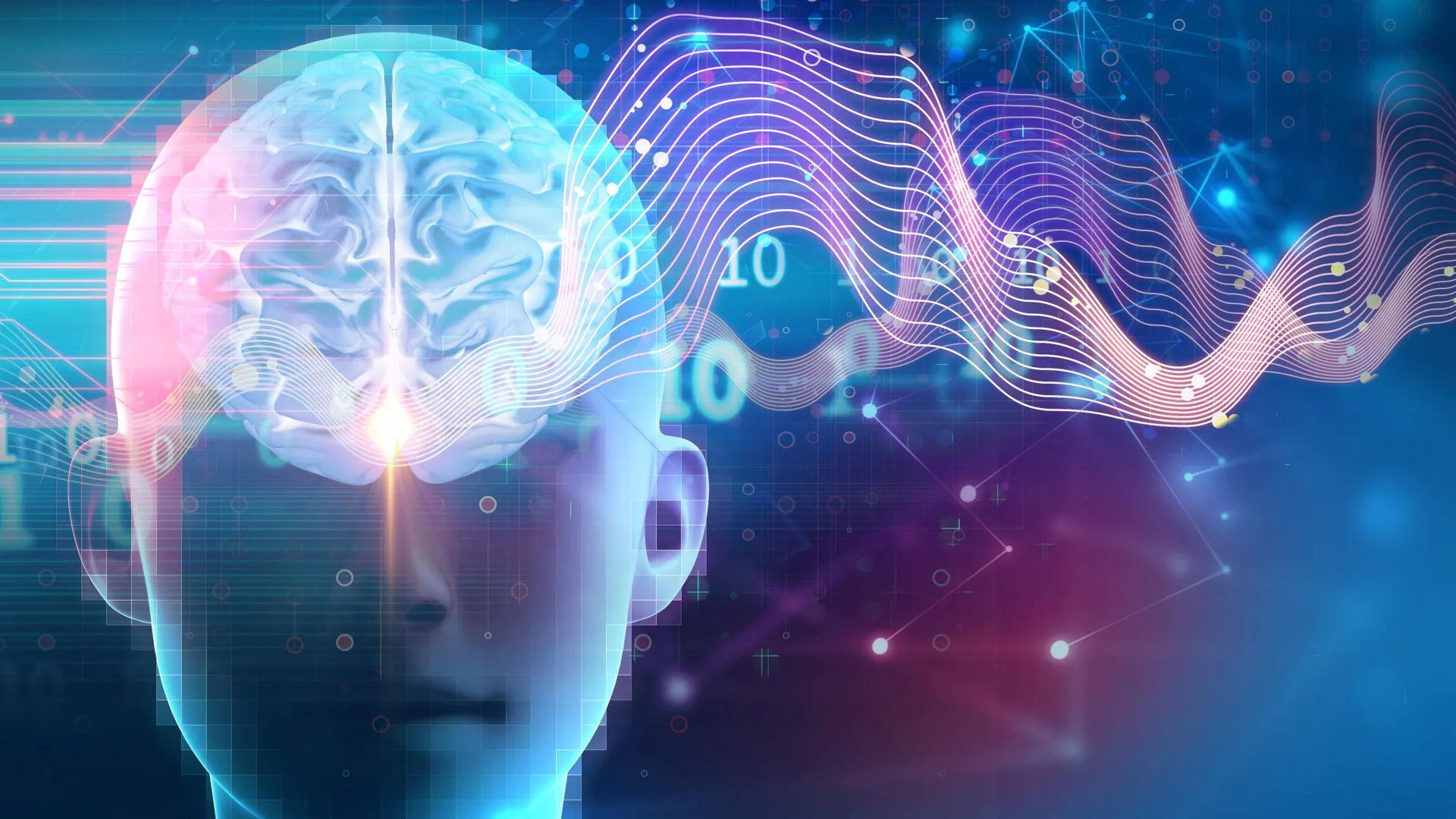
A groundbreaking artificial intelligence system, developed through a collaboration between researchers at the University of California, San Francisco (UCSF) and Beth Israel Deaconess Medical Center in Boston, is poised to revolutionize the early detection of neurodegenerative diseases. This sophisticated machine-learning algorithm meticulously scrutinizes the subtle electrical signatures of brain activity during sleep, offering a unique metric for assessing an individual’s risk of developing dementia. The core innovation lies in its ability to estimate a person’s "brain age" – a chronological estimation of cognitive aging derived from sleep patterns – and compare it against their actual, or chronological, age. Findings from this pioneering research, published in the esteemed journal JAMA Network Open, reveal a significant correlation between a discrepancy where estimated brain age surpasses chronological age and an elevated predisposition to dementia.
The advanced computational model at the heart of this discovery is a testament to the power of artificial intelligence in deciphering complex biological data. It was meticulously trained to identify and interpret 13 distinct microscopic features embedded within electroencephalography (EEG) recordings captured during nocturnal rest. These minute electrical patterns, often imperceptible to traditional sleep analysis methods, are believed to offer a more profound insight into the underlying health and resilience of the brain. The researchers rigorously validated their AI model by applying it to a substantial dataset comprising the sleep EEG data of approximately 7,000 individuals, drawn from five diverse longitudinal studies. This extensive cohort, with ages spanning from 40 to 94 years at the commencement of their respective studies, provided a robust foundation for assessing the model’s predictive capabilities. Crucially, none of these participants had been diagnosed with dementia at the outset of the studies, allowing researchers to track the emergence of the condition over extended follow-up periods, which ranged from 3.5 to 17 years. Over the course of this monitoring, a notable subset of around 1,000 participants eventually developed dementia, serving as the critical group for identifying predictive markers.
The implications of this research are profound, suggesting that the nuances of brain activity during sleep hold far greater diagnostic potential than previously understood. Traditional metrics of sleep quality, such as the total duration spent in various sleep stages (e.g., light sleep, deep sleep, REM sleep) and the efficiency with which individuals maintain uninterrupted sleep throughout the night, have historically failed to establish a meaningful link to dementia risk. This new AI-driven approach, however, delves deeper, analyzing the finer textures and fluctuations of brainwaves that standard measurements overlook. "Broad sleep metrics do not fully capture the complex multidimensional nature of sleep physiology," explained Yue Leng, MBBS, PhD, a senior author on the study and an associate professor of psychiatry at the UCSF School of Medicine. This statement underscores the limitations of conventional sleep assessments and highlights the imperative for more sophisticated analytical tools to unlock the secrets held within our slumber.
Intriguingly, several of the specific EEG patterns identified by the AI as crucial for determining brain age are already recognized for their vital roles in supporting cognitive function and memory consolidation. Delta waves, characterized by their slow, rolling electrical oscillations, are intrinsically linked to the restorative processes of deep sleep, a phase essential for brain repair and rejuvenation. Similarly, sleep spindles, characterized by their brief, rapid bursts of electrical activity, are theorized to play a critical role in the brain’s mechanism for solidifying and storing memories. The AI’s ability to integrate these known beneficial patterns, alongside other subtle electrical signatures, into a comprehensive "brain age" assessment is what lends the system its predictive power.
Among the most compelling discoveries was the significant association between a particular EEG feature known as kurtosis and a reduced risk of dementia. Kurtosis, in this context, refers to the presence of large, sudden spikes in the electrical signals recorded during sleep. The fact that higher kurtosis was linked to a lower dementia risk suggests that certain types of dynamic brain activity during sleep may confer protective benefits against neurodegeneration. This finding adds another layer of complexity to our understanding of sleep’s role in brain health and opens new avenues for research into neuroprotective mechanisms.
The robustness of the AI’s predictions is further emphasized by its ability to maintain statistical significance even after accounting for a wide array of confounding factors. Researchers meticulously adjusted their analyses to control for variables known to influence cognitive health and dementia risk, including educational attainment, smoking habits, body mass index (BMI), levels of physical activity, the presence of other co-existing medical conditions, and established genetic predispositions to dementia. The fact that the link between an older estimated brain age and increased dementia risk persisted, even after these adjustments, strongly suggests that the sleep-derived brain age metric is an independent and potent predictor.
The potential clinical applications of this research are vast and transformative. Because EEG recordings can be obtained non-invasively, requiring no surgical procedures or significant discomfort, the prospect of using sleep-based brain age assessments as a routine part of health evaluations becomes increasingly feasible. This could enable risk stratification and early intervention strategies to be implemented outside the traditional confines of specialized medical clinics. Imagine a future where wearable devices, perhaps integrated into sleep masks or headbands, could continuously monitor sleep EEG signals, providing individuals and their healthcare providers with ongoing insights into their brain’s aging trajectory. "Brain age is calculated from sleep brain waves," Dr. Leng articulated. "We know that brain activity during sleep provides a measurable window into how well the brain is aging." This statement encapsulates the fundamental principle driving the research – sleep as a direct, quantifiable reflection of brain health.
Furthermore, the findings carry significant implications for public health initiatives aimed at promoting cognitive well-being. The study suggests a potential reciprocal relationship between sleep health and the aging process of the brain, hinting that interventions to improve sleep quality might actively influence how the brain ages. Dr. Leng pointed to prior research demonstrating that the effective treatment of sleep disorders can lead to observable alterations in sleep brainwave activity. This opens up the possibility that addressing issues like sleep apnea or insomnia could not only improve sleep but also contribute to a healthier, slower rate of cognitive aging.
Haoqi Sun, PhD, the first author of the study and an assistant professor of neurology at Beth Israel Deaconess Medical Center, who co-developed the AI model, offered practical insights. "Better body management, such as lowering body mass index and increasing exercise to reduce the likelihood of apnea, may have an impact," he noted. However, he also cautioned against seeking simplistic solutions, adding, "But there’s no magic pill to improve brain health." This balanced perspective highlights the need for a multifaceted approach to brain health, encompassing lifestyle modifications, management of underlying health conditions, and potentially, future AI-driven diagnostic tools.
The collaborative effort behind this research involved significant contributions from other leading scientists. Robert J. Thomas, MD, and M. Brandon Westover, MD, PhD, both from Beth Israel Deaconess Medical Center, played pivotal roles in the development of the sophisticated machine-learning model alongside Dr. Sun. A comprehensive list of all contributing authors and their affiliations can be found within the published paper in JAMA Network Open. The research was generously supported by substantial funding from various prestigious institutions, including multiple grants from the National Institutes of Health (NIH) under grant numbers R01NS102190, R01NS102574, R01NS107291, RF1AG064312, RF1NS120947, R01AG073410, R01AG062531, and R21AG085495, R01AG083836 from the National Institute on Aging. Additional support was provided by the National Science Foundation (grant 2014431), the National Health and Medical Research Council (grant GTN2009264), and the American Academy of Sleep Medicine. This extensive financial backing underscores the perceived importance and potential impact of this groundbreaking work in the field of neurodegenerative disease research.
About the Author












