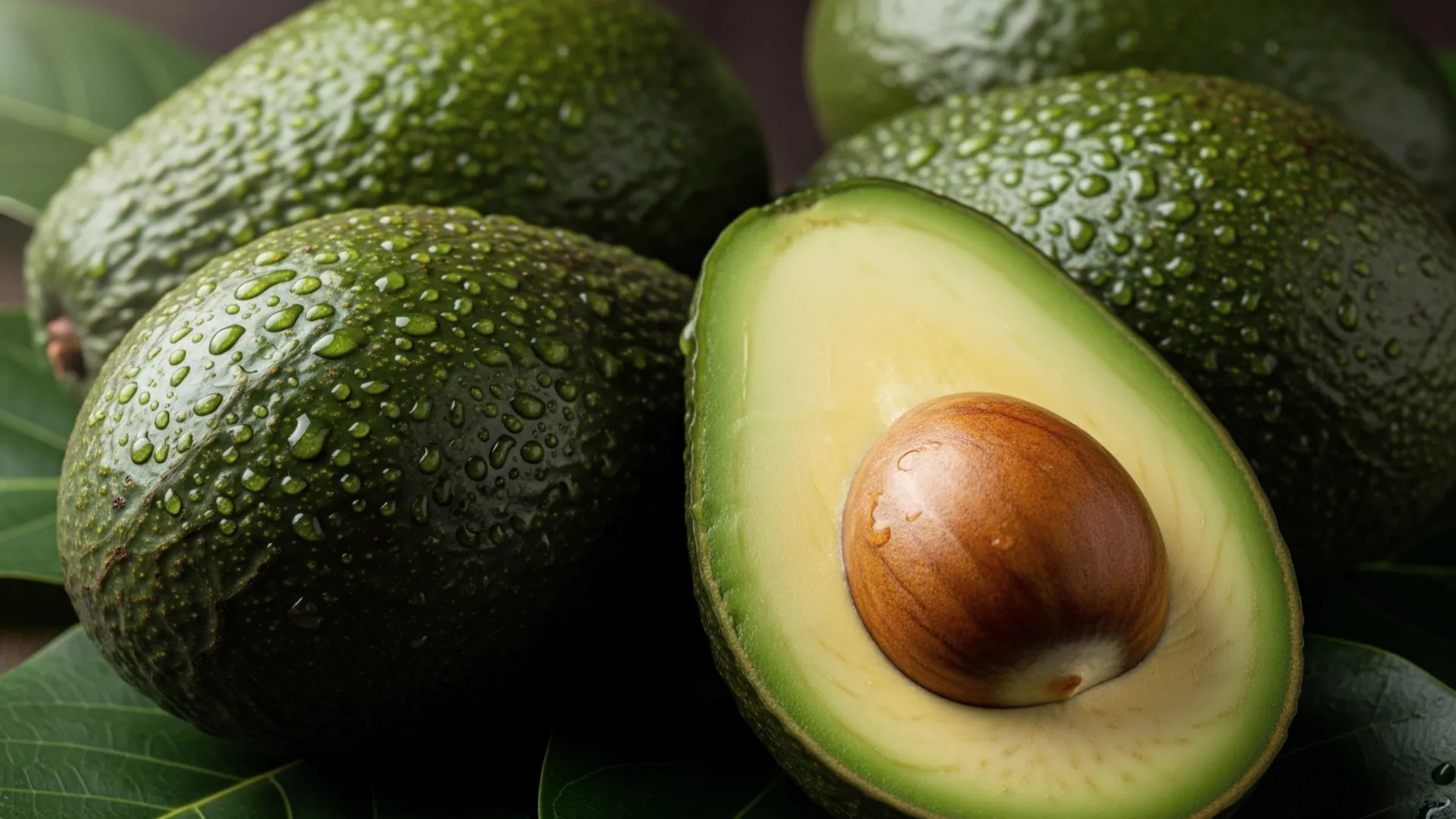
New research, spearheaded by nutritional scientists at Penn State, suggests that incorporating a single avocado into the daily diet of adults living with obesity could contribute to a modest yet meaningful reduction in certain cardiovascular disease risk factors. Published in the esteemed Journal of Clinical Lipidology, these findings illuminate a potential dietary strategy for enhancing heart health, particularly by influencing the concentration of specific lipoprotein particles in the bloodstream.
Cardiovascular disease (CVD) remains a leading cause of morbidity and mortality globally, and its prevalence is strongly correlated with lifestyle factors, including dietary habits and body composition. Obesity, especially abdominal obesity characterized by excess fat around the midsection, is a well-established independent risk factor for CVD. This heightened risk is often associated with dyslipidemia, an imbalance of lipids (fats) in the blood, which can accelerate the development of atherosclerosis—the hardening and narrowing of arteries due to plaque buildup. Understanding the intricate mechanisms by which dietary interventions can modulate these risk factors is crucial for developing effective public health strategies.
The study’s central revelation revolved around the impact of daily avocado consumption on low-density lipoprotein (LDL) particles. While LDL cholesterol is commonly referred to as "bad cholesterol" due to its association with heart disease, a more granular understanding of cardiovascular risk involves assessing the number and size of the LDL particles themselves. These particles function as transporters, ferrying cholesterol molecules throughout the body via the bloodstream. A standard LDL cholesterol test measures the total mass of cholesterol carried by these particles, but it doesn’t provide insight into the quantity of the particles or their physical characteristics.
According to the researchers, an elevated concentration of LDL particles, irrespective of the total LDL cholesterol level, signifies a greater risk of developing heart disease. This distinction is particularly relevant for individuals with abdominal obesity, who frequently exhibit a higher number of smaller, denser LDL particles. Janhavi Damani, a postdoctoral scholar at Penn State and the study’s primary author, elaborated on this critical difference: "Two individuals might present with identical high levels of LDL cholesterol on a routine blood test. However, if one person carries this cholesterol within a smaller number of larger LDL particles, while the other carries it in a greater number of smaller, more numerous particles, the latter faces a significantly higher risk of cardiac events."
The rationale behind this distinction lies in the biophysics of arterial plaque formation. Smaller LDL particles possess a greater propensity to penetrate the endothelial lining of arterial walls, initiating and exacerbating the process of atherosclerosis. Once embedded within the artery wall, these particles become oxidized and contribute to the formation of fatty streaks, which eventually mature into atherosclerotic plaques. These plaques progressively narrow the blood vessels and reduce their elasticity, imposing increased strain on the entire cardiovascular system. Under conditions of heightened demand, such as physical exertion, emotional stress, or exposure to heat, stiffened arteries are less capable of accommodating increased blood flow. This can lead to a more pronounced surge in blood pressure, potentially precipitating adverse cardiac events like heart attacks or strokes. Therefore, interventions that effectively reduce the circulating concentration of these atherogenic particles hold significant promise for mitigating cardiovascular risk.
To investigate the potential benefits of avocado consumption, the research team analyzed data from 786 participants who were part of the larger Habitual Diet and Avocado Trial (HAD Trial). This comprehensive six-month study enrolled adults aged 25 years and older, with specific criteria for participation based on waist circumference—a key indicator of abdominal obesity. Men were eligible if their waist circumference exceeded 40 inches, while women qualified with a waist circumference greater than 35 inches. These thresholds are clinically recognized as indicators of increased metabolic and cardiovascular risk.
Participants in the HAD Trial were divided into two groups. One group was instructed to maintain their usual dietary patterns and physical activity levels, serving as the control. The other group, the intervention arm, also continued their normal routines but received one avocado daily for consumption. Earlier analyses from the HAD Trial had indicated that while the addition of a daily avocado did not result in significant reductions in body weight or waist circumference among individuals with obesity, it did appear to favorably influence overall LDL cholesterol levels. The current study built upon these preliminary findings by specifically focusing on the more nuanced measure of LDL particle concentrations.
For the present analysis, blood samples were collected from all participants at both the commencement and conclusion of the six-month intervention period. A meticulous comparison of these samples revealed a statistically significant reduction in LDL particle concentrations among individuals assigned to the daily avocado group. Specifically, these participants experienced a decrease of 49 nanomoles per liter in their LDL particle count. According to the research team’s calculations, this change corresponds to an estimated 4% reduction in the long-term risk of developing heart disease.
While a 4% reduction might seem modest when compared to the more substantial 14-29% decrease in heart disease risk often associated with comprehensive and sustained improvements across an entire dietary pattern, the researchers emphasized its significance. Damani noted, "Even a modest reduction represents a positive step towards improved cardiovascular health, particularly given the relative ease of integrating this single food item into one’s daily routine." The consistency of this beneficial effect across various demographic strata further strengthened the findings. The improvement in LDL particle levels was observed uniformly, irrespective of participants’ sex, racial or ethnic background, age, or body mass index (BMI), suggesting broad applicability of this dietary strategy across diverse populations affected by obesity.
The implications of these findings are particularly pertinent for public health initiatives. In an era where complex dietary guidelines can often be overwhelming, the concept of a single, manageable dietary alteration holds considerable appeal. For individuals struggling to overhaul their entire eating habits, the introduction of a daily avocado could serve as an accessible and sustainable starting point for improving diet quality. This "small change" approach may prove more feasible for many than attempting a complete dietary transformation.
This study also highlighted a crucial aspect of dietary research: its applicability to real-world scenarios. Previous investigations by Penn State researchers had also demonstrated the lipid-lowering effects of avocado consumption. However, those earlier experiments were conducted under highly controlled conditions, where every aspect of the participants’ diets was meticulously managed. The current study’s strength lies in its ability to show benefits within the context of participants’ normal lives, where dietary choices are far less predictable. Kristina Petersen, an associate professor of nutritional sciences and the senior author of this research, underscored this point: "While our earlier work provided foundational evidence in a strictly controlled environment, this study offers compelling evidence that avocado consumption positively impacts dietary quality and cardiovascular markers even amidst the variability of everyday eating habits. It confirms that the benefits persist in the course of people’s normal lives."
The precise mechanisms by which avocados exert these cardioprotective effects are likely multifaceted. Avocados are rich in monounsaturated fatty acids (MUFAs), particularly oleic acid, which are known to favorably influence lipid profiles. Beyond healthy fats, they also provide a substantial amount of dietary fiber, which can help regulate cholesterol absorption and promote gut health. Furthermore, avocados contain a variety of bioactive compounds, including phytosterols, carotenoids, and other antioxidants, all of which may contribute to their beneficial effects on inflammation, oxidative stress, and overall cardiovascular function. These nutritional components likely act synergistically to modulate lipoprotein metabolism and reduce the atherogenic potential of circulating lipids.
While these findings offer encouraging insights, the researchers underscore the importance of personalized dietary guidance. They advise individuals considering significant dietary modifications to consult with a registered dietitian nutritionist or a physician to ensure that any changes are appropriate for their specific health needs and circumstances. This ensures that dietary strategies are integrated safely and effectively into a comprehensive health plan.
In conclusion, the integration of a daily avocado into the diets of adults with obesity presents a tangible and accessible strategy for favorably altering lipoprotein profiles, thereby contributing to a modest yet meaningful reduction in cardiovascular disease risk. This research not only reinforces the health benefits of avocados but also provides a compelling case for small, sustainable dietary changes as a pathway to improved public health outcomes.
This important research received support from the Avocado Nutrition Center. Key contributions to the study also came from Nirupa Matthan of the Jean Mayer USDA Human Nutrition Research Center on Aging at Tufts University; Zhaoping Li of the David Geffen School of Medicine at University of California, Los Angeles; Joan Sabaté of the School of Public Health at Loma Linda University; and David Reboussin of the Wake Forest University School of Medicine. Penny Kris-Etherton, a retired Evan Pugh University Professor of Nutritional Sciences at Penn State, also played a significant role in the research.
About the Author