
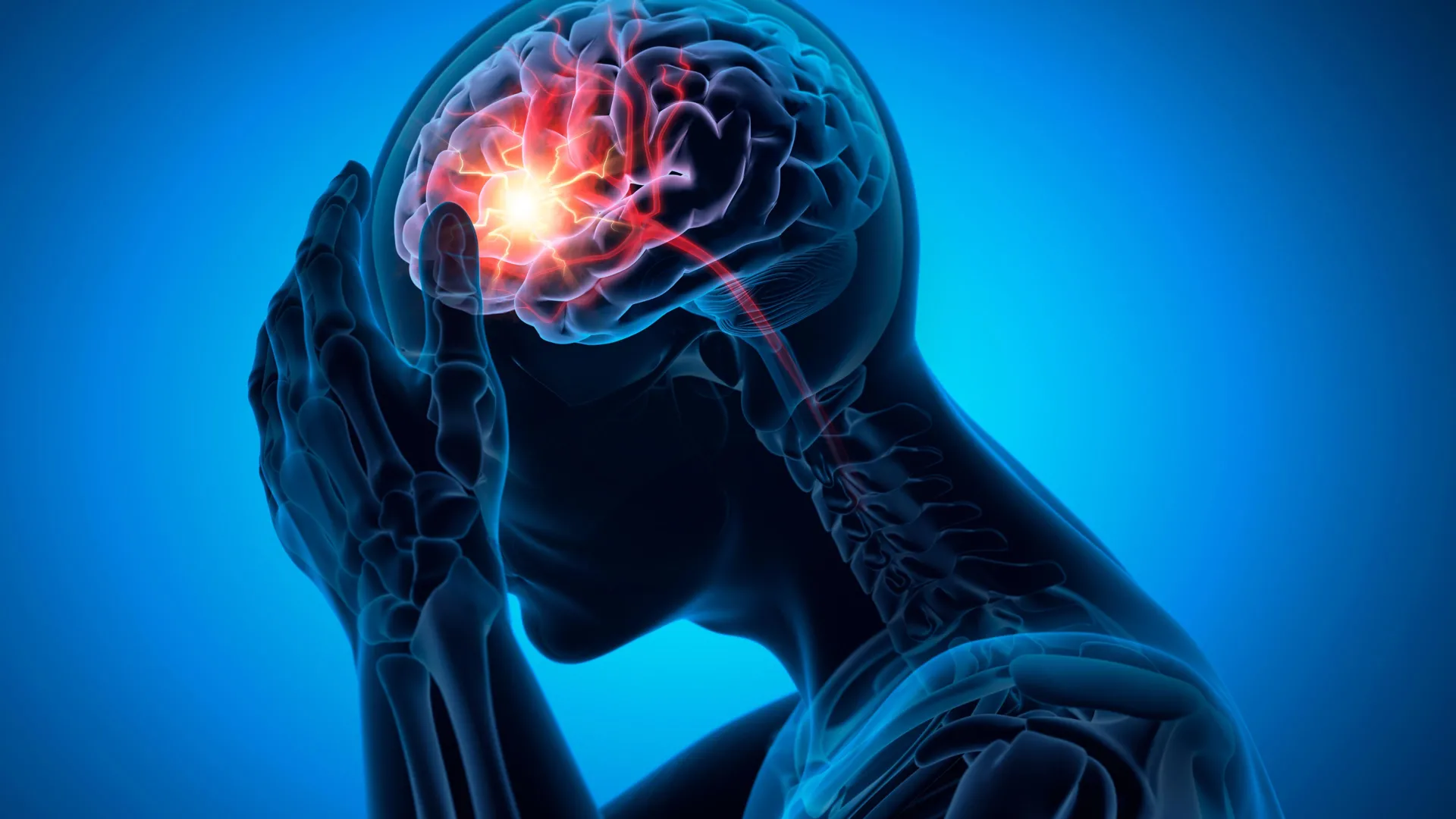
A groundbreaking scientific investigation has unearthed compelling evidence that may fundamentally alter the medical community’s understanding of a prevalent form of stroke, potentially explaining the long-standing limitations of conventional preventative interventions. This new research posits that lacunar ischemic stroke, a significant contributor to neurological impairment, does not primarily stem from the familiar culprit of fatty plaque accumulation within arterial walls, as had been widely presumed for many years. Instead, the most substantial correlation identified points towards intrinsic alterations within the brain’s intricate network of blood vessels, specifically their abnormal enlargement and elongation.
These revelatory findings are poised to illuminate why established stroke prevention regimens, often centered around medications like aspirin and other antiplatelet agents, have demonstrated only modest efficacy in averting this particular subtype of stroke. The implications of this paradigm shift are already influencing the trajectory of new therapeutic strategies. For instance, the LACunar Intervention Trial 3 (LACI-3) is actively exploring pharmaceutical agents specifically engineered to fortify and support the delicate microvasculature of the brain.
The genesis of lacunar stroke is intrinsically linked to the condition known as small vessel disease, which inflicts damage upon the brain’s most diminutive blood conduits. This form of stroke represents a substantial burden in terms of disability and is demonstrably associated with a decline in cognitive function, the onset of dementia, and an escalated predisposition to future cerebrovascular events. Despite its profound impact, the precise etiological factors driving small vessel disease have remained elusive, posing a significant hurdle to the development of robust and effective treatments.
In an effort to definitively address this diagnostic challenge, a multidisciplinary team comprising researchers from the University of Edinburgh, the UK Dementia Research Institute, and a consortium of international collaborators meticulously examined a cohort of 229 individuals who had experienced either a lacunar stroke or a less severe, non-lacunar ischemic stroke.
Participants underwent comprehensive clinical assessments and detailed cognitive evaluations. Crucially, they also received serial MRI brain scans, with initial imaging conducted shortly after their stroke event and a subsequent scan performed one year later. This advanced neuroimaging modality enabled the scientific team to precisely categorize the type of stroke, meticulously monitor for indicators of small vessel disease, and identify the emergence of any new regions of brain tissue damage that might have developed over the intervening twelve-month period. The research protocol involved a critical comparative analysis between two distinct vascular pathologies: the gradual narrowing of larger arteries due to fatty deposits, and the pathological widening and lengthening of arteries situated within the brain’s parenchyma.
The comprehensive analysis yielded a striking revelation: the narrowing of major arterial pathways showed no discernible association with the occurrence of lacunar stroke or the presence of small vessel disease. While artery narrowing was indeed observed more frequently in individuals who had suffered other forms of stroke, it failed to serve as a predictive indicator for the development of new brain damage as evidenced by the follow-up imaging studies.
In stark contrast, the phenomenon of artery widening emerged as a powerful and statistically significant predictor. Individuals exhibiting enlarged cerebral arteries were found to be more than four times as likely to have experienced a lacunar stroke. Further scrutiny revealed a robust link between this arterial dilation and more advanced stages of small vessel disease. It was also associated with a more rapid progression of brain tissue damage and a heightened propensity for the development of "silent" strokes – subtle areas of brain tissue infarction caused by compromised blood flow, which often manifest without overt clinical symptoms. The study’s longitudinal data indicated that over a quarter of the participants developed these asymptomatic cerebrovascular lesions during the observation period, even while adhering to standard medical protocols designed to prevent subsequent stroke events.
These compelling findings strongly advocate for a strategic redirection of therapeutic efforts, shifting the focus from addressing fatty plaque buildup in larger arteries to directly targeting the underlying pathological processes that compromise the integrity of the brain’s microvasculature. Clinical investigations, such as the ongoing LACI-3 trial, are actively evaluating the potential of existing pharmacological agents, including cilostazol and isosorbide mononitrate, to confer neuroprotection, mitigate the risk of recurrent strokes, and ameliorate long-term sequelae affecting memory, motor function, and cognitive decline following lacunar stroke.
Professor Joanna Wardlaw, a leading expert in Applied Neuroimaging at the University of Edinburgh’s Institute for Neuroscience and Cardiovascular Disease and a Group Leader at the UK Dementia Research Institute, articulated the significance of these discoveries. "This study furnishes robust evidence that lacunar stroke is not precipitated by the fatty occlusion of larger arteries, but rather by a degenerative process affecting the minute blood vessels within the brain itself," she stated. "Recognizing this critical distinction is paramount, as it logically explains the limited effectiveness of conventional treatments like antiplatelet drugs for this specific stroke type and underscores the urgent imperative to devise novel therapeutic modalities that specifically address the underlying microvascular damage."
The seminal research was formally published in the esteemed journal Circulation. The extensive funding for this pivotal study was provided by a coalition of reputable organizations, including the UK Dementia Research Institute (supported by the UK Medical Research Council, Alzheimer’s Society, and Alzheimer’s Research UK), the Leducq Foundation, the Stroke Association, the British Heart Foundation, the Scottish Government’s Chief Scientist Office, the Row Fogo Charitable Trust, and the Wellcome Trust, alongside contributions from other national funding agencies. The collaborative research endeavor also benefited from the expertise of scientific contributors from China and Mexico.
About the Author












