The Hashemite Kingdom of Jordan recently hosted Dr. Tedros Adhanom Ghebreyesus, Director-General of the World Health Organization (WHO), for a significant two-day state visit, underscoring a robust and multifaceted partnership focused on bolstering health system resilience, expanding universal health coverage (UHC), and advancing mental health initiatives amidst regional challenges. This high-level engagement served as a testament to Jordan’s unwavering commitment to health as a fundamental national and global priority, particularly given its strategic position and humanitarian contributions within a volatile geopolitical landscape.
A cornerstone of the visit was Dr. Tedros’s audience with His Majesty King Abdullah II, a meeting that highlighted the profound importance of this diplomatic exchange. Discussions during this crucial encounter centered on strategic imperatives: fortifying the nation’s healthcare infrastructure, broadening equitable access to essential medical services for all residents, and sustaining vital support for emergency responses across the broader Middle East. Particular emphasis was placed on the provision of care for the Palestinian populace, including patients medically evacuated from Gaza to Jordan for specialized treatment, and the extensive refugee populations from various regional conflicts, predominantly Syria, currently residing within Jordan’s borders.
In his remarks following the meeting, Dr. Tedros conveyed profound appreciation for King Abdullah II’s steadfast dedication to the pursuit of universal health coverage. He also extended gratitude to His Majesty and the people of Jordan for their extraordinary solidarity and magnanimity in extending healthcare services to over three million refugees. This demographic, primarily comprising individuals displaced from Gaza and Syria, represents a substantial addition to Jordan’s population, placing considerable strain on its public services, yet the nation continues to provide essential support. The Director-General further commended Jordan’s broader leadership in humanitarian efforts, specifically citing King Abdullah II’s Medical Corridor initiative, which has proven instrumental in delivering critical medical interventions to gravely ill and injured children from Gaza. Dr. Tedros underscored that Jordan exemplifies a profound commitment to prioritizing health and humanity on the global stage.
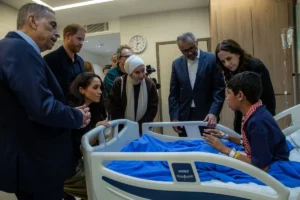
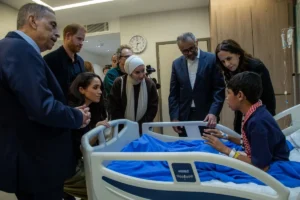
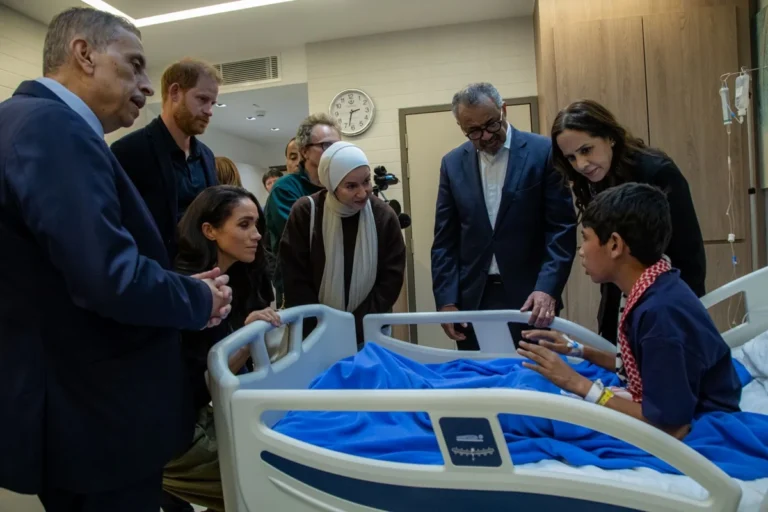
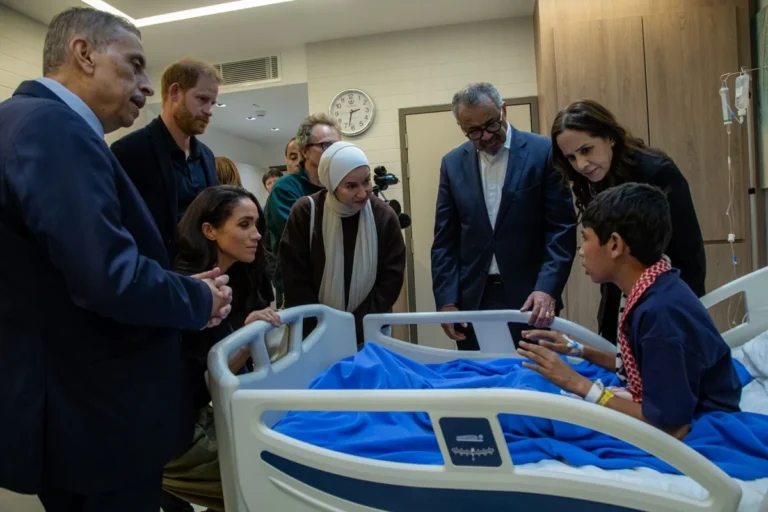
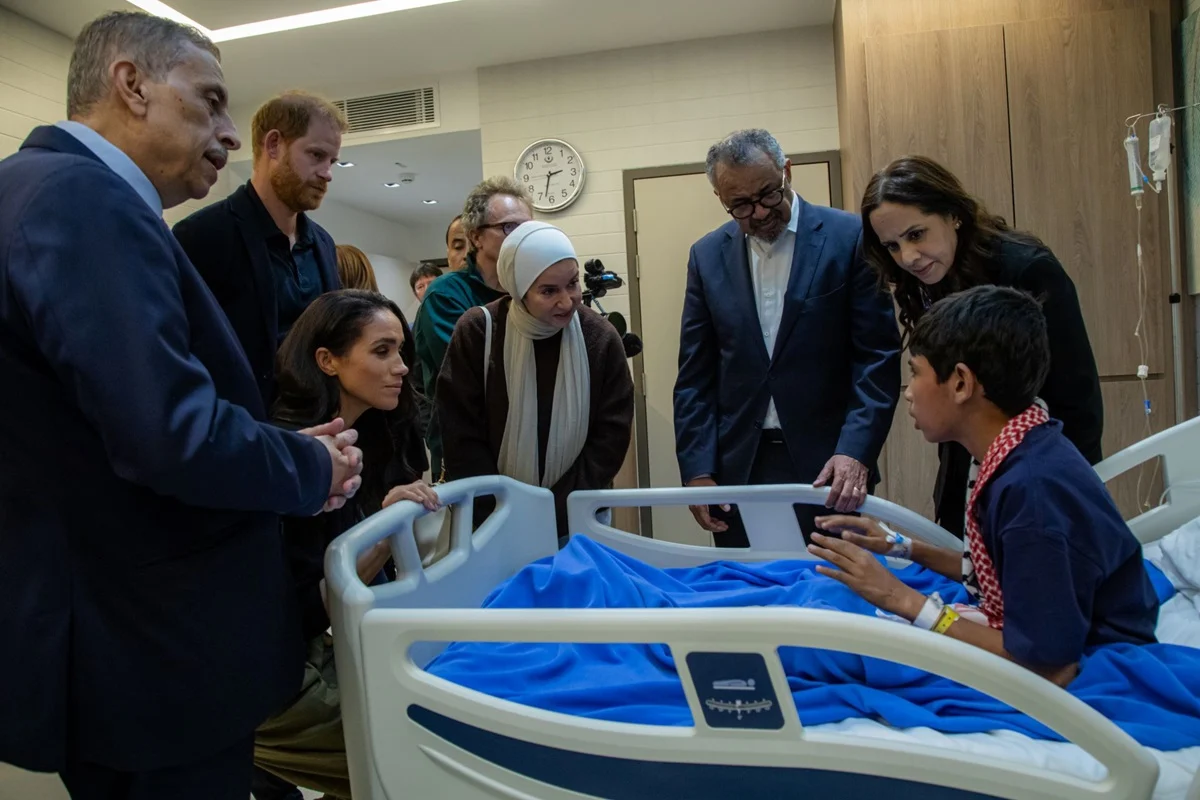
During the initial day of his itinerary, Dr. Tedros visited a medical facility in Jordan that receives substantial support from the WHO, specializing in providing advanced care to children who have been medically evacuated from Gaza. This poignant visit allowed him to interact with young patients and their families, as well as the dedicated frontline healthcare professionals who administer life-saving treatments for severe injuries, oncological conditions, and other critical ailments. The experience vividly illustrated the indispensable nature of the medical evacuation pathway facilitated through Jordan, reinforcing the urgent call for sustained international backing to ensure that children and other vulnerable individuals can continue to access crucial medical attention. This corridor represents a lifeline for those facing dire medical circumstances, highlighting Jordan’s indispensable role as a regional medical hub.
Further demonstrating the collaborative spirit, the Director-General convened a high-level assembly that brought together key health partners, representatives from donor nations, various United Nations agencies, and philanthropic organizations. The primary objective of this gathering was to delineate and prioritize financing strategies essential for the ongoing enhancement of Jordan’s health system and for sustaining humanitarian health interventions. A significant component of these discussions revolved around scaling up mental health services and extending robust support to countries, such as Jordan, that bear the substantial burden of hosting large refugee populations. Dr. Tedros acknowledged the strong collaborative ties and the enduring commitment demonstrated by all partners to invest in health initiatives both within Jordan and across the wider region, recognizing these investments as critical for long-term stability and well-being.
Parallel to these multilateral engagements, Dr. Tedros also held a series of bilateral discussions with the Jordanian Minister of Health. These conversations focused specifically on targeted strategies for reinforcing Jordan’s national health system and accelerating progress towards achieving universal health coverage. Jordan has distinguished itself as a global leader in adopting a primary healthcare-centered approach to realize UHC, notably through the proactive integration of mental health services into routine care pathways. This ensures that individuals can access vital mental health support as an integral component of their overall healthcare, thereby destigmatizing and normalizing mental well-being. The WHO continues to actively support these pioneering efforts through its Director-General’s Special Initiative for Mental Health, an ambitious global program aimed at elevating mental health to a position of parity with physical health.
A notable aspect of Dr. Tedros’s engagements involved the participation of Prince Harry, Duke of Sussex, and Meghan, Duchess of Sussex. They joined several key events in their capacities as co-founders of Archewell Philanthropies and as long-standing advocates for the WHO’s mission. Archewell Philanthropies has a demonstrated history of supporting a diverse range of WHO initiatives, spanning from efforts to ensure equitable access to COVID-19 vaccines globally, to facilitating medical evacuations, and championing mental health programs worldwide. Prince Harry, in particular, participated as a vocal ally of WHO’s work on mental health, emphasizing the critical importance of sustained investment in mental health support across all communities and within emergency settings. He drew specific attention to the often-overlooked mental health needs of men, young people, and children, advocating for tailored interventions for these vulnerable groups.
Reflecting on their involvement, Dr. Tedros publicly acknowledged the significant contributions of the Duke and Duchess. He stated that their unwavering commitment to mental health advocacy and humanitarian action has been instrumental in generating vital visibility, mobilizing crucial resources, and instilling hope within some of the world’s most vulnerable communities. Their collaborative efforts, he underscored, are playing a pivotal role in advancing WHO’s overarching mission of ensuring health for all, irrespective of circumstance or geography.
Prince Harry, in turn, expressed his profound honor at joining the WHO Director-General in Jordan, describing the nation as an exemplary model of compassion, resilience, and innovation. He recounted that through the work undertaken by Archewell Philanthropies, both he and his wife have directly witnessed the tangible positive impact of WHO’s comprehensive efforts to support mental well-being and to deliver life-saving care in the most challenging emergency scenarios. He reiterated their deep personal commitment to fostering greater awareness, actively reducing the pervasive stigma surrounding mental health, and broadening access to essential mental health support for all individuals affected by conflict and crisis. Prince Harry emphasized that mental health is not merely an auxiliary concern but is, in fact, fundamental to the processes of recovery, the restoration of dignity, and the attainment of long-term peace. He concluded by affirming their pride in standing alongside WHO and its global partners to elevate mental health to a position of truly global priority.
The second day of Dr. Tedros’s visit was designed to further explore the breadth of Jordan’s healthcare and social support infrastructure. His itinerary included a tour of Jordan’s National Center for Rehabilitation of Addicts, a facility that benefits from WHO support and provides a holistic spectrum of integrated medical, psychological, and social services. This visit highlighted Jordan’s comprehensive approach to public health challenges, extending beyond immediate crises to address underlying social determinants of health. Additionally, he was scheduled to engage with influential community leaders and various women’s groups, including representatives from the Jordanian Hashemite Fund for Human Development. These interactions aimed to shed light on local initiatives and grassroots efforts to promote well-being and empowerment. A significant engagement also involved a visit to the renowned King Hussein Cancer Center, where discussions focused on advancements in cancer care and strategies for fostering regional collaboration in oncology, an area of critical importance given the rising incidence of non-communicable diseases.
The culmination of the two-day State visit was marked by additional engagements with key partners actively supporting humanitarian operations. These final meetings served to powerfully reinforce Jordan’s absolutely critical and multifaceted role as an indispensable hub for medical evacuation, a frontline responder in emergency situations, and a beacon of health system resilience across the entire region. Jordan’s strategic location, coupled with its unwavering humanitarian ethos, positions it as an essential actor in addressing complex health challenges that transcend national borders, making its partnership with the WHO not just beneficial, but fundamentally indispensable for regional stability and global health security.
About the Author