The simple pleasure of a perfectly crafted doughnut, warm and fragrant straight from the fryer, represents a culinary ideal that has captivated palates for generations. In an era where efficiency often supersedes traditional methods in the food service industry, particularly within large-scale operations, the commitment to daily, in-house fresh frying has become a distinguishing hallmark for select establishments. While countless independent bakeries across the globe proudly uphold this artisanal standard, a noteworthy collection of national donut chains continues to prioritize this labor-intensive process, ensuring their customers consistently receive a product that embodies peak flavor and texture. This dedication stands in stark contrast to the common practice among many larger chains, which often rely on pre-made dough, frozen products, or off-site baking to streamline operations and reduce costs.
The allure of a freshly fried doughnut stems from a complex interplay of sensory experiences. The exterior, typically a delicate crisp, gives way to a tender, airy interior. The warmth enhances the subtle nuances of the dough, whether yeast-risen or cake-based, and allows glazes and toppings to melt and meld, creating a harmonious symphony of sweetness and texture. Furthermore, the unmistakable aroma of frying dough fills the air, creating an inviting atmosphere that beckons patrons. This ephemeral quality is precisely why the pursuit of "fresh" remains paramount for discerning consumers and why the chains committed to this standard cultivate a fiercely loyal following. Maintaining this level of freshness across multiple locations requires significant investment in equipment, skilled personnel, and rigorous operational procedures, making the commitment of these larger entities particularly commendable.
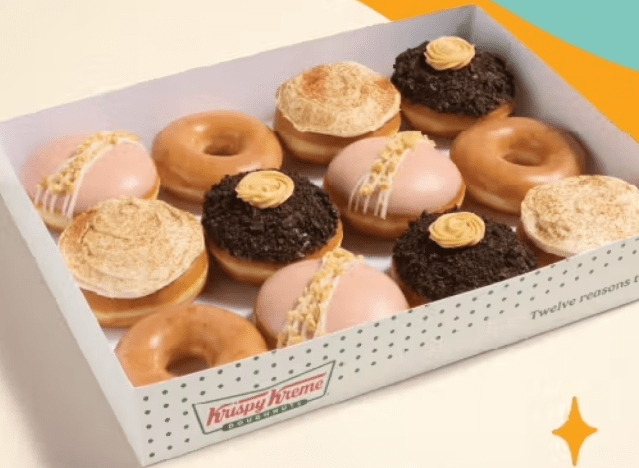
Among the titans of the doughnut world, Krispy Kreme stands as an iconic testament to the power of a hot, fresh treat. Established in Winston-Salem, North Carolina, in 1937, the company built its enduring legacy on its Original Glazed doughnut, renowned for its melt-in-your-mouth experience directly off the production line. The distinctive "Hot Light" sign, illuminating when a new batch of doughnuts is being prepared, has become a cherished beacon for enthusiasts, signaling the immediate availability of these warm, sweet confections. This interactive element of their retail experience is a deliberate part of their brand strategy, inviting customers to witness the "doughnut theater" where yeast-raised dough is proofed, fried, and then cascaded through a waterfall of sugary glaze. This continuous, visible production model ensures that Krispy Kreme customers can frequently enjoy their signature product at its optimal temperature and freshness throughout operating hours, a practice deeply embedded in their corporate ethos since their inception. Their global expansion has not diluted this core principle, with individual stores maintaining local frying capabilities to deliver on this promise of consistent, fresh quality.
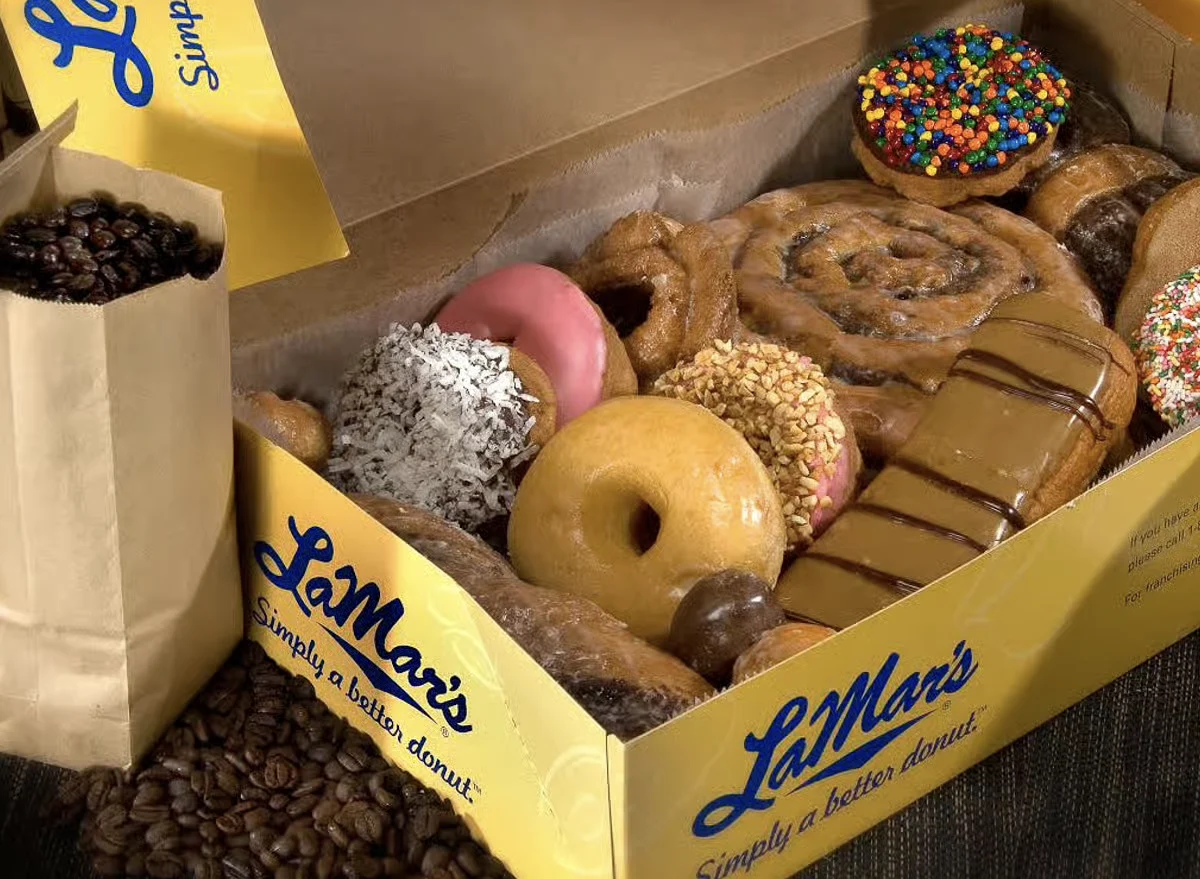
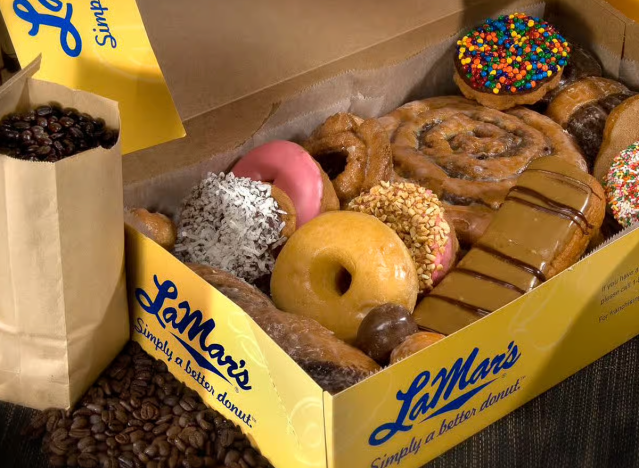
Another purveyor deeply rooted in the tradition of handcrafted quality is LaMar’s Donuts. Originating in Kansas City, Missouri, with Ray LaMar opening his first dedicated doughnut shop in 1960 after years of refining his recipes, LaMar’s has cultivated a reputation for classic, generously sized doughnuts made with meticulous care. The company prides itself on its bakers’ hands-on approach, emphasizing that every single batch of dough is prepared from scratch daily, then hand-cut and fried to perfection. This commitment to traditional baking methods results in a wide variety of consistently high-quality doughnuts, from classic glazed to unique filled options. LaMar’s philosophy, as articulated by the brand, revolves around "care, tradition, and a whole lot of love," underscoring the artisanal pride instilled in each product. This dedication ensures that the freshness and distinctive texture that define their offerings are present in every bite, cementing their status as a regional favorite with a growing national footprint, appealing to those who appreciate time-honored techniques.
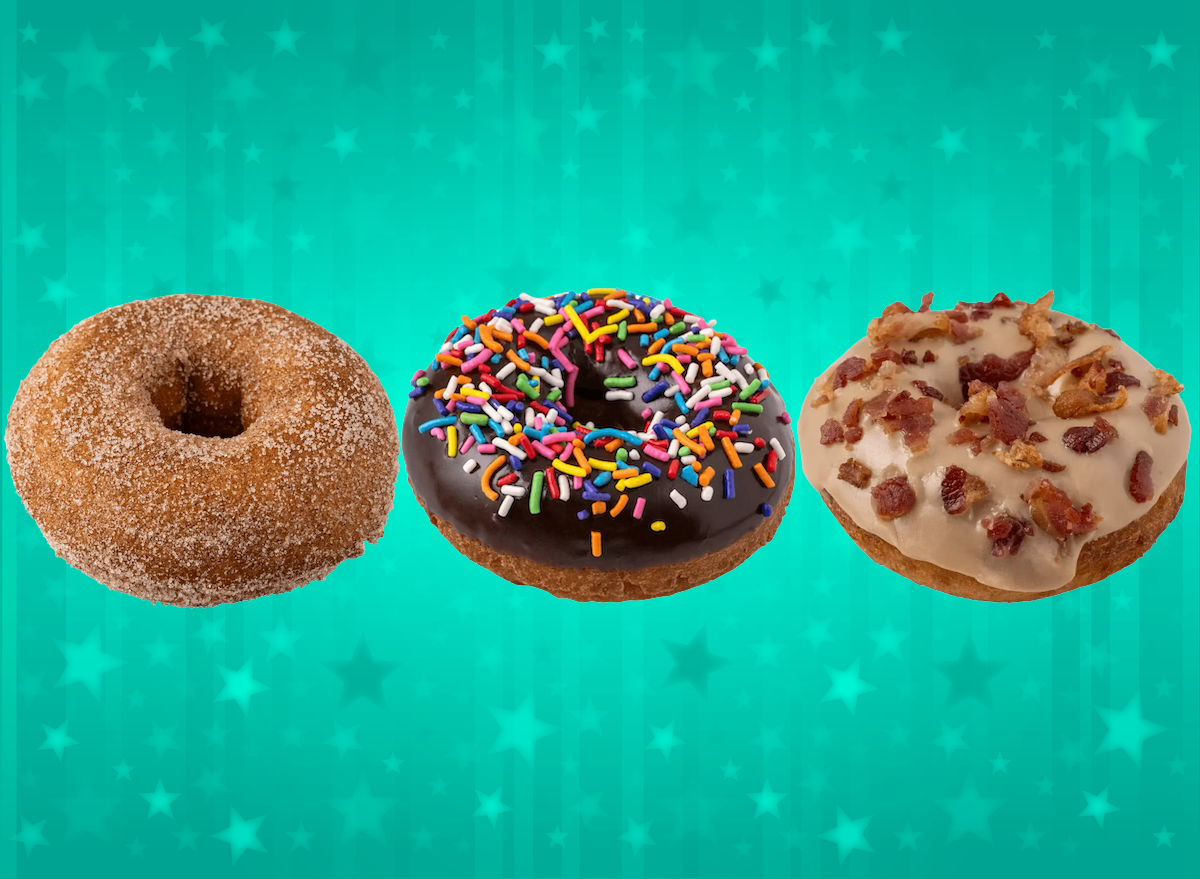
Shifting to a more personalized approach, Duck Donuts distinguishes itself by frying its cake-style doughnuts to order for each customer. Founded in Duck, North Carolina, in 2007, this chain capitalizes on the ultimate expression of freshness: immediate consumption after preparation. Upon ordering, patrons select their desired toppings, glazes, and drizzles, and their individual doughnut is then cooked, decorated, and handed over warm. This made-to-order model eliminates the possibility of stale products and creates an interactive and highly customizable experience. The characteristic crisp exterior and soft, warm interior of their vanilla cake doughnuts serve as the perfect canvas for a myriad of flavor combinations, ranging from classic cinnamon sugar to adventurous maple bacon. The immediate frying process means the glazes melt perfectly onto the warm surface, enhancing flavor absorption and providing a unique textural experience that has garnered fervent praise from customers who laud its addictive quality and unparalleled freshness compared to other establishments.
For those seeking a taste of enduring American doughnut culture, Winchell’s Donut House represents a venerable institution, particularly across the Western United States. Established in Southern California in 1948 by Verne Winchell, the chain quickly grew, becoming a familiar presence with its distinctive red-and-white branding. A significant number of Winchell’s locations operate 24 hours a day, offering freshly fried doughnuts and coffee at any hour, day or night. This round-the-clock commitment to production ensures that whether it’s a morning commute or a late-night craving, customers can always find a wide selection of their beloved classics, including traditional glazed, old-fashioned, and various cake and raised doughnuts, prepared fresh. This continuous frying schedule caters to a diverse clientele, from early risers to graveyard shift workers, solidifying Winchell’s role as a consistent provider of freshly baked goods, a legacy maintained through decades of operation and a testament to their dedication to daily, in-house preparation.
Finally, Voodoo Doughnut brings a vibrant, unconventional flair to the world of fresh-fried confections, proving that artisanal quality can coexist with eccentric creativity. Born in Portland, Oregon, in 2003, Voodoo Doughnut quickly gained notoriety for its quirky themes, outlandish toppings, and a commitment to making every single doughnut from scratch, day and night. Their bakers are constantly engaged in hand-cutting, rolling, dipping, and decorating over 35 unique creations, including an extensive line of vegan options. This round-the-clock production schedule ensures that whether a customer visits at dawn or in the late hours, they are presented with a truly fresh product. Voodoo Doughnut’s success lies not just in its memorable branding and inventive flavor profiles—like the "Bacon Maple Bar" or "Voodoo Doll" doughnut—but also in its foundational adherence to traditional, labor-intensive methods that guarantee freshness. This blend of novelty and genuine culinary craftsmanship has allowed Voodoo Doughnut to expand from a local cult favorite to a recognized national chain, each location maintaining the same high standards of daily, in-house preparation.
In conclusion, while the industrialization of food production has led many businesses to compromise on traditional preparation methods, these five national donut chains stand out for their unwavering commitment to daily fresh frying. Each, in its own unique way—from Krispy Kreme’s "Hot Light" experience to Duck Donuts’ made-to-order customization, LaMar’s traditional craftsmanship, Winchell’s 24/7 availability, and Voodoo Doughnut’s unconventional artistry—demonstrates that scale and quality need not be mutually exclusive. Their dedication not only preserves a beloved culinary tradition but also consistently delivers an unparalleled sensory experience to consumers who continue to seek and savor the authentic taste of a truly fresh, warm doughnut. This commitment underscores a broader consumer trend favoring transparency, quality, and traditional preparation in the modern food landscape.
About the Author