Maintaining robust lower body strength is a critical, yet often underestimated, component of healthy aging, directly influencing an individual’s capacity for independent living and overall quality of life as they advance beyond 65 years. The ability to perform everyday tasks, from rising from a low chair to navigating stairs or simply walking confidently, hinges significantly on the power and endurance of the muscles in the thighs, hips, and glutes. These muscle groups, unfortunately, are among the first to experience significant decline in the absence of consistent strength training, a phenomenon known as sarcopenia. This age-related muscle loss often progresses subtly, making its onset difficult to detect until its effects manifest as noticeable reductions in functional capacity and increased vulnerability to falls.
A straightforward, equipment-free assessment, commonly referred to as the wall sit or chair sit test, offers a valuable means for individuals over 65 to gauge their current lower body strength and muscular endurance. This isometric exercise places the quadriceps, gluteal muscles, and hamstrings under sustained tension, providing a clear indicator of how well these vital muscle groups can perform. The National Institute on Aging consistently highlights the importance of such muscular endurance in fostering stability and balance, crucial elements in fall prevention and maintaining an active lifestyle throughout one’s later years. Understanding one’s baseline performance in such a test can serve as an empowering starting point for proactive health management.
The physiological process of muscle mass reduction typically commences in an individual’s thirties, accelerating notably after the age of 60. This progressive loss, if left unchecked, can lead to a cascade of negative health outcomes. Weakness in the legs, in particular, is a powerful predictor of several adverse events in older adults, including an elevated risk of falls, impaired mobility, and a diminished ability to live independently. The implications extend beyond physical limitations; the loss of the capacity to engage in previously enjoyed activities can lead to social isolation, reduced mental well-being, and a general decline in life satisfaction. However, the encouraging news is that muscle tissue remains remarkably responsive to exercise, irrespective of age. Research consistently demonstrates that older adults, even those in their 70s, 80s, and beyond, possess the physiological capacity to build and regain significant levels of strength through targeted training. A benchmark test like the wall sit not only provides a tangible measure of current fitness but also serves as a potent motivator to engage in and maintain a regular strength-building regimen.
To elaborate on the practical application and interpretation of this vital assessment, we consulted James Brady, CPT, a certified personal trainer at OriGym. Brady underscores the test’s utility in providing accessible insights into an individual’s lower body fitness. "For most healthy adults exceeding 65 years of age," Brady states, "sustaining a chair sit position with correct form for a duration of 30 to 45 seconds signifies commendable lower body strength and endurance." He further notes that "achieving a hold time of 60 seconds or more represents an exceptional outcome, indicative of leg strength significantly surpassing the average for one’s age group." These benchmarks offer a practical framework for individuals to assess their current standing and set realistic goals for improvement.
Executing the Wall Sit Test with Precision:
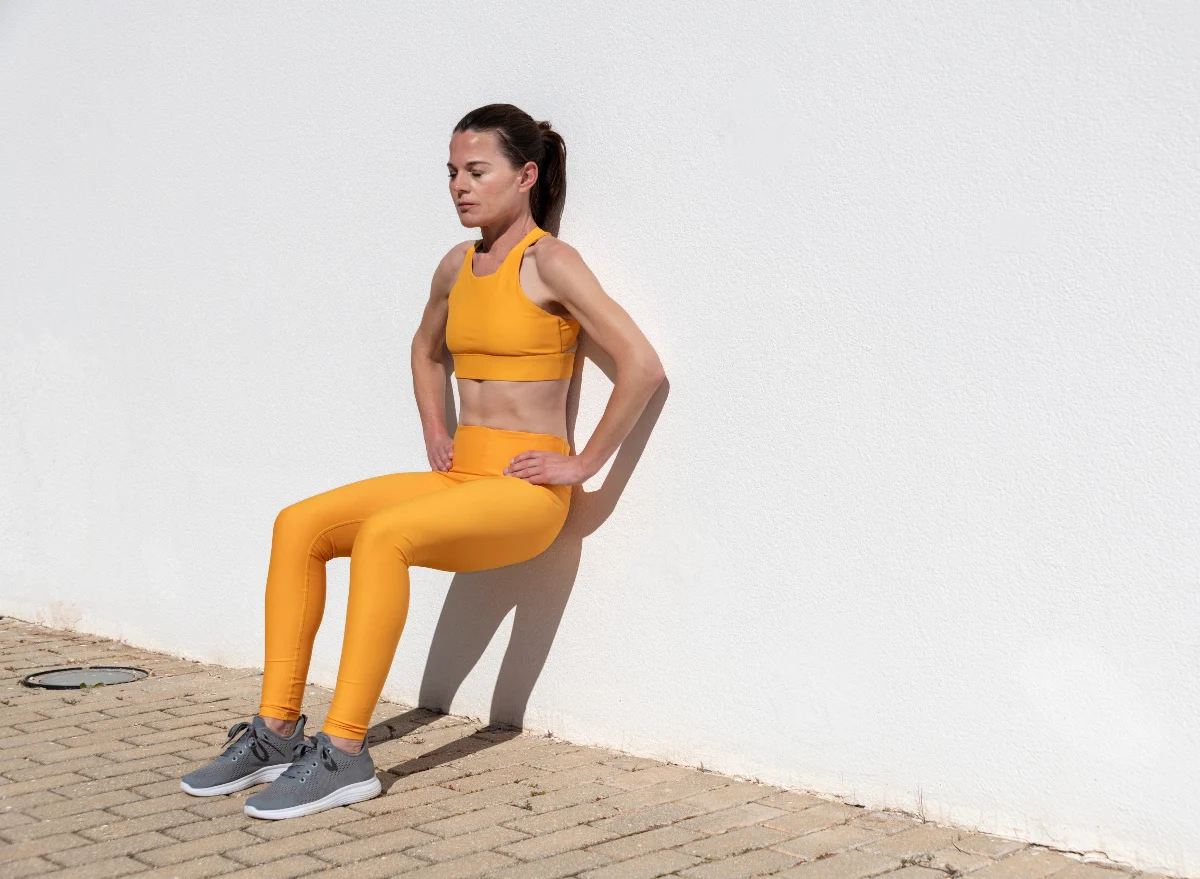
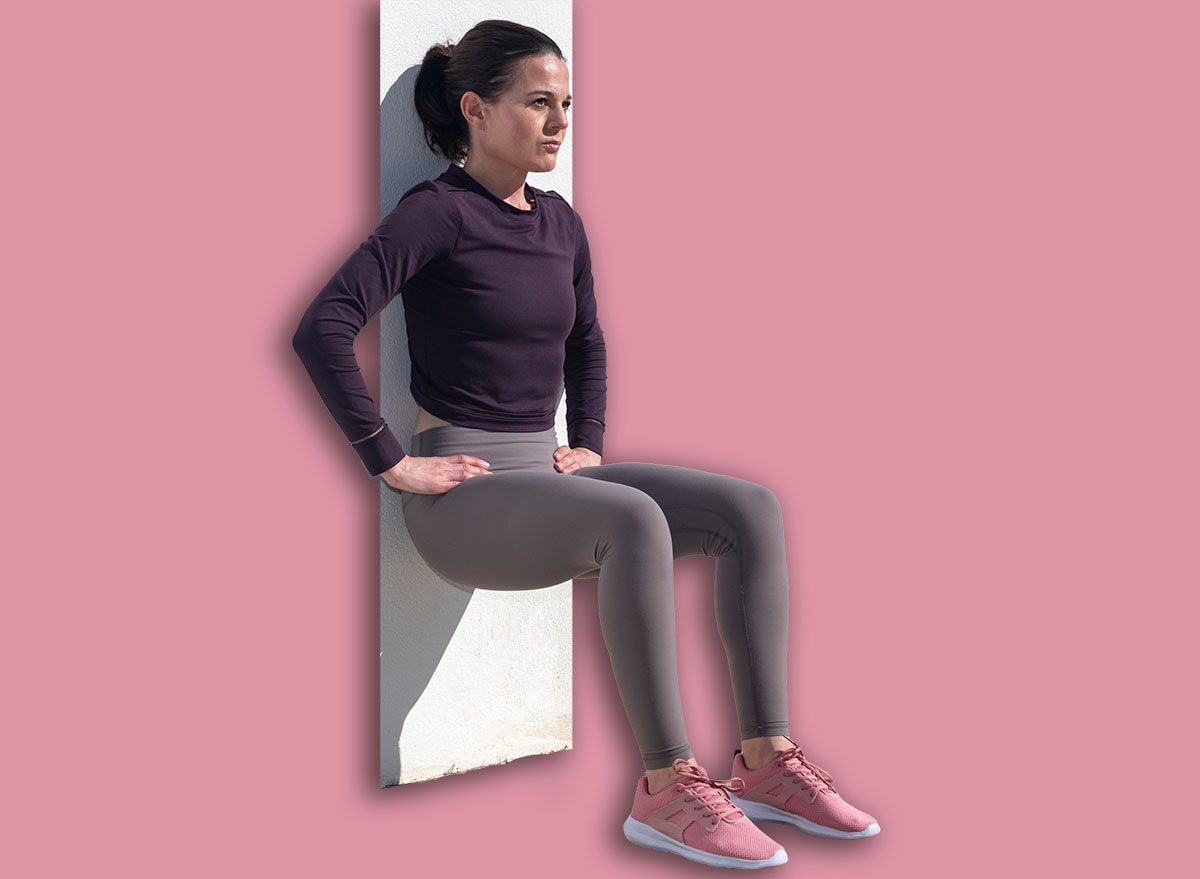
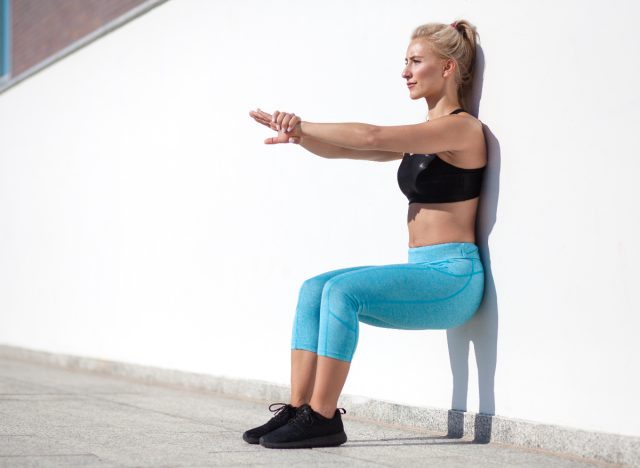
Proper form is paramount not only for an accurate assessment but also for safety. To perform the wall sit:
- Positioning: Begin by standing with your back flat against a sturdy wall. Your feet should be positioned approximately shoulder-width apart and a comfortable distance from the wall, typically about two feet.
- Descent: Slowly slide down the wall until your knees are bent at a 90-degree angle, mimicking the posture of sitting in an invisible chair. Ensure your thighs are parallel to the floor.
- Alignment: Crucially, your knees should be directly above your ankles, and your back must remain pressed firmly against the wall throughout the exercise. Your arms can rest comfortably at your sides or across your chest.
- Hold: Initiate a timer and maintain this seated position for as long as possible, keeping your core engaged and your breathing steady.
- Termination: Stop the timer when your form begins to break (e.g., thighs rise above parallel, back arches away from the wall, or significant discomfort occurs). Record your elapsed time.
It is advisable to perform this test in a well-lit, open space, ensuring no obstacles are nearby. Individuals with pre-existing knee or hip conditions should consult a healthcare professional before attempting the exercise. For those new to the movement or with limited strength, a modified approach, such as starting with a shallower squat (e.g., knees at a 120-degree angle) or using a sturdy chair placed behind them for support during the descent, can be beneficial. The goal is a safe and accurate measurement of current capability.
Strategies for Enhancing Your Performance:
If your initial hold time falls short of your aspirations, or if you simply wish to build upon your existing strength, consistent and progressive effort is key. James Brady advises individuals new to the exercise to commence with manageable holds, perhaps 15 to 20 seconds, and gradually extend the duration over several weeks. He emphasizes treating the test not as a definitive, one-time score, but as a dynamic benchmark. Regular retesting, perhaps every few weeks, allows individuals to monitor their progress and remain motivated as their leg strength improves.
The ultimate objective extends beyond merely accumulating a longer hold time. "The fundamental aim is to fortify the muscles that provide essential support to your knees and hips," Brady explains. "This makes daily movements not only feel less strenuous but also significantly more stable." As your capacity to hold the wall sit position for longer periods increases, the functional improvements will likely translate directly into everyday activities. You may find rising from a deep sofa easier, ascending a flight of stairs with greater confidence, or simply feeling more secure and balanced during routine tasks. These are the tangible dividends of improved lower body strength, contributing profoundly to sustained autonomy.
To truly build enduring lower body strength, incorporating a variety of exercises beyond just the wall sit is highly recommended. While the wall sit is excellent for isometric strength and endurance, dynamic movements are equally important for functional power and flexibility. Consider integrating:

- Chair Squats: Using a sturdy chair, practice sitting down and standing up slowly and with control. This mimics a fundamental daily movement and can be progressed by reducing reliance on hands.
- Glute Bridges: Lying on your back with knees bent and feet flat, lift your hips off the floor, engaging your glutes. This strengthens the posterior chain, vital for walking and stability.
- Calf Raises: Holding onto a wall or chair for balance, lift onto the balls of your feet. Strong calves are crucial for balance and propulsion.
- Resistance Band Exercises: Loop resistance bands around your ankles or thighs for exercises like lateral walks or leg extensions, adding progressive resistance without heavy weights.
- Walking and Aerobic Activities: Regular walking, swimming, or cycling also contribute to overall leg health, endurance, and cardiovascular fitness, complementing strength training efforts.
Consistency is paramount. Aim for at least two to three strength training sessions per week, allowing for adequate rest between sessions for muscle recovery and growth. While intensity is important, beginning with proper form and gradually increasing the challenge (e.g., adding more repetitions, sets, or resistance) is a safer and more effective approach. Furthermore, adequate protein intake is crucial for muscle repair and synthesis, especially in older adults. Consulting a registered dietitian or healthcare provider can help tailor nutritional strategies to support muscle health.
The Broader Implications for Lifelong Vitality:
Investing in lower body strength through exercises like the wall sit and complementary routines offers a profound return. Beyond preventing falls and preserving mobility, robust leg strength contributes to better metabolic health, improved bone density, and even enhanced cognitive function. Active seniors are more likely to maintain social connections, pursue hobbies, and experience a higher degree of self-efficacy, leading to a more fulfilling and engaged life. The proactive management of muscle health is not merely about extending lifespan but significantly enriching healthspan – the years lived in good health and with full functional capacity. By embracing simple, accessible assessments and consistent physical activity, individuals over 65 can take powerful steps toward securing a future characterized by vitality, independence, and sustained enjoyment of life.
About the Author