McDonald’s, a global titan in the quick-service restaurant industry, has built its empire on consistency, accessibility, and a constantly evolving menu. Over its extensive history, the chain has introduced countless items, some becoming iconic staples while others embarked on a fleeting journey before disappearing from the golden arches. The rationale behind these culinary departures is multifaceted, often driven by factors such as fluctuating consumer preferences, operational complexities, supply chain considerations, or even a strategic pivot towards perceived healthier alternatives. While many such vanished offerings fade quietly into oblivion, a select few ignite an enduring yearning among loyal patrons, who frequently voice their desire for a permanent return. These particular items transcend mere food; they are interwoven with personal histories and collective memories, transforming into nostalgic symbols that continue to resonate deeply within the public consciousness.
One of the most vociferously requested resurrections is the McRib, a sandwich that has achieved legendary status not just for its distinctive taste but also for its enigmatic, periodic appearances. Introduced in 1981, this boneless pork patty, shaped to resemble a rack of ribs, is generously slathered in tangy barbecue sauce, crowned with sliced pickles and onions, and served on a toasted hoagie-style bun. Unlike many discontinued items, the McRib rarely vanishes entirely; instead, it embarks on limited-time engagements, often sparking a frenzy among its dedicated followers. This strategic scarcity has, paradoxically, fueled its cult following, transforming its return into a highly anticipated event, sometimes even marketed as a "farewell tour." The transient nature of the McRib creates a sense of urgency and exclusivity, driving both sales and widespread social media conversation, effectively leveraging nostalgia as a powerful marketing tool. This approach exemplifies how McDonald’s can harness fan passion, turning a temporary offering into a recurring cultural phenomenon that generates significant buzz and customer engagement each time it graces the menu.
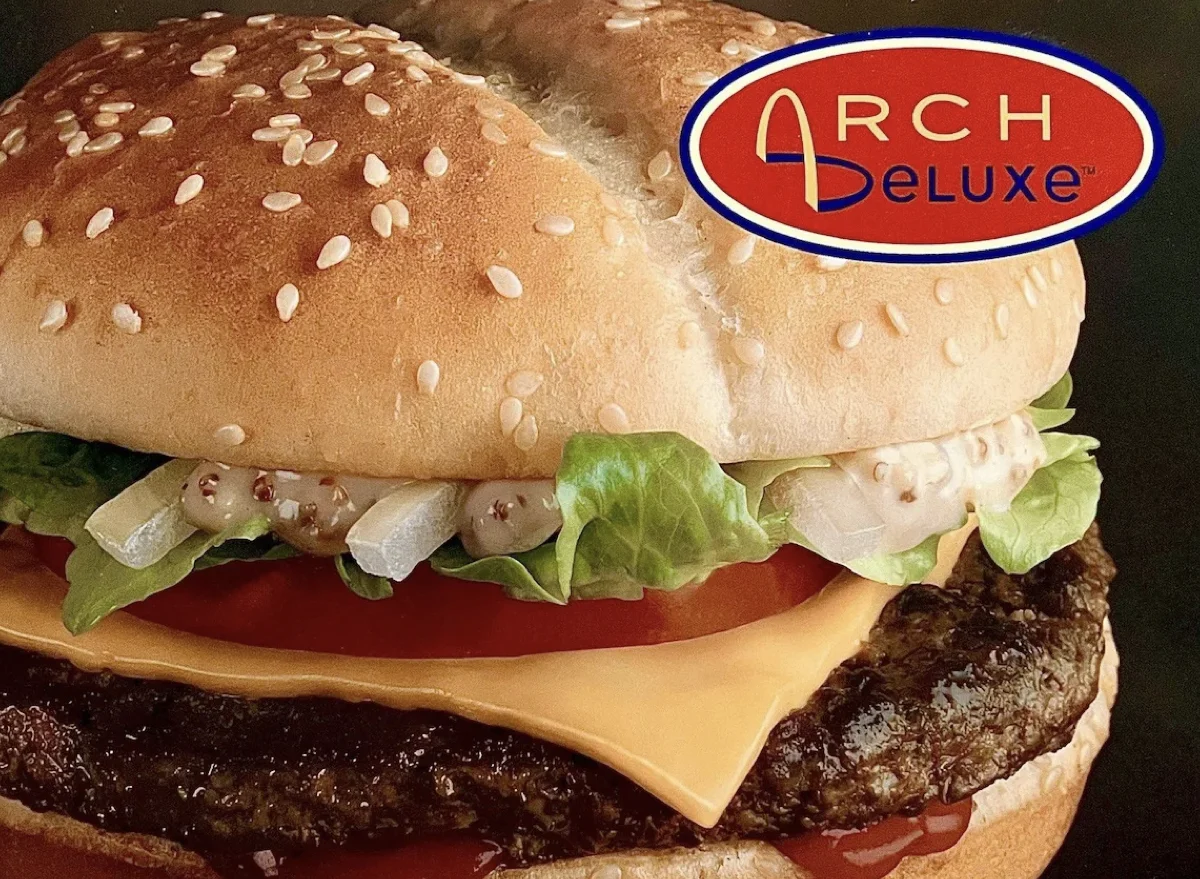
In stark contrast to the McRib’s strategic comebacks, the Arch Deluxe represents a ambitious but ultimately unsuccessful venture into the "adult" fast-food market. Launched in 1996, this premium burger was an attempt by McDonald’s to attract a more mature demographic, diverging from its traditional family-centric marketing. It featured a quarter-pound beef patty, a distinctive mustard-mayonnaise sauce, cheese, peppered bacon, lettuce, tomato, and onions, all nestled within a sesame seed bun. The Arch Deluxe was supported by an unprecedented marketing budget, reportedly around $300 million (equivalent to over $600 million in today’s currency), making it one of the largest advertising campaigns in fast-food history. Despite this colossal investment and the culinary efforts of its creator, chef Andrew Selvaggio, who aimed to deliver a "better burger" experience, the Arch Deluxe failed to capture the public’s imagination. Its perceived higher price point, complex flavor profile, and marketing that alienated its core child demographic contributed to disappointing sales, leading to its eventual discontinuation by 2000. Yet, even decades later, some enthusiasts recall its unique peppery notes and sophisticated taste, expressing a longing for its distinctive flavor profile that they believe was ahead of its time.
Another item whose absence is keenly felt is the original Deep-Fried Apple Pie. For generations, this crispy, hot dessert was a beloved fixture, known for its piping hot, sweet apple filling encased in a golden, flaky, deep-fried crust. In the early 1990s, however, McDonald’s in the United States made a significant shift, replacing the deep-fried version with a baked alternative, citing health considerations and changing consumer preferences for lighter options. While the baked apple pie remains a menu item, it simply does not replicate the textural experience of its fried predecessor. Patrons fondly remember the satisfying crunch and the almost caramelized exterior of the original, a sensory experience that the baked version, despite its merits, cannot quite achieve. The sentiment is so strong that some overseas McDonald’s locations, where the deep-fried version persists, become pilgrimage sites for nostalgic travelers. When the fried pie occasionally makes limited-time returns to select U.S. markets, it is met with widespread excitement, underscoring the deep affection for this classic treat and the power of its textural memory.
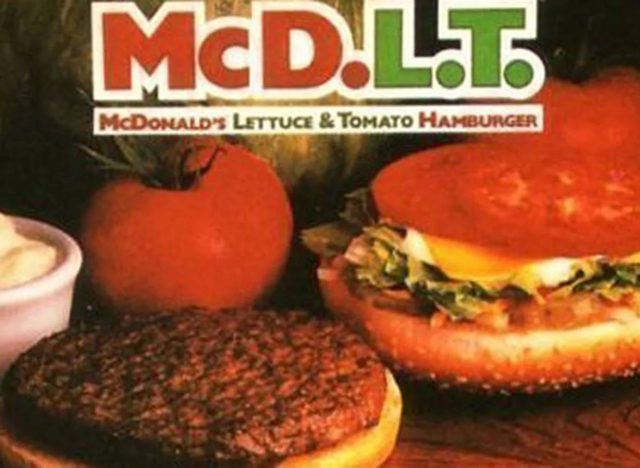
The McDLT, a product of late 1980s innovation, attempted to solve a common burger dilemma: how to keep hot ingredients hot and cold ingredients cold. This sandwich featured a beef patty, cheese, and bun in one compartment of a specially designed Styrofoam container, while lettuce, tomato, pickles, and sauce resided in the other. The idea was that customers would assemble the burger themselves just before eating, ensuring optimal temperature and freshness for all components. While conceptually ingenious, the McDLT’s environmental footprint ultimately led to its downfall. The dual-compartment Styrofoam packaging, deemed unsustainable and wasteful, became a significant point of contention for environmental groups and increasingly eco-conscious consumers. By the early 1990s, facing growing public pressure and evolving corporate responsibility standards, McDonald’s phased out the McDLT. Despite its short lifespan, the sandwich is remembered not just for its unique presentation but also as an early example of how environmental concerns began to influence fast-food packaging and product decisions, long before such considerations became mainstream.
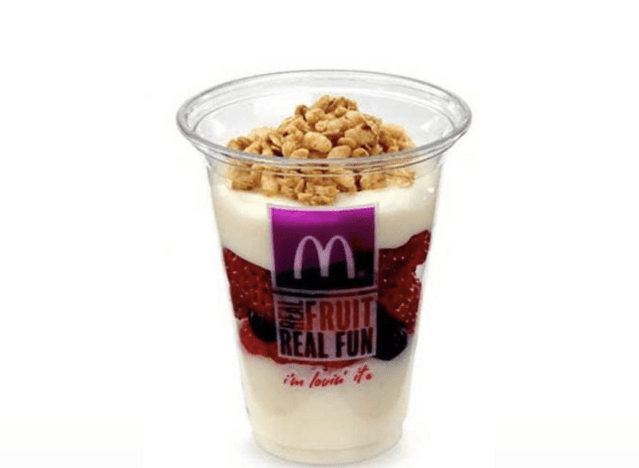
The Fruit ‘n Yogurt Parfait represented McDonald’s foray into lighter, breakfast-friendly options, aiming to cater to a demographic seeking more wholesome choices. For many years, this layered delight, comprising sweet vanilla yogurt, granola, and a medley of frozen berries (often strawberries and a scattering of blueberries), was a consistent presence on the menu. Its appeal lay in its simplicity, perceived healthfulness, and a unique combination of textures—the creamy yogurt, the slight crunch of granola, and the "slightly soggy" yet sweet fruit that developed as it thawed. For some, it was a comforting childhood favorite or a convenient grab-and-go breakfast item. Despite its long run and a seemingly loyal customer base, the parfait was eventually removed from the menu, a decision that surprised and disappointed many who appreciated its distinct flavor profile and convenience. The absence of such a straightforward, customizable, and relatively fresh option leaves a noticeable gap for patrons who prefer alternatives to traditional fried or carb-heavy breakfast fare.
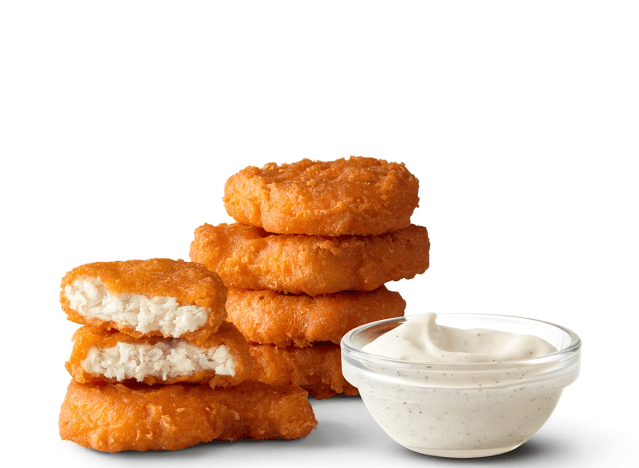
In a more recent development, the Spicy Chicken McNuggets, introduced in 2020, carved out a niche among those who crave a fiery kick with their fast food. These nuggets took the familiar crispy breading of the original Chicken McNuggets and infused it with a blend of cayenne and chili peppers, offering a much-desired spicy variation. The introduction tapped into a burgeoning trend for spicy foods within the fast-food landscape, a move that proved popular with customers looking for an elevated flavor experience. While their tenure was relatively brief, they quickly garnered a devoted following, demonstrating a strong market demand for bolder flavor profiles. This limited-time offering strategy, similar to the McRib, allows McDonald’s to test new concepts and generate excitement without committing to a permanent menu change. The success of spicy offerings, both domestically and internationally (such as the curry-infused McNuggets in Singapore, celebrated for their "fragrant, aromatic" spices), indicates a continuous appetite for innovative and regionally tailored flavors that diverge from the classic menu.
Finally, the McSalad Shakers, available from 2000 to 2003, were an early attempt by McDonald’s to make salads more accessible and convenient for on-the-go consumption. These consisted of salad ingredients layered in a tall, clear cup, along with a packet of dressing, designed to be shaken together for easy mixing and eating without a plate or bowl. Options often included a simple garden salad, a Chef salad, and a Caesar salad. The novelty of the "shaker" concept initially appealed to many, particularly children and those seeking a quick, lighter meal during travel. Proponents highlighted the innovative packaging and the ease with which one could distribute dressing evenly, potentially using less. However, despite their perceived health benefits, many fast-food salads, including the McSalad Shakers, often contained high-calorie dressings and toppings, making them not significantly "healthier" than other menu items, a realization that gradually became more prevalent. While their practical utility was praised by some, their short operational window suggests they didn’t achieve the sustained popularity needed to remain a long-term fixture, yet they remain a distinct memory of a specific era in fast-food innovation.
The collective memory of these discontinued McDonald’s items underscores a fundamental aspect of consumer culture: food is rarely just sustenance. It is deeply intertwined with personal history, nostalgia, and a sense of shared experience. While McDonald’s continuously adapts its menu to meet contemporary tastes and operational demands, the enduring demand for these vanished favorites serves as a powerful reminder of the emotional connection consumers forge with iconic brands. Whether through strategic reintroductions or simply by remaining a topic of online discussion, these "culinary ghosts" continue to shape the narrative of one of the world’s most recognizable food chains, demonstrating that some flavors, once experienced, are truly unforgettable.
About the Author