Ranch dressing holds an undeniable, almost iconic status within American culinary culture, transcending its original role as a simple salad accompaniment to become a ubiquitous condiment. Its creamy texture, herbaceous notes, and tangy profile have cemented its position as a go-to dip for everything from crispy chicken tenders and savory pizza slices to fresh vegetable sticks. This pervasive affection for ranch is not merely a regional phenomenon; it is a national passion, frequently highlighted in viral online discussions and consumer polls that attest to its broad appeal. In an increasingly competitive dining landscape, where customer experience hinges on every detail, certain chain restaurants have distinguished themselves not only through their primary menu offerings but also by perfecting this beloved dressing, turning it into a signature element that garners fervent praise from their clientele.
The journey of ranch dressing from a dude ranch staple to a supermarket sensation began in the 1950s with Steve Henson, a plumbing contractor who developed the recipe at Hidden Valley Ranch in California. His initial blend of buttermilk, mayonnaise, and a proprietary mix of herbs and spices struck a chord, eventually leading to its commercialization and widespread adoption. Today, the market is saturated with countless variations, yet consumers consistently express a discerning palate, recognizing that not all ranch is created equal. The distinguishing factors often lie in the delicate balance of creaminess, the sharpness of the buttermilk or sour cream base, the freshness and proportion of herbs like dill, chives, and parsley, and subtle undertones of garlic and onion. For many diners, a truly exceptional ranch dressing can elevate an entire meal, transforming a standard dish into a memorable culinary experience. It is within this context that five particular national restaurant chains have emerged as leaders, earning significant accolades from their patrons for their distinctive ranch offerings.
One establishment frequently cited for its exemplary ranch dressing is Texas Roadhouse. Known primarily for its hand-cut steaks, lively atmosphere, and legendary warm yeast rolls served with cinnamon butter, this casual dining chain cultivates an image of hearty American comfort. However, its ranch dressing has quietly developed a formidable reputation of its own, often referred to by enthusiasts as a benchmark for excellence. The devotion to Texas Roadhouse’s ranch is so profound that online forums are rife with patrons and even former employees attempting to uncover or replicate its precise formula. This quest for the "real recipe" underscores the dressing’s unique appeal and the strong emotional connection diners have with it. Unlike many chains that might rely on generic, pre-packaged condiments, the perceived freshness and distinctive flavor profile of Texas Roadhouse’s ranch suggest a more thoughtful, perhaps even house-made, approach. Its robust, creamy consistency and well-balanced herbaceous tang make it an ideal accompaniment for their blooming onions, fried pickles, or as a dressing for their large salads, cementing its status as an integral part of the overall Texas Roadhouse experience. The brand’s commitment to quality extends beyond its prime cuts of meat to even the smallest details, such as their dressings, contributing significantly to customer loyalty and repeat visits.
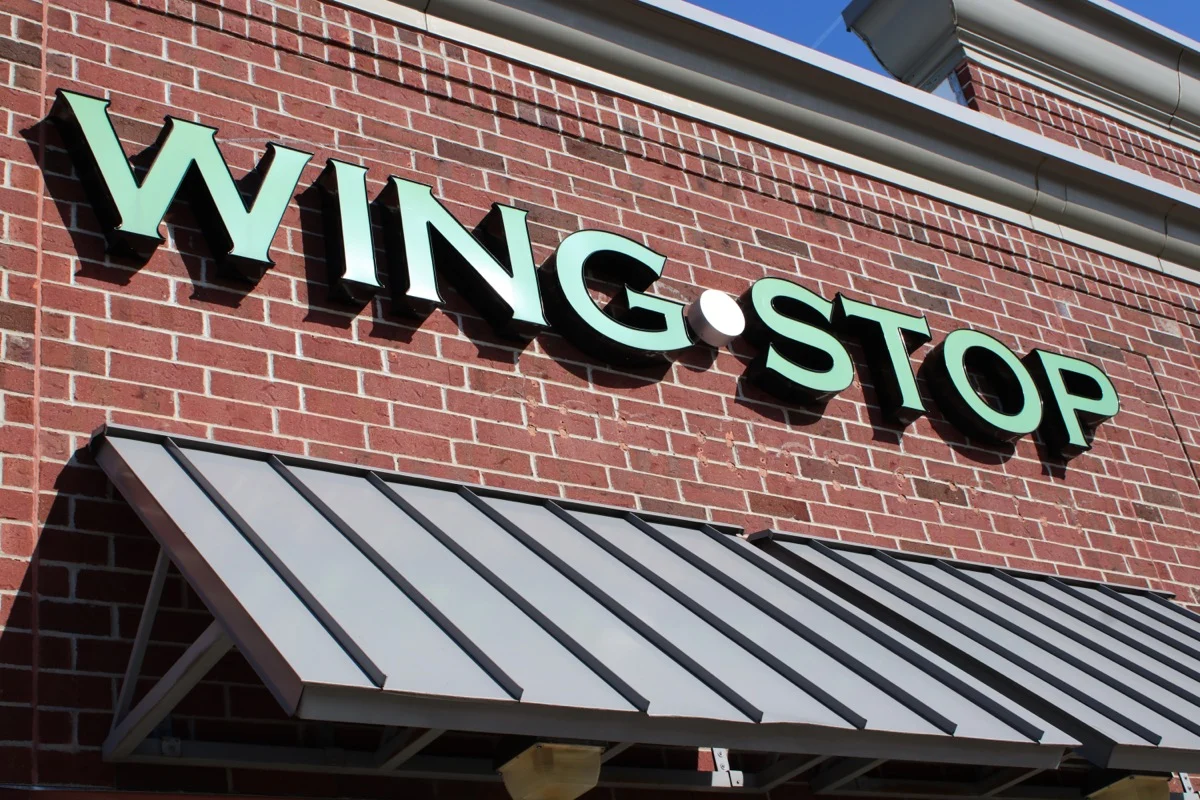
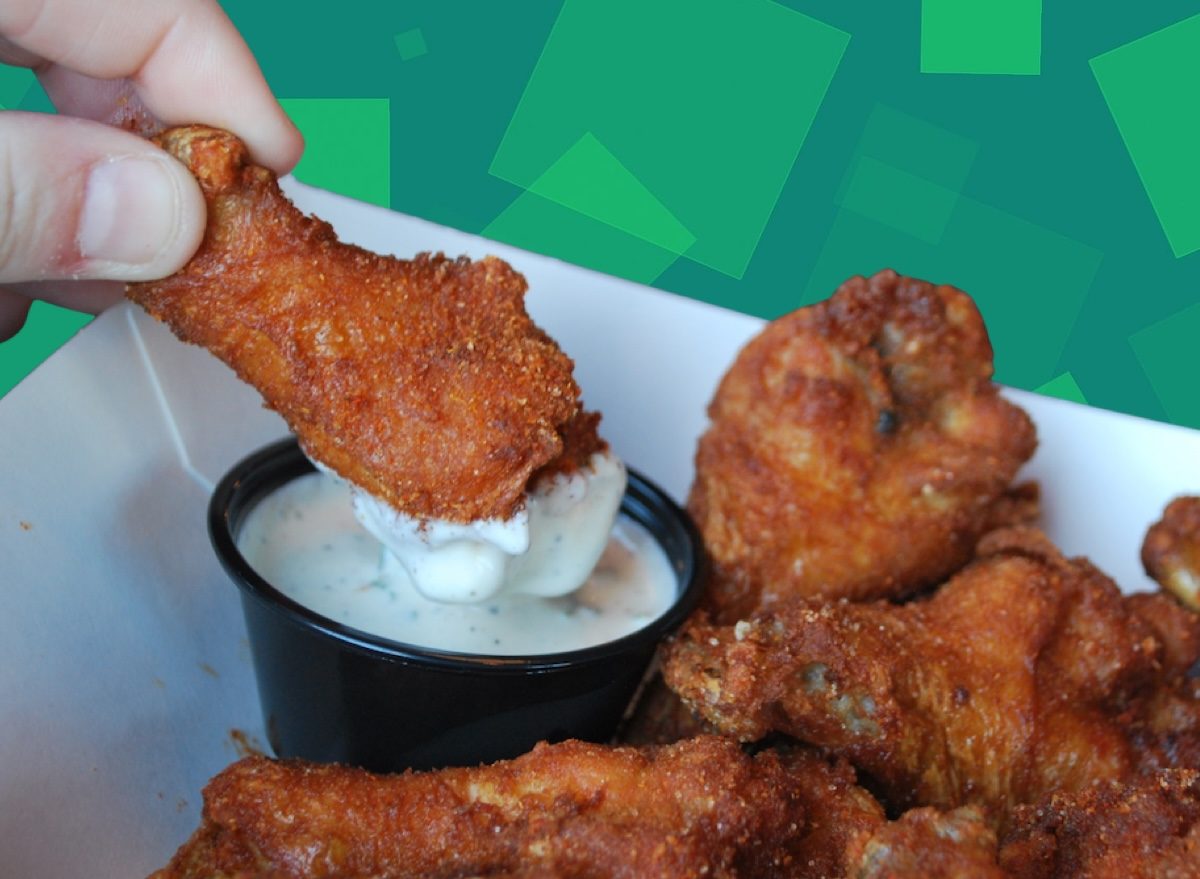
Specializing in a singular, beloved menu item, Wingstop has naturally cultivated a superior ranch dressing to complement its extensive array of chicken wing flavors. As a restaurant centered around wings—ranging from fiery hot to sweet and savory—the quality of accompanying dips is paramount. For many, a perfect wing experience is incomplete without a generous side of high-quality ranch. Wingstop’s version is consistently lauded for its rich, thick texture and a balanced flavor that provides a refreshing counterpoint to the often spicy or intensely seasoned wings. Patrons frequently highlight it in discussions about top-tier restaurant ranch, often placing it in direct comparison with other highly-rated offerings. Its ability to stand up to bold flavors without being overpowering, yet still offering a distinct, satisfying taste, is a testament to its carefully crafted recipe. The sheer volume of ranch dressing served daily across Wingstop locations speaks to its critical role in the brand’s identity and its unwavering popularity among a customer base that specifically seeks out excellent dips for their fried chicken.
Another prominent contender in the realm of highly-regarded ranch dressings is Jack in the Box. This fast-food chain, with its eclectic menu that spans burgers, tacos, and various chicken items, has carved out a niche for its distinctive offerings, including its signature buttermilk ranch. The inclusion of buttermilk is a crucial element, lending a sharper tang and a smoother, more luxurious mouthfeel compared to dressings made with a simpler dairy base. This particular nuance elevates Jack in the Box’s ranch beyond typical fast-food condiments, making it a standout for customers seeking a more sophisticated flavor profile. Patrons frequently express strong preferences for this specific buttermilk ranch, recommending it enthusiastically for dipping fries, chicken nuggets, or even their unique tacos. In the highly competitive and often standardized quick-service industry, the ability to deliver a condiment that evokes such strong positive sentiment and is repeatedly highlighted by consumers as a "best in class" option speaks volumes about its formulation and consistent quality. It underscores how even small menu components can become significant differentiators for a brand.
Popeyes Louisiana Kitchen, celebrated for its spicy fried chicken and authentic Louisiana-inspired sides, also garners significant praise for its distinctive "blackened ranch." This particular dressing stands out due to its unique flavor profile, which goes beyond the traditional ranch blend. The term "blackened" suggests an infusion of smoky, savory, and often spicy notes, likely incorporating elements of Cajun or Creole seasoning blends that are characteristic of Popeyes’ culinary heritage. This innovative twist transforms standard ranch into a more complex and exciting accompaniment, perfectly complementing the bold, often fiery flavors of their chicken and seafood offerings. The blackened ranch has cultivated a near-legendary status among its devotees, with online commentators using terms like "legendary" and "preach" to express their fervent approval. This passionate customer response highlights how a well-executed, uniquely flavored condiment can not only enhance a meal but also become a key part of a brand’s identity, fostering a dedicated following that actively champions its distinctive taste.
Finally, Wendy’s, a major player in the fast-food industry recognized for its fresh, never-frozen beef and square patties, has also earned a place on this list, particularly for its innovative "Ghost Pepper Ranch." While Wendy’s offers a range of popular sauces for its nuggets and fries, the Ghost Pepper Ranch represents a bold foray into the burgeoning market for spicy condiments. The incorporation of ghost pepper, known for its intense heat, transforms the classic ranch profile by adding a significant kick. This spicy variation caters to a segment of consumers who actively seek out heat and complex flavors in their fast-food experience. The strong endorsements from patrons, who declare it "by far the best" and dismiss other options as "wrong," underscore its success in capturing the attention and loyalty of spice enthusiasts. Wendy’s own marketing narrative, which proudly describes its sauces as "premium," "no shortcuts," and delivering "straight-up flavor mic drops," reinforces the brand’s commitment to quality and innovation in its condiment offerings. This strategic focus on unique, high-quality sauces like the Ghost Pepper Ranch allows Wendy’s to differentiate itself in a crowded market, providing an additional layer of appeal beyond its core menu items.
The widespread appreciation for these specific ranch dressings across various chain restaurants underscores a broader truth in the food service industry: attention to detail, even in seemingly minor accompaniments, can profoundly impact customer satisfaction and brand loyalty. In an era where consumers are increasingly discerning and vocal about their preferences, these five national eateries demonstrate that mastering a beloved condiment like ranch dressing is not just about serving food, but about crafting a complete and memorable dining experience. The quest for the perfect dip continues, and these brands have clearly struck a chord with a vast segment of the dining public, proving that a superior ranch can indeed be a cornerstone of culinary success.
About the Author