
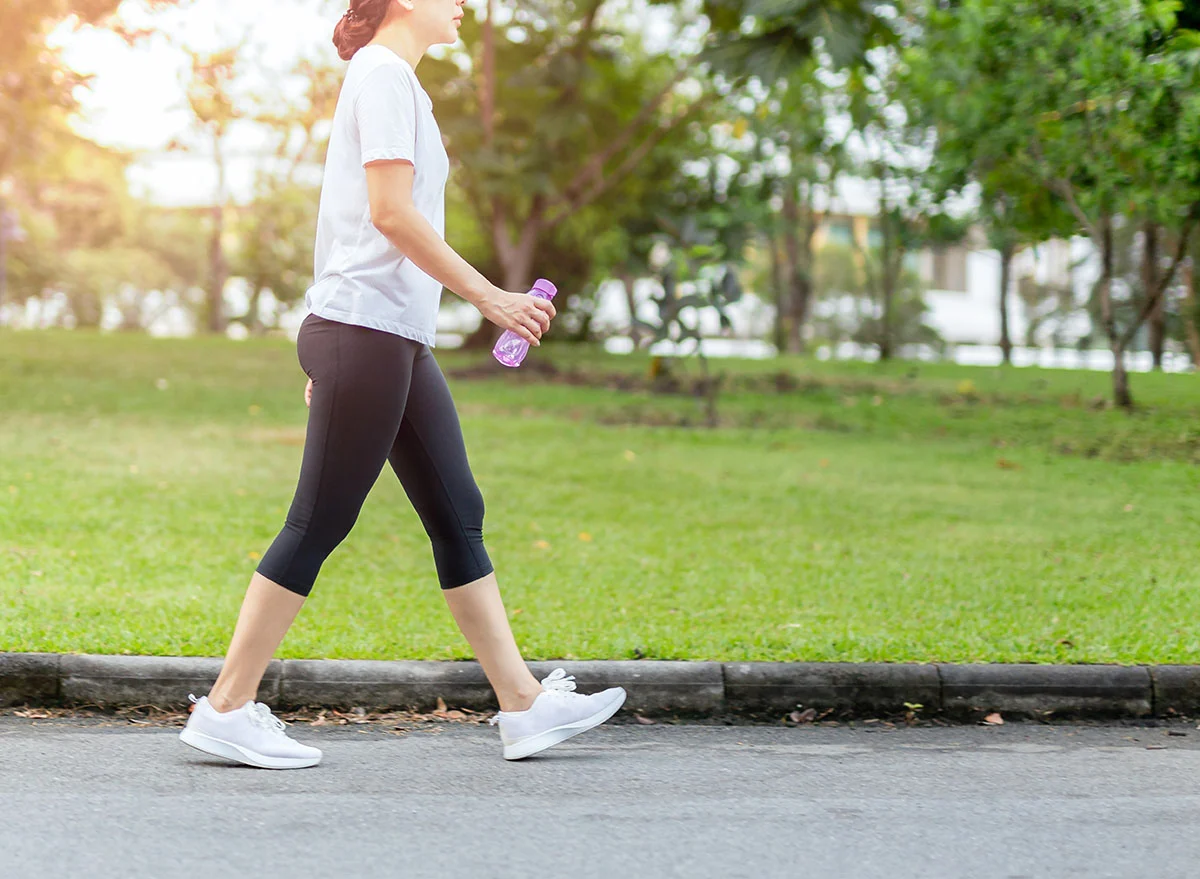
As individuals navigate the landscape of later life, maintaining physical fitness becomes increasingly vital, not only for longevity but for preserving independence and quality of life. A common concern that surfaces for many adults over the age of 60 is the accumulation of abdominal fat, often referred to colloquially as a "belly pooch." This phenomenon is frequently a byproduct of various age-related physiological shifts, including a natural deceleration of metabolism, hormonal fluctuations, and the gradual loss of muscle mass, a condition known as sarcopenia. While the desire to target this specific area can lead many to seek out isolated abdominal exercises or specialized gym equipment, the scientific consensus points towards a more comprehensive and sustainable approach. Effective body composition improvements, particularly in the midsection, are not achieved through localized fat reduction but rather through systemic changes driven by consistent, full-body movement and intelligent exercise programming.
The pervasive myth of "spot reduction" — the idea that exercising a particular body part will reduce fat specifically from that area — has long been debunked by exercise science. While strengthening the abdominal muscles is undoubtedly beneficial for core stability and overall functional strength, it does not instruct the body to selectively metabolize fat stores from the belly. Fat loss is a whole-body process, influenced by a caloric deficit achieved through a combination of diet and energy expenditure from physical activity. Therefore, a truly effective strategy for reducing abdominal adiposity, especially for an older demographic, necessitates a holistic regimen that engages multiple muscle groups, elevates metabolic rate, and fosters overall systemic health. This approach not only aids in fat reduction but also yields broader health benefits, such as enhanced cardiovascular health, improved balance, increased bone density, and greater functional capacity in daily life.
For many older adults, accessibility and sustainability are paramount considerations when adopting a new fitness routine. High-impact exercises, complex gym machines, or lengthy workout sessions can present barriers. This is where the strategic design of an efficient, standing-based exercise protocol shines. By focusing on functional movements performed in an upright position, such a routine inherently supports balance, coordination, and proprioception – critical elements for preventing falls and maintaining mobility in later years. Moreover, a short, time-efficient program can significantly boost adherence, transforming exercise from a daunting chore into a manageable, integrated part of one’s daily schedule. Consistency, rather than intensity or duration, often emerges as the most powerful predictor of long-term success in fitness endeavors.
Recognizing these principles, certified fitness professionals advocate for routines that maximize whole-body engagement within a concise timeframe. One such approach involves an 8-minute standing routine, thoughtfully structured to alternate between strength-focused and conditioning-oriented movements. This format, often referred to as high-intensity interval training (HIIT) or circuit training adapted for seniors, optimizes calorie expenditure and muscle activation. The protocol typically involves 40 seconds of active work followed by 20 seconds of rest, cycling through two distinct exercises for a total of four rounds each. This built-in rest period allows for recovery, ensuring that proper form can be maintained throughout the session, which is crucial for injury prevention and maximizing exercise efficacy, particularly for individuals aged 60 and above. The emphasis remains on controlled movements and listening to one’s body, allowing for minor adjustments or extended rest if form begins to compromise.
Central to this accessible routine are two specific exercises designed to provide a comprehensive workout. The first, the Dumbbell Squat to Press, serves as the primary strength-building component. This is a compound movement, meaning it simultaneously engages multiple joints and muscle groups, making it highly efficient. To execute this exercise effectively, an individual begins by standing with feet shoulder-width apart, holding light dumbbells at shoulder height, palms facing forward. The movement initiates with a squat, as if sitting back into an imaginary chair, ensuring the knees track over the toes and the chest remains upright. As the individual drives back up from the squat, leveraging the power from their glutes and quadriceps, they simultaneously press the dumbbells overhead until arms are fully extended. The movement concludes with a controlled return of the dumbbells to the starting shoulder position. This exercise dynamically targets the quadriceps, hamstrings, glutes, shoulders, and triceps, while the core muscles work extensively to stabilize the torso throughout both the squat and the overhead press phases. Its functional nature closely mimics everyday activities like lifting objects from the floor or reaching for items on a high shelf, making it highly relevant for enhancing functional independence. Modifications, such as performing a bodyweight squat with an overhead reach or using a goblet squat technique with a single dumbbell, can adapt the intensity to varying fitness levels.
The second foundational exercise in this 8-minute protocol is the Standing Cross-Body Knee Drive, which provides the conditioning and dynamic core engagement. This movement enhances cardiovascular health, improves balance, and directly targets the oblique muscles of the core. To perform a standing cross-body knee drive, one starts in a tall, upright standing position, feet hip-width apart. The movement involves simultaneously lifting one knee towards the chest while bringing the opposite elbow towards that knee, creating a rotational crunch across the midsection. For instance, if the right knee is lifted, the left elbow moves to meet it. The focus is on engaging the abdominal muscles to drive the knee upward and the elbow inward, rather than simply bending at the waist. After a controlled peak contraction, the leg and arm return to the starting position, and the movement is repeated on the opposite side in a rhythmic fashion. This exercise effectively engages the rectus abdominis, obliques, hip flexors, and quadriceps, while also providing a gentle cardiovascular challenge. The continuous cross-body action not only strengthens the core but also enhances coordination and balance, critical elements for fall prevention in older adults. For those requiring less impact or support, slower, more deliberate knee lifts or holding onto a stable support (like a wall or chair) can be incorporated. The key is to maintain an upright posture throughout, avoiding any tendency to hunch forward.
While an 8-minute routine offers a potent burst of activity, its true effectiveness is amplified when integrated into a broader, health-conscious lifestyle. Exercise, even when highly efficient, is but one pillar of overall well-being. To maximize the benefits of any fitness regimen, particularly for targeting abdominal fat and promoting health after 60, attention must also be paid to nutritional intake. A balanced diet rich in lean proteins, fiber, and healthy fats, with a mindful approach to processed foods and excessive sugar, provides the necessary fuel for muscle repair and fat metabolism. Adequate hydration, through consistent water intake, supports metabolic functions and overall physiological processes.

Furthermore, the importance of restorative sleep cannot be overstated. Sufficient, quality sleep is crucial for hormonal regulation, including those hormones that influence appetite and fat storage, such as cortisol. Chronic sleep deprivation can elevate cortisol levels, which has been linked to increased abdominal fat accumulation. Similarly, effective stress management techniques, whether through mindfulness, meditation, or engaging in hobbies, can help mitigate the physiological impact of stress on the body, thereby supporting a healthier body composition. Before embarking on any new exercise program, especially for those over 60 or with pre-existing health conditions, consulting with a healthcare provider or a certified fitness professional is always recommended to ensure the routine is appropriate and safe for individual needs.
In conclusion, the pursuit of a leaner midsection and enhanced overall fitness in later life is a journey best approached with scientific understanding and practical strategies. The allure of quick fixes or targeted fat loss often proves misleading. Instead, the power lies in consistent, efficient, full-body movements that respect the body’s natural metabolic processes. An accessible, standing-based routine, such as the 8-minute protocol described, offers a robust framework for building strength, improving cardiovascular health, and promoting core stability. When coupled with a holistic commitment to nutrition, sleep, and stress management, such a program provides a sustainable pathway to a stronger, more vibrant, and functionally capable life beyond the age of 60.
About the Author










