
The landscape of American fast food continually evolves, yet certain culinary staples retain an enduring appeal. Among these, the diminutive, fried chicken piece, often referred to as popcorn chicken or its close relatives, has carved out a significant niche. These bite-sized morsels offer a unique combination of crispy texture, convenient portability, and satisfying flavor, making them a popular choice for quick snacks, side dishes, or even full meals. Their widespread availability across various national chains speaks to a persistent consumer demand for quality, small-format chicken offerings. While the exact definition of "popcorn chicken" can sometimes blur with that of nuggets or boneless wings, the underlying preference for perfectly seasoned and fried, easy-to-eat chicken remains a constant in the competitive quick-service restaurant industry.
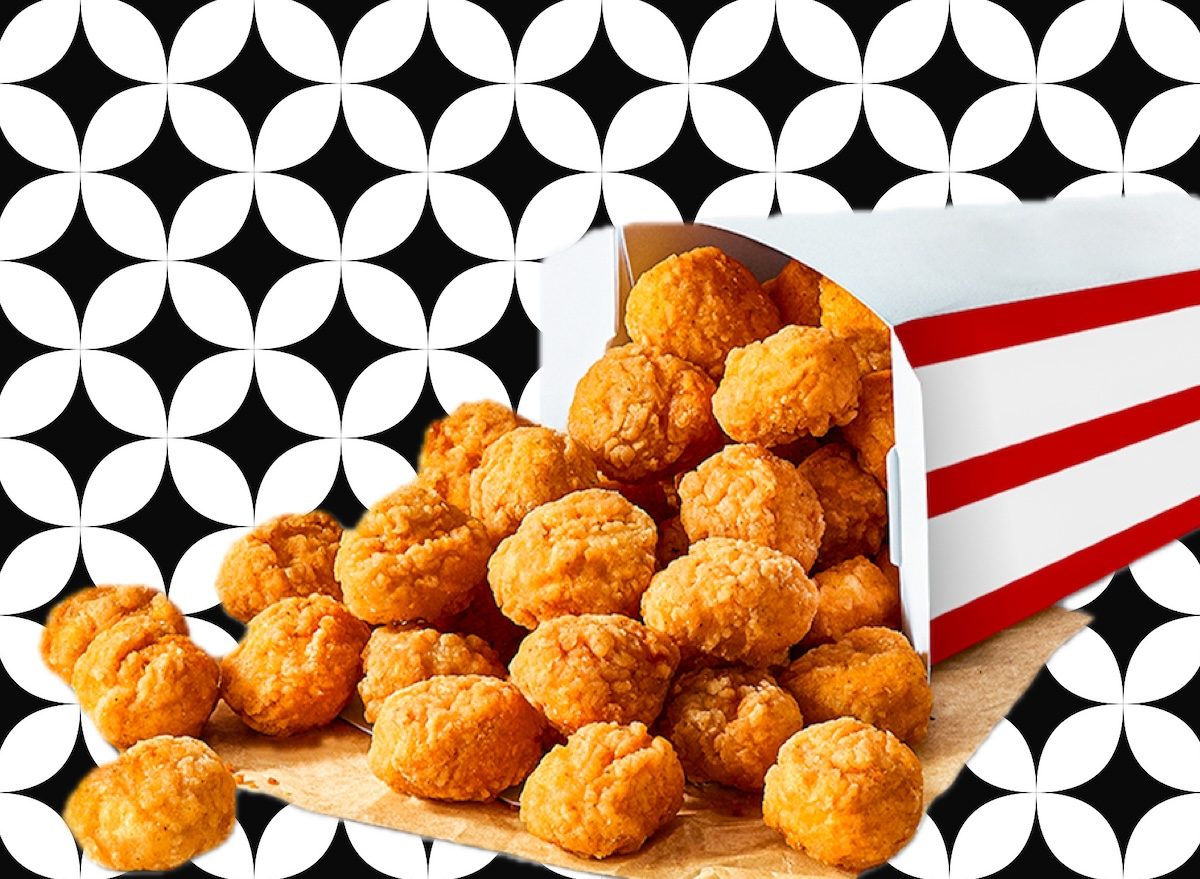
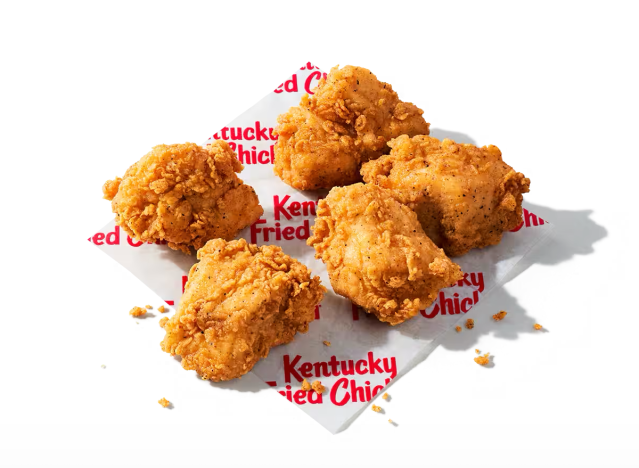
The genesis of what we recognize today as popcorn chicken in the American market traces back to an interesting blend of global culinary influences and strategic brand innovation. While various forms of bite-sized fried chicken have existed in street food cultures worldwide, notably in Taiwan with its popular "鹽酥雞" (yán sū jī) or salt and pepper chicken, its widespread introduction to the United States is largely credited to Kentucky Fried Chicken (KFC). In 1991, KFC launched its "Popcorn Chicken," a product specifically designed to offer a snackable, boneless alternative to its traditional bone-in pieces. This move tapped into a growing consumer desire for convenience and variety, allowing the brand to diversify its menu beyond its iconic buckets. The concept was simple yet brilliant: small pieces of chicken, marinated, breaded with a distinctive coating, and deep-fried until golden and crunchy, designed to be eaten by the handful, much like popcorn at a movie theater. This innovation helped cement the idea of miniature fried chicken as a distinct category within fast food.
Despite its initial success and historical significance, the presence of traditional popcorn chicken on fast-food menus has fluctuated. Many establishments have opted to focus on larger chicken pieces, sandwiches, or more substantial nugget offerings. This shift often reflects economic considerations, as smaller, individually breaded pieces can sometimes be more labor-intensive and yield lower profit margins compared to larger cuts. However, the underlying craving for that specific texture and flavor profile has persisted, leading several prominent chains to offer their own interpretations, whether explicitly labeled as "popcorn chicken" or presented as "bites" or specialized nuggets. These offerings aim to capture the essence of the original concept, providing consumers with delicious, dippable, and highly satisfying small portions of fried chicken.
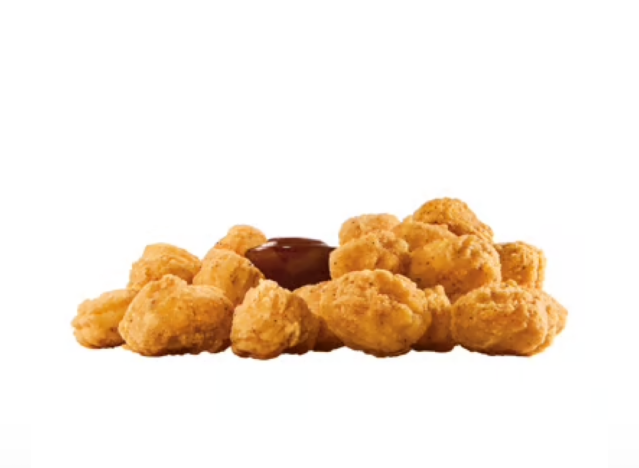
Among the various contenders in this segment, certain establishments have distinguished themselves through consistent quality, unique flavor profiles, and strong customer loyalty. These brands have either maintained a classic approach or innovated within the category, garnering significant praise from their diners. Let’s delve into some of the top-rated options that continue to satisfy America’s appetite for these crispy delights.
KFC, as the original popularizer of popcorn chicken in the United States, holds a special place in the hearts of many consumers. While the item is not consistently available on its domestic menu, its legacy and the strong sentiment surrounding its past iterations are undeniable. Many diners recall the 1990s version with particular fondness, describing them as truly resembling popcorn in their irregular, bite-sized shape and coming in a characteristic container. These nostalgic accounts often emphasize the perfect balance of seasoning, juiciness, and crispiness that defined the product. This enduring memory highlights a common challenge for fast-food giants: how to balance innovation and new product launches with the powerful pull of beloved, discontinued items. Interestingly, KFC’s popcorn chicken does remain a staple in many international markets, particularly across Asia and Australia, where it continues to be a popular menu item, demonstrating its global appeal even as its availability in its country of origin fluctuates. Customers frequently express a preference for KFC’s classic popcorn chicken over its more recent nugget offerings, citing superior crispiness and flavor, a testament to the original recipe’s enduring quality and the distinct experience it provided.
Moving to a different segment of the fast-food spectrum, Sonic Drive-In offers its own highly regarded take on bite-sized chicken with its Premium Chicken Bites. Designed to be convenient and easily consumable, these offerings align perfectly with Sonic’s drive-in model, where quick service and on-the-go dining are paramount. The chain describes its chicken bites as featuring tender and juicy white-meat chicken, encased in a lightly seasoned breading, making them an ideal vehicle for dipping. The emphasis on "premium" suggests a focus on quality ingredients and preparation, aiming to elevate the experience beyond standard fast-food chicken. The availability of various dipping sauces further enhances the customizable aspect of these bites, allowing customers to tailor their flavor experience. This approach acknowledges that for many, the perfect bite-sized chicken is not just about the chicken itself, but also about the accompanying condiments that complement and elevate its taste. Sonic’s commitment to these bites demonstrates an understanding of consumer preferences for versatile, dippable chicken options that fit a casual dining experience.
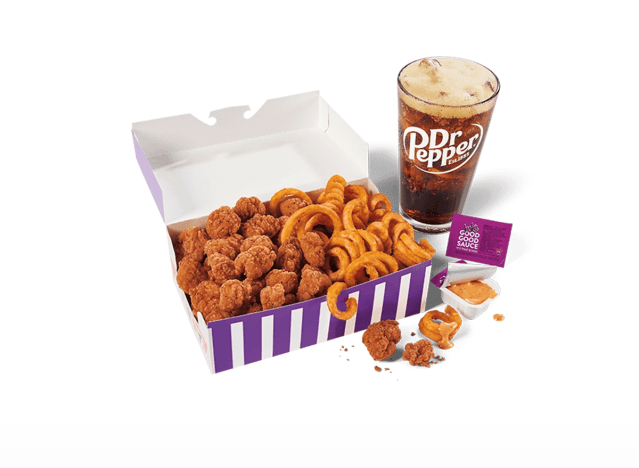
Jack in the Box, a chain known for its diverse and often innovative menu, has also ventured into the bite-sized chicken arena, frequently through limited-time offerings (LTOs) that generate considerable buzz. Their Nashville Hot Popcorn Chicken, for instance, made a highly anticipated return to the menu, showcasing the brand’s willingness to experiment with popular flavor trends. The "Nashville Hot" profile, characterized by its fiery spice and often a touch of sweetness, has been a significant trend in the fast-food industry for several years. However, customer reception to Jack in the Box’s interpretation has been varied. Some diners have expressed a strong preference for the chain’s earlier, simpler "spicy popcorn chicken," finding the Nashville Hot version to be overly sweet or a departure from the classic heat they desired. This feedback underscores the delicate balance required when adapting popular regional flavors for a national audience. The cyclical nature of these LTOs also creates a sense of urgency and anticipation among consumers, who often track online forums for hints about when their favorite items might return. Jack in the Box’s strategy of rotating such items keeps its menu fresh and engaging, even if it sometimes means polarizing opinions on specific flavor profiles.
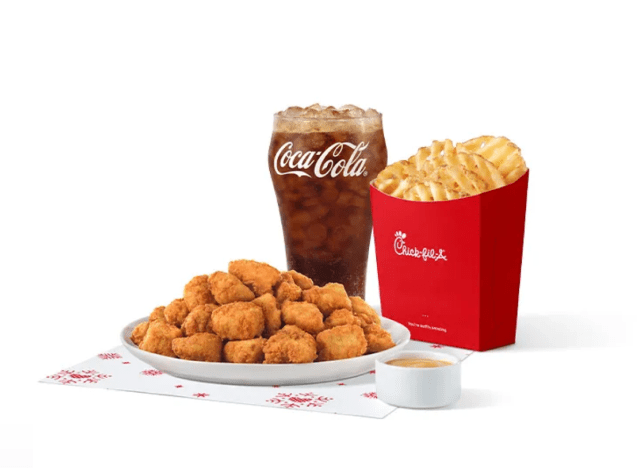
While not strictly categorized as "popcorn chicken," Chick-fil-A’s Chicken Nuggets are undeniably a dominant force in the realm of small, fried chicken pieces, often fulfilling the same craving for diners. Chick-fil-A has cultivated an almost unparalleled reputation for the quality and consistency of its chicken products, and its nuggets are a prime example. The chain meticulously prepares its nuggets using bite-sized pieces of boneless chicken breast, which are seasoned to perfection, freshly breaded, and then pressure-cooked in 100% refined peanut oil. This specific cooking method is crucial to their distinctive taste and texture, ensuring a juicy interior and a consistently crispy exterior. The use of peanut oil, a hallmark of Chick-fil-A’s frying process, contributes to a unique flavor profile that sets its chicken apart. Despite not bearing the "popcorn" label, Chick-fil-A’s nuggets are frequently cited by consumers as a superior alternative due to their high quality, tender meat, and reliable deliciousness. Their immense popularity demonstrates that the demand for perfectly executed, bite-sized chicken transcends specific naming conventions, prioritizing taste and consistency above all else.
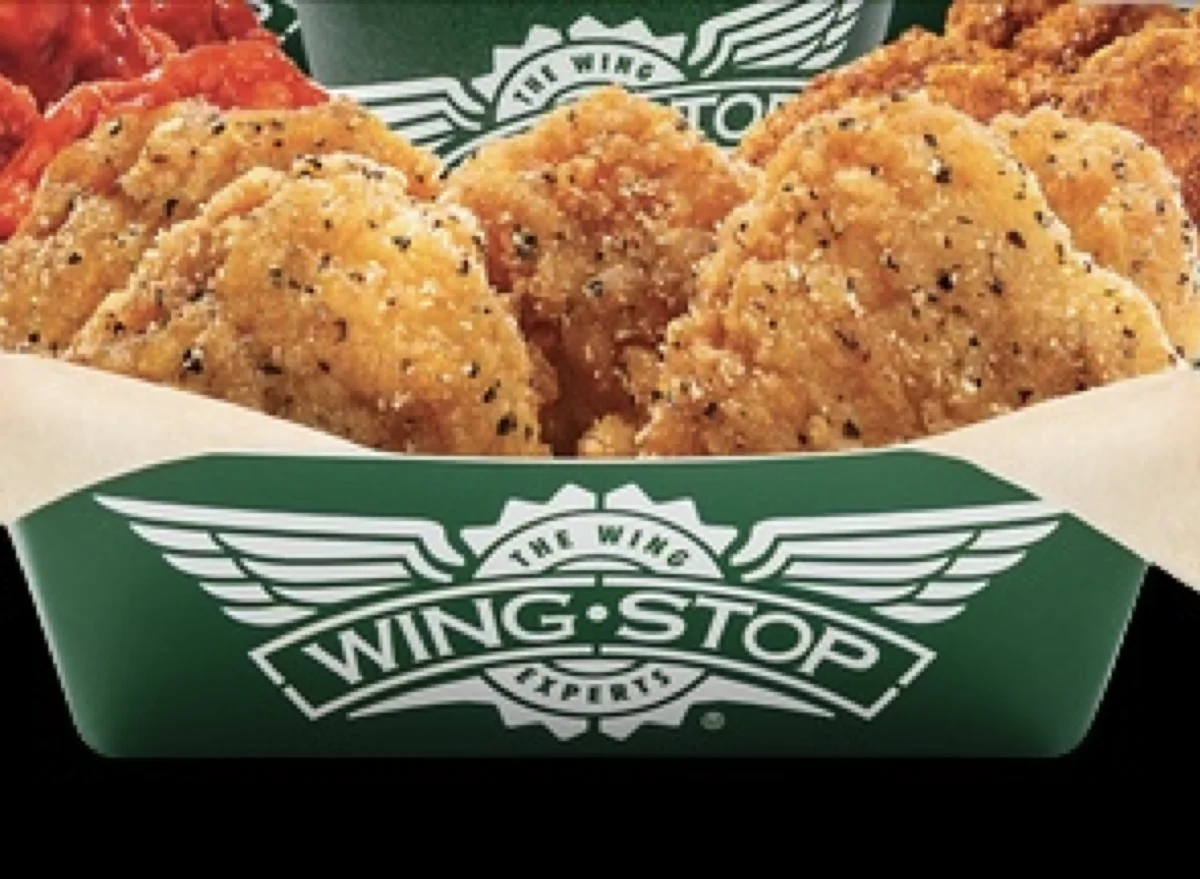
Finally, Wingstop, a brand built around its expertise in chicken wings, also offers an item that frequently draws comparisons to popcorn chicken: its Boneless Bites. While primarily presented as a boneless wing option, customers often describe these pieces as having the size and texture reminiscent of popcorn chicken, especially when tossed in Wingstop’s extensive array of signature sauces. This versatility is a key selling point, as the sauces transform the basic chicken bites into a multitude of distinct flavor experiences, ranging from classic Buffalo to more exotic options. Customer observations sometimes highlight the ambiguity in product classification, with some diners noting that the "boneless wings" they receive are more akin to large, flavorful popcorn chicken pieces than traditional boneless wings. This observation, often accompanied by positive feedback regarding taste, underscores the fluid nature of these categories in the consumer’s mind. Wingstop’s focus on bold flavors and high-quality chicken makes its boneless bites a compelling option for those seeking a saucy, snackable, and satisfying chicken experience that closely mirrors the appeal of traditional popcorn chicken.
The enduring popularity of popcorn chicken and its various counterparts in the fast-food industry is a testament to its inherent appeal. Consumers are drawn to the combination of crispy texture, tender meat, and the sheer convenience of bite-sized portions that are perfect for dipping. From nostalgic favorites like KFC’s original offering to innovative seasonal items at Jack in the Box, and from the premium bites at Sonic to the widely beloved nuggets of Chick-fil-A and the flavorful boneless options at Wingstop, each chain brings its unique approach to satisfying this specific craving. These establishments continue to refine their offerings, responding to evolving tastes and maintaining a high standard for these miniature fried chicken delights, ensuring their place as a cherished staple in the American culinary landscape.
About the Author










