
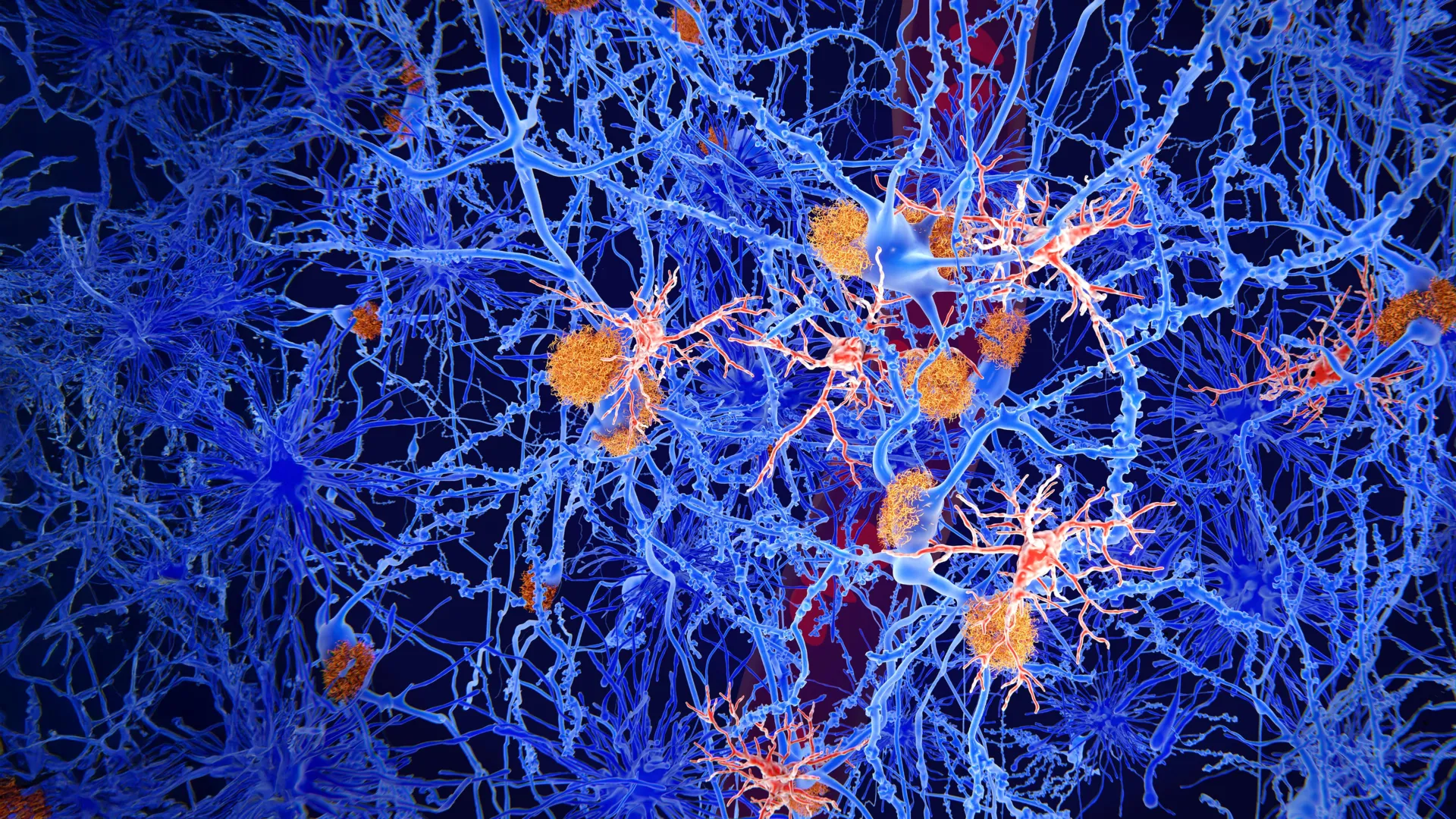
A groundbreaking investigation spearheaded by a collaborative team of scientists from Spain and Switzerland has unveiled an experimental molecular agent with the potential to reawaken and bolster the brain’s intrinsic defensive mechanisms against the ravages of Alzheimer’s disease. This compound, designated OLE, has demonstrated a remarkable capacity to essentially "reprogram" microglia, the specialized immune cells residing within the central nervous system, enabling them to reclaim a significant portion of their crucial protective functions.
The research endeavor was meticulously orchestrated by José Vicente Sánchez Mut, affiliated with the Institute for Neurosciences (IN) – a distinguished joint initiative between the Spanish National Research Council (CSIC) and Miguel Hernández University of Elche (UMH) – in conjunction with Johannes Gräff of the École Polytechnique Fédérale de Lausanne (EPFL). The pivotal findings of their extensive study have been formally documented and disseminated within the esteemed scientific journal Cell Death and Disease.
At the heart of Alzheimer’s pathology lies the insidious accumulation of beta-amyloid plaques, aberrant protein aggregates that form deposits within the brain. Concurrently, microglia, which are evolutionarily designed to act as the brain’s cellular sanitation crew, diligently working to clear such detrimental debris, undergo a progressive functional decline. This impairment in their protective capabilities is not merely passive; as their efficacy wanes, microglia can inadvertently contribute to the very neuronal damage that characterizes Alzheimer’s progression. The experimental molecule OLE appears to disrupt this damaging cascade by facilitating microglia’s engagement with these pathological plaques. Specifically, OLE appears to equip microglia with the ability to effectively ensnare and encapsulate beta-amyloid formations, thereby mitigating both the physical mass and the toxic influence of these plaques on surrounding neural tissue.
The mechanism by which OLE exerts its influence is particularly noteworthy. Researchers have identified OLE as a molecule intrinsically linked to the PM20D1 gene, suggesting a biological pathway for its action. Upon administration of OLE, microglia appear to transition from a compromised state to a more vigilant and protective phenotype. Post-treatment, these crucial immune cells exhibit a directed migration towards beta-amyloid plaques, effectively forming a localized barrier. This cellular cordon limits the direct interaction between the toxic plaques and vulnerable neurons, a crucial step in curtailing the neurodegenerative processes. "One of the most significant findings is that we have identified a molecule capable of restoring microglia’s protective function," stated Sánchez Mut, underscoring the therapeutic implications. "In Alzheimer’s disease, these cells become progressively impaired. Our results suggest that this process can be reversed, pointing to new therapeutic and research avenues to counteract the disease," he further elaborated, emphasizing his role leading the Functional Epi-Genomics of Aging and Alzheimer’s Disease laboratory at IN CSIC-UMH.
To rigorously assess the efficacy of OLE, the research team employed a multi-pronged approach utilizing various experimental models, spanning from simple invertebrates to more complex mammalian systems. The initial phase of testing involved genetically modified Caenorhabditis elegans (C. elegans) worms engineered to produce beta-amyloid protein. These microscopic organisms, due to their rapid development of disease-related pathology, serve as an invaluable and efficient platform for studying the initial toxic effects of protein aggregation. Treatment with OLE in these worms resulted in a discernible reduction in the accumulation of protein aggregates and a marked improvement in their locomotive capabilities, providing early evidence of a protective effect.
Building upon these promising initial results, the researchers advanced their investigation to more sophisticated mammalian models, specifically mice genetically engineered to exhibit characteristics of Alzheimer’s disease. These mice were subjected to a sustained three-month regimen of OLE administration. Following this treatment period, comprehensive evaluations were conducted, focusing on both cognitive function, assessed through a battery of memory tests, and neuropathological changes within the brain. The data revealed a statistically significant enhancement in memory performance among the OLE-treated mice when compared to their untreated counterparts. Furthermore, histological examination of their brain tissue demonstrated a notable reduction in the burden of beta-amyloid plaques.
A critical component of the study involved delving into the cellular underpinnings of OLE’s action. Through advanced single-cell analysis techniques, which allow for the examination of gene expression and cellular behavior at the individual cell level, the researchers were able to pinpoint which cell types within the brain responded most profoundly to the OLE treatment. This detailed analysis unequivocally demonstrated that microglia were the cells exhibiting the most robust and significant activation pathways associated with the compound. These activated pathways were intricately involved in the clearance of beta-amyloid and were responsible for restoring the microglia’s ability to efficiently navigate towards plaques and effectively contain them. Victoria Pozzi, the first author of the study, highlighted this crucial insight: "Single-cell analysis allowed us to determine that microglia were the cells that responded most strongly to the treatment. From there, we observed that the compound helped these cells move toward beta-amyloid plaques and better contain the damage associated with the disease."
Further corroboration of OLE’s beneficial effects was obtained through separate experiments utilizing cultured cells. In vitro studies involving microglia exposed to OLE mirrored the in vivo findings, showcasing enhanced migratory behavior towards beta-amyloid deposits and a greater capacity for their removal. Moreover, in distinct neuronal cultures subjected to experimental conditions mimicking the neurotoxic environment of Alzheimer’s disease, OLE treatment demonstrably improved neuronal survival, suggesting that the compound might also possess direct neuroprotective qualities independent of its effect on microglia.
The translational potential of these findings is significantly bolstered by their inclusion in two European patents, one of which is held by the CSIC. This intellectual property protection underscores the researchers’ commitment to advancing this discovery towards tangible therapeutic applications. The comprehensive research initiative was made possible through a broad spectrum of funding sources, reflecting the international collaborative effort and the recognized importance of this line of inquiry. Financial support was generously provided by the Dementia Research Switzerland — Synapsis Foundation (Switzerland), the Pasqual Maragall Researchers Programme (PMRP) of the Pasqual Maragall Foundation, the Spanish Ministry of Science, Innovation and Universities, the Severo Ochoa Centres of Excellence programme of the State Research Agency (AEI), the Prometeo program of the Generalitat Valenciana, the European Regional Development Fund (ERDF), and the CSIC Interdisciplinary Thematic Platform PTI+ NEURO-AGING. Additional crucial contributions came from the Swiss National Science Foundation, the École Polytechnique Fédérale de Lausanne (EPFL), the European Research Council (ERC), the National Research Foundation of Korea (NRF), and the European Social Fund (ESF+). This extensive network of support highlights the global commitment to unraveling the complexities of Alzheimer’s disease and developing novel strategies for its management.
About the Author












