
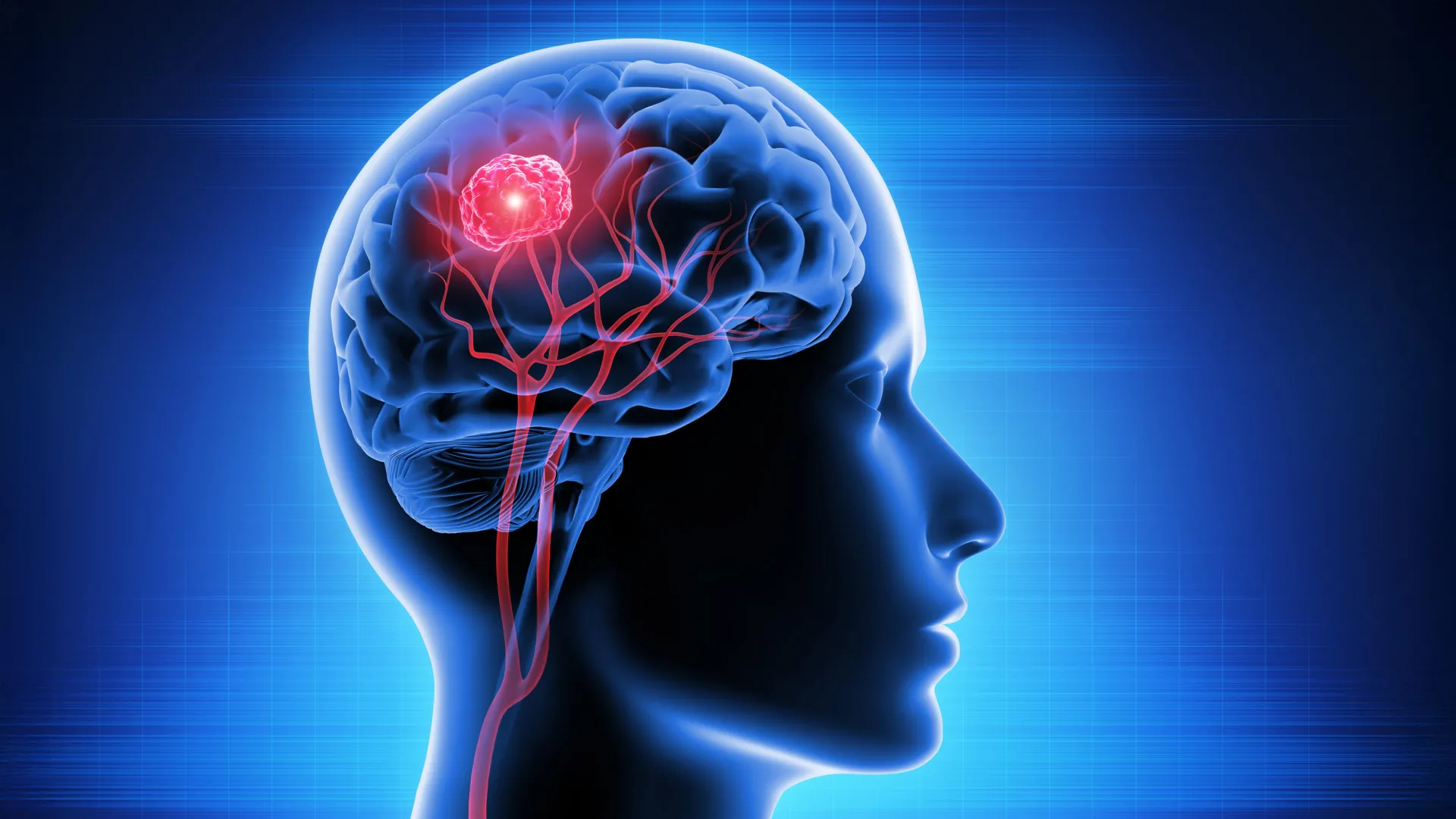
A groundbreaking investigation into a novel therapeutic agent, nitrosylcobalamin (NO-Cbl), has illuminated a potential new pathway for confronting glioblastoma, a particularly formidable and often fatal form of brain cancer that has historically defied effective treatment. This cutting-edge research, detailed in the scientific journal Oncoscience, presents compelling evidence of NO-Cbl’s capacity to surmount the formidable blood-brain barrier (BBB) and preferentially localize within malignant brain tissue. The study, aptly titled "Selective blood-brain barrier penetration and tumor targeting of nitrosylcobalamin in glioblastoma: Pharmacokinetics, tissue distribution, and synergistic activity with trail and temozolomide," offers a detailed account of the compound’s journey through biological systems and its interactions with cancer cells.
Spearheading this pioneering work was a collaborative effort led by Joseph A. Bauer, affiliated with Nitric Oxide Services, LLC, and the Cleveland Clinic Foundation Taussig Cancer Center, who served as both the first and corresponding author. The research team’s central hypothesis revolved around the potential of nitrosylcobalamin, a chemically modified iteration of vitamin B12 engineered to release nitric oxide, to navigate the protective BBB and selectively concentrate within glioblastoma tumors. This strategic approach was conceived to address a critical impediment in current brain cancer therapies: the BBB’s restrictive nature, which severely limits the efficacy of many chemotherapeutic agents by preventing them from reaching sufficient concentrations at the tumor site.
Glioblastoma multiforme (GBM) stands as one of the most aggressive and lethal malignancies affecting the central nervous system, characterized by its rapid progression and profound resistance to conventional medical interventions. Despite the application of aggressive multimodal treatment strategies, encompassing surgical resection, radiation therapy, and chemotherapy, the median patient survival time following diagnosis remains alarmingly short, often not exceeding fifteen months. The inherent difficulty in treating GBM is significantly amplified by the presence of the BBB, a highly selective physiological barrier that meticulously regulates the passage of substances from the bloodstream into the brain, thereby acting as a major obstacle for drug delivery.
To rigorously assess the therapeutic potential of NO-Cbl, the researchers employed a multifaceted experimental paradigm. This comprehensive evaluation included in vitro analyses using the NCI-60 human tumor cell line panel to gauge the compound’s direct cytotoxic effects across a spectrum of cancer types. Furthermore, in vivo pharmacokinetic studies were conducted in rodent models bearing induced glioblastoma tumors to meticulously track the absorption, distribution, metabolism, and excretion of NO-Cbl. Crucially, the study also investigated the synergistic effects of NO-Cbl when administered in conjunction with established glioblastoma treatment modalities, utilizing human glioblastoma cell lines for these critical combination assays.
The findings from these investigations yielded encouraging results, demonstrating that NO-Cbl possessed intrinsic antitumor activity against a broad array of cancerous cell types. Notably, cancer cells with origins in the central nervous system exhibited a moderate but significant degree of sensitivity to the compound’s effects. This initial observation suggested that NO-Cbl might possess a targeted action within the challenging terrain of brain tumors.
A particularly pivotal discovery emerged from the animal experiments, which provided definitive evidence of NO-Cbl’s ability to breach the BBB. Following systemic administration, the compound was observed to effectively traverse this critical barrier and accumulate with a pronounced preference within glioblastoma tumor tissue. This selective accumulation is a highly desirable characteristic for any therapeutic agent intended for brain cancer treatment, as it maximizes drug exposure to the malignant cells while potentially minimizing systemic side effects.
Further analysis revealed that the therapeutic impact of NO-Cbl appeared to be sustained within the tumor microenvironment. Nitrate levels, a downstream marker of nitric oxide release from NO-Cbl, remained elevated in tumor tissues for at least 24 hours post-administration. In contrast, nitrate concentrations in normal, healthy tissues exhibited a more rapid decline. This distinct pharmacokinetic profile strongly suggests that NO-Cbl is not only retained within the tumor but also continuously releases its active nitric oxide moiety directly where it is needed most, thereby exerting a prolonged therapeutic effect on the cancerous cells. Supporting these observations, Figures 2 and 3 of the study provided quantitative data, illustrating sustained levels of nitrate and cobalamin-related metabolites in brain tumor tissue compared to other organs, further substantiating the compound’s selective tropism for glioblastoma.
Beyond its standalone therapeutic potential, the research team also explored the capacity of NO-Cbl to enhance the efficacy of current, standard-of-care glioblastoma treatments. In controlled laboratory experiments involving human glioblastoma cell lines, specifically U87 and D54 strains, the co-administration of NO-Cbl with either TRAIL (Tumor Necrosis Factor-Related Apoptosis-Inducing Ligand) or temozolomide, a cornerstone chemotherapeutic agent for GBM, resulted in a significantly more potent suppression of tumor cell proliferation than was achieved by either agent individually. These combination effects were not merely additive but demonstrated clear synergistic interactions across a range of dosage combinations, indicating that NO-Cbl could amplify the destructive power of existing therapies against glioblastoma.
The authors posited that NO-Cbl might also play a crucial role in circumventing several inherent biological mechanisms that contribute to glioblastoma’s notorious resistance to therapy. Building upon existing scientific literature, the study referenced findings that NO-Cbl can promote programmed cell death (apoptosis) through the activation of caspase-8, a key enzyme in the apoptotic cascade. Additionally, it can suppress survival signaling pathways mediated by NF-κB, a transcription factor critical for cell survival and inflammation, and bolster the signaling of TRAIL receptors through a process known as S-nitrosylation. Collectively, these molecular actions could render glioblastoma cells more susceptible to therapeutic interventions, including those tumors that have already developed resistance to established treatments like temozolomide.
While these preliminary findings are exceptionally promising, the authors were careful to emphasize that this work represents an early-stage, translational pilot study. Substantial further research and rigorous validation will be imperative before this novel therapeutic strategy can be considered for translation into clinical applications for patients. Future research endeavors are slated to encompass a broader scope, including orthotopic validation studies to confirm these findings in more complex in vivo models that more accurately mimic the human brain environment. Optimization of dosing regimens, detailed tracking of nitric oxide activity over extended periods, and a deeper investigation into the underlying molecular mechanisms of action in additional central nervous system tumor models are also anticipated.
In summation, the presented findings offer compelling early-stage evidence suggesting that a cobalamin-based nitric oxide donor, such as NO-Cbl, could represent a significant advancement in the therapeutic arsenal against glioblastoma. By virtue of its demonstrated ability to penetrate the blood-brain barrier, selectively target tumor tissue, and synergistically enhance the activity of existing therapies, NO-Cbl holds the potential to revolutionize drug delivery strategies and effectively combat treatment resistance in one of neuro-oncology’s most challenging adversaries.
About the Author












