As individuals progress through their later decades, the seemingly trivial task of unscrewing a tight jar lid, managing heavy grocery bags, or even maintaining a firm grip on a doorknob can transition from an effortless action to a frustrating challenge. This gradual but pervasive decline in hand and forearm strength, often first noticed in these everyday struggles, represents more than just a minor inconvenience; it signals a critical shift in functional independence and overall quality of life. Far from being an inevitable consequence of aging or solely attributable to conditions like arthritis, this reduction in manual capability is frequently a direct result of disuse and a lack of targeted muscular engagement over time. Fitness professionals widely observe a consistent pattern among clients over 65: a generalized weakening of the entire hand, impacting various planes of movement simultaneously.
The human hand is an intricate marvel of biomechanical engineering, composed of 27 bones, 34 muscles (17 in the palm and 18 in the forearm), and an extensive network of tendons, ligaments, and nerves, all working in concert to perform a vast array of precise and powerful movements. This complexity means that "grip strength" itself is not a monolithic attribute but rather a composite of several distinct abilities. Primarily, these include crushing strength (the power to squeeze an object), pinch strength (the delicate yet firm hold between thumb and fingertips), rotational strength (the ability to twist and turn objects), and sustained holding strength (the endurance to maintain a grip over time). As we age, especially past 40, a sedentary lifestyle or one devoid of regular manual labor can lead to a significant decline in these capacities, with some research indicating a potential halving of overall hand strength by the age of 65.
A key indicator of this age-related decline often manifests in the thumb’s diminishing strength. Pinch strength, crucial for manipulating small objects like a fork, a smartphone, or indeed, a doorknob, is among the first to wane, making once-simple tasks feel awkward and unwieldy. While many attribute this to arthritic changes, the primary culprit is frequently simple disuse atrophy. Furthermore, a silent imbalance often develops within the hand’s musculature. The muscles responsible for closing the hand (flexors) typically remain stronger than those that open it (extensors). This disparity arises because daily life presents countless opportunities for gripping actions but very few for actively extending and opening the hand against resistance. Over years, this imbalance contributes to the stiff, cramped sensation many older adults experience, sometimes culminating in a more permanent, claw-like posture of the hand.
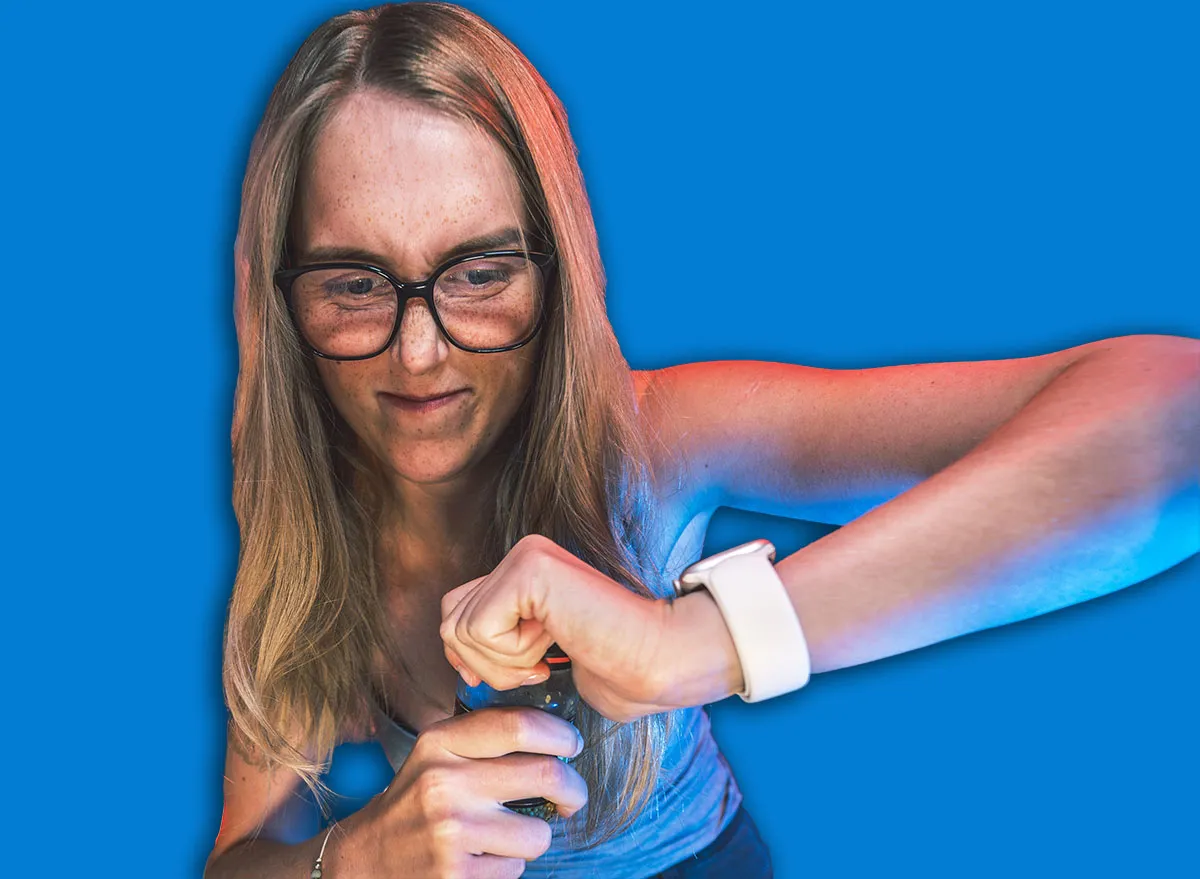
The modern environment also plays a significant role in this decline. Our shift from tasks requiring robust manual dexterity—like opening tough jar seals, wringing out wet laundry, or performing manual repairs—to more passive actions such as pressing buttons on appliances or unscrewing easily opened plastic caps, has inadvertently stripped our hands of their natural daily challenges. This lack of demanding engagement means the intrinsic muscles of the hand and forearm are rarely put to work vigorously, leading to a progressive loss of strength and endurance.
Traditional tools designed to enhance hand strength, such as conventional hand grippers, often fall short in addressing this multifaceted problem. While effective for developing crush grip, these devices typically isolate only one of the four essential grip patterns, leaving pinch, twisting, and sustained holding strengths largely untouched. A truly comprehensive approach requires stimulating all these distinct patterns to foster balanced strength and flexibility. The good news is that this comprehensive training does not demand specialized equipment or extensive time commitments. A set of four targeted exercises, utilizing ordinary household objects, can effectively train all necessary grip patterns in approximately eight minutes a day.
1. Enhancing Compressive Strength: The Rolled Towel Squeeze
This exercise specifically targets the crush grip, the most universally recognized form of hand strength. Unlike rigid metal grippers, a soft, rolled hand towel provides unique proprioceptive feedback as it compresses under the fingers. This characteristic is vital because it engages the smaller, intrinsic muscles within the palm and fingers, teaching them to coordinate effectively for maximum force generation.
- Execution: Roll a standard hand towel tightly into a cylinder. Hold it firmly in one hand, positioning it across your palm with your fingers and thumb wrapped around it. Squeeze the towel as hard as you can for a count of three to five seconds, feeling the compression and engagement throughout your hand. Slowly release the grip over another three to five seconds.
- Optimization: Focus on squeezing with all fingers equally, ensuring the thumb also actively presses into the towel. Avoid simply clenching your fist without genuine engagement of the towel.
- Protocol: Perform 12 squeezes per hand, completing two rounds for each side.
2. Cultivating Extensor Flexibility and Balance: The Fingertip Fan and Grip
Often neglected, the extensor muscles responsible for opening the hand are critical for maintaining flexibility and preventing the stiffness that can develop from an imbalance with the stronger flexor muscles. This exercise is pivotal in counteracting the cramped, claw-like sensation many individuals experience as they age.
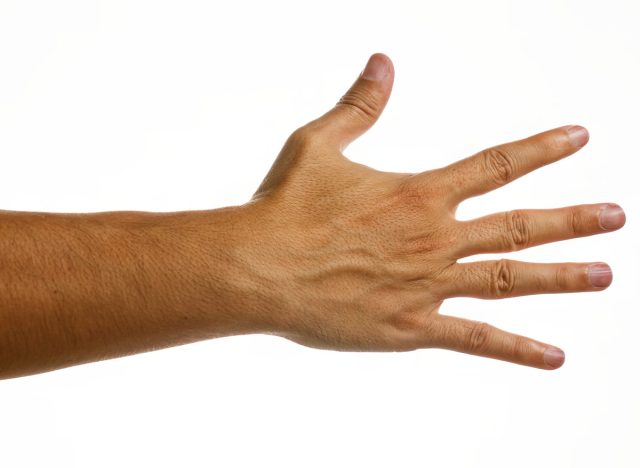
- Execution: Begin with your hand relaxed. Slowly and deliberately spread your fingers as wide as possible, fanning them out to create maximum separation between each digit and the thumb. Hold this fully fanned position for a brief moment, feeling the stretch and activation in the back of your hand and forearm. Then, slowly bring your fingers back together, forming a gentle fist, without clenching tightly.
- Optimization: Emphasize the slowness and control of both the fanning and closing movements. Avoid jerky or rapid motions. The goal is to activate the extensors consciously.
- Protocol: Complete 10 slow, controlled repetitions per hand.
3. Developing Rotational Power: The Jar Lid Turn Practice
Rotational strength in the forearm is indispensable for common tasks such as opening stubborn jam jars, turning stiff faucets, or unscrewing bottle caps. This particular grip pattern often shows a noticeable decline after the age of 65. This exercise directly addresses this deficiency, harnessing an everyday kitchen item as its primary tool.
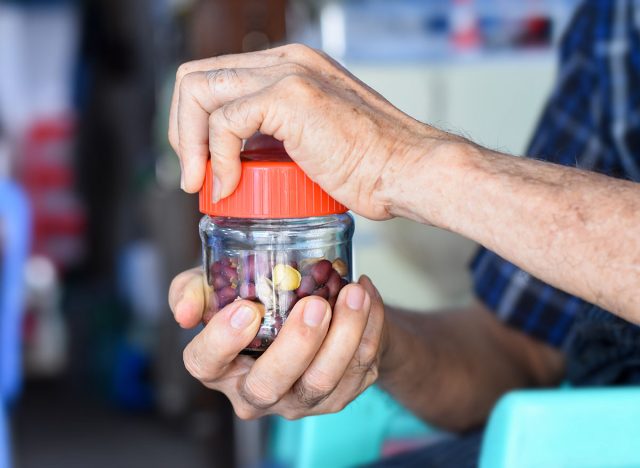
- Execution: Select an empty jar with a lid that offers some resistance but is not excessively difficult to turn. Grip the jar firmly with one hand and the lid with the other. Practice twisting the lid open, engaging your forearm muscles in the rotational movement, then close it again. Focus on the controlled rotation of the forearm rather than just brute force from the shoulder or wrist.
- Optimization: Initially, choose a jar with moderate resistance. As your strength improves, gradually move to jars with tighter lids to provide progressive overload. Ensure your grip on the jar itself is stable while the other hand rotates the lid.
- Protocol: Perform 8 opening and 8 closing rotations per side. As strength increases, seek out jars with stiffer lids to maintain challenge.
4. Building Sustained Holding Endurance: The Water Bottle Wrist Curl
This exercise synergistically strengthens the wrist and forearm, developing the endurance necessary for sustained holding tasks. Whether carrying a full kettle, a heavy shopping bag, or a watering can, the ability to maintain a grip without premature fatigue is often limited by the strength of the wrist.
- Execution: Sit in a chair with your forearm resting on your thigh, your hand extending beyond your knee, palm facing upwards. Hold a filled water bottle (or a similar lightweight object) in your hand. Slowly curl your wrist upwards, lifting the bottle towards the ceiling, feeling the contraction in your forearm. Lower it back down with control. After completing the palm-up repetitions, rotate your hand so your palm faces downwards and perform the same curling motion, lifting the back of your hand towards the ceiling.
- Optimization: Maintain a stable forearm on your thigh throughout the movement to isolate the wrist and forearm muscles. Avoid swinging the weight or using momentum. Start with a lighter bottle and gradually increase the weight as strength builds.
- Protocol: Execute 12 repetitions with the palm facing up, followed by 12 repetitions with the palm facing down, then switch to the other hand.
Integrating the Regimen into Daily Life
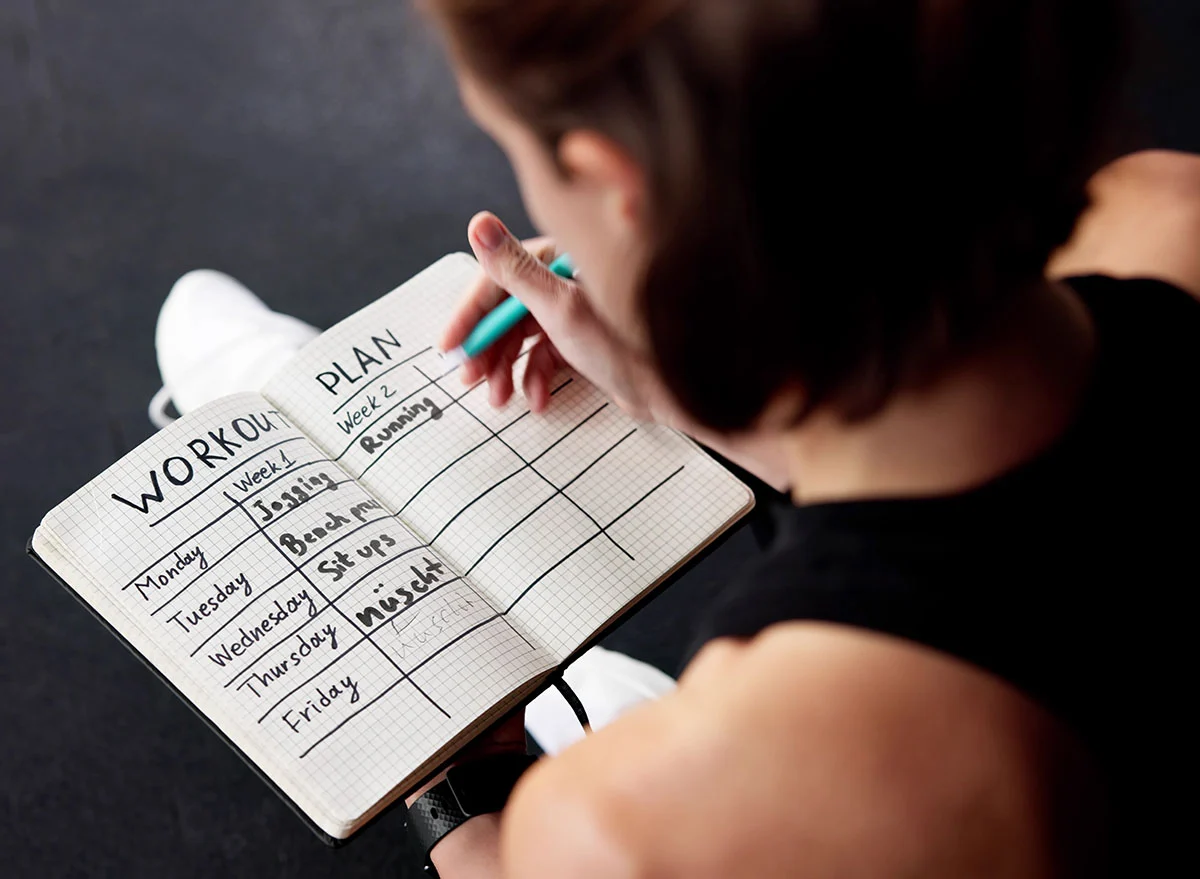
The entire sequence of these four exercises is designed to be efficient, typically requiring only about eight minutes to complete. The key to success lies in consistency, making it a habit rather than an occasional decision. Many find it beneficial to integrate these exercises into existing daily routines. For instance, the towel squeeze can be performed while watching the morning news, the finger fan and grip while waiting for the kettle to boil, the jar turn during dinner preparation, and the wrist curls while relaxing in front of the television. This approach allows the routine to seamlessly fit into natural pauses, eliminating the need for a dedicated, separate workout slot.
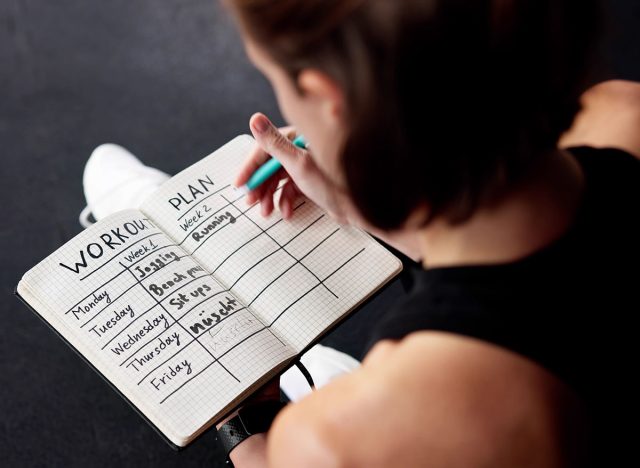
While daily practice is encouraged, allowing for one rest day per week, particularly if your forearms feel fatigued, is a sensible approach. Six days of consistent effort are ample to stimulate adaptations. Crucially, rather than solely focusing on the exercise itself, periodically (e.g., every fortnight) take note of the tangible improvements in everyday tasks. Are jars easier to open? Do shopping bags feel less cumbersome? Is your hand less prone to cramping after activities like ironing or peeling vegetables? These real-world functional gains are the most meaningful indicators of progress.
Anticipated Progress and Long-Term Impact
The journey to restored hand strength typically unfolds in distinct phases:
- Within the First Week: Most individuals will experience an almost immediate improvement in the ease with which jars or bottles open. This initial change is largely neurological, as the brain’s signaling to the muscles becomes more efficient and coordinated.
- By Three to Four Weeks: Tangible muscular changes begin to manifest in the forearm. The kettle might feel noticeably lighter, the pressure from shopping bag handles less acute, and the hand less prone to cramping during prolonged tasks.
- Between Six and Eight Weeks: Clients frequently report a profound difference in the overall feel of their hands. They describe them as firmer, more capable, and significantly less bothered by the aches and discomfort that had previously crept in. This is often the point where family members or friends notice and comment on an increased capability or willingness to tackle household tasks without complaint.
Beyond the immediate convenience, robust grip strength is widely recognized as a powerful biomarker for overall health and independent living, extending well into the seventies and eighties. A mere eight minutes of dedicated daily effort today can yield years of self-sufficiency, enabling you to confidently open your own jars, carry your own groceries, and hold a grandchild’s hand with unwavering strength and comfort. This small investment in time offers an exceptional return in sustained autonomy and an enhanced quality of life.
About the Author