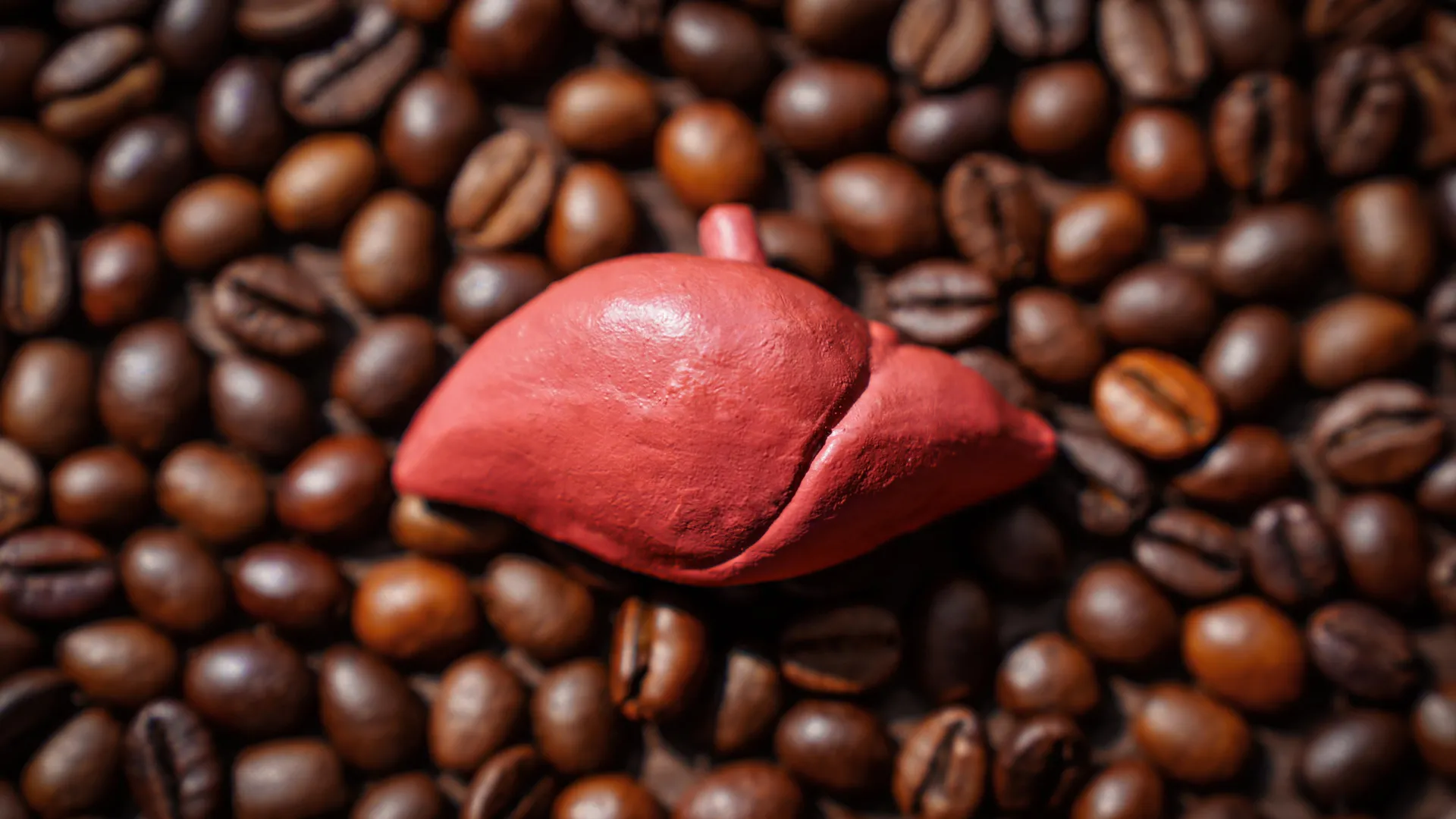
Chronic liver conditions represent a formidable global health challenge, affecting millions and often progressing silently to severe stages such as cirrhosis and hepatocellular carcinoma (HCC), a primary liver cancer. The urgency for effective preventative and management strategies is underscored by the rising incidence of conditions like Non-Alcoholic Fatty Liver Disease (NAFLD), now often referred to as Metabolic Dysfunction-Associated Steatotic Liver Disease (MASLD), driven by increasing rates of obesity and type 2 diabetes. Amidst this backdrop, an extensive investigation conducted by researchers at Cedars-Sinai Health Sciences University has offered compelling new insights into a commonly consumed beverage: coffee. This landmark study suggests that regular coffee intake may play a significant role in mitigating the progression of liver damage, potentially reducing the risks of advanced liver disease and related mortality.
Published in the esteemed journal Clinical Gastroenterology and Hepatology, the research stands out due to its unprecedented scale and sophisticated methodology. Prior scientific inquiries have often hinted at a beneficial relationship between coffee consumption and liver health, yet many were constrained by smaller participant pools or a narrower focus on specific aspects of liver pathology. The Cedars-Sinai team, however, embarked on one of the most comprehensive analyses to date, meticulously examining data from hundreds of thousands of individuals over more than a decade. Their approach integrated long-term health outcomes with advanced diagnostic imaging and detailed molecular analyses, providing a multi-layered understanding of coffee’s potential impact on the hepatic system.
The study leveraged the robust dataset of the UK Biobank, a world-renowned biomedical database containing in-depth genetic, lifestyle, and health information from half a million UK residents. Researchers enrolled 354,957 participants who, at the commencement of the study, exhibited no prior history of cirrhosis or liver cancer, ensuring a baseline free from advanced liver disease. Over a median follow-up period spanning 13 years, the scientific team systematically tracked new diagnoses of cirrhosis, instances of liver cancer, and all-cause mortality attributable to liver disease using linked medical records. This extensive longitudinal design allowed for a powerful examination of the long-term associations between dietary habits, specifically coffee consumption, and the trajectory of liver health.
The findings painted a consistent picture: individuals who regularly consumed coffee generally demonstrated superior liver health outcomes compared to their non-coffee-drinking counterparts. The protective effect appeared to be dose-dependent, meaning that increased intake correlated with greater benefits. For instance, participants who reported consuming five or more cups of coffee daily experienced a remarkable 32% reduction in the risk of developing cirrhosis. Furthermore, this high-intake group showed a 47% lower likelihood of being diagnosed with liver cancer and a significant 42% decreased risk of succumbing to liver disease-related causes. While the most pronounced benefits were observed at higher consumption levels, the researchers noted encouraging signs of protection even among individuals drinking just one or two cups per day, with optimal associations typically manifesting at an intake of approximately three to four cups daily.
Beyond epidemiological associations, a crucial aspect of this study involved delving into the underlying biological mechanisms. The research team integrated objective measures of liver health through MRI scans and biochemical analysis of blood samples. These advanced diagnostic tools allowed them to observe physical and molecular indicators of liver function and damage. Participants with higher coffee intake exhibited lower levels of liver fat, a condition known as hepatic steatosis or fatty liver, which is the precursor to more severe liver diseases like MASLD. They also displayed reduced indicators of excess liver iron, a factor known to contribute to oxidative stress and liver injury. Crucially, MRI scans revealed less fibrosis—the scarring of liver tissue that precedes cirrhosis—and diminished signs of liver inflammation. These physical improvements were corroborated by blood tests, which showed higher concentrations of proteins associated with robust liver function and, conversely, lower levels of proteins linked to inflammation and the very tissue scarring observed in MRI images. These combined observations provide compelling biological evidence that coffee’s protective effects extend beyond mere statistical correlation, potentially influencing fundamental pathological processes within the liver.
One of the most intriguing discoveries from this comprehensive study was the observation that both caffeinated and decaffeinated coffee were associated with improved liver outcomes. This particular finding suggests that caffeine, while a prominent compound in coffee and known for its stimulant properties, is likely not the sole, or even primary, agent responsible for the observed liver-protective benefits. Coffee is a remarkably complex beverage, containing a rich array of naturally occurring bioactive compounds beyond caffeine. These include various polyphenols, such as chlorogenic acids, which are potent antioxidants; diterpenes like cafestol and kahweol, known for their anti-inflammatory and potential anti-cancer properties; and melanoidins, formed during the roasting process, which also possess antioxidant capacities. Other beneficial components like quinides and magnesium may also contribute to coffee’s diverse physiological effects. It is hypothesized that the synergistic action of these numerous compounds, rather than a single ingredient, confers coffee’s multifaceted protective effects on the liver, potentially by reducing oxidative stress, modulating inflammatory pathways, improving insulin sensitivity, and directly interfering with fibrogenesis.
Despite the compelling nature of these findings, the researchers prudently emphasized several important caveats. The study, by its design, was observational. While it meticulously identified strong associations between coffee consumption and better liver health outcomes, it cannot definitively establish a direct cause-and-effect relationship. Observational studies, by their nature, are susceptible to confounding factors—other lifestyle choices, dietary habits, or socioeconomic variables that might influence both coffee intake and liver health. Although the Cedars-Sinai team employed rigorous statistical methods to adjust for many such variables, the possibility of unmeasured confounders always remains. Therefore, while the evidence strongly suggests a protective role, it does not prove that coffee directly prevents cirrhosis, liver cancer, or liver-related mortality.
Consequently, medical professionals are not yet recommending that individuals begin drinking coffee solely for the purpose of liver protection based on this study alone. Instead, the consensus remains that coffee consumption should be viewed as a complementary strategy within a broader framework of established liver health guidelines. Primary prevention should continue to center on maintaining a healthy body weight, adhering to a balanced diet, limiting alcohol intake, engaging in regular physical activity, and effectively managing chronic metabolic conditions such as diabetes, high blood pressure, and elevated cholesterol. For individuals who already enjoy and tolerate coffee well, the findings provide further encouragement for moderate consumption as part of a healthy lifestyle.
It is also crucial to acknowledge that coffee, and specifically its caffeine content, may not be suitable for everyone. Certain individuals with pre-existing health conditions may need to limit or avoid caffeine entirely. Those with uncontrolled high blood pressure, specific cardiac arrhythmias, severe anxiety disorders, persistent insomnia, or other medical conditions requiring caffeine restriction should consult with a healthcare provider before increasing their coffee intake. The potential benefits for liver health must be weighed against individual health profiles and potential adverse effects of caffeine.
Looking ahead, the research team highlighted the importance of future investigations to further unravel the complex relationship between coffee and liver health. A key next step involves pinpointing the specific compounds within coffee that are responsible for the observed liver-protective associations. This could entail detailed laboratory studies, including in vitro and animal models, and potentially even randomized controlled trials testing purified coffee extracts. Understanding the precise molecular targets and biological pathways influenced by these compounds could pave the way for the development of novel therapeutic agents or targeted dietary interventions. Furthermore, identifying who stands to benefit the most from coffee consumption, perhaps through genetic predispositions or specific risk factors for liver disease, will be an important area of future personalized medicine research.
The Cedars-Sinai study represents a significant stride in understanding the potential health benefits of coffee. By integrating large-scale epidemiological data with intricate biological analyses, it offers a more complete picture of how this ubiquitous beverage may contribute to safeguarding liver health. While caution is warranted regarding definitive cause-and-effect conclusions and individualized recommendations, the research undeniably strengthens the evidence base for coffee as a beneficial component of a liver-friendly lifestyle. The journey to fully understand coffee’s intricate interplay with human physiology continues, promising further revelations that could inform public health strategies and individual wellness choices.
About the Author