A groundbreaking investigation, spearheaded by researchers at the USC Leonard Davis School of Gerontology, has illuminated a previously unrecognized molecular mechanism through which a Mediterranean-style dietary regimen may influence the aging process. This intricate pathway involves minuscule proteins, known as microproteins, that are synthesized within the cell’s energy-generating powerhouses, the mitochondria. While mitochondria have long been recognized for their fundamental role in cellular energy production, a growing body of scientific evidence highlights their broader significance as crucial orchestrators of cellular communication. These organelles release a complex array of chemical signals that exert profound influence over vital physiological processes including metabolic regulation, inflammatory responses, cellular stress management, and the overarching trajectory of aging.
The study’s findings revealed a significant correlation between strict adherence to a Mediterranean diet and elevated circulating levels of two specific mitochondrial microproteins: humanin and SHMOOSE. These particular molecules have independently been implicated in offering protective benefits against the development of cardiovascular ailments and neurodegenerative conditions, such as the progressive decline in neuronal function characteristic of Alzheimer’s disease. Roberto Vicinanza, an instructional associate professor of gerontology at the USC Leonard Davis School and the lead investigator of this research, elaborated on the significance of these findings. He posited that these microproteins likely function as critical molecular couriers, effectively translating dietary intake into tangible effects on cellular operations and the aging cascade. This discovery represents a novel biological avenue that provides a more profound understanding of the potent health-promoting properties associated with the Mediterranean dietary pattern.
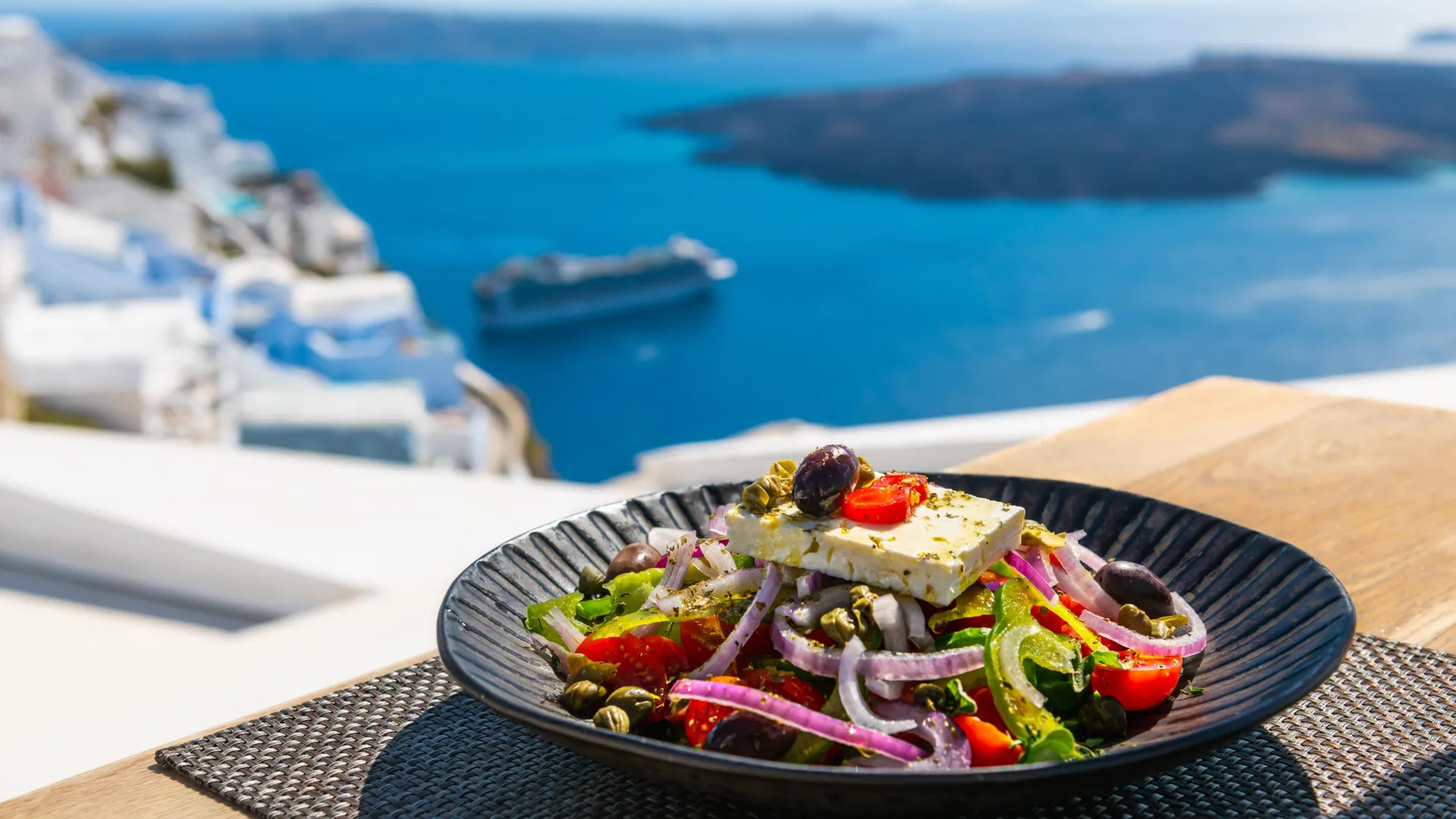
The Mediterranean diet, a time-honored culinary tradition, is characterized by its emphasis on whole, minimally processed foods. Key components include generous portions of olive oil, a variety of fish, nutrient-rich legumes, abundant fruits and vegetables, and whole grains. Conversely, this dietary approach typically advocates for a reduction in the consumption of refined carbohydrates, highly processed food items, and products laden with added sugars. For decades, extensive epidemiological and clinical research has consistently linked this eating pattern to a demonstrably lower incidence of cardiovascular disease, a reduced risk of developing type 2 diabetes, a slower rate of cognitive decline, and an overall increase in longevity. Nevertheless, the precise cellular and molecular mechanisms underpinning these widely observed health benefits have remained a subject of ongoing scientific inquiry.
Within the framework of this new research, the investigative team meticulously analyzed blood samples collected from a cohort of older adults whose dietary habits varied in their degree of adherence to the Mediterranean diet. The analysis uncovered a statistically significant observation: participants who most closely followed the dietary principles exhibited considerably higher concentrations of both humanin and SHMOOSE. Furthermore, these individuals also displayed lower levels of biomarkers indicative of oxidative stress. Oxidative stress is a state of cellular imbalance that arises when the body’s defense mechanisms are overwhelmed by an excess of unstable molecules known as reactive oxygen species. This persistent cellular damage can compromise the integrity of vital cellular components, including proteins, lipids, and DNA, and has been strongly associated with the aging process and the pathogenesis of numerous chronic diseases.
The study’s outcomes suggest that distinct dietary elements within the Mediterranean regimen may contribute differentially to the maintenance of mitochondrial integrity and function. Specifically, greater consumption of olive oil, fish, and legumes demonstrated a positive association with enhanced levels of humanin. Similarly, a higher intake of olive oil, coupled with a reduced consumption of refined carbohydrates, was linked to elevated concentrations of SHMOOSE. Refined carbohydrates, often found in products like white bread and pastries, undergo processing that strips them of valuable fiber and nutrients, leading to rapid digestion and sharp fluctuations in blood glucose levels.
Pinchas Cohen, Dean of the USC Leonard Davis School and USC Distinguished Professor, who served as the senior author of the study, highlighted the profound implications of these findings. He indicated that these results strongly suggest a direct interplay between specific constituents of the Mediterranean diet and the intricate biological machinery of mitochondria. Professor Cohen further proposed that humanin and SHMOOSE could potentially serve as valuable biomarkers, not only for assessing an individual’s adherence to the Mediterranean diet but also for indicating its clinical efficacy. A biomarker is a quantifiable biological indicator that provides insights into an individual’s health status, the presence of disease, or the body’s response to a particular intervention or lifestyle choice. In this context, these two microproteins could offer a sophisticated method for researchers to gauge the extent to which an individual’s physiological system is positively responding to a Mediterranean dietary pattern.
This research builds upon a substantial foundation of work, spanning over two decades, led by Professor Cohen, who was instrumental in the initial discovery of peptides originating from mitochondria. While the majority of well-known human proteins are encoded by genetic instructions housed within the cell nucleus, mitochondria possess their own distinct, albeit small, genetic material, which is inherited independently from nuclear DNA. Humanin and SHMOOSE are derived from specific, short segments within the mitochondrial genome, referred to as small open reading frames. Historically, these regions were considered to be of minimal functional importance. However, contemporary research has revealed that some of these sequences are indeed transcribed and translated into biologically active microproteins.
Humanin stands out as one of the most extensively studied of these mitochondrial-derived peptides. It was first identified by Professor Cohen and his collaborators in 2003. Subsequent investigations have consistently linked humanin to a range of beneficial physiological effects, including improved insulin sensitivity, enhanced cardiovascular protection, promotion of longevity, and the preservation of cognitive faculties. More recently, Professor Cohen’s laboratory identified SHMOOSE (Small Human Mitochondrial ORF Over SErine tRNA), a microprotein that has shown promise in supporting brain health. Notably, a particular genetic variation of SHMOOSE has been associated with an increased susceptibility to Alzheimer’s disease, whereas the standard form of the protein appears to confer neuroprotection by safeguarding neurons from damage induced by amyloid proteins. Amyloid is a protein that can aggregate abnormally within the brain, forming plaques, which are a hallmark pathological feature of Alzheimer’s disease. Professor Cohen emphasized that these peptides are increasingly recognized as pivotal regulators of aging biology, effectively bridging the gap between mitochondrial function and debilitating diseases such as Alzheimer’s and heart disease, and now, crucially, connecting these processes to nutritional influences.
A potential novel mechanism of cardiac protection has also been uncovered in relation to humanin. The researchers observed a possible link between humanin and Nox2, an enzyme involved in the generation of reactive oxygen species. While reactive oxygen species play essential roles in normal cellular signaling and immune system function, an overproduction can lead to tissue damage and exacerbate oxidative stress. The study found that higher levels of humanin were correlated with reduced Nox2 activity, suggesting that humanin may play a role in mitigating oxidative damage and thereby providing an additional layer of defense for the heart and circulatory system. The researchers hypothesize that the Mediterranean diet may offer cardiovascular benefits through a dual approach: it may directly diminish oxidative stress while simultaneously augmenting the production of mitochondrial microproteins that help to suppress damaging cellular pathways. Vicinanza described this as a potentially new avenue through which the Mediterranean diet exerts its cardioprotective effects.
Beyond the laboratory, Vicinanza has actively championed the Mediterranean diet as a global model, not only for its health benefits but also for its cultural significance and environmental sustainability. His collaborations, including work with the Municipality of Pollica in Italy, a community recognized for its exemplary Mediterranean diet heritage, have contributed to initiatives such as the establishment of the International Day of the Mediterranean Diet at the United Nations. This annual observance, held on November 16th, aims to raise global awareness regarding the profound health, cultural, and ecological importance of this dietary pattern. Vicinanza views this mission as intrinsically connected to the broader implications of the recent research findings. He articulated that these discoveries serve to bridge ancient dietary traditions with cutting-edge molecular biology, reinforcing the notion that historically adopted eating patterns, characterized by minimal consumption of ultra-processed foods, align with human evolutionary adaptations and create an environment to which mitochondria, ancient cellular organelles, are likely well-suited. Cellular organelles are specialized structures within cells that perform specific functions; mitochondria are considered ancient due to their evolutionary origins from bacteria that established a symbiotic relationship with early eukaryotic cells over a billion years ago.
While this study represents a significant step forward, it is important to acknowledge its observational nature and relatively small sample size. Consequently, it has identified associations between dietary patterns and microprotein levels but cannot definitively establish a causal relationship. Numerous other factors, such as physical activity levels, overall health status, medication use, genetic predispositions, and broader lifestyle choices, could have influenced the observed outcomes. Despite these limitations, the results offer compelling insights into the burgeoning field of precision nutrition, an approach that seeks to tailor dietary recommendations to individuals based on their unique biological profiles, genetic makeup, metabolic characteristics, and other personal attributes, moving beyond generalized dietary advice. In the future, humanin, SHMOOSE, and related mitochondrial microproteins may become instrumental in enabling scientists to identify which specific dietary interventions yield beneficial cellular effects in individual patients. Subsequent research endeavors will focus on rigorously testing whether modifications to a person’s diet can directly lead to an increase in these peptide levels and, crucially, whether such increases translate into a measurable reduction in disease risk. Vicinanza stated the ultimate goal is to transition from observing correlations to elucidating causal mechanisms, thereby enabling the development of nutritional strategies that promote healthy aging at the molecular level.
The study, titled "Mediterranean diet adherence is associated with mitochondrial microproteins Humanin and SHMOOSE; potential role of the Humanin-Nox2 interaction in cardioprotection," was published on March 9, 2026, in the journal Frontiers in Nutrition. The research team included co-authors Junxiang Wan and Kelvin Yen from the USC Leonard Davis School, and Vittoria Cammisotto, Francesco Violi, and Pasquale Pignatelli from Sapienza University of Rome. The research received funding from the USC Daryl and Irwin Simon Nutrition for Alzheimer’s Disease Prevention Research Fund (awarded to Vicinanza), the Hanson-Thorell Family Research Award (awarded to Vicinanza), National Institutes of Health grant P30AG094848 (awarded to Cohen), and PRIN 2022 grant 000031_23_PP_PIGNATELLI_PRIN_2022-B53D23021240006 (awarded to Pignatelli).
About the Author