Novel Antibody Therapy Shows Promise in Halting Aggressive Prostate Cancer Metastasis.
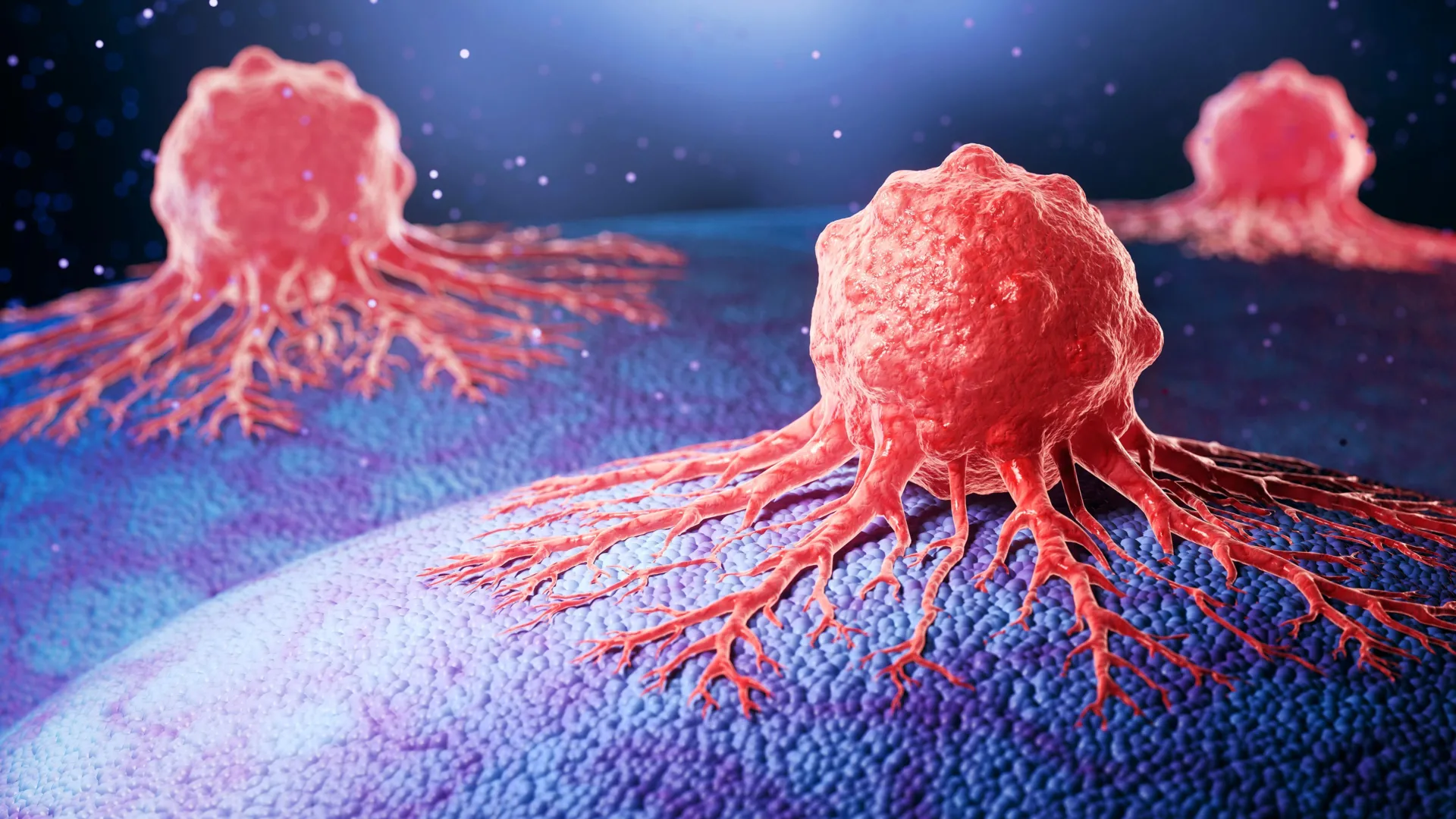
Researchers at Umeå University, in conjunction with several other academic and industrial partners, have unveiled an innovative antibody-based therapeutic candidate demonstrating significant potential to curb the progression and spread of aggressive prostate cancer. This groundbreaking development, detailed in a recent publication in the journal Signal Transduction and Targeted Therapy, targets a critical pathway involved in tumor invasiveness and dissemination, offering a new avenue for treatment.
The investigation, spearheaded by Professor Maréne Landström from the Department of Medical Biosciences at Umeå University, focused on identifying and neutralizing the fundamental biological mechanisms that fuel the growth, mobility, and metastatic potential of cancer cells. "Our primary objective with this novel agent was to inhibit metastasis, and we are immensely gratified to have elucidated the specific molecular drivers behind cancer cell proliferation, their capacity to invade surrounding tissues, and their ability to spread throughout the body," stated Professor Landström, highlighting the study’s core achievement.
Prostate cancer represents a significant global health challenge, ranking among the most frequently diagnosed malignancies in men. While a considerable proportion of prostate tumors exhibit indolent behavior and pose no immediate threat to life, a subset of these cancers develops aggressive characteristics. This aggressive phenotype is often associated with the disease’s capacity to extend beyond the confines of the prostate gland, with common sites of secondary tumor development including the lymphatic system and bone tissue.
In response to this critical unmet medical need, the research consortium meticulously engineered a fully human monoclonal antibody. The inherent nature of this antibody, being composed entirely of human protein components, confers advantageous pharmacological properties that are crucial for its potential translation into a clinically viable therapeutic. Preclinical evaluations of this antibody have yielded compelling results, demonstrating its efficacy in both suppressing primary tumor growth and preventing the metastatic spread of aggressive prostate cancer subtypes.
The mechanism by which this antibody operates is novel and has been a key focus of the research. By intervening in this newly identified pathway, the researchers anticipate that the therapeutic agent may also present a more favorable safety profile compared to existing treatments, potentially minimizing adverse side effects often associated with cancer therapies. This targeted approach aims to provide a more precise and potentially gentler treatment option for patients facing advanced disease.
The successful performance of the antibody in preclinical models marks a significant milestone in the protracted journey from initial concept to a tangible treatment accessible to patients. This phase of research validates the underlying scientific hypothesis and provides a strong foundation for further development. However, Professor Landström emphasized that this achievement, while promising, represents an early stage in a complex and multi-faceted process. "This represents a crucial step forward, but numerous critical phases must be successfully navigated before this therapeutic can ultimately benefit patients," she cautioned. "We are still obligated to conduct extensive safety studies, and the treatment will require rigorous approval from regulatory bodies in key markets such as Europe and the United States."
The overarching ambition of this extensive research endeavor is to significantly enhance the survival rates and improve the overall quality of life for men diagnosed with advanced prostate cancer. This scientific undertaking, which has spanned several years, is a testament to the collaborative spirit and dedicated efforts of a large team of researchers, supported by various organizations and essential funding partners. The progress achieved underscores the power of interdisciplinary collaboration in tackling complex diseases.
The intricate process of antibody development and optimization benefited significantly from the specialized expertise provided by drug development specialists at the SciLifeLab Drug Discovery and Development Platform. Their contributions were instrumental in the successful design and synthesis of the antibody utilized in this pivotal study, underscoring the importance of specialized scientific infrastructure in advancing translational research.
Furthermore, the Umeå Biotech Incubator, an initiative associated with Umeå University, provided crucial support throughout the research lifecycle. Financial backing from MetaCurUm Biotech AB, a local biotechnology firm, proved indispensable for the comprehensive development and rigorous testing of this novel treatment strategy, illustrating the vital role of industry-academia partnerships.
Looking ahead, the research team is keen to broaden the scope of their investigation. A primary objective for the next phase of research involves exploring the potential applicability of this therapeutic strategy against a wider spectrum of solid tumors. The hypothesis is that the underlying biological pathway targeted by the antibody may also play a role in the progression of other cancer types. "Our immediate next step is to rigorously investigate whether this therapeutic intervention can be effectively employed against other forms of solid tumors," Professor Landström elaborated. "It is our profound hope that our ongoing work will ultimately contribute to the development of a new class of cancer drugs capable of making a meaningful difference in the lives of patients."
The extensive scope and ambitious nature of this research project were made possible through substantial financial contributions from a consortium of esteemed foundations and governmental bodies. These include the Knut and Alice Wallenberg Foundation (KAW), the Erling Persson Foundation, the Kempe Foundations, the Swedish Research Council, the Swedish Cancer Society, ALF funding, the Swedish Prostate Cancer Federation, the Cancer Research Foundation in Northern Sweden, and the Faculty of Medicine at Umeå University. This broad base of support highlights the collective commitment to advancing cancer research and developing innovative therapies.

Related News