Chronic pruritus, more commonly known as persistent itching, represents a significant and often debilitating symptom for millions globally, particularly those afflicted by inflammatory dermatological conditions such as eczema. While current therapeutic strategies can provide relief for acute forms of itch, such as those caused by chemical irritants like insect bites or certain plant exposures, their efficacy diminishes considerably when confronted with the relentless, long-term discomfort associated with chronic skin inflammation. This medical challenge underscores the urgent need for a deeper understanding of the neurological underpinnings of itch and the identification of novel therapeutic targets. In a landmark study, researchers at the University of Michigan have made a pivotal discovery, identifying a previously unrecognized biological pathway involving specialized fine hairs and their associated nerve cells that appears to drive a particular type of itch, termed "mechanical itch." This breakthrough, detailed in the scientific journal Neuron, promises to reshape our approach to treating some of the most intractable forms of chronic itching disorders.
The investigation, spearheaded by Dr. Bo Duan, an associate professor in the Department of Molecular, Cellular, and Developmental Biology at the University of Michigan, delved into the complex sensory system responsible for tactile sensations. Their focus honed in on a distinctive category of slender, touch-sensitive hairs observed in mouse models, which they termed "vellus-like hairs." These structures bear a striking resemblance to the fine, pale, short vellus hairs that abundantly cover much of the human integumentary system, often colloquially referred to as "peach fuzz." Unlike the thicker, pigmented terminal hairs found on the scalp or eyebrows, vellus hairs have historically received less scientific scrutiny, despite their widespread presence. The Michigan team’s innovation lay in associating these specific hairs with a dedicated cluster of nerve cells previously not implicated in itch transmission, thereby proposing a specialized sensory apparatus for this particular form of pruritus.
Dr. Duan emphasized the clinical relevance of their findings, stating that chronic itch is a pervasive and distressing symptom for a vast number of patients suffering from chronic skin inflammation. He articulated the team’s conviction that the newly elucidated pathway plays a profoundly important role in mediating both acute instances of mechanical itch and the persistent, chronic variant. This distinction between "mechanical itch"—triggered by light touch or movement of hairs—and "chemical itch"—elicited by irritants—is crucial for understanding why current treatments often fall short for the former. Existing medications, largely targeting inflammatory mediators or histamines, are well-suited for chemical itch, but the neurological mechanisms behind mechanical itch have remained largely obscure, limiting the development of targeted interventions.
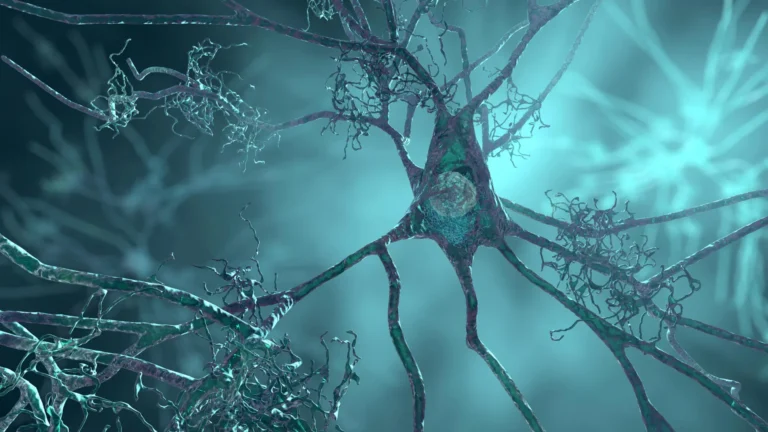
To unravel the precise function of these newly identified neurons, the research team conducted a series of meticulously designed experiments using mouse models engineered to exhibit chronic skin inflammation, a condition mirroring human eczema. In these experimental setups, mice possessing the full complement of these specialized neurons displayed typical scratching behaviors in response to various itch stimuli. Crucially, however, when the researchers either genetically eliminated these neurons or temporarily deactivated them, the animals demonstrated a dramatic and statistically significant reduction in their scratching responses. This compelling evidence strongly implicated this specific neuronal population as a critical component in the transmission and perception of mechanical itch signals. The study received partial financial support from the National Institutes of Health, a testament to its potential impact on human health.
The discovery holds profound implications for the development of future therapeutic strategies. Dr. Duan underscored the necessity of identifying novel biological targets to effectively manage chronic itch, especially given the limitations of existing pharmacological approaches. He posited that this distinct population of neurons, central to the mechanical itch pathway, could represent an entirely new and promising target for future drug development. The research group is actively pursuing follow-up projects aimed at further characterizing this pathway and exploring its therapeutic potential.
While direct experimentation on the precise pathway in human subjects is inherently complex due to ethical and practical considerations, several lines of evidence strongly suggest that a similar dedicated system exists within the human body. Genetic analyses, for instance, confirm that humans possess the requisite genes to produce these specialized touch-sensitive neurons. Furthermore, the researchers identified specific proteins in mice that are instrumental in relaying itch signals from the vellus-like hairs, through these specialized neurons, and onwards to the spinal cord. When human neurons, cultured in vitro under laboratory conditions, were exposed to these very same signaling proteins, they exhibited analogous physiological responses. These convergent findings lend considerable weight to the hypothesis that humans share a comparable mechanism for transmitting and perceiving mechanical itch. Dr. Duan remarked that their investigation not only points to the existence of this specific mechanical itch transmission mechanism in humans but also illuminates the body’s intricate design of a dedicated sensory system for this particular type of sensation.
The phenomenon of mechanical itch, though commonly experienced, has long perplexed scientists regarding its underlying molecular and cellular mechanisms. Dr. Duan often employs a simple classroom demonstration to illustrate this: gently brushing a fine point of tissue across the delicate hairs around the lips. If the contact is sufficiently light, stimulating only the fine vellus hairs rather than the thicker terminal hairs, an unexpected sensation of itch can suddenly arise. Both humans and animals regularly encounter this form of pruritus, yet the precise neural circuitry remained a mystery until this recent research. The new findings now provide a comprehensive map of the sensory pathway connecting these specialized hairs to the central nervous system, and when integrated with the team’s prior investigations, offers an unprecedentedly clear picture of how mechanical itch signals traverse the body.
The existence of these unusual vellus-like hairs in mice was first documented over a century ago. These fine structures are particularly prevalent in areas such as behind the ears, beneath the mouth, and near the base of the paws. Despite their early discovery, they have received comparatively little attention from the broader sensory research community. A significant hurdle in studying this specific type of itch in mice was the absence of established experimental methodologies. Consequently, Dr. Duan’s team had to ingeniously devise their own approach. As he humorously noted, "A mouse can’t say that it’s itchy, but it will scratch." To induce mechanical itch in their animal models, the researchers delicately stimulated the vellus-like hairs using a small loop of thread. Following the identification of the neurons responsible for this response, they genetically modified these cells to become responsive to blue light. Remarkably, merely shining blue light onto the genetically engineered mice was sufficient to trigger the same characteristic scratching behavior observed during direct mechanical stimulation, thus providing compelling evidence that these specific neurons directly mediate the sensation of itch.
Given that humans are largely covered by vellus hair (with exceptions like the palms and soles), one might reasonably wonder why we are not perpetually scratching. Previous groundbreaking work from Dr. Duan’s laboratory offers a compelling explanation: the spinal cord contains intricate "gating" circuits. These neural circuits typically act as inhibitory filters, suppressing mechanical itch signals and allowing them to ascend to the brain only under specific physiological conditions or when the intensity crosses a certain threshold. This elegant mechanism prevents an incessant barrage of itch sensations from the constant interaction of our fine body hairs with clothing or ambient air currents.
The evolutionary rationale behind this specialized sensory system is also a subject of active inquiry. Dr. Duan postulates that these hairs, especially abundant around sensitive regions such as the mouth and ears in both humans and mice, may have evolved as a sophisticated early warning system. This system could alert mammals to the presence of insects, parasites, or other small foreign objects making contact with vulnerable areas of the body, thereby prompting a defensive scratching or removal action.
Ultimately, the comprehensive understanding of this previously hidden sensory system holds immense promise for the medical community. By elucidating the precise cellular and molecular mechanisms underlying mechanical itch, researchers are now better equipped to design and develop truly novel therapeutic interventions. This is particularly crucial for patients suffering from inflammatory skin diseases, where the relentless itch often remains agonizingly resistant to existing pharmaceutical agents. The University of Michigan’s discovery represents a significant leap forward in our quest to alleviate the burden of chronic pruritus and improve the quality of life for countless individuals worldwide.
About the Author