A recent investigation by scientists at King’s College London, in collaboration with the University of Reading, has shed light on an intriguing interaction between specific dietary components, oral conditions, and their transient influence on blood pressure. The research identifies a previously understated role for salivary acidity, modified by the simple act of chewing sugar-laden gum following the consumption of nitrate-rich vegetables, in optimizing the body’s utilization of these beneficial compounds. This discovery offers a novel perspective on how everyday habits might subtly modulate physiological processes, particularly those related to cardiovascular health.
The journey of dietary nitrate from the soil to its systemic impact is a complex biological cascade, pivotal for understanding its health benefits. Nitrates are abundantly present in a variety of green leafy vegetables such as spinach, kale, and rocket, as well as root vegetables like beetroot. When consumed, these inorganic nitrate ions enter the digestive system. Crucially, a significant proportion, roughly 25%, is reabsorbed into the bloodstream and then actively concentrated in the salivary glands, where it is secreted back into the oral cavity. Herein lies the critical juncture: the human body lacks the enzymes to directly convert nitrate into its active form. Instead, this vital transformation is orchestrated by a diverse community of commensal bacteria residing on the tongue and other oral surfaces. These specialized microorganisms possess nitrate reductase enzymes, which are capable of reducing nitrate (NO₃⁻) to nitrite (NO₂⁻).
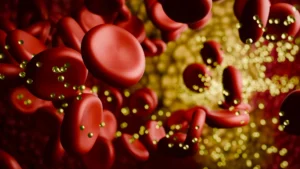
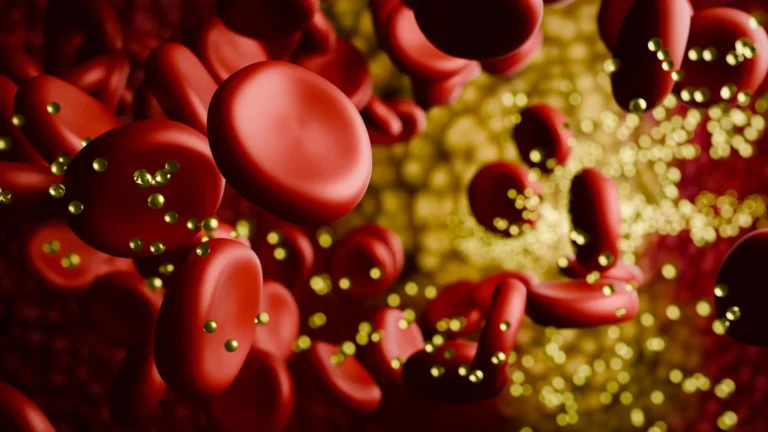
Once formed, nitrite can follow several pathways. A portion is swallowed and further processed in the acidic environment of the stomach, where it can be converted into nitric oxide (NO). Nitric oxide is a potent vasodilator, a gaseous signaling molecule that plays a fundamental role in cardiovascular regulation. It promotes the relaxation and widening of blood vessels, thereby improving blood flow, reducing resistance, and ultimately contributing to a decrease in arterial blood pressure. The efficiency of this oral conversion process is therefore a rate-limiting step in maximizing the cardiovascular benefits derived from dietary nitrates. For years, researchers have sought methods to enhance this initial bacterial transformation, recognizing its potential for therapeutic and performance-enhancing applications.
A key factor influencing the biochemical activity of oral bacteria is the pH of their environment. Scientific inquiry has long grappled with how variations in salivary acidity might modulate the nitrate-to-nitrite conversion. Conventional wisdom in some microbiological contexts often suggests that increasing acidity might inhibit certain enzymatic reactions. However, the intricacies of the oral microbiome, with its vast array of bacterial species and metabolic pathways, present a more nuanced picture. Dr. Andrew Webb, a Clinical Senior Lecturer at King’s College London’s School of Cardiovascular & Metabolic Medicine & Sciences, highlighted this fundamental question. "The precise impact of salivary acidity on the conversion of inactive nitrate to the biologically active nitrite is a critical area, given its downstream effects on numerous physiological functions, including blood pressure," Dr. Webb explained. He noted that comprehensive, whole-body studies examining this process over extended periods have been scarce. Intriguingly, earlier work by his team had demonstrated that combining grapefruit juice with beetroot juice led to a decrease in salivary acidity, which, in turn, inhibited nitrate conversion. This prior observation spurred the current investigation: to formally test whether increasing salivary acidity could have the opposite, beneficial effect.
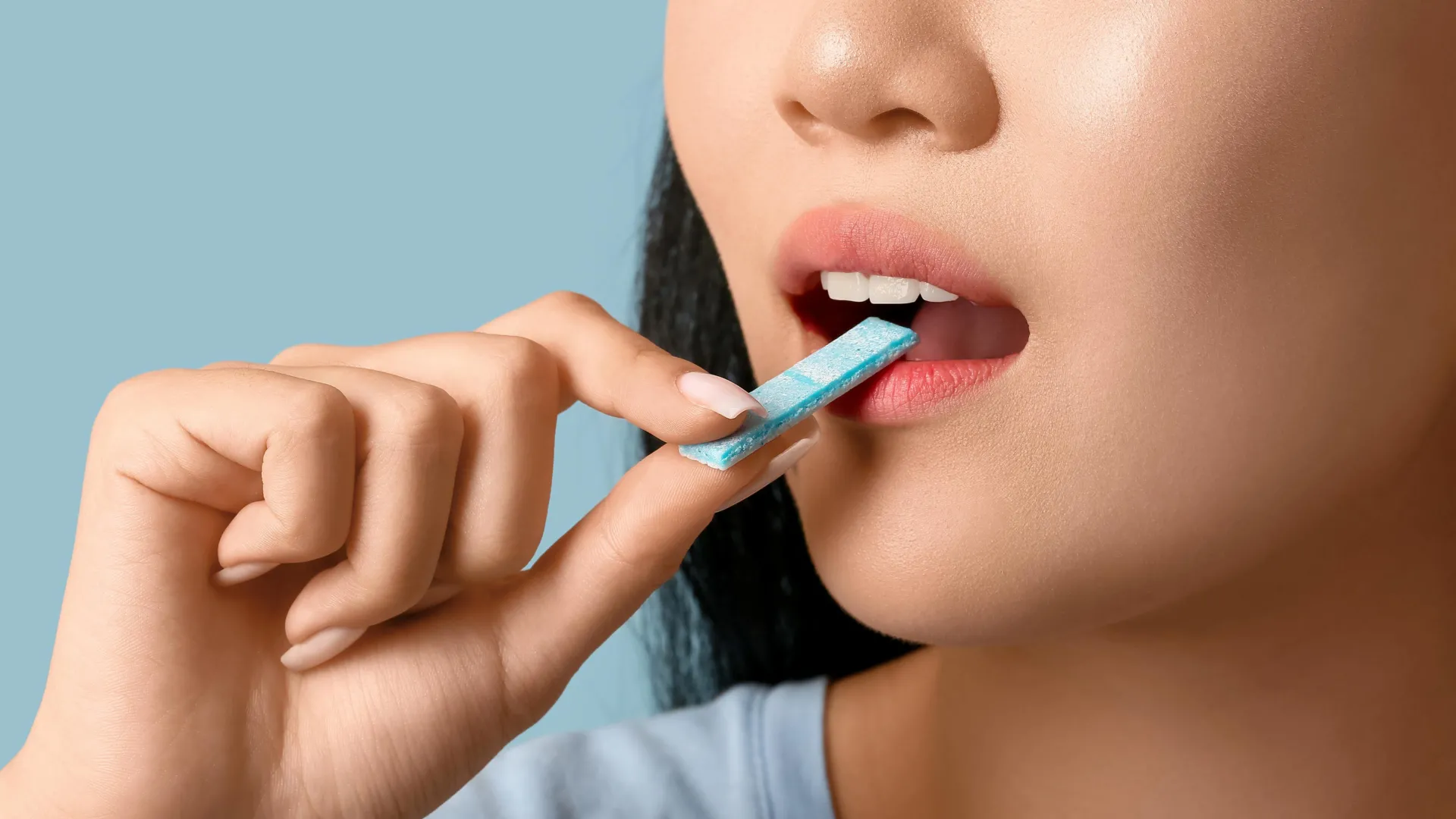
To rigorously investigate this hypothesis, the research team designed a crossover study involving a cohort of healthy volunteers. A crossover design is particularly robust as each participant serves as their own control, minimizing variability caused by individual differences. In the first phase, participants consumed a shot of beetroot juice, a well-established source of concentrated dietary nitrate. Following this, they were instructed to chew either a sugar-containing bubble gum (specifically, Hubba Bubba®) or a sugar-free gum (Wrigley’s Extra®) for an extended period, ranging from three to six hours. Throughout this experimental window, researchers meticulously collected blood and saliva samples at regular intervals to monitor nitrate and nitrite levels, as well as oral pH. Blood pressure measurements were also taken systematically. After a washout period of at least one week, each participant returned to repeat the entire protocol, but this time using the other type of chewing gum. This careful methodology allowed for a direct, within-subject comparison of the effects of sugary versus sugar-free gum on nitrate metabolism and blood pressure.
The results of the study provided compelling evidence supporting the acidity hypothesis. Compared to chewing sugar-free gum, the act of chewing sugar-containing Hubba Bubba gum led to a significant and measurable increase in salivary acidity, manifesting as an average drop of 1.4 pH units. This alteration in the oral environment correlated directly with a substantial boost in nitrite production. Participants in the sugary gum group exhibited a remarkable 45% increase in nitrite concentrations within their saliva, indicating enhanced bacterial conversion in the mouth. This localized effect translated into systemic changes, with a 25% elevation in nitrite levels circulating throughout the bloodstream. Critically, these biochemical shifts were accompanied by a discernible impact on cardiovascular parameters. The group chewing sugary gum experienced a temporary, but statistically significant, reduction in blood pressure. Systolic blood pressure, representing the pressure when the heart contracts and pushes blood out, decreased by nearly 3 mmHg. Diastolic blood pressure, the pressure when the heart rests between beats, also saw a reduction of almost 2 mmHg when compared to the sugar-free gum condition.
Despite these intriguing findings, the researchers were quick to issue a crucial disclaimer: these results should not be misconstrued as a blanket recommendation for individuals to chew sugary gum as a routine strategy for blood pressure management. The observed effects were transient, lasting only for several hours, and the well-documented long-term health implications of regular sugar consumption are substantial. Chronic intake of sugary products is strongly linked to dental caries, obesity, type 2 diabetes, and an increased risk of various metabolic and cardiovascular diseases. Therefore, while scientifically fascinating, this approach is not a viable or advisable long-term health intervention.
However, the discovery does present promising avenues for specific populations, particularly athletes. Dietary nitrates, primarily from beetroot juice, have gained considerable popularity in sports nutrition due to their scientifically supported ability to enhance exercise performance. The mechanism involves improving oxygen efficiency, reducing the oxygen cost of exercise, and delaying fatigue, thereby boosting endurance and power output. The current findings suggest a potential method to optimize the physiological benefits athletes derive from nitrate supplementation. Dr. Webb commented on the temporary nature of the effects, reiterating that "long-term use of sugar-containing products would not be recommended for dental health." Yet, he also drew an interesting parallel to existing culinary practices. "The classic culinary tradition of concluding a meal, especially one rich in nitrate-containing salad leaves and vegetables, with a sweet dessert – perhaps fruit – might incidentally and temporarily amplify blood pressure-lowering effects and exercise enhancement." He further posited that sugary chewing gum might exert a greater effect compared to sugary drinks, primarily because it remains in the oral cavity for an extended duration, prolonging the interaction with the oral microbiome.
Dr. Charlotte Mills, a co-author from the University of Reading, emphasized that the study’s primary contribution lies in its "proof of concept." The research demonstrates that it is indeed possible to manipulate the body’s processing of dietary nitrate through alterations in the oral environment, without necessarily relying on sustained sugar intake. She underscored the critical role of oral bacteria in converting dietary nitrate into beneficial, vessel-relaxing compounds. "Our findings indicate that the presence of sugar may create a more conducive environment for this process," Dr. Mills explained. Reiterating the health caveats, she stated, "We are certainly not suggesting that people should routinely chew sugary gum. Frequent sugar consumption is detrimental to both dental and cardiometabolic health." Instead, the study provides a foundational insight, prompting future research to concentrate on developing innovative "tooth-friendly, metabolically sound approaches" that can achieve similar enhancements in nitrate conversion without the negative health trade-offs. The immediate challenge, Dr. Mills noted, is to identify sustainable and effective alternative strategies for long-term application. Given that dietary nitrate is already a recognized ergogenic aid in sports, there is significant potential to refine its use for athletes. By improving the efficiency of nitrate conversion, it may be possible to unlock even greater physiological benefits for athletic performance. Dr. Mills concluded, "We found that something as simple as the type of chewing gum used alongside beetroot juice can influence how effectively the body converts dietary nitrate into compounds that help lower blood pressure."
Looking ahead, the research team plans to embark on a larger, more comprehensive study specifically targeting athletes. This upcoming investigation aims to delve deeper into how sugary chewing gum impacts various aspects of nitrate metabolism, blood pressure responses during and after exercise, and ultimately, athletic performance metrics. This ongoing work continues to unravel the intricate connections between our diet, the microbial inhabitants of our bodies, and our overall health, potentially paving the way for targeted, informed interventions. The initial findings of this study were formally published in the esteemed British Journal of Clinical Pharmacology.
About the Author