
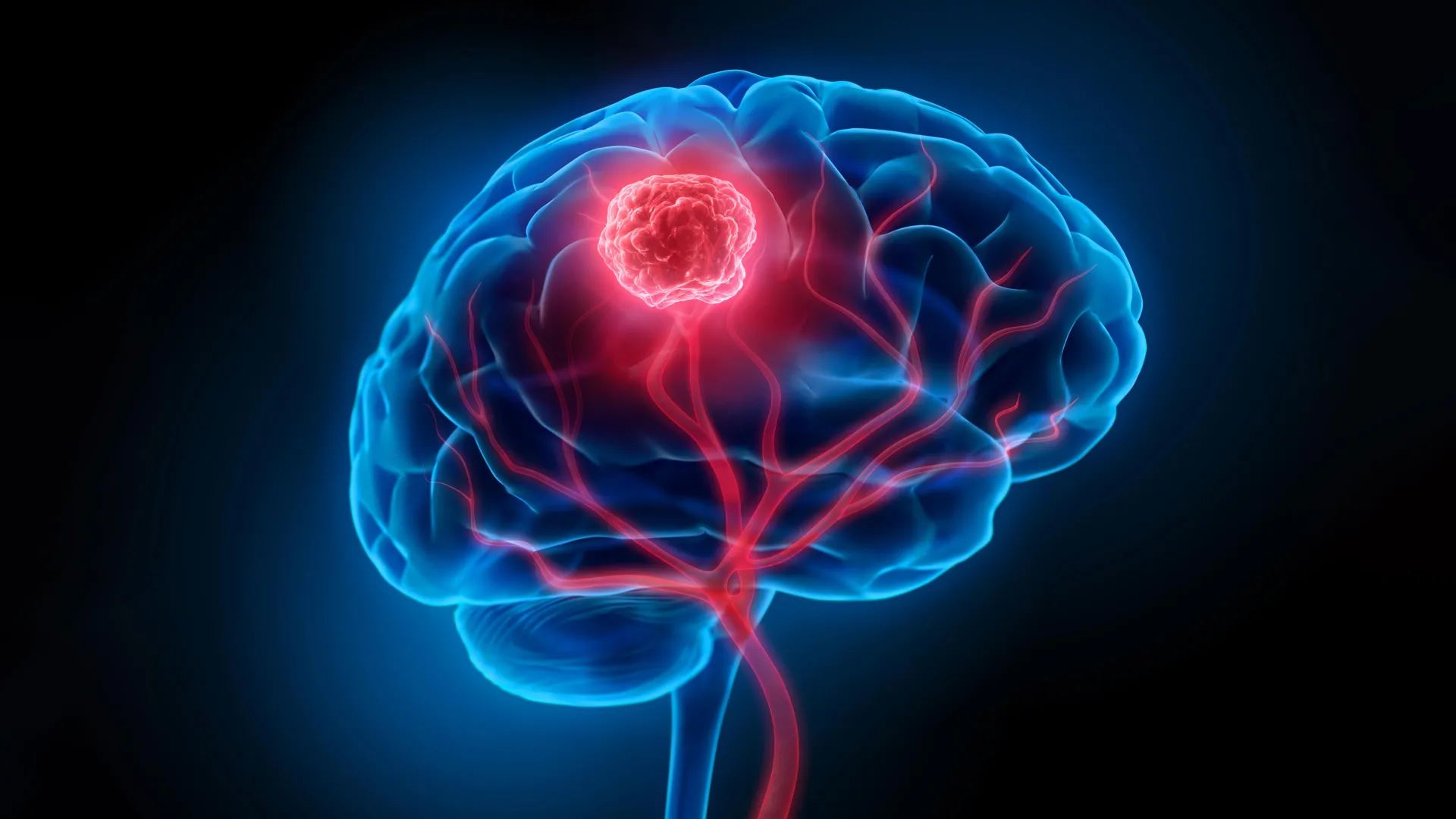
A significant scientific breakthrough has illuminated a previously unrecognized mechanism driving the aggressive growth of glioblastoma, the most formidable and currently intractable form of brain cancer, offering a glimmer of hope through the potential repurposing of an existing pharmaceutical. Researchers have identified that certain brain cells, traditionally understood to be solely supportive of neuronal function, actively contribute to the proliferation and dissemination of this deadly malignancy. These non-cancerous cells, it appears, establish a symbiotic relationship with tumor cells by emitting specific molecular signals that foster the cancer’s advancement. Experimental interventions designed to disrupt this intercellular communication pathway in laboratory settings resulted in a marked deceleration of tumor expansion, underscoring the critical role these cells play in the disease’s pathogenesis.
This groundbreaking research, a collaborative endeavor between McMaster University and The Hospital for Sick Children (SickKids) in Canada, was recently published in the esteemed journal Neuron. The study meticulously details how oligodendrocytes, a type of glial cell typically responsible for myelinating nerve fibers in the central nervous system, can undergo a functional transformation. Instead of their normal protective role, these cells can be co-opted by glioblastoma to become active participants in promoting tumor survival and expansion. They achieve this by engaging in a sophisticated signaling dialogue with the cancerous cells, creating an environment conducive to the tumor’s unchecked proliferation and invasive spread.
The implications of this discovery extend beyond fundamental biological understanding, pointing towards a novel therapeutic strategy. The research team pinpointed a specific molecular pathway involved in this aberrant cellular communication, a pathway that is already a target for a drug currently employed in the treatment of Human Immunodeficiency Virus (HIV). This existing medication, Maraviroc, is designed to inhibit the CCR5 receptor, a key component of the signaling cascade identified in the glioblastoma ecosystem. Given that Maraviroc is an established and approved pharmaceutical, its potential repurposing for glioblastoma treatment could significantly expedite the timeline for clinical application, offering a much-needed new avenue for patients facing a disease with an exceedingly grim prognosis, where survival is often measured in mere months.
Sheila Singh, a co-senior author on the study and a distinguished professor of surgery at McMaster University, articulated a paradigm shift in how glioblastoma is viewed. "Glioblastoma isn’t just a homogenous mass of cancer cells; it’s a complex, interconnected ecosystem," Professor Singh stated, emphasizing the intricate interplay of various cell types within the tumor microenvironment. "By deciphering the intricate ways these different cellular components communicate with one another, we have uncovered a critical vulnerability. This vulnerability can potentially be exploited by existing therapeutic agents, such as drugs already available on the market," she added, also serving as the director of the Centre for Discovery in Cancer Research at McMaster.
The study’s co-first authors, Kui Zhai, a research associate in the Singh Lab at McMaster, and Nick Mikolajewicz, who was a postdoctoral fellow in the Moffat Lab at SickKids during the research period, were instrumental in elucidating these complex cellular interactions. Their meticulous work provided the foundational evidence for the role of oligodendrocytes in supporting glioblastoma growth. The research builds upon a broader understanding within the scientific community that glioblastomas do not exist in isolation but thrive within intricate cellular networks. Interrupting these communication channels has long been a theoretical target for slowing disease progression. This latest study, however, moves beyond general network disruption to identify specific cellular players and their precise signaling mechanisms.
Jason Moffat, the study’s other co-senior author, a senior scientist, and head of the Genetics & Genome Biology program at SickKids, highlighted the significance of the CCR5 receptor and its link to an existing HIV medication. "The cellular ecosystem within glioblastoma is far more dynamic and complex than we previously understood," Dr. Moffat explained. "In uncovering a crucial aspect of the cancer’s underlying biology, we have simultaneously identified a therapeutic target that can be addressed with a drug that is already approved and in use. This discovery opens a highly promising pathway to investigate whether inhibiting this specific cellular communication route can accelerate progress towards developing new and more effective treatment options for patients who desperately need them."
This research is not an isolated finding but rather an extension of prior investigations by the Singh and Moffat teams. Their earlier work, published in Nature Medicine in 2024, demonstrated that glioblastoma cells possess the remarkable ability to hijack developmental pathways normally utilized during brain maturation to facilitate their own spread. When considered in tandem, these successive studies collectively chart a new and vital direction for glioblastoma research, focusing intently on disrupting the sophisticated communication systems that these tumors so effectively leverage for their survival and expansion.
Funding for this crucial research was provided by the 2020 William Donald Nash Brain Tumour Research Fellowship and the Canadian Institutes of Health Research, underscoring the national importance placed on understanding and combating brain cancers. Professor Singh holds a prestigious Tier 1 Canada Research Chair in Human Cancer Stem Cell Biology, a testament to her extensive contributions to the field. Dr. Moffat is the GlaxoSmithKline Chair in Genetics & Genome Biology at The Hospital for Sick Children, further highlighting the caliber and impact of the research institutions involved. The combined expertise and dedicated resources from these leading Canadian research centers have been pivotal in unraveling these complex biological processes and identifying potential therapeutic interventions. The identification of these hidden cellular allies of cancer marks a pivotal moment, potentially reshaping treatment paradigms for one of the most devastating human diseases.
About the Author












