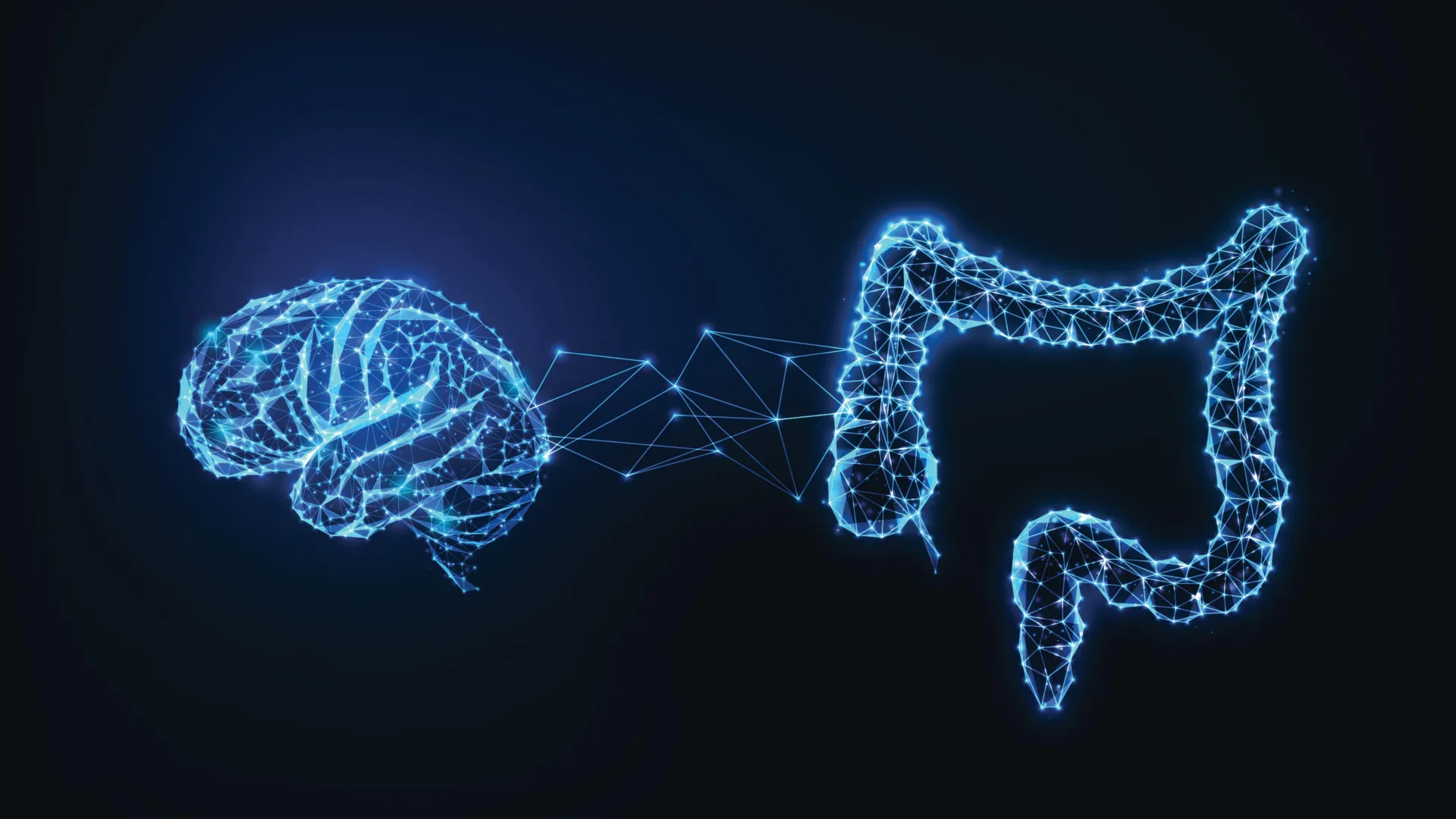
A groundbreaking investigation by researchers at Case Western Reserve University has unveiled a critical, previously overlooked factor contributing to the progression of Amyotrophic Lateral Sclerosis (ALS) and Frontotemporal Dementia (FTD), potentially revolutionizing clinical approaches to these debilitating neurological conditions. The study, published in the prestigious journal Cell Reports, centers on the unexpected yet profound influence of the gut microbiome, the vast community of microorganisms residing within the digestive tract, on brain health and disease development.
The scientific team meticulously identified a direct correlation between specific bacterial metabolites in the gut and the neuronal damage characteristic of ALS and FTD. Their findings elucidate a mechanism wherein particular sugars produced by gut bacteria can instigate immune system overreactions that ultimately lead to the destruction of vital brain cells. Crucially, this research not only pinpoints the problem but also offers promising avenues for intervention to halt or mitigate this destructive cascade.
Amyotrophic Lateral Sclerosis, commonly known as Lou Gehrig’s disease, is characterized by the progressive degeneration of motor neurons, the nerve cells responsible for controlling voluntary muscle movement. This loss of function results in escalating muscle weakness, atrophy, and eventually, widespread paralysis, severely impacting an individual’s ability to breathe, swallow, and move. Frontotemporal Dementia, conversely, primarily affects the frontal and temporal lobes of the brain, regions critical for personality, social behavior, judgment, and language comprehension. Individuals with FTD often experience profound changes in their behavior and personality, alongside significant difficulties with speech and communication.
The precise etiologies of both ALS and FTD have remained elusive for decades, prompting extensive scientific inquiry into a multitude of potential contributing factors. These have ranged from inherited genetic predispositions and environmental toxins to the cumulative effects of head injuries and dietary patterns. However, the present study introduces a significant new paradigm, suggesting that the intricate ecosystem within the human gut may play a far more pivotal role than previously appreciated in determining disease susceptibility and trajectory.
This comprehensive research offers a compelling answer to a persistent question in neurodegenerative disease research: why do some individuals, particularly those with a genetic predisposition, develop these conditions while others with similar genetic markers remain unaffected? The study successfully maps out a molecular pathway that bridges the activity within the gut with the pathological processes occurring in the brain. This connection is particularly salient in individuals carrying specific genetic mutations associated with an increased risk of ALS and FTD.
Dr. Aaron Burberry, an assistant professor in the Department of Pathology at Case Western Reserve School of Medicine, elaborated on the core discovery: "We observed that certain pathogenic gut bacteria synthesize inflammatory forms of glycogen, a type of sugar. These bacterial glycans subsequently trigger immune responses within the host that directly inflict damage upon brain tissue." This inflammatory response, triggered by gut-derived molecules, appears to be a key driver of neurodegeneration in susceptible individuals.
The clinical implications of this discovery are substantial. The researchers analyzed a cohort of 23 patients diagnosed with ALS or FTD and found that a striking 70% exhibited elevated levels of these problematic bacterial glycans. In stark contrast, only approximately one-third of individuals without these neurodegenerative conditions displayed comparable levels of these compounds, underscoring their potential as a disease-specific biomarker. This suggests that measuring these specific gut-derived sugars could serve as an early indicator of disease risk or progression.
The identification of harmful gut sugars as a principal instigator of disease pathogenesis opens up entirely new avenues for therapeutic intervention. Clinicians may soon have access to novel treatment strategies designed to directly target and neutralize these damaging molecules within the digestive system. Furthermore, the findings validate the development of pharmaceuticals aimed at modulating the complex gut-brain axis, offering tangible hope for strategies that could significantly slow, or perhaps even prevent, the devastating progression of these neurological disorders.
Remarkably, the research team, led by Dr. Alex Rodriguez-Palacios, an assistant professor in the Digestive Health Research Institute at the School of Medicine, demonstrated in their experimental models that reducing the levels of these detrimental sugars led to demonstrable improvements in brain health and even extended the lifespan of the model organisms. This experimental success provides a strong proof of concept for potential therapeutic interventions.
The significance of this research is particularly pronounced for individuals carrying the C90RF72 mutation, which is recognized as the most prevalent genetic determinant for both ALS and FTD. It is well-established that not everyone who inherits this mutation will inevitably develop the disease, leaving a critical gap in understanding the factors that precipitate disease onset. This study proposes a compelling explanation: the gut microbiome acts as an environmental modulator, interacting with the genetic susceptibility to influence whether the disease manifests. In essence, the gut bacteria can act as a crucial trigger, tipping the balance towards disease development in genetically predisposed individuals.
This pivotal breakthrough was facilitated by the implementation of highly advanced and specialized laboratory methodologies at Case Western Reserve University’s Department of Pathology and Digestive Health Research Institute. The researchers employed germ-free mouse models, animals raised under rigorously sterile conditions devoid of any microbial life. This sophisticated approach allows for the precise isolation and examination of the effects of specific microbial communities and their byproducts on disease pathogenesis, free from confounding variables.
The innovative research program is spearheaded by Dr. Fabio Cominelli, a Distinguished University Professor and the director of the Digestive Health Research Institute. A cornerstone of this work is a novel "cage-in-cage" sterile housing system, a rare and sophisticated technological capability developed by Dr. Rodriguez-Palacios. This unique infrastructure is instrumental in enabling large-scale investigations into the intricacies of the microbiome, thereby facilitating detailed studies on the complex communication pathways between the gut and the brain. Traditional research methods often impose limitations, restricting scientists to studying only a small number of subjects at any given time, thus hindering comprehensive analysis of the microbiome’s broad impact.
Looking ahead, the research team is poised to undertake further investigations to deepen their understanding of this gut-brain connection. "Our next phase will involve conducting larger-scale studies to meticulously survey the gut microbiome communities in ALS/FTD patients, examining these profiles both before and after the onset of disease," explained Dr. Burberry. "This will help us ascertain precisely when and under what circumstances these harmful microbial glycans are produced. Furthermore, our findings strongly support the initiation of clinical trials designed to evaluate whether targeted degradation of glycogen in the digestive system of ALS/FTD patients can effectively slow disease progression. We anticipate that such trials could commence within the next year." This forward-looking strategy underscores the potential for rapid translation of these fundamental scientific discoveries into tangible clinical benefits for patients.
About the Author