In the broader landscape of physical fitness, the concept of "strength" often conjures images of powerful biceps, chiseled quadriceps, or impressive feats of lifting. Yet, beneath these more visible attributes lies a fundamental pillar of human movement and resilience that frequently goes overlooked: core strength. Far from being solely about aesthetically pleasing abdominal muscles, the core represents a sophisticated network of muscles encompassing the deep abdominal wall, lower back, pelvic floor, and, critically, the gluteal complex and hip musculature. This integrated system serves as the body’s central stabilization unit, orchestrating efficient force transfer, maintaining spinal integrity, and safeguarding against a myriad of musculoskeletal ailments. When this intricate system falters, the repercussions can manifest as chronic discomfort, impaired mobility, and a diminished capacity for daily activities, ranging from a nagging lower back ache to premature hip fatigue during a simple stroll.
Many individuals, despite engaging in regular physical activity and maintaining an otherwise healthy lifestyle, often possess an underdeveloped core and hip complex without even realizing it. The tell-tale signs of this underlying weakness rarely emerge during high-intensity, dynamic exercises or showy displays of power. Instead, they become apparent in the subtle, sustained demands of everyday life—the ability to hold a stable posture, to prevent the hips from swaying during ambulation, or to maintain consistent engagement of the glutes without conscious effort. It is precisely this capacity for sustained, controlled stability that proves invaluable for functional independence and overall well-being.
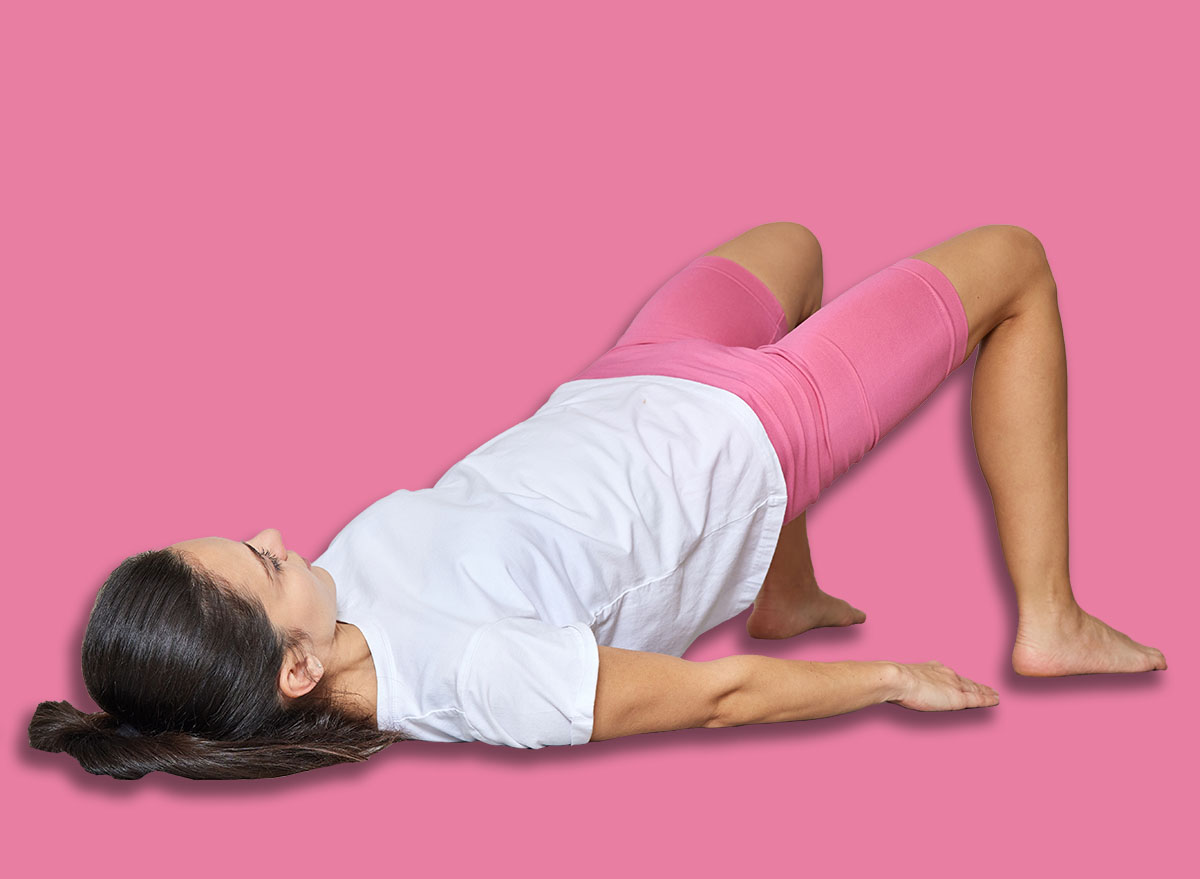
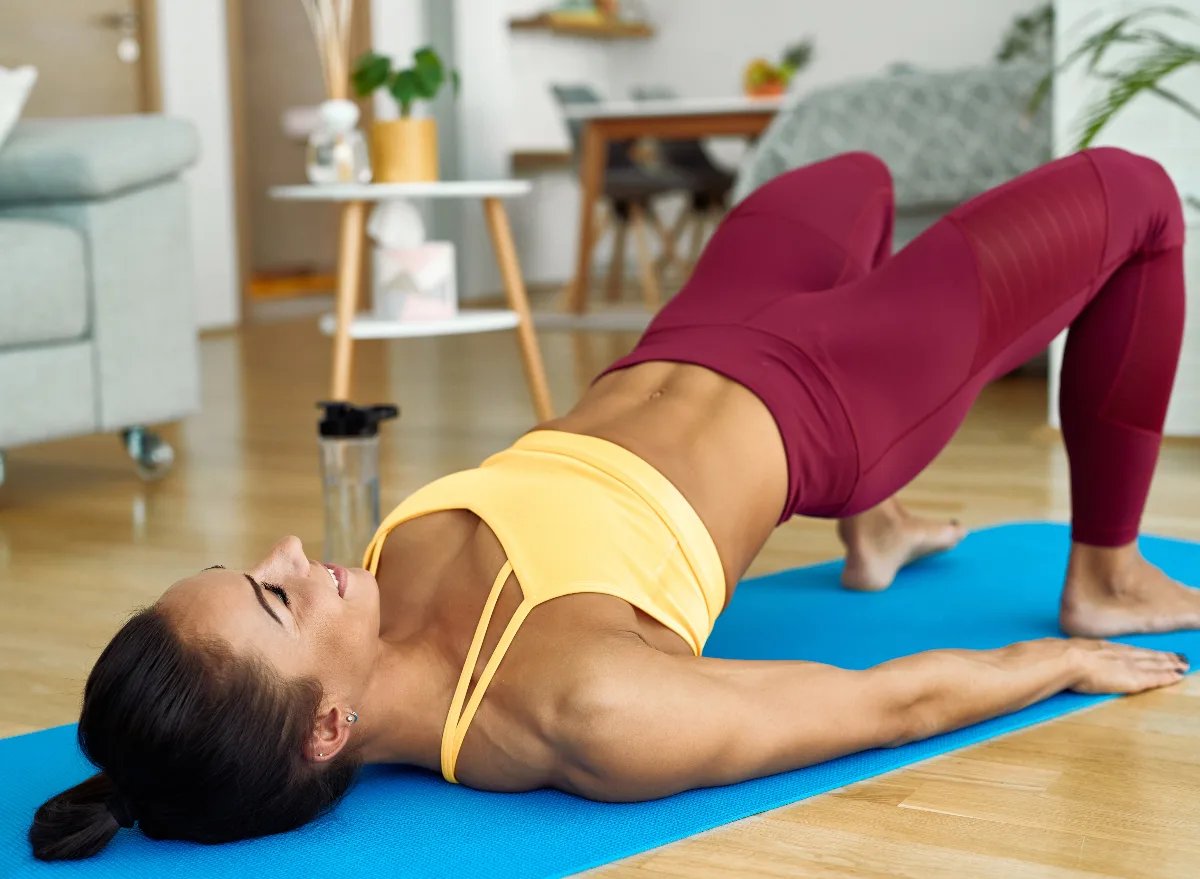
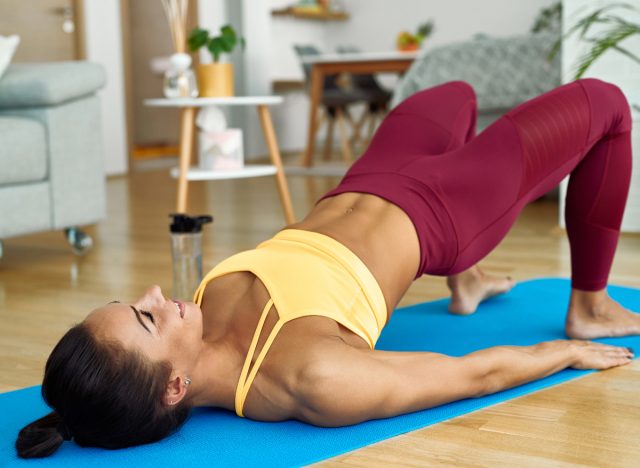
Within this context, the glute bridge hold emerges as an exceptionally insightful and accessible diagnostic tool. Unlike complex gym movements that can mask underlying weaknesses through compensatory patterns, the bridge hold distills core and hip strength down to its essence: the ability to maintain a precise, elevated position against gravity. This exercise, executed by lying supine, bending the knees, and lifting the hips, removes extraneous variables, focusing solely on the musculature’s capacity for sustained tension and positional integrity. The duration an individual can flawlessly maintain this elevated posture offers a remarkably candid assessment of their core, gluteal, and hamstring endurance.
The profound importance of the glute bridge hold extends beyond its simplicity. This exercise simultaneously engages the gluteus maximus, hamstrings, and the deep core stabilizers, forging a synergistic activation that is crucial for spinal support and pelvic stability. These muscle groups are not isolated entities but rather interconnected components of a functional chain. When they operate in harmony, the body’s movement patterns become more fluid, controlled, and resistant to undue stress.
Furthermore, the glute bridge hold exemplifies an isometric contraction, a type of muscular engagement where the muscle generates tension without changing length. This mode of exercise cultivates a distinct kind of strength—muscular endurance and static stability—that is often undervalued compared to dynamic, concentric, or eccentric movements. In an isometric hold, muscles remain under continuous tension, teaching the body to brace and stabilize effectively. This capacity directly translates to real-world scenarios, such as standing for prolonged periods, carrying groceries, or maintaining balance on uneven terrain, all of which demand sustained muscular engagement rather than repetitive lifting and lowering. The ability to sustain a clean bridge, free from postural deviations, signifies that the core and hip musculature are performing their essential stabilizing function efficiently. Any wavering, such as a subtle hip drop or an instinctive arching of the lower back, immediately signals that primary movers are fatiguing or compensatory muscles are attempting to take over, providing instant feedback on areas requiring attention.
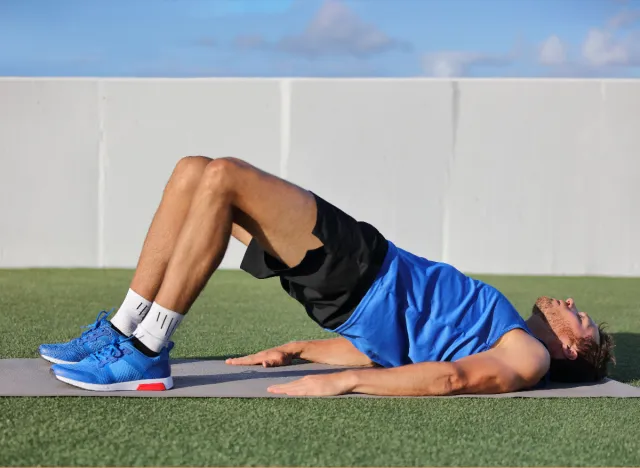
To properly execute a glute bridge and ensure an accurate assessment, meticulous attention to form is paramount. Many inadvertently convert this beneficial exercise into a lower back strain by neglecting proper setup. The correct procedure involves lying on your back with knees bent and feet flat on the floor, positioned approximately hip-width apart and close enough to the glutes so that your fingertips can lightly graze your heels. Ensure your lower back maintains a neutral curve, neither excessively arched nor pressed flat into the floor. Initiate the movement by engaging your glutes, pressing through your heels, and lifting your hips off the ground until your body forms a straight line from your shoulders through your hips to your knees. Crucially, avoid hyperextending your lower back; the lift should primarily come from the glutes, not the spine. Maintain a steady, controlled breath throughout the hold, keeping the abdominal muscles gently engaged to support the spine. Common errors include allowing the hips to sag, which indicates gluteal fatigue, or pushing too high and arching the lower back, which shifts the workload inappropriately to the lumbar extensors rather than the core and glutes. Recognizing these deviations is key, as the assessment is only valid when the integrity of the position is maintained.
The duration one can maintain a perfectly formed glute bridge offers valuable insights into their functional strength and endurance. While individual capabilities vary widely based on age, activity level, and underlying health, general benchmarks can serve as useful indicators. A hold time under 30 seconds typically suggests foundational weaknesses that warrant dedicated focus on basic glute and core activation. Achieving between 30 and 60 seconds indicates a developing level of functional strength, sufficient for many daily tasks but with ample room for improvement. A hold sustained for 60 to 90 seconds demonstrates a robust level of core and hip strength, indicative of good control and the ability to maintain tension even as fatigue begins to set in.
However, a truly exceptional benchmark, particularly for individuals in their sixth decade of life and beyond, is the capacity to hold a clean glute bridge for 90 seconds or more. This extended duration signifies not just good strength, but outstanding muscular endurance and superior neuromuscular control. For those over 60, achieving this level places them among the top 10% of their age demographic, reflecting a remarkable degree of core and hip resilience. This performance suggests that their core and gluteal muscles are not only strong but also possess the sustained endurance necessary to provide consistent support and stability, significantly contributing to long-term mobility, injury prevention, and the maintenance of an active, independent lifestyle well into their later years. Such a feat indicates that the critical connection between the hips and core remains robust, capable of supporting the body without compromising form even under challenging sustained effort.
The broader implications of a well-developed core and gluteal system are extensive. A strong core acts as a natural corset, significantly reducing the incidence and severity of lower back pain, a pervasive issue affecting a large percentage of the adult population. It improves overall posture, correcting imbalances that can lead to chronic discomfort and inefficient movement patterns. For athletes and active individuals, a stable core is the bedrock of power generation, enhancing performance in virtually all physical activities by providing a stable platform for limb movement. Beyond performance, it is a critical factor in injury prevention, minimizing the risk of strains, sprains, and more serious musculoskeletal issues. Furthermore, robust core and hip strength directly contributes to improved balance and coordination, which are vital for preventing falls, particularly as individuals age. It also supports pelvic health, which is essential for both men and women.
For those looking to enhance their glute bridge hold duration and, by extension, their core strength, a systematic approach is recommended. Consistency is paramount; regular practice, even for short durations, yields cumulative benefits. Prioritize flawless form over simply extending hold times at any cost; a shorter, perfectly executed hold is far more valuable than a longer, compromised one. Gradually increase hold durations as strength improves. Additionally, incorporating variations of the bridge can offer progressive overload and target different muscle fibers. Options include the single-leg bridge, which dramatically increases the stability challenge, the marching bridge, where one leg lifts intermittently, bridges with elevated feet for a greater range of motion, or banded bridges to add external resistance. Complementary exercises such as planks, bird-dog, dead bugs, and specific glute activation exercises (like clamshells) can further bolster core and hip integrity. Developing a strong mind-muscle connection, actively focusing on engaging the correct muscles, and utilizing proper diaphragmatic breathing techniques will also significantly enhance stability and endurance.
In conclusion, the glute bridge hold is far more than a simple exercise; it is a powerful, accessible diagnostic tool and a foundational movement for cultivating comprehensive core and hip strength. Its ability to reveal underlying muscular endurance and stability provides invaluable insights into one’s physical resilience. Achieving and maintaining a prolonged, perfectly formed bridge hold, especially for extended durations like 90 seconds in older adults, is a testament to exceptional functional capacity, promising a life of greater mobility, reduced pain, and sustained independence. Embracing regular core and gluteal training, with the glute bridge as a central component, is an investment in long-term health and the overall quality of life, underscoring that true strength originates from a stable, well-supported center.
About the Author