Within the intricate ecosystem of the human digestive tract, a sophisticated defense system operates, relying on specialized molecules to ward off invading microorganisms and mitigate the inflammatory responses they can trigger. Among these crucial defensive agents are proteins known as lectins, which possess a remarkable ability to recognize and bind to specific sugar structures present on the surfaces of cells and microbes, thereby playing a pivotal role in immune surveillance and cellular communication.
A recent investigation conducted by scientists at the Massachusetts Institute of Technology (MIT) has brought to light a lectin exhibiting exceptionally potent antimicrobial capabilities against bacteria residing in the gastrointestinal system. This protein, designated as intelectin-2, exerts its protective influence through a dual mechanism: it adheres to carbohydrate moieties on the exterior of bacterial cells, effectively ensnaring them and impeding their proliferation, while also contributing to the structural integrity of the gut’s protective mucus lining.
The significance of intelectin-2 lies in its multifaceted action, as elucidated by Laura Kiessling, a distinguished Professor of Chemistry at MIT and the senior author of the groundbreaking study. "The remarkable aspect of intelectin-2 is its capacity to function in two complementary ways," Professor Kiessling explained. "It actively contributes to the stabilization of the mucus layer, and should this protective barrier become compromised, it possesses the ability to directly neutralize or inhibit the growth of bacteria that manage to breach it." This dual functionality positions intelectin-2 as a potent guardian of gastrointestinal health.
Given its broad-spectrum antimicrobial efficacy, intelectin-2 presents a compelling prospect for therapeutic development. Researchers envision its potential application in combating infections and supporting individuals afflicted with chronic gastrointestinal conditions. For instance, in patients suffering from inflammatory bowel disease (IBD), where the integrity of the gut lining is compromised, intelectin-2 could serve to reinforce the weakened mucus barrier, offering a novel avenue for treatment.
The collaborative research effort, detailed in the esteemed journal Nature Communications, was spearheaded by Amanda Dugan, a former research scientist at MIT, and Deepsing Syangtan, who recently completed his PhD at the institution. Their meticulous work has unraveled the intricate workings of this vital immune molecule.
The human genome is estimated to encode over 200 different types of lectins, underscoring their widespread importance in biological processes, including immune responses and intercellular signaling. Professor Kiessling’s research group has dedicated considerable effort to understanding the complex interactions between lectins and carbohydrates, with a recent focus on the intelectin family of proteins. This family comprises two distinct members in humans: intelectin-1 and intelectin-2.
While intelectin-1 and intelectin-2 share a common structural blueprint, intelectin-1 possesses a unique characteristic: its binding affinity is exclusively directed towards carbohydrates found on bacteria and other microorganisms. Although the structural elucidation of intelectin-1 was achieved by Professor Kiessling and her team approximately a decade ago, its precise biological roles remain an area of ongoing exploration.
Concurrently, there was an emergent suspicion within the scientific community that intelectin-2 might also play a role in immune defense, though empirical evidence supporting this hypothesis was initially sparse. It was in this context that Amanda Dugan, then a postdoctoral researcher in Professor Kiessling’s laboratory, embarked on a comprehensive investigation into the functions of intelectin-2.
In humans, intelectin-2 is characteristically synthesized by specialized cells known as Paneth cells, which are situated in the lining of the small intestine. Interestingly, in murine models, the production of this protein appears to be orchestrated by mucus-secreting goblet cells, often in response to inflammatory stimuli or the presence of certain parasitic infections, suggesting a conserved role across species.
The research team’s investigations revealed a crucial binding interaction: intelectin-2, derived from both human and mouse sources, exhibits a strong affinity for a specific sugar molecule, galactose. Galactose is a ubiquitous component of mucins, the large glycoproteins that form the fundamental structure of mucus. By binding to these mucin molecules, intelectin-2 effectively cross-links them, thereby augmenting the structural robustness of the mucus barrier that safeguards the intestinal epithelium.
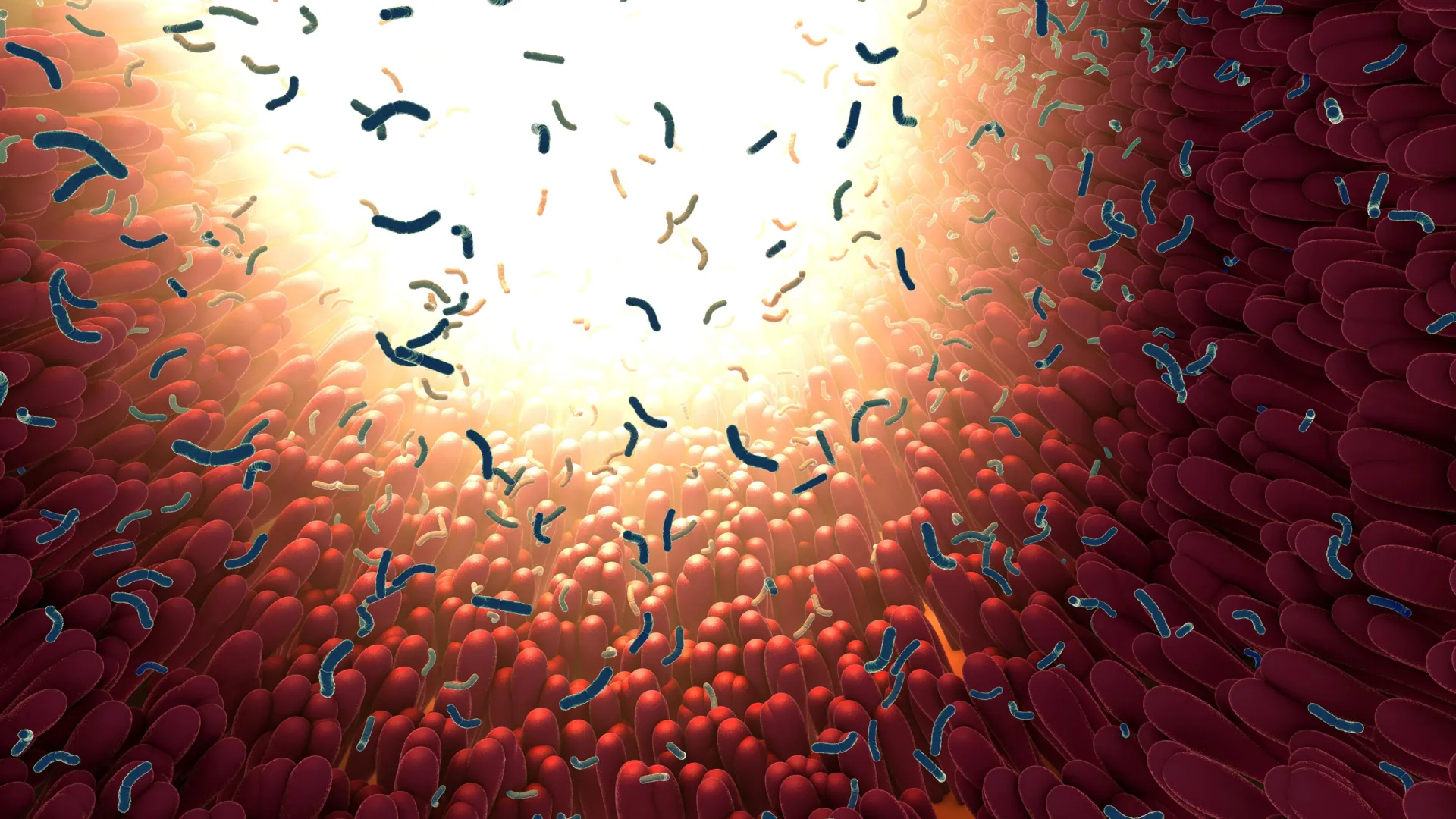
Furthermore, galactose is also present on the carbohydrate structures adorning the surfaces of various bacterial species. The study demonstrated that intelectin-2 can readily attach to microbes displaying these galactose residues, including a number of pathogenic bacteria notorious for causing gastrointestinal ailments.
Over time, the lectin-bound microbes undergo disintegration, a phenomenon that strongly suggests intelectin-2 actively disrupts their cellular membranes, leading to their ultimate demise. This potent antimicrobial activity is not confined to a narrow range of bacteria; it extends to a diverse array of microbial species, including some that have developed resistance to conventional antibiotic treatments.
The researchers posit that these two distinct but complementary functions—mucus fortification and direct bacterial neutralization—collectively provide a robust defense for the gastrointestinal tract against microbial incursions. "Intelectin-2 operates in a sequential manner," Professor Kiessling elaborated. "It first fortifies the mucus barrier itself, and then, should that barrier be breached, it can effectively control the invading bacteria and inhibit their replication."
The implications of these findings are particularly significant for individuals suffering from inflammatory bowel disease. In such patients, intelectin-2 levels have been observed to deviate from the norm, either becoming abnormally low or excessively high. A deficit in intelectin-2 could compromise the integrity of the mucus barrier, leaving the gut more vulnerable to pathogens. Conversely, an overabundance of the protein might inadvertently lead to the elimination of beneficial commensal bacteria that are essential for a healthy gut microbiome. The researchers propose that therapeutic strategies aimed at re-establishing balanced levels of intelectin-2 could offer substantial benefits to these patients.
"Our findings underscore the critical importance of maintaining a stable and functional mucus barrier," Professor Kiessling emphasized. "Looking forward, we can envision leveraging the inherent properties of lectins to engineer novel proteins that actively reinforce this vital protective layer."
Beyond its role in IBD, intelectin-2’s capacity to neutralize or eliminate formidable pathogens such as Staphylococcus aureus and Klebsiella pneumoniae, which are often challenging to treat with existing antibiotics, opens up exciting possibilities for developing new antimicrobial therapies. "Harnessing the power of human lectins as a means to combat the escalating crisis of antimicrobial resistance represents a fundamentally novel strategic approach, drawing upon our body’s own innate immune defenses," Professor Kiessling stated. "The prospect of utilizing proteins that the body already employs for pathogen defense is highly compelling, and it is a direction we are actively pursuing."
This significant research was supported by grants from several esteemed national institutions, including the National Institutes of Health Glycoscience Common Fund, the National Institute of Allergy and Infectious Disease, the National Institute of General Medical Sciences, and the National Science Foundation. Additional contributions to this pivotal study were made by Charles Bevins, a professor of medical microbiology and immunology at the University of California at Davis School of Medicine; Ramnik Xavier, a professor of medicine at Harvard Medical School and a faculty member at the Broad Institute of MIT and Harvard; and Katharina Ribbeck, the Andrew and Erna Viterbi Professor of Biological Engineering at MIT, highlighting the collaborative and interdisciplinary nature of this scientific endeavor.
About the Author