
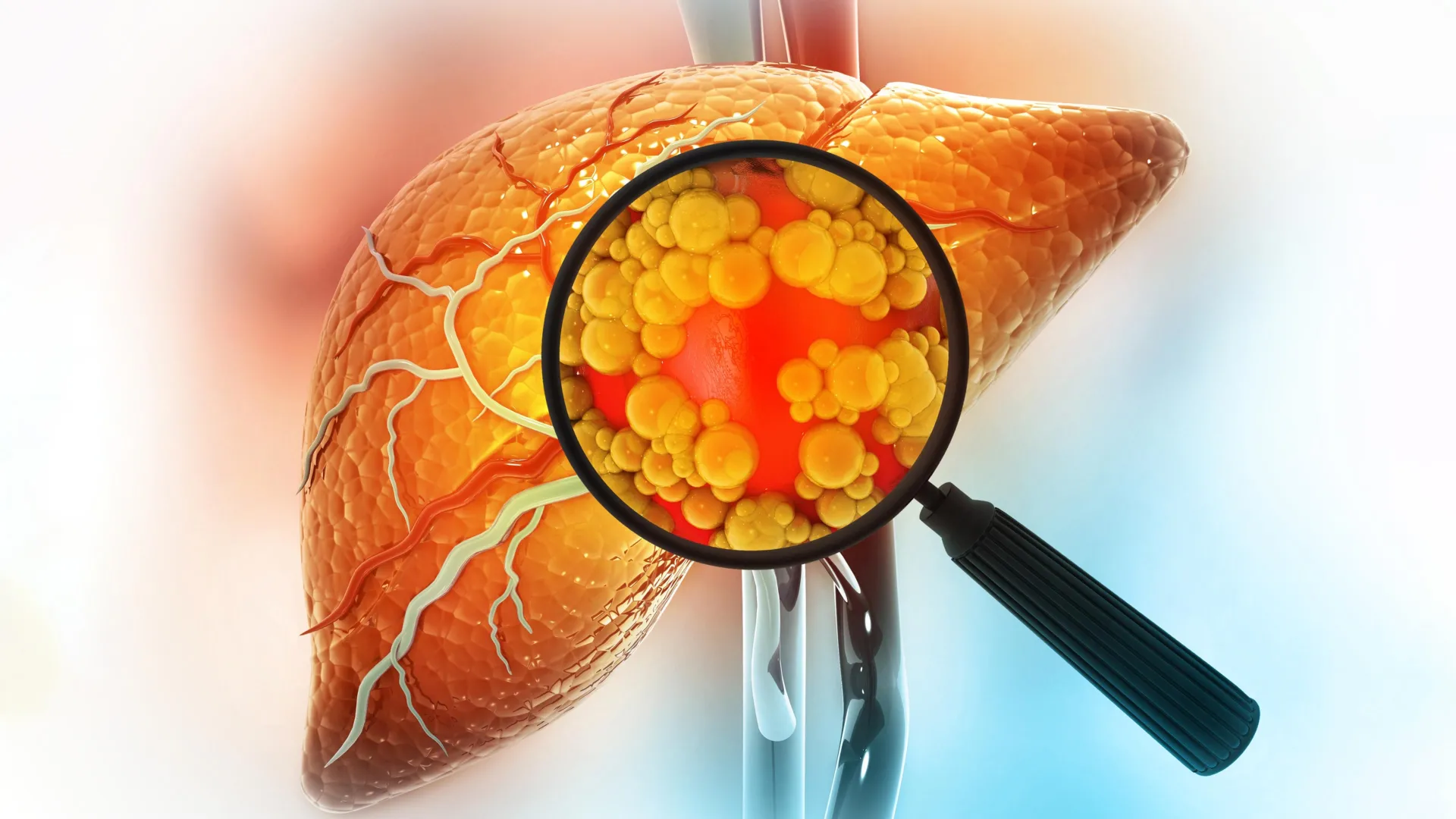
A recent scientific investigation has illuminated a complex and counterintuitive finding regarding a cellular enzyme previously considered a potential ally in the fight against fatty liver disease, suggesting that its inhibition might, in fact, elevate the risk of long-term liver damage and oncogenesis. This groundbreaking work, published in the esteemed journal Science Advances, originates from a collaborative effort by researchers at the University of Adelaide, and it fundamentally re-evaluates the therapeutic promise of targeting the Caspase-2 enzyme. The prevailing scientific discourse had begun to embrace Caspase-2 inhibitors as a viable strategy for managing or even preventing the progression of non-alcoholic fatty liver disease (NAFLD) and related conditions, a trajectory now significantly altered by these new revelations.
The study’s core discovery centers on the observation that the absence or functional impairment of the Caspase-2 enzyme triggers an aberrant proliferation of liver cells, a phenomenon that subsequently fosters chronic inflammation and the development of hepatic fibrosis, commonly known as scarring. This uncontrolled cellular growth, a hallmark of precancerous conditions, escalates the probability of malignant transformation within the liver. Consequently, the research casts a long shadow of doubt over the long-term efficacy and safety of therapeutic approaches designed to suppress Caspase-2 activity, particularly for individuals predisposed to or already experiencing liver ailments.
Delving deeper into the physiological role of Caspase-2, the research posits that this enzyme is instrumental in maintaining the genetic integrity of hepatocytes, the primary functional cells of the liver. Beyond its role in genomic stability, Caspase-2 also participates in the intricate metabolic regulation of lipid accumulation within the hepatic tissue. Dr. Loretta Dorstyn, the lead investigator from the Centre for Cancer Biology, elaborated on this dual function, explaining that while a certain degree of polyploidy – the presence of multiple sets of chromosomes within a cell – can serve as a protective mechanism for liver cells under duress, an unchecked increase in this state, exacerbated by the deficiency of Caspase-2, proves detrimental. This excess genetic material, when not properly managed, contributes to cellular dysfunction and an inflammatory microenvironment.
To substantiate these hypotheses, the research team employed a model system involving genetically engineered mice. These laboratory animals were specifically bred to lack functional Caspase-2 or to possess a variant of the enzyme incapable of performing its normal duties. The findings were stark: in these Caspase-2 deficient mice, liver cells exhibited significant enlargement and displayed marked genetic and cellular aberrations, providing a clear in vivo demonstration of the enzyme’s critical role in cellular homeostasis.
The long-term consequences observed in these animal models were particularly concerning, mirroring the progression of human liver pathologies. Over extended periods, the mice developed chronic hepatic inflammation, exhibiting pathological features analogous to hepatitis. These included progressive scarring of the liver tissue, evidence of oxidative stress, and a form of programmed cell death (apoptosis) intrinsically linked to inflammatory processes. Crucially, as these animals reached advanced ages, their propensity to develop liver cancer dramatically increased. The incidence of liver tumors in older Caspase-2 deficient mice was observed to be substantially higher – in some instances, up to four times more frequent – than in their genetically normal counterparts, strongly suggesting a causal link to hepatocellular carcinoma, the most prevalent form of primary liver cancer.
These findings represent a significant paradigm shift, directly challenging the previously held assumption that inhibiting Caspase-2 would invariably confer protective benefits. Dr. Dorstyn emphasized that while short-term inhibition might offer transient advantages, such as mitigating the immediate effects of fatty liver disease or providing protection in younger organisms, the sustained absence of Caspase-2’s function proves profoundly deleterious. The enzyme, it appears, is indispensable for the ongoing process of clearing senescent or damaged liver cells as an organism ages. Without this crucial clearance mechanism, aberrant cells persist and proliferate, creating a fertile ground for cancerous transformations and fostering a pro-tumorigenic environment within the liver.
The implications of this research extend significantly into the realm of therapeutic development for liver diseases and cancer prevention strategies. Professor Sharad Kumar, a senior author on the study, articulated the critical cautionary message embedded within the data for future pharmaceutical endeavors. He highlighted the intense interest that had been directed towards targeting Caspase-2 as a potential therapeutic avenue for metabolic liver diseases and for reducing the incidence of liver cancer. However, he stressed that the current findings strongly indicate that such an approach could precipitate severe and unforeseen adverse outcomes later in life, manifesting as heightened susceptibility to chronic liver inflammation, progressive fibrosis, and ultimately, cancer.
The global burden of liver disease is on an alarming upward trajectory, a trend attributed to a confluence of factors including an aging global population, the pervasive rise in obesity rates, and the increasing prevalence of metabolic disorders such as type 2 diabetes. This growing epidemic underscores the urgent need for effective and safe therapeutic interventions. In 2022 alone, liver cancer was responsible for nearly 760,000 deaths worldwide, according to data compiled by the World Cancer Research Fund, solidifying its position as the sixth most common form of cancer globally. This grim statistic underscores the profound public health significance of understanding and addressing the complex mechanisms underlying liver disease progression and oncogenesis.
The study, meticulously detailed under the title ‘Caspase-2 deficiency drives pathogenic liver polyploidy and increases age-associated hepatocellular carcinoma in mice’, serves as a vital contribution to the scientific understanding of liver biology and disease. It compels a re-evaluation of existing therapeutic strategies and emphasizes the critical importance of considering the long-term consequences of targeting fundamental cellular pathways, particularly in the context of chronic and age-related diseases. Future research will undoubtedly focus on unraveling the precise molecular cascades that lead from Caspase-2 deficiency to uncontrolled proliferation and cancer, potentially identifying alternative therapeutic targets or refining existing ones to ensure patient safety and efficacy. The intricate interplay between cellular enzymes, genetic stability, and disease progression, as revealed by this study, highlights the nuanced challenges inherent in developing treatments for complex conditions like fatty liver disease and liver cancer.
About the Author












