The lobster roll, a culinary icon deeply embedded in the gastronomic fabric of New England, has transcended its humble origins to become a celebrated dish nationwide. What began as a practical solution for utilizing abundant lobster meat in coastal Connecticut diners during the 1920s has evolved into a symbol of summer, seaside charm, and sophisticated simplicity. This sandwich, at its core, is a delicate balance of fresh, succulent lobster meat and a perfectly prepared bun, with minimal embellishments designed to highlight the shellfish’s natural sweetness. While purists often argue that the quintessential lobster roll can only be found at quaint, family-run shacks lining the rugged Atlantic coastline, a select few national restaurant chains have managed to replicate this elusive perfection, earning commendations from professional chefs for their consistent quality and authentic renditions.
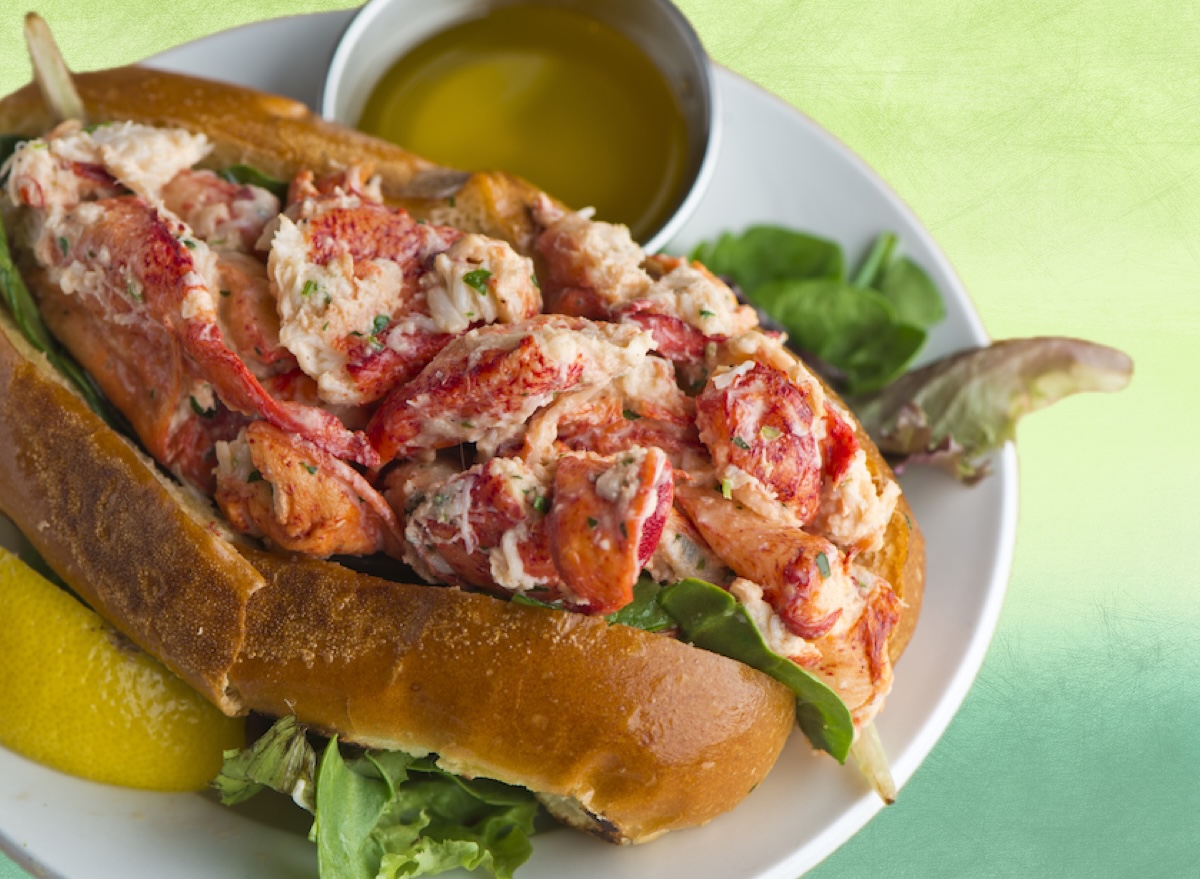
The enduring appeal of the lobster roll lies in its elegant simplicity, yet crafting a truly exceptional one is an art form. Chef Dennis Littley, a respected culinary expert from Ask Chef Dennis, emphasizes that the foundation of any outstanding lobster roll is the quality of its primary ingredient. "A standout lobster roll begins with high-quality lobster meat that is inherently sweet, impeccably tender, and unequivocally the star of the show," Littley explains. This focus on the main component dictates the entire preparation philosophy. The debate between the two dominant styles—the warm, butter-drenched Connecticut version and the chilled, mayonnaise-bound Maine rendition—often comes down to regional preference and historical lineage. Regardless of the chosen dressing, the goal remains the same: "The key is to enhance the natural flavor of the lobster without overpowering it," Littley states. This principle extends to the vessel itself, typically a New England-style split-top bun, griddled to a golden, buttery crispness. "When served on a buttery toasted roll that adds just the right amount of texture, each bite becomes rich, fresh, and unforgettable," he concludes, underscoring the harmonious interplay of ingredients.
The journey of the lobster roll from regional specialty to national sensation is intrinsically linked to the broader appreciation for fresh seafood and the ingenuity of restaurateurs. Historically, lobster was considered a food for the working class, even served to prisoners, due to its plentiful supply in the North Atlantic. Advances in transportation and culinary techniques, coupled with effective marketing, gradually elevated its status. The invention of the lobster roll provided an accessible and portable way to enjoy this delicacy, making it a popular choice for both locals and tourists alike. Today, the demand for lobster rolls has spurred innovation in sourcing and distribution, allowing establishments far from the coast to offer a taste of New England. However, maintaining the integrity of such a delicate dish across multiple locations presents significant logistical and culinary challenges. Sourcing fresh, high-quality lobster consistently, ensuring proper preparation, and executing the perfect bun requires a sophisticated supply chain and rigorous operational standards.
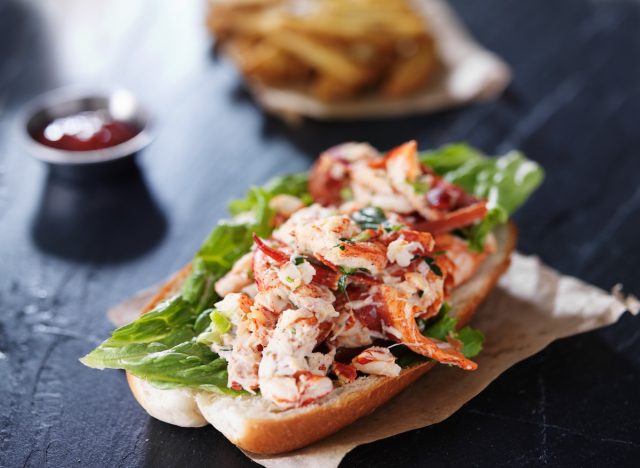
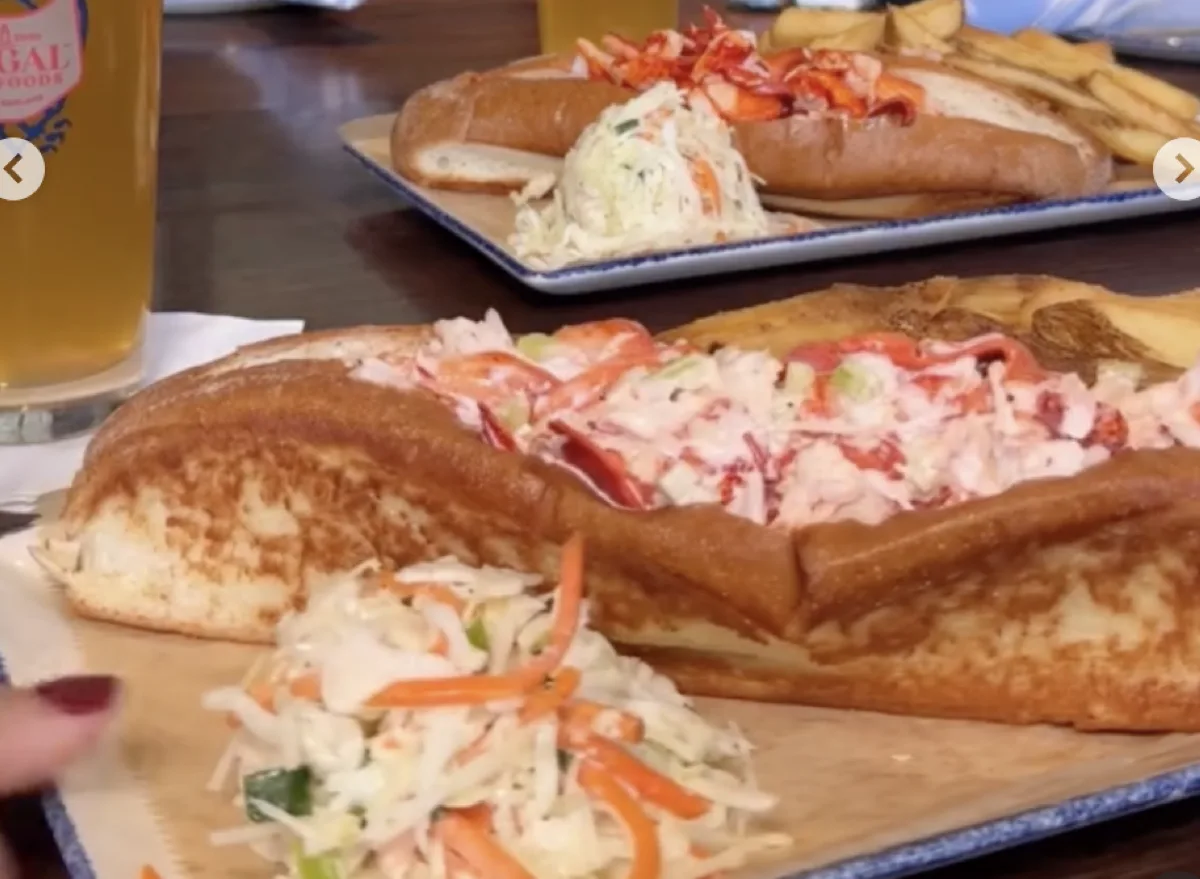
Among the chain restaurants that have successfully navigated these complexities and garnered high praise from industry insiders, Legal Sea Foods stands out. A venerable institution with roots deeply planted in the Boston seafood scene, Legal Sea Foods has cultivated a reputation for fresh, quality seafood for decades. Their commitment to sourcing and preparation is evident in their "Legal Lobster Roll." Chef Littley commends their approach, noting, "The Lobster Roll showcases generous chunks of sweet lobster lightly dressed in bright lemon mayo that enhances rather than overwhelms." This description highlights a crucial aspect of the Maine-style roll: the dressing should bind, not mask, the lobster’s delicate flavor. The addition of a "perfectly toasted roll" further contributes to the overall experience, ensuring a delightful textural contrast. The collective result, according to Littley, is a sandwich that "delivers clean flavor, buttery texture, and that unmistakable taste of New England." Legal Sea Foods’ extensive experience in the seafood industry, including its own quality control processes, allows it to deliver this consistent excellence across its numerous East Coast locations and beyond, making it a reliable choice for a traditional, satisfying lobster roll.
Another notable player that has rapidly ascended the ranks of national recognition is Cousins Maine Lobster. This brand’s story is a modern testament to entrepreneurial spirit and the power of television. What began as a single food truck operation quickly gained national prominence following a pivotal appearance on the popular investment reality show "Shark Tank." Securing a deal with investor Barbara Corcoran provided the capital and mentorship necessary to transform their concept from a local favorite into a rapidly expanding national franchise. This expansion, however, did not come at the expense of authenticity. Chef Littley identifies their "Maine Roll" as a "must-have," underscoring its adherence to traditional principles. He elaborates, "Cousins Maine Lobster’s Maine Roll keeps things traditional with chilled lobster gently tossed in mayo and tucked into a split-top bun." The ethos here is clear: simplicity and purity of ingredients are paramount. The company’s commitment to sourcing directly from Maine ensures the fresh, tender lobster that forms the core of their product. "The focus is on freshness and simplicity, letting the tender lobster and soft, buttery bread shine in every bite," Littley emphasizes, affirming that their growth has not diluted the essence of their product. Their ability to scale while maintaining this integrity is a significant achievement in the competitive food industry.
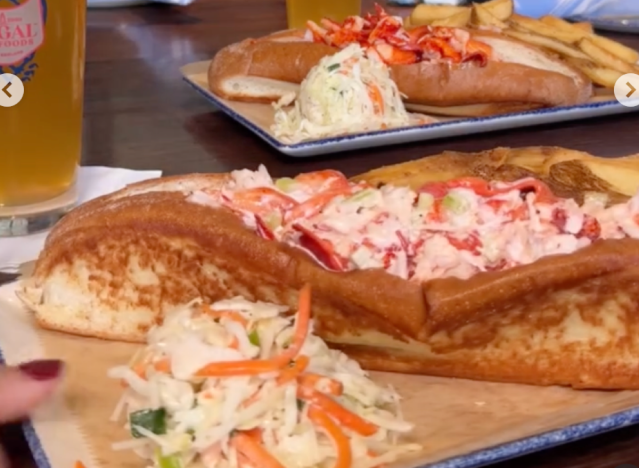
Finally, Luke’s Lobster has carved out a unique niche through its unwavering dedication to traceability and sustainability. This small yet influential chain has built its brand around a "dock-to-roll" philosophy, meaning they exert control over their supply chain from the moment the lobsters are caught in Maine waters. This vertical integration allows them to trace their lobster back to specific fisheries, ensuring not only exceptional freshness and consistent quality but also promoting responsible fishing practices. Such a commitment resonates with a growing consumer base that values transparency and environmental stewardship in their food choices. Luke’s Lobster offers a variety of lobster roll preparations, catering to different preferences while maintaining their core quality. Chef Christos Bisiotis, Founder of Terpsi Hospitality, is a clear admirer of their offerings. He enthusiastically describes their lobster rolls as "super delicious," further adding, "The seasoning is always on point." This feedback is critical, as a perfectly seasoned lobster roll enhances the natural flavors without overwhelming them, a delicate balance that Luke’s Lobster evidently masters. Their rigorous quality control, from the boat to the bun, ensures that each roll delivers a premium, authentic taste experience, solidifying their position as a chef-recommended destination for this beloved New England classic.
In an increasingly globalized culinary landscape, the ability of chain restaurants to deliver a consistently high-quality, regionally authentic dish like the lobster roll is a testament to meticulous planning, dedicated sourcing, and an unwavering commitment to culinary standards. While the charm of a seaside shack remains unparalleled, these national establishments offer accessible opportunities for diners across the country to savor a taste of the Atlantic, carefully curated and expertly prepared, proving that sometimes, the best flavors can indeed travel far from their origins. The endorsement from culinary professionals like Chef Dennis Littley and Chef Christos Bisiotis serves as a valuable guide for consumers seeking genuine quality in a dish that, despite its apparent simplicity, requires a profound understanding of its ingredients and heritage.
About the Author