For decades, the medical community has grappled with a significant challenge: objectively quantifying the frequency and volume of human intestinal gas, commonly known as flatulence. This elusive physiological process has historically resisted precise measurement, leaving clinicians with limited diagnostic tools for patients experiencing related discomfort or seeking to understand variations in their digestive function. Renowned gastroenterologist Michael Levitt, a prominent figure in the study of gastrointestinal gases, articulated this diagnostic quandary in the year 2000, noting the substantial difficulty physicians faced in providing empirical evidence for excessive gas production using the analytical methods available at the time. This lack of objective data has historically necessitated reliance on subjective patient reports or less precise laboratory tests, often falling short of providing a comprehensive understanding of an individual’s unique gastrointestinal environment.
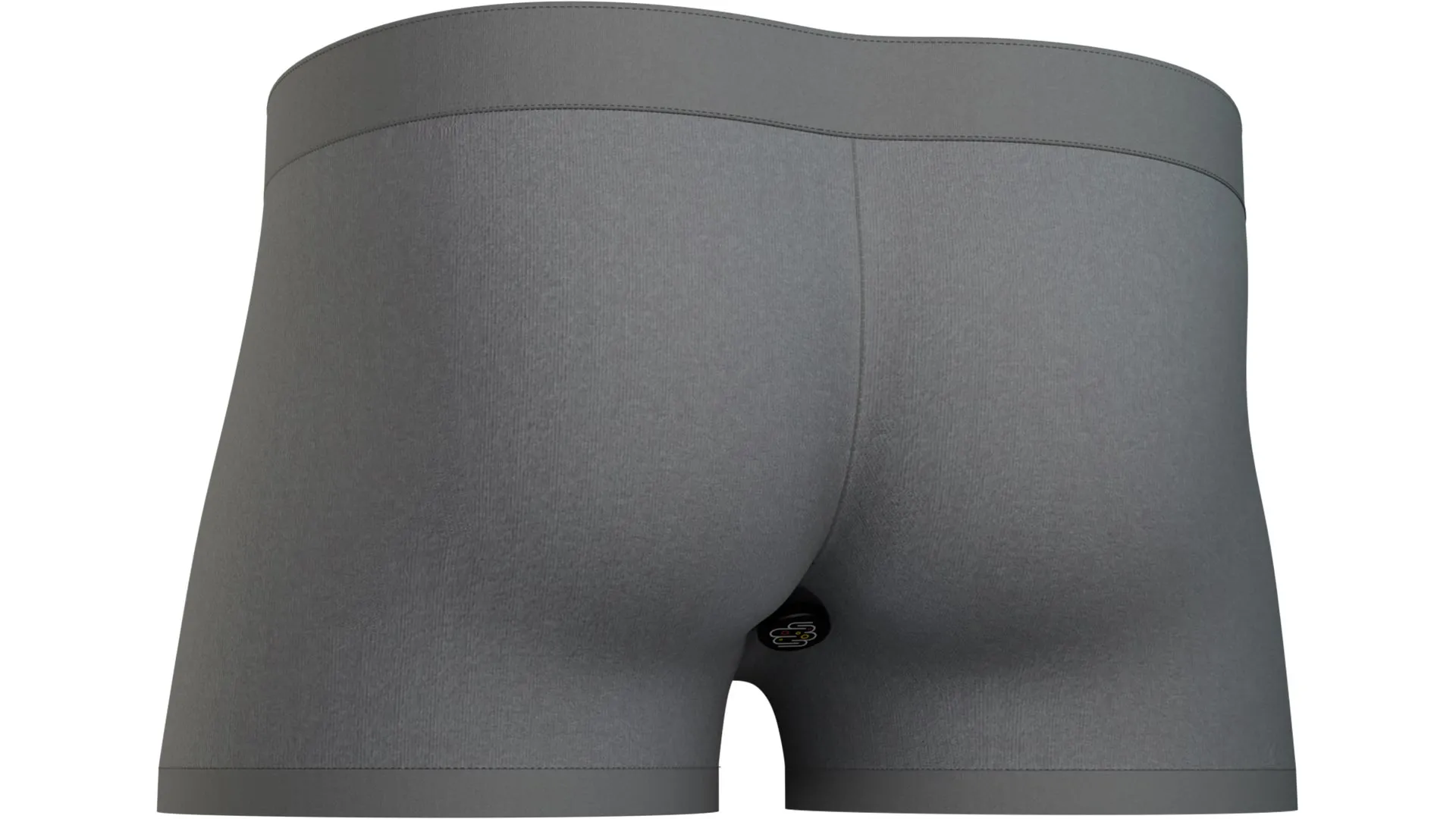
Addressing this long-standing gap in scientific inquiry, a dedicated research collective at the University of Maryland has pioneered a groundbreaking technological solution: Smart Underwear. This innovative wearable device represents the first of its kind, meticulously engineered to capture and analyze human flatulence in real-world settings. The system incorporates a sophisticated, miniaturized sensor designed to detect specific chemical markers within intestinal gas, thereby enabling a scientific reevaluation of established, and potentially outdated, assumptions regarding the typical frequency of gas expulsion. Beyond simply counting events, this technological advancement offers a novel and non-intrusive method for observing the intricate metabolic activities of the gut microbiome as they unfold during the course of daily life, moving beyond the confines of controlled laboratory environments.
The core of the Smart Underwear system lies in its discreetly integrated electrochemical sensors. These highly sensitive components are seamlessly attached to conventional undergarments, functioning continuously to monitor the production of intestinal gas, both during waking hours and throughout sleep. Led by Brantley Hall, an assistant professor within the Department of Cell Biology and Molecular Genetics at the University of Maryland, the research team meticulously developed this unobtrusive technology. Their findings, recently published in the esteemed journal Biosensors and Bioelectronics: X, present compelling evidence derived from a study involving healthy adult participants. This seminal research, with Santiago Botasini, an assistant research scientist at UMD, taking a leading role, revealed a significantly higher average daily frequency of flatulence than previously estimated in medical literature. Participants in the study expelled gas an average of 32 times per day, a figure approximately double the widely cited average of 14 (with a standard deviation of 6) occurrences documented in earlier medical texts. Crucially, the study underscored the profound individual variability inherent in this physiological process, with recorded daily totals ranging dramatically from a low of four instances to an astonishing 59.
The discrepancies between these new findings and historical estimates can be attributed to the inherent limitations of previous investigative methodologies. Older studies frequently relied on invasive techniques conducted in highly controlled, often restrictive, laboratory settings with limited participant numbers. Alternatively, many relied on self-reporting, a method susceptible to recall bias, imperfect memory, and the inability to capture events occurring during sleep. Furthermore, the human body’s internal perception of gas, known as visceral sensitivity, varies considerably among individuals. This means that two people might produce similar quantities of gas, yet experience and report these sensations with vastly different levels of awareness, further complicating objective assessment. Brantley Hall, the senior author of the study, emphasized the transformative potential of this objective measurement approach, stating, "Objective measurement gives us an opportunity to increase scientific rigor in an area that’s been difficult to study."
The primary components of flatus in most individuals consist of hydrogen, carbon dioxide, and nitrogen, with some individuals also producing methane. The presence of hydrogen is particularly significant, as it is exclusively generated by the metabolic activity of the symbiotic microbes residing within the human gut. Consequently, the continuous measurement of hydrogen within expelled intestinal gas serves as a direct and real-time indicator of microbial fermentation processes. This occurs as gut bacteria engage in the breakdown of complex food components, such as dietary fibers, which are not fully digested by the human digestive system. Professor Hall drew an insightful analogy to contemporary health monitoring technologies, explaining the device’s function: "Think of it like a continuous glucose monitor, but for intestinal gas." The research demonstrated the device’s efficacy in detecting heightened hydrogen production following the consumption of inulin, a well-known prebiotic fiber, registering these increases with an impressive 94.7% sensitivity.
The establishment of normative baselines is a cornerstone of medical diagnostics, allowing for the identification of deviations from typical physiological ranges. While widely accepted reference points exist for various health markers, such as blood glucose levels and cholesterol concentrations, the realm of human flatulence has, until now, lacked such a standardized benchmark. "We don’t actually know what normal flatus production looks like," Professor Hall candidly admitted. "Without that baseline, it’s hard to know when someone’s gas production is truly excessive." This critical information gap has hindered the ability to definitively diagnose and treat conditions related to excessive gas production.
To systematically address this deficiency and create a comprehensive understanding of what constitutes "normal," Hall’s laboratory is initiating an ambitious, large-scale research endeavor christened the "Human Flatus Atlas." This groundbreaking project will leverage the Smart Underwear technology to conduct continuous, long-term measurements of flatulence patterns across a diverse cohort of hundreds of participants. The study will simultaneously collect detailed data on participants’ dietary habits and the composition of their gut microbiome. By shipping the Smart Underwear devices directly to volunteers, the project aims to facilitate widespread participation from adults across the United States, enabling them to contribute to scientific discovery from the comfort of their own homes. The ultimate objective is to meticulously define the normal spectrum of flatus production among adults aged 18 and older within the United States.
To ensure the Human Flatus Atlas captures the full breadth of natural variation in gas production, researchers are actively recruiting volunteers who represent specific physiological profiles identified during preliminary investigations. Three distinct categories of participants are being sought: "Zen Digesters," individuals who adhere to high-fiber diets, typically consuming between 25 and 38 grams of fiber daily, yet exhibit remarkably low levels of flatus production. Studying this group could unlock crucial insights into how the gut microbiome adapts to and processes diets rich in fiber without generating significant amounts of gas. Secondly, "Hydrogen Hyperproducers" are individuals characterized by frequent gas expulsion. An examination of this cohort may illuminate specific biological factors or microbial communities that contribute to elevated gas generation. Finally, "Normal People" represent individuals whose gas production falls within the expected range, serving as a crucial control group. To further elucidate the microbial underpinnings of these differences, the research team plans to collect stool samples from both Zen Digesters and Hydrogen Hyperproducers for in-depth microbiome analysis. Professor Hall highlighted the broader implications of this research: "We’ve learned a tremendous amount about which microbes live in the gut, but less about what they’re actually doing at any given moment. The Human Flatus Atlas will establish objective baselines for gut microbial fermentation, which is essential groundwork for evaluating how dietary, probiotic or prebiotic interventions change microbiome activity."
Individuals keen to contribute to this pioneering research and advance the scientific understanding of human digestion can find detailed information and enrollment instructions on the dedicated website, flatus.info. The study is currently accepting applications from adults aged 18 years and older residing within the United States. Successful participants will be provided with a Smart Underwear device, which they will be expected to wear consistently, both day and night, throughout the designated study period. Due to the anticipated high level of interest, enrollment is limited. The intellectual property associated with the Smart Underwear technology is currently undergoing patent application, with Brantley Hall and Santiago Botasini listed as the principal inventors. Both researchers are also co-founders of Ventoscity LLC, the entity that has licensed the innovative device. This significant scientific endeavor has received crucial financial and logistical support from the University of Maryland, the Maryland Innovation Initiative Phase I, and the UM Ventures Medical Device Development Fund.
About the Author