The allure of crispy, savory bacon is undeniable for countless breakfast enthusiasts and culinary aficionados alike, its distinctive aroma often heralding the start of a satisfying meal. While the market is flooded with various bacon products, a growing segment of consumers is actively seeking authenticity in their food choices, particularly when it comes to the complex, rich flavor imparted by genuine wood smoke. This discernment has brought into sharp focus the distinction between traditional smoking methods and the use of artificial smoke flavorings, prompting a deeper dive into brands that prioritize time-honored techniques. The journey to a truly exceptional bacon experience begins with understanding what sets naturally smoked varieties apart.
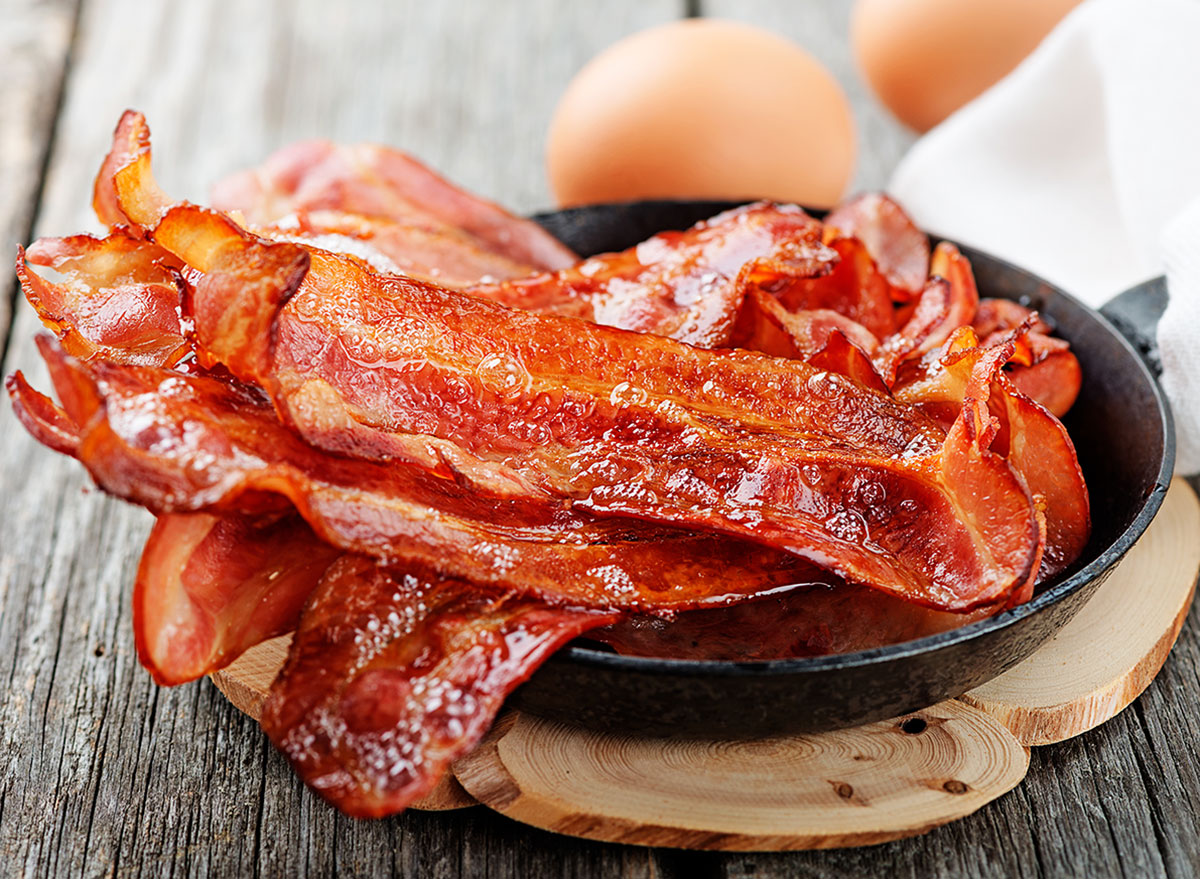
Traditional smoking is a craft, an ancient preservation and flavoring method that involves exposing meat to smoke generated by smoldering wood chips or logs over an extended period. This slow process allows the myriad compounds within the smoke to penetrate the meat, contributing not only to its characteristic flavor and aroma but also to its color and texture. The type of wood used—be it applewood, hickory, cherry, or pecan—plays a pivotal role in the final flavor profile, each imparting unique nuances, from sweet and fruity to robust and earthy. In contrast, many mass-produced bacons achieve a "smoked" flavor through the application of liquid smoke, a concentrate derived from burning wood and condensing the smoke into a liquid form. While efficient and cost-effective for manufacturers, liquid smoke often lacks the depth, complexity, and subtle variations that genuine wood-smoking provides, leading to a more one-dimensional or even artificial taste sensation.
Consumer awareness regarding food processing and ingredient transparency has surged in recent years, driving demand for products with cleaner labels and more traditional preparation methods. This extends to understanding terms like "uncured" and "nitrates/nitrites." Conventionally cured bacon often contains synthetic sodium nitrite, a preservative and color fixative. However, "uncured" bacon typically means that no synthetic nitrates or nitrites have been added. Instead, these products often utilize naturally occurring nitrates from sources like celery powder or sea salt, which are then converted into nitrites by bacterial action during the curing process. While chemically similar in their active form, many consumers prefer the "uncured" designation for its association with a more natural approach to food preservation. Beyond curing, the provenance and welfare of the animals from which the bacon is derived also increasingly influence purchasing decisions, with many top brands highlighting commitments to humane raising practices, vegetarian diets, and freedom from gestation crates or antibiotics.
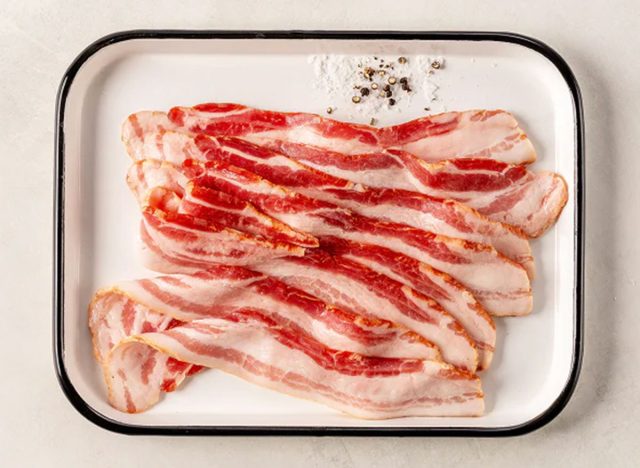
For those dedicated to sourcing bacon that embodies the rich, authentic taste of traditional wood smoke and adheres to higher standards of production, several brands stand out in the competitive marketplace. These producers not only promise genuine flavor but often couple it with ethical sourcing and transparent ingredient lists.
One prominent name is ButcherBox Bacon, often featured within the curated selections of its namesake meat delivery service. ButcherBox emphasizes a holistic approach to meat provision, offering subscriptions that connect consumers with humanely raised, grass-fed, and pasture-raised meats. Their Applewood Smoked uncured bacon exemplifies this philosophy, crafted from pork raised without confinement and fed a natural diet. The "uncured" designation signifies the absence of synthetic nitrates, while the subtle sweetness and robust smokiness are achieved through genuine applewood smoke. Notably, this particular bacon is also marketed as being free from added sugars, catering to those who monitor their sugar intake or prefer a less sweet profile in their savory meats. Its inclusion in a diverse box of premium meats highlights its perceived quality and alignment with broader culinary trends favoring responsibly sourced ingredients.
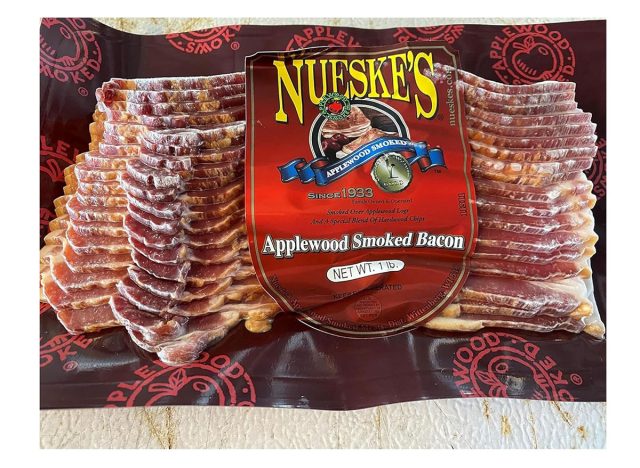
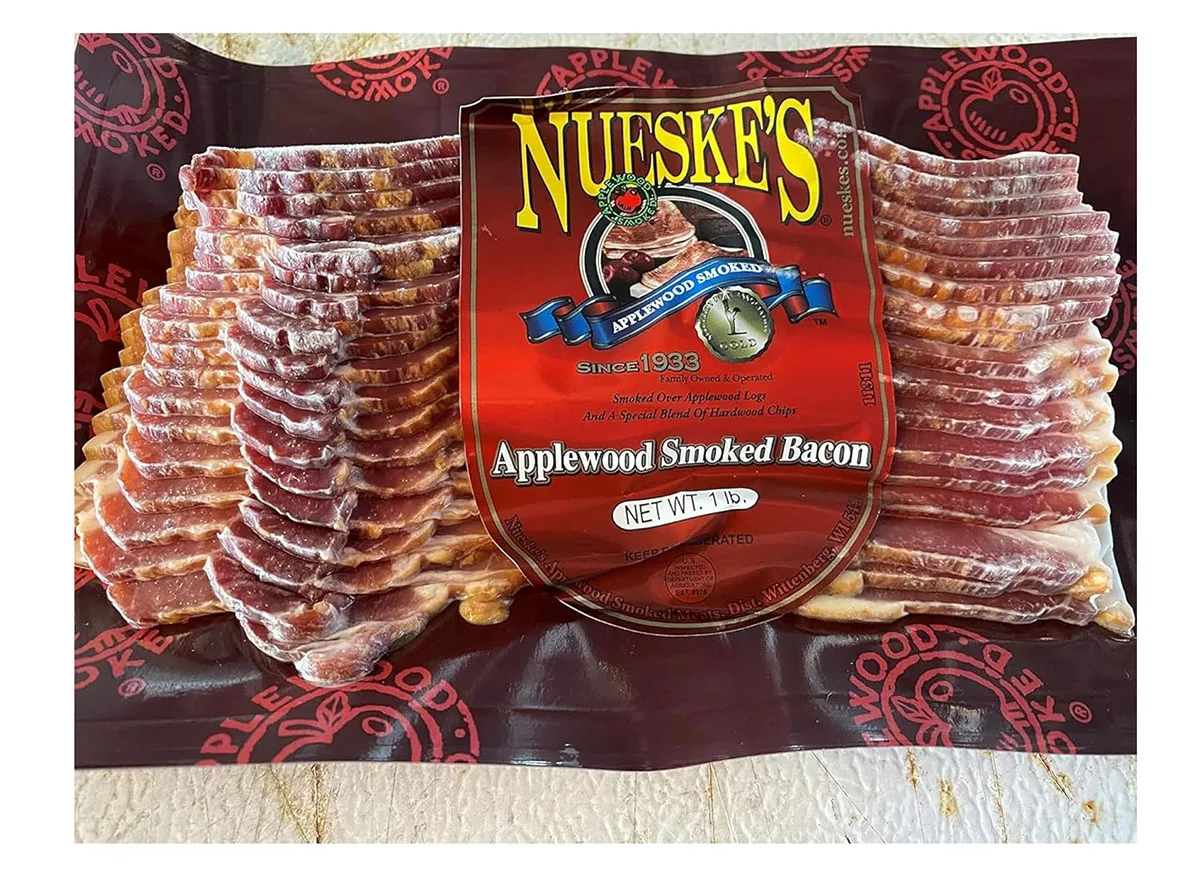
Another benchmark for exceptional quality is Nueske’s Applewood Smoked Bacon. Hailing from Wittenberg, Wisconsin, Nueske’s boasts a multi-generational legacy in the art of meat smoking. Their bacon is renowned for its intense, yet balanced, applewood flavor, a direct result of a meticulous 24-hour smoking process over glowing applewood logs. This extended exposure to a controlled, cool smoke environment allows the unique characteristics of the applewood to deeply infuse the pork bellies. The brand prides itself on hand-trimming pork bellies to ensure a premium product with consistent quality and minimal shrinkage during cooking, a testament to its high meat-to-fat ratio and careful preparation. Nueske’s bacon has garnered numerous culinary awards and is a staple in many high-end restaurants, underscoring its reputation among professional chefs and discerning home cooks alike for its distinctive flavor and superior texture. Customer feedback frequently praises its rich smokiness and melt-in-your-mouth tenderness.
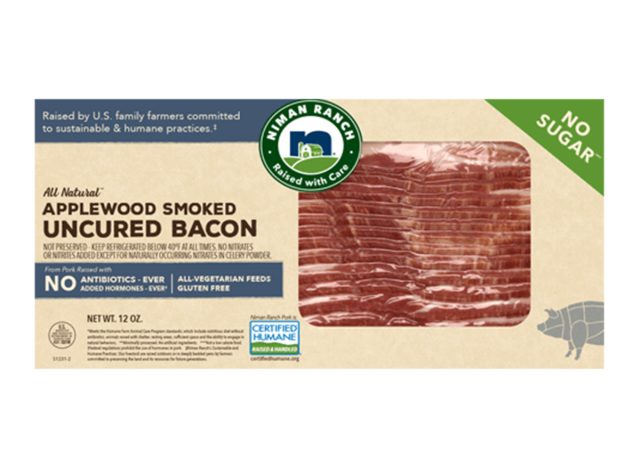
Similarly, Niman Ranch Applewood Smoked Bacon commands respect within the gourmet food community. This brand is built upon a network of independent family farmers committed to sustainable and humane animal husbandry practices. Their hogs are raised outdoors or in deeply bedded barns, never given antibiotics or added hormones, and fed a 100% vegetarian diet. The pork bellies are then naturally smoked over applewood, resulting in a bacon that is both flavorful and reflective of the brand’s ethical commitments. Niman Ranch products are frequently found on the menus of upscale dining establishments and are readily accessible to home cooks through retailers like Whole Foods Market, signaling both its premium quality and broader market availability. The brand’s dedication to animal welfare is as integral to its identity as the delicious, authentic smoky flavor of its bacon.
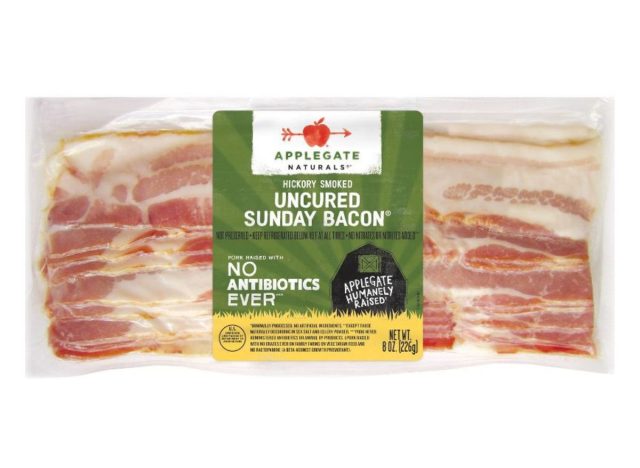
For consumers seeking naturally smoked options that are widely available and adhere to "clean label" principles, Applegate Naturals Sunday Bacon offers a compelling choice. Applegate has positioned itself as a leader in natural and organic meats, prioritizing products free from artificial ingredients, chemical nitrites, and antibiotics. Their Sunday Bacon utilizes traditional hardwood smoke to achieve its flavor, aligning with the preference for genuine smoking methods. While some may find its smoke profile milder compared to more intensely smoked varieties, this can be an advantage for those who prefer a less overpowering smokiness, allowing the natural flavor of the pork to shine through. The "Sunday Bacon" designation often refers to a particular cut or thickness, suggesting a product designed for a hearty breakfast experience, emphasizing quality ingredients and a straightforward preparation.
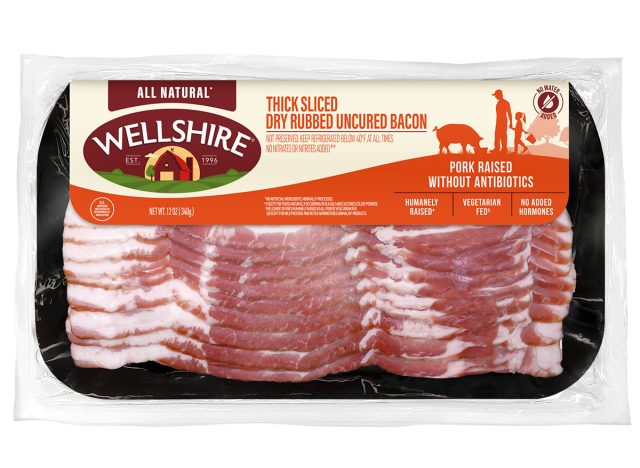
Another noteworthy contender, often found in health-conscious grocery stores like Whole Foods, is Wellshire Farms Dry Rubbed Bacon. This brand distinguishes itself through a slow-curing process combined with natural smoking, crucially avoiding water injections or liquid smoke flavorings that can dilute flavor and alter texture. The "dry-rubbed" method means the pork bellies are seasoned with a blend of spices before curing, allowing the flavors to penetrate deeply without the use of a brine solution. Wellshire Farms prides itself on using minimal ingredients and being naturally cured and nitrate-free, though it’s transparent about listing organic cane sugar as an ingredient, a detail some sugar-conscious consumers appreciate being aware of. This commitment to traditional preparation methods ensures a rich, concentrated flavor profile that stands apart from many conventionally produced options.
Elevating the bar for ingredient transparency and animal welfare is Tender Belly No Sugar Bacon. This brand is built on a mission to produce "crazy tasty bacon" from heritage breed pigs, which are known for their superior meat quality and flavor. These pigs are raised crate-free and fed a 100% vegetarian diet, with a strict "no antibiotics ever" policy. Tender Belly’s "No Sugar Dry Rub Uncured Bacon" is a standout, catering specifically to consumers looking to avoid added sugars. The process involves a unique dry rub of freshly ground spices that is allowed to permeate the pork bellies for several days, followed by a slow smoking process over real cherry wood. The absence of water injections ensures a denser, richer bacon that crisps beautifully. The combination of heritage pork, careful dry-rub curing, cherry wood smoke, and a sugar-free formulation creates a distinctive and highly sought-after product.
Finally, Beeler’s Uncured Hickory Smoked Bacon rounds out this selection with its strong emphasis on family farming and a clean label. Beeler’s Pure Pork is dedicated to responsible animal care, raising pigs on a vegetarian diet without gestation crates and free from antibiotics. Their uncured hickory smoked bacon reflects this commitment, featuring no added nitrates or nitrites beyond those naturally occurring in sea salt and celery powder. It is also certified casein and gluten-free, addressing common dietary concerns. The use of hickory smoke provides a classic, robust smoky flavor that is a favorite for many. Beeler’s commitment to transparency about its ingredients and farming practices resonates deeply with consumers who prioritize both taste and ethical production.
In conclusion, while the market offers a vast array of bacon products, the quest for truly authentic, deeply flavorful bacon leads discerning consumers to brands that champion traditional smoking techniques and ethical sourcing. These seven brands—ButcherBox, Nueske’s, Niman Ranch, Applegate Naturals, Wellshire Farms, Tender Belly, and Beeler’s—represent the pinnacle of quality in naturally smoked bacon. By understanding the nuances of curing, smoking, and animal welfare, consumers can make informed choices that not only elevate their breakfast plates but also support sustainable and responsible food production practices. The rich, complex taste of genuine wood smoke is an experience worth seeking out, a testament to the enduring appeal of craftsmanship in the culinary world.
About the Author