In an increasingly fast-paced world, the demand for convenient yet satisfying meal solutions has propelled the frozen food sector to new heights. Among the myriad options filling freezer aisles, breaded fish fillets have carved out a significant niche, offering a quick path to a comforting, often nostalgic, meal. These versatile products serve as a year-round staple for many households, from facilitating quick weeknight dinners to providing a traditional option during periods like the Lenten season. However, the sheer volume of choices can make selecting a high-quality product a daunting task for consumers. A recent comprehensive assessment aimed to demystify this segment by meticulously evaluating six prominent frozen fried fish fillet brands, scrutinizing their performance across critical sensory and practical attributes.
The enduring appeal of frozen fish fillets stems from a confluence of factors, primarily their ease of preparation and extended shelf life, which make them an indispensable asset for busy individuals and families. Beyond mere convenience, these items often tap into a cultural familiarity, evoking the warmth of a classic fish fry. They offer a readily available protein source that can be transformed into a variety of dishes, from a simple fish sandwich adorned with creamy coleslaw to a more complete meal alongside roasted vegetables and crispy french fries. Yet, the challenge for manufacturers lies in translating the fresh-fried experience into a frozen format, particularly in preserving the delicate balance of a crispy exterior and a tender, flaky interior, all while delivering an authentic flavor profile. The majority of these products typically feature wild-caught Alaskan pollock, a widely utilized white fish known for its mild taste and firm texture, making it an ideal candidate for breading and frying.
To provide consumers with actionable insights, a structured evaluation methodology was employed. Six distinct frozen fried fish fillet products from various manufacturers were procured and subjected to a comparative analysis. The assessment focused on several key criteria essential for a superior culinary experience:
- Textural Integrity: This encompassed the crispness and adherence of the breading or batter, the flakiness of the fish flesh itself, and the overall structural resilience of the fillet, particularly when handled or cut.
- Flavor Profile: Testers scrutinized the taste of both the fish and its coating. Desirable attributes included a clean, mild fish flavor devoid of any overpowering "fishy" notes, and a savory, well-seasoned breading. The presence of any artificial or off-flavors was also a significant consideration.
- Appearance: Visual appeal played a role, with emphasis on a uniformly golden-brown coating and an inviting presentation post-cooking.
- Preparation Efficacy: The recommended cooking methods (microwave, oven, air fryer) were followed, and their impact on the final product quality was carefully observed, noting differences in cooking time and resulting texture.
- Overall Enjoyment: A holistic measure of satisfaction, weighing all factors to determine which products offered the most gratifying eating experience.
It was quickly established that the chosen cooking method exerted a profound influence on the final outcome, particularly concerning the coveted crispness of the coating.
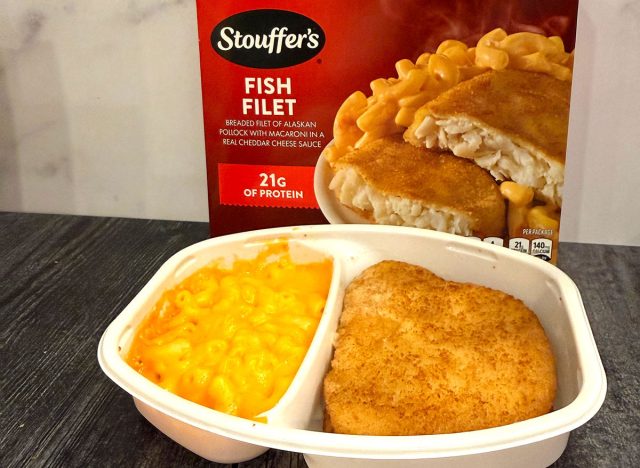
Stouffer’s Breaded Fish Fillet with Macaroni & Cheese: A Compromise for Ultimate Convenience
Positioned at the entry point of the evaluation, the Stouffer’s offering stood out as a complete frozen meal, pairing a breaded Alaskan pollock fillet with a generous side of creamy macaroni and cheese. Designed for maximum convenience, this product allows for preparation in either a microwave or a conventional oven. Opting for the faster microwave method, which is often the primary draw for such ready meals, revealed a notable trade-off in quality.
Upon completion of the recommended microwave cooking time, the fish fillet, while possessing a surprisingly agreeable and non-overpowering flavor, suffered significantly in terms of texture. Its consistency was notably flimsy and lacked any discernible crispness, failing to replicate the desired fried characteristic. This structural weakness made handling challenging. While an oven preparation, requiring approximately 30 minutes versus a mere 5 in the microwave, would undoubtedly yield a firmer texture, the primary appeal of this product lies in its rapid cook time. For consumers prioritizing speed above all else, this meal, delivering approximately 470 calories, offers a serviceable, albeit texturally compromised, option. However, when juxtaposed against competitors focused solely on the fish fillet, its performance in the core area of fried fish quality lagged behind.
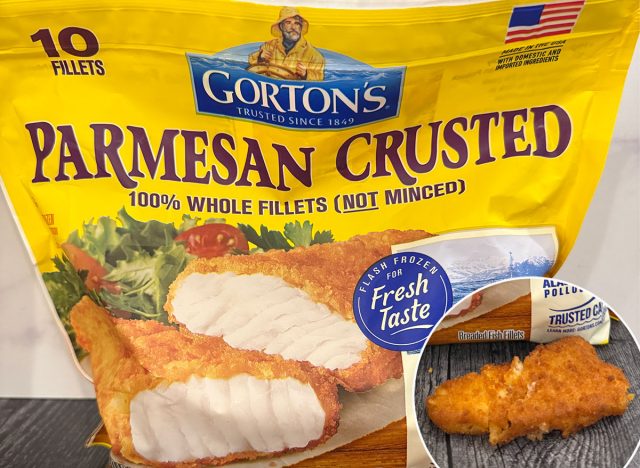
Gorton’s Parmesan Crusted Fish Fillets: An Aspiration Not Fully Realized
Next in the assessment were Gorton’s Parmesan Crusted Fish Fillets, which promised an elevated flavor profile with their real Parmesan cheese coating and use of whole, wild-caught Alaskan pollock fillets rather than minced fish. The manufacturer advised oven or air fryer preparation, aligning with modern cooking preferences for achieving crispiness.
Initial observations post-air frying indicated a lack of structural integrity, with fillets appearing somewhat prone to breakage even before tasting. This visual foreshadowed the subsequent sensory experience. The flavor profile presented a slightly more pronounced "fishy" note than desired, which some palates found difficult to overlook. More significantly, the fillets exhibited considerable fragility, disintegrating with ease when transferred from the air fryer to a plate or when cut. This structural deficiency detracted considerably from the eating experience. While the concept of a Parmesan crust holds culinary appeal, the execution fell short in delivering a robust and well-integrated product. Each serving, consisting of two fillets, contained approximately 260 calories.
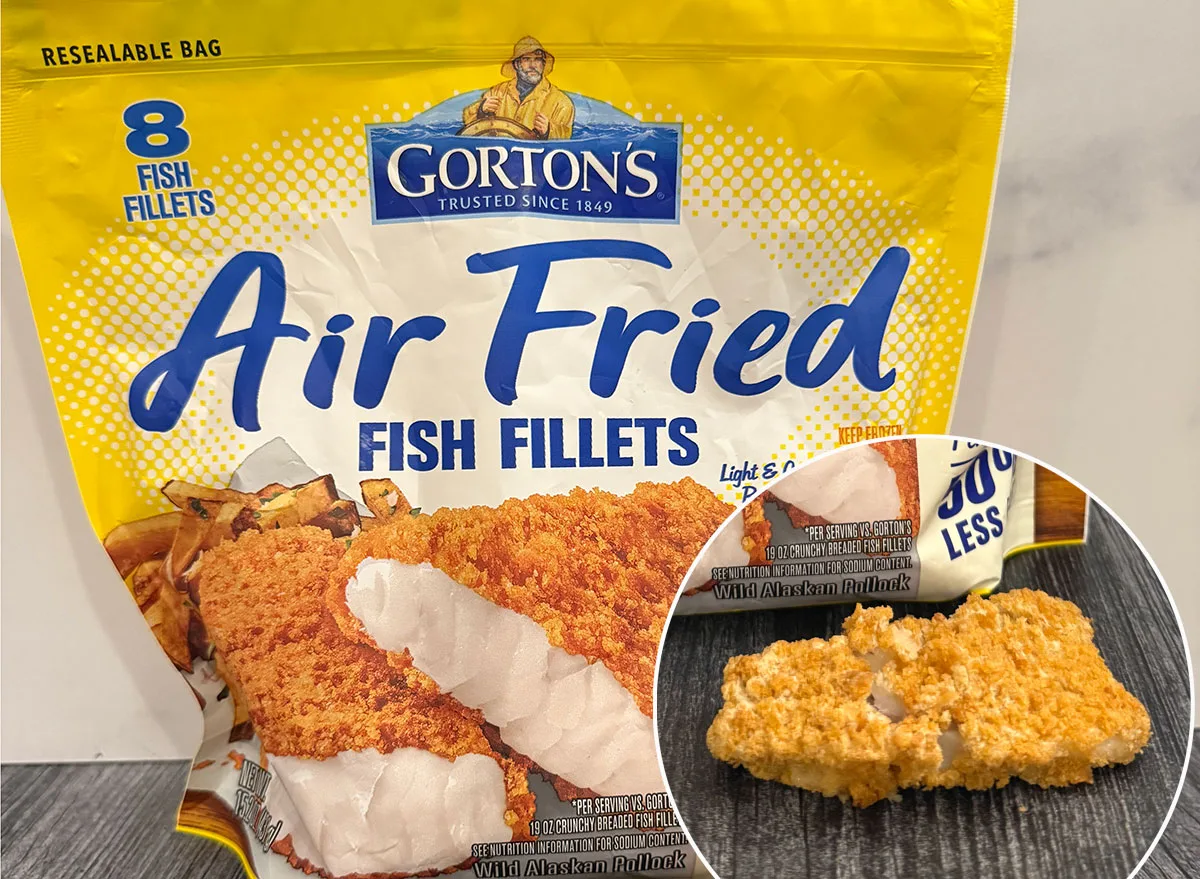
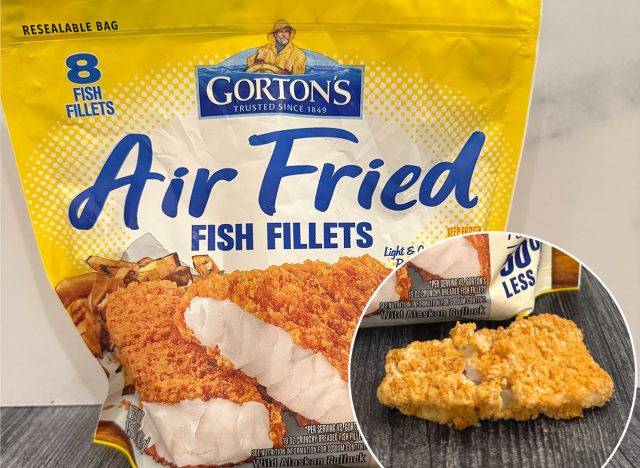
Gorton’s Air Fried Fish Fillets: A Step Towards Improved Texture
Continuing with offerings from Gorton’s, the Air Fried Fish Fillets presented a product specifically engineered to capitalize on the rising popularity of air frying appliances. This specialization suggested an optimized formulation for achieving superior crispness.
Visually, these fillets offered a noticeable improvement over their Parmesan-crusted counterparts, emerging from the air fryer with a promisingly crispy appearance. The texture, indeed, represented a significant advancement, delivering a satisfying crunch to the coating. The underlying fish offered a clean and fresh taste. However, a curious and unexpected subtle "cheddar cheese-like" undertone was detected in the flavor profile, which, while not unpleasant, deviated from a classic fried fish expectation. Despite the enhanced crispness, a degree of structural fragility persisted, as fillets still showed a tendency to crumble during transfer or cutting. Containing approximately 190 calories for two fillets, this product landed squarely in the middle of the evaluated range, demonstrating an improvement in texture but still leaving room for refinement in overall consistency and flavor neutrality.
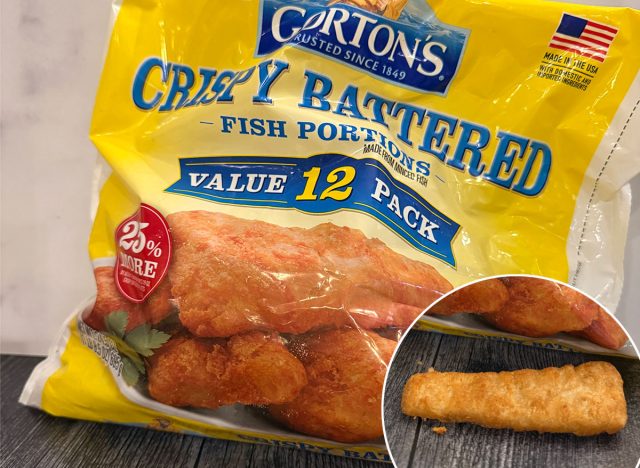
Gorton’s Crispy Battered Fish Fillets: A Reliable Classic
Moving up the ranking, Gorton’s Crispy Battered Fish Fillets offered a more traditional approach, featuring wild-caught pollock encased in a classic batter, suitable for oven or air fryer preparation. From the outset, these fillets distinguished themselves with a visibly more robust and cohesive coating.
This enhanced structural integrity translated directly into the eating experience. The fillets maintained their shape commendably, both during and after cooking, making them significantly easier to handle and serve without falling apart. The batter itself was characterized as light and almost tempura-like, contributing a pleasant crispness without overwhelming the delicate fish. The flavor profile was straightforward and satisfying, delivering a classic fried fish taste that resonated with expectations. At approximately 130 calories per fillet, this option presented a strong case for consumers seeking a dependable, no-frills, yet high-quality traditional battered fish. Its solid performance marked a clear turning point in the comparative assessment, establishing a benchmark for fundamental fried fish attributes.
Gorton’s Potato Crunch Fish Fillets: A Savory Innovation
Further solidifying Gorton’s presence in the upper echelons of the evaluation were their Potato Crunch Fish Fillets, another wild-caught pollock offering designed for oven or air fryer cooking. This product introduced an innovative potato-based coating, immediately setting it apart from more conventional batters.
The sensory experience began even before the first bite, as the fillets emanated an inviting aroma reminiscent of both freshly fried potatoes and a classic fish fry during air fryer preparation. The cooking process yielded exceptional results, with the potato coating achieving a delightful crispness and adherence. The most striking aspect was the flavor and texture contributed by this unique crust. It imparted a genuinely savory and satisfying taste that enhanced the fish without any hint of artificiality or excessive processing, a common pitfall for flavored frozen foods. The added textural dimension from the potato coating elevated the fillet, making it particularly engaging. Structural integrity was well-maintained, contributing to an overall pleasurable consumption. Providing approximately 240 calories for two fillets, this product was unequivocally deemed the superior offering from the Gorton’s range, showcasing how thoughtful innovation in breading can significantly elevate a frozen fish product.
Van de Kamp’s Beer Battered Fish Fillets: The Unanimous Champion
Claiming the pinnacle position in this comprehensive evaluation were Van de Kamp’s Beer Battered Fish Fillets. Recommended for oven or air fryer cooking, these fillets delivered a quintessential fried fish experience, embodying all the desirable characteristics consumers seek in a frozen format.
The appearance post-cooking was exemplary, achieving a perfectly golden and consistently crispy batter. The underlying fish exhibited a remarkably clean and untainted flavor profile, signaling freshness and quality. Crucially, the structural integrity of these fillets was outstanding; unlike some of their counterparts that crumbled or fell apart, Van de Kamp’s maintained their cohesive form effortlessly, making them ideal for any serving application, including sandwiches. The batter itself was praised for its lightness and pronounced crispness, complementing the fish without being overly heavy or greasy. While the Gorton’s Potato Crunch fillets offered a unique and highly enjoyable alternative, Van de Kamp’s secured the top spot for its ability to flawlessly execute the classic beer-battered fish experience. With approximately 200 calories for two fillets, they represent the gold standard for convenience, quality, and traditional flavor in the frozen fried fish category.
In conclusion, this detailed assessment of frozen breaded fish fillets reveals a considerable spectrum of quality across different brands. While all products aim to offer convenience, the success in delivering on fundamental attributes like crispness, flavor, and structural integrity varies significantly. Consumers seeking the utmost convenience of a microwaveable meal should be prepared for textural compromises. However, for those willing to utilize an oven or air fryer, several excellent options exist that closely mimic the satisfaction of freshly fried fish. The evaluation underscores that discerning choices in the freezer aisle can lead to genuinely delicious and convenient meal solutions, with Van de Kamp’s Beer Battered Fish Fillets emerging as the top performer for a classic experience, closely followed by Gorton’s innovative Potato Crunch variety.
About the Author