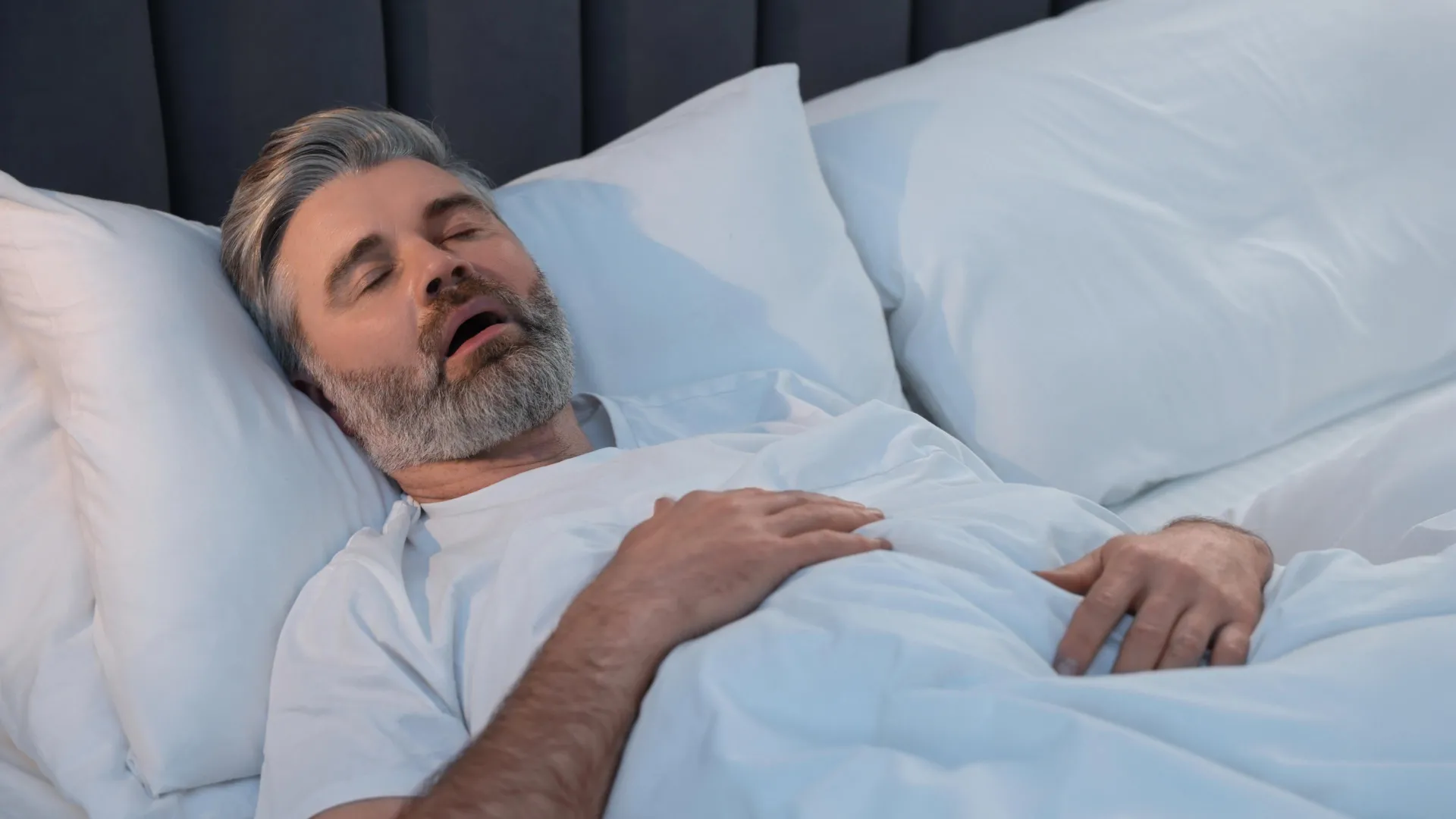
A significant advancement in the treatment landscape for obstructive sleep apnea (OSA) has emerged from a comprehensive European clinical trial, presenting the potential for a novel pharmacological intervention. Researchers have identified sulthiame, an established antiepileptic drug, as a promising oral treatment capable of mitigating the frequent breathing interruptions characteristic of OSA and subsequently enhancing overall sleep quality. This discovery holds particular importance for the substantial cohort of patients who struggle with the primary therapeutic approach, continuous positive airway pressure (CPAP) therapy, paving the way for a much-needed alternative.
Obstructive sleep apnea represents a pervasive global health challenge, affecting millions worldwide. Characterized by recurrent episodes of upper airway collapse during sleep, it leads to partial or complete cessation of breathing, known as apneas or hypopneas. These events cause intermittent reductions in blood oxygen saturation, disrupt the sleep cycle, and place considerable strain on various physiological systems. Beyond the immediate impact on sleep quality and daytime fatigue, untreated OSA is strongly associated with a spectrum of severe long-term health complications. These include an elevated risk of systemic hypertension, increased incidence of cardiovascular diseases such as myocardial infarction and stroke, the development or exacerbation of type 2 diabetes, and even neurological impairments. The cumulative burden of OSA extends beyond individual health, impacting public safety through increased accident rates and imposing substantial economic costs due to healthcare utilization and reduced productivity.
Despite its widespread prevalence and serious consequences, the therapeutic options for OSA have historically been limited, predominantly relying on mechanical solutions. The gold standard treatment, CPAP therapy, involves wearing a mask over the nose or mouth during sleep, which delivers a continuous stream of pressurized air to keep the airway open. While demonstrably effective in resolving apneas and improving oxygenation for those who adhere to it, CPAP therapy faces considerable challenges regarding patient compliance. A significant proportion of patients, sometimes as high as 50%, discontinue using their CPAP device within the first year. Reasons for non-adherence are varied and include discomfort from the mask, feelings of claustrophobia, skin irritation, noise generated by the device, dryness of the mouth or nasal passages, and the perceived inconvenience of traveling with the equipment. Other non-pharmacological interventions, such as oral appliances, positional therapy, or various surgical procedures, exist but often come with their own set of limitations in terms of efficacy, invasiveness, or suitability for all patients. The absence of a targeted pharmaceutical agent to address the underlying mechanisms of OSA has long represented a critical unmet medical need, driving intense research efforts.
The recent investigation into sulthiame involved a robust, multi-center, double-blind, placebo-controlled clinical trial, a methodology considered the benchmark for establishing drug efficacy and safety. A total of 298 individuals diagnosed with moderate to severe obstructive sleep apnea were recruited across four distinct European nations, ensuring a diverse patient demographic and broader applicability of the findings. Participants were randomly assigned to one of several treatment arms: a placebo group or groups receiving different dosages of sulthiame. The double-blind design meticulously ensured that neither the patients nor the clinical investigators were aware of which treatment each participant was receiving, thereby minimizing potential bias in reporting and observation. The meticulous design and execution of this study underscore the rigor applied to evaluating sulthiame’s potential.
The findings, published in the esteemed medical journal The Lancet, revealed compelling evidence of sulthiame’s therapeutic potential. Patients administered higher doses of sulthiame experienced a remarkable reduction in the frequency of respiratory disturbances during sleep, with interruptions decreasing by up to 47% when compared to the placebo group. This substantial improvement in the apnea-hypopnea index (AHI), a key diagnostic metric for OSA severity, was accompanied by a noticeable amelioration in nocturnal oxygen saturation levels. Improved oxygenation throughout the night is crucial, as chronic intermittent hypoxia is a major driver of the systemic health complications associated with OSA. These objective measures of efficacy highlight sulthiame’s capacity to significantly improve the physiological hallmarks of the condition, offering a tangible benefit to patients.
The proposed mechanism of action for sulthiame in treating OSA is distinct from mechanical therapies and centers on its influence over the neurological control of respiration. Researchers postulate that sulthiame stabilizes the body’s central respiratory drive, effectively increasing the neural impulses sent from the brain to the muscles involved in breathing. By enhancing the tone and activity of the upper airway muscles, it reduces the propensity for these tissues to collapse during the relaxed state of sleep, which is the primary anatomical cause of obstructive sleep apnea. This pharmacological approach targets a fundamental neurophysiological aspect of breathing regulation, offering a systemic solution rather than merely a symptomatic one. Furthermore, throughout the trial, the adverse effects reported by participants were generally characterized as mild and transient, a crucial consideration for any long-term medication, particularly for a chronic condition like OSA.
Jan Hedner, a senior professor of pulmonary medicine at the Sahlgrenska Academy, University of Gothenburg, who played a pivotal leadership role in orchestrating this study, expressed profound optimism regarding these results. He remarked on the extensive efforts invested in exploring this therapeutic strategy, emphasizing that the findings conclusively demonstrate the pharmacological malleability of sleep apnea. Professor Hedner hailed the outcome as a significant breakthrough, signifying a paradigm shift in how OSA might be managed in the future. He articulated the medical community’s eagerness to progress to larger-scale, longer-duration studies. These subsequent trials, typically Phase 3 investigations in drug development, will be critical for further validating the sustained efficacy of sulthiame over extended periods and rigorously assessing its long-term safety profile across a broader and more diverse patient population before it can be considered for regulatory approval. The collaborative contributions of Ludger Grote and Kaj Stenlöf, also from the University of Gothenburg, were instrumental in the comprehensive nature of this groundbreaking research.
An intriguing aspect of sulthiame’s emergence as a potential OSA treatment lies in its history as a repurposed drug. Sulthiame is not a newly developed compound; it has been previously approved and utilized in clinical practice for the management of certain forms of childhood epilepsy. The strategy of drug repurposing, or "repositioning," holds considerable appeal in pharmaceutical development. It involves investigating existing medications for new therapeutic indications, leveraging their known safety profiles, pharmacokinetic properties, and manufacturing processes. This approach can significantly accelerate the drug development timeline and reduce the overall costs associated with bringing a new therapy to market, as much of the initial toxicology and early-phase safety testing has already been completed. The existing clinical experience with sulthiame in neurological conditions may provide a valuable foundation as it transitions into studies for respiratory sleep disorders.
The potential introduction of an effective oral medication like sulthiame could herald a transformative era for individuals living with obstructive sleep apnea. It offers a tangible hope for those who find current mechanical therapies intolerable or ineffective, thereby improving adherence to treatment and, consequently, mitigating the severe health risks associated with untreated OSA. While further extensive research is undeniably required, the current findings represent a monumental step forward in the quest for diversified, patient-centric treatment options for this complex and prevalent disorder. The global medical community will keenly observe the progression of sulthiame through its next developmental stages, anticipating a future where pharmacological intervention provides a viable and accessible pathway to healthier, more restorative sleep for millions.
About the Author