Revolutionary AI Achieves Near-Instantaneous Neurological Diagnosis from Brain Scans, Prioritizing Urgent Cases.
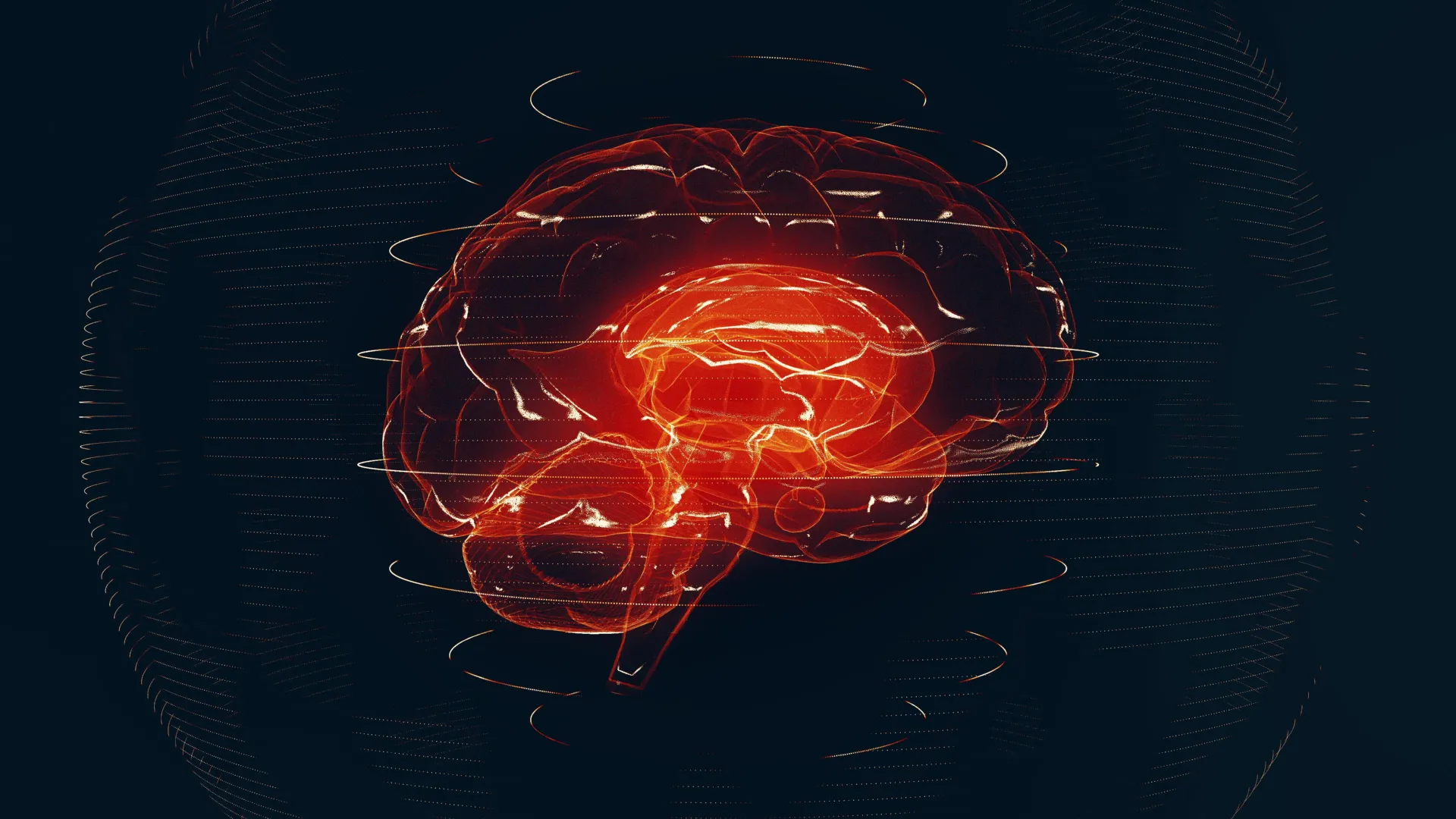
A groundbreaking artificial intelligence system, developed by researchers at the University of Michigan, is poised to dramatically alter the landscape of neurological diagnostics by processing complex brain MRI scans with unprecedented speed and accuracy. This novel technology, detailed in a recent publication in the esteemed journal Nature Biomedical Engineering, has demonstrated an impressive diagnostic capability, identifying neurological conditions with an accuracy rate of up to 97.5%. Beyond mere identification, the system possesses the crucial ability to assess the immediate urgency of a patient’s medical needs, a critical factor in optimizing treatment pathways for time-sensitive conditions.
The potential ramifications of this innovation are significant, offering a transformative approach to managing the ever-increasing demand for brain imaging services across healthcare networks in the United States. As the global utilization of MRI technology continues to surge, placing considerable pressure on both medical professionals and existing healthcare infrastructures, this AI model presents a compelling solution. It promises to alleviate the diagnostic burden by delivering swift and precise information, thereby enhancing both the efficiency and effectiveness of diagnosis and subsequent treatment strategies. Dr. Todd Hollon, a neurosurgeon at University of Michigan Health and an assistant professor of neurosurgery at the U-M Medical School, who served as the senior author of the study, highlighted the system’s capacity to streamline clinical workflows.
Dubbed "Prima," the artificial intelligence underwent rigorous evaluation over a twelve-month period, with the research team scrutinizing more than 30,000 individual MRI studies. Prima’s performance was benchmarked against other sophisticated AI models, and it consistently outperformed them in diagnosing over fifty distinct radiological conditions associated with major neurological disorders. Crucially, the system’s utility extends beyond simply pinpointing a diagnosis; it proved adept at discerning the relative urgency of cases, a vital function for conditions where prompt intervention is paramount.
For critical neurological emergencies such as strokes and brain hemorrhages, which necessitate immediate medical intervention, Prima is designed to automatically flag these cases. This automated alert system enables healthcare providers to initiate swift action, potentially averting devastating consequences. The system’s design includes protocols to notify the most appropriate subspecialist, whether that be a stroke neurologist or a neurosurgeon, ensuring that patient care is directed to the most qualified experts without delay. Critically, diagnostic feedback becomes available virtually instantaneously following the completion of a patient’s imaging session.
The imperative for rapid diagnostic turnaround in neuroimaging cannot be overstated. Yiwei Lyu, M.S., a postdoctoral fellow in Computer Science and Engineering at U-M and a co-first author on the paper, emphasized that while diagnostic accuracy is non-negotiable in brain MRI interpretation, swift results are equally vital for timely diagnosis and improved patient outcomes. The study’s findings underscore Prima’s capacity to enhance operational efficiency within clinical settings and streamline patient care without compromising the high standards of accuracy expected in medical diagnostics.
Prima distinguishes itself as a Vision Language Model (VLM), a sophisticated class of artificial intelligence engineered to process and integrate visual data, such as images and videos, with textual information in real-time. While AI has previously been applied to MRI analysis, Prima adopts a fundamentally different methodology. Previous AI models were often trained on curated subsets of MRI data, designed to perform very specific, narrowly defined tasks, such as identifying particular types of lesions or predicting the risk of dementia. In contrast, Prima was trained on an exceptionally comprehensive and diverse dataset.
The research team at the University of Michigan employed an expansive approach, utilizing virtually every MRI scan collected since the digitization of radiology records at their institution. This vast repository encompassed over 200,000 MRI studies and an astonishing 5.6 million imaging sequences. Furthermore, Prima’s training regimen incorporated crucial contextual information, including patients’ clinical histories and the specific clinical questions that prompted each imaging study. This holistic approach allows Prima to function much like a seasoned radiologist, integrating patient-specific medical background with detailed imaging findings to construct a comprehensive understanding of an individual’s health status. Samir Harake, a data scientist within Dr. Hollon’s Machine Learning in Neurosurgery Lab and another co-first author, explained that this integrated approach facilitates superior performance across a wide spectrum of diagnostic and predictive tasks.
The development of Prima directly addresses the growing challenges of MRI-related delays and the persistent shortage of skilled neuroradiologists. Annually, millions of MRI scans are performed globally, with a significant proportion dedicated to the investigation of neurological conditions. However, the demand for these specialized imaging services is escalating at a rate that outpaces the availability of qualified neuroradiology professionals. This disparity has unfortunately led to a cascade of issues, including critical staffing shortages, diagnostic delays that can impact patient outcomes, and an increased risk of diagnostic errors. The time it takes to receive MRI results can vary significantly, ranging from several days to even longer, depending on the healthcare facility.
Vikas Gulani, M.D., Ph.D., a co-author and the Chair of the Department of Radiology at U-M Health, underscored the pressing need for innovative solutions to enhance access to radiology services. He noted that whether patients are receiving scans at large, high-volume healthcare systems or at rural hospitals with limited resources, advanced technologies are indispensable. The collaborative efforts of the University of Michigan teams have yielded a cutting-edge solution with substantial potential for widespread scalability and impact.
While Prima’s performance has been exceptionally promising, the researchers are keen to emphasize that this work represents an early stage of evaluation. Future research endeavors will concentrate on integrating even more granular patient information and data from electronic medical records to further refine diagnostic accuracy. This iterative approach mirrors the complex interpretive process undertaken by human radiologists and physicians when analyzing MRIs and other medical imaging studies in real-world clinical scenarios. Although artificial intelligence is already making inroads into healthcare, the majority of existing systems are confined to performing highly specialized, narrowly defined functions.
Dr. Hollon aptly characterized Prima as "ChatGPT for medical imaging," drawing a parallel to the conversational AI that has revolutionized information access. He further suggested that similar AI technologies could eventually be adapted for interpreting other imaging modalities, including mammograms, chest X-rays, and ultrasounds. The vision for Prima is to serve as an invaluable "co-pilot" for interpreting medical imaging studies, much like AI tools can assist in drafting communications or providing recommendations. Dr. Hollon expressed a strong belief that Prima exemplifies the profound transformative potential that arises from the synergistic integration of healthcare systems and advanced AI-driven models, ultimately driving innovation to improve patient care.
The research was supported by grants from the National Institute of Neurological Disorders and Stroke (part of the National Institutes of Health), the Chan Zuckerberg Initiative (CZI), the Frankel Institute for Heart and Brain Health, the Mark Trauner Brain Research Fund, the Zenkel Family Foundation, Ian’s Friends Foundation, and the UM Precision Health Investigators Awards grant program. The content presented reflects the sole responsibility of the authors and does not necessarily represent the official viewpoints of the NIH. Additional contributors to this significant research include Asadur Chowdury, M.S., Soumyanil Banerjee, M.S., Rachel Gologorsky, Shixuan Liu, Anna-Katharina Meissner, M.D., Akshay Rao, Chenhui Zhao, Akhil Kondepudi, Cheng Jiang, Xinhai Hou, Rushikesh S. Joshi, M.D., Volker Neuschmelting, M.D., Ashok Srinivasan, M.D., Dawn Kleindorfer, M.D., Brian Athey, Ph.D., Aditya Pandey, M.D., and Honglak Lee, Ph.D., all affiliated with the University of Michigan.
Related posts:

Related News