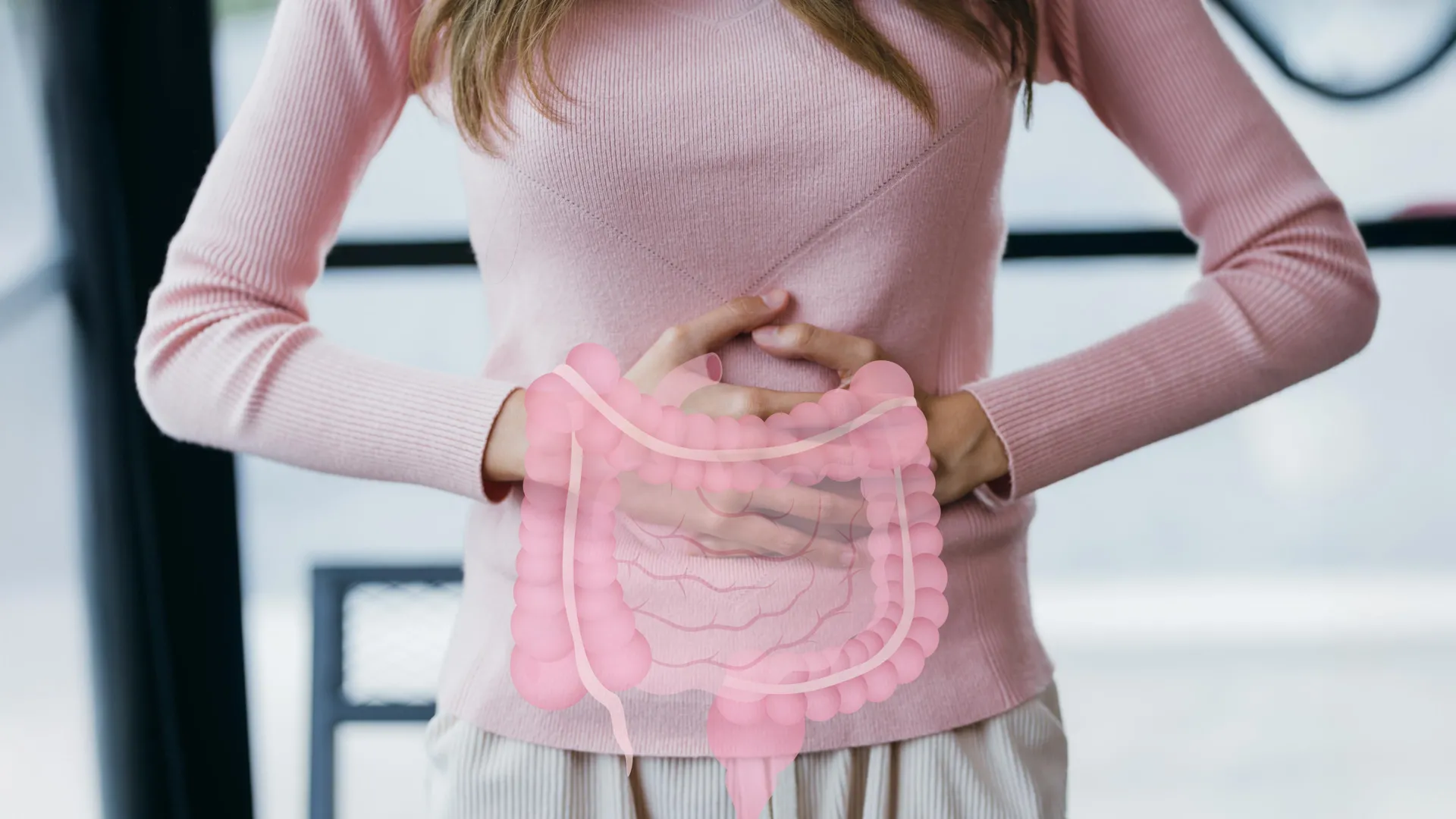
The profound impact of dietary fiber on human well-being is increasingly recognized, with its multifaceted benefits extending from digestive regularity to a potential reduction in the incidence of certain chronic diseases. This growing understanding appears to be fueling a surge in interest around a dietary approach colloquially termed "fibermaxxing," a concept that champions consistent and adequate fiber consumption.
At its core, fibermaxxing advocates for achieving at least the daily recommended intake of dietary fiber, calibrated according to an individual’s body weight. This nutritional philosophy has rapidly permeated various online communities and is now gaining significant traction in mainstream discourse.
Dr. Jennifer Lee, a distinguished scientist affiliated with the Jean Mayer USDA Human Nutrition Research Center on Aging at Tufts University, conducts extensive research investigating the intricate interplay between gut health, sex-based physiological differences, and metabolic functions throughout the human lifespan. Dr. Lee expresses little surprise at the burgeoning popularity of fibermaxxing, interpreting it as a clear indicator of heightened public awareness regarding the crucial distinction between merely prolonging life and ensuring those extended years are lived in a state of robust health. The pursuit of strategies that promote healthspan—the period of life spent in good health—is a prominent trend among individuals seeking to maintain vitality as they age.
"There’s a substantial nine-year disparity between reaching a certain age and remaining in good health, versus experiencing a significant decline in health quality towards the end of life," Dr. Lee elaborates, underscoring the timeliness of behavioral and nutritional interventions that actively support health maintenance.
Scientific evidence robustly links chronically insufficient fiber consumption to a greater susceptibility to metabolic and cardiovascular disorders, including type 2 diabetes and obesity. Dr. Lee posits that when fiber intake is inadequate, individuals often compensate by consuming calories from other macronutrient sources, which may be high in carbohydrates or fats, thereby contributing to weight gain. Furthermore, depending on a confluence of individual factors influencing cancer risk, a deficiency in dietary fiber can elevate the likelihood of developing specific cancers, such as colorectal, breast, and prostate cancers. In essence, augmenting dietary fiber intake generally confers a broad spectrum of positive health outcomes.
For individuals seeking to quantify their personal fiber requirements, the United States Department of Agriculture’s (USDA) National Agricultural Library offers a comprehensive Dietary Reference Intakes (DRI) calculator, providing personalized nutritional intake recommendations.
The Dietary Guidelines for Americans, 2020-2025, a joint publication by the USDA and the U.S. Department of Health and Human Services, outlines general recommendations for adult fiber intake, suggesting a daily range of 22 to 34 grams, contingent upon age and sex. A more generalized rule of thumb provided by Dr. Lee suggests aiming for approximately 14 grams of fiber for every 1,000 calories consumed. As individuals age and their caloric needs typically decrease, their recommended fiber intake adjusts accordingly. For instance, a female between the ages of 19 and 30, consuming an average of 2,000 calories daily, would have a recommended fiber intake of 28 grams. In contrast, a male within the same age bracket, consuming slightly more calories, would have a higher recommendation of 34 grams of fiber per day.
Dietary fiber is broadly categorized into two principal types: soluble and insoluble. Soluble fiber, as its name suggests, dissolves in water, forming a gel-like substance that moderates the pace of digestion. Insoluble fiber, conversely, does not dissolve and plays a crucial role in facilitating the passage of waste through the digestive system.
"Soluble fiber attracts water within the gut, transforming into a viscous, gel-like matrix," explains Dr. Lee. "This property contributes to feelings of fullness and satiety. Upon reaching the colon, it serves as a vital substrate for the gut microbiota, meaning the beneficial microbes residing in our intestines can metabolize it. Consequently, soluble fiber acts as a beneficial nutrient source for these microorganisms." Beyond its impact on satiety and gut health, soluble fiber can also aid in glycemic control by slowing down carbohydrate absorption, thereby mitigating sharp fluctuations in blood glucose levels. It may also contribute to cholesterol management by limiting the absorption of certain cholesterol compounds into the bloodstream. Excellent sources of soluble fiber include numerous fruits and vegetables like apples, avocados, bananas, cabbage, broccoli, and cauliflower, as well as legumes, beans, and oatmeal.
In contrast, insoluble fiber, which remains undissolved and does not contribute to caloric intake, is indispensable for maintaining regular bowel movements. "The body cannot extract energy from insoluble fiber," Dr. Lee notes, "yet its consumption is critical because it provides the bulk necessary for stool formation, effectively preventing constipation." To foster a healthy digestive equilibrium, Dr. Lee recommends a ratio of approximately two parts insoluble fiber to one part soluble fiber daily. For example, if an individual’s daily fiber target is 30 grams, roughly 20 grams should originate from insoluble sources and 10 grams from soluble sources.
For individuals who find it challenging to meet their fiber requirements through whole foods alone, dietary fiber supplements offer a practical adjunct. Dr. Lee acknowledges that a significant proportion of the adult population falls short of recommended fiber intake levels, making supplementation a viable strategy for many.
Fiber supplements are readily available in various forms, including capsules and powders that can be incorporated into beverages. However, Dr. Lee advises caution regarding the pace of increasing fiber consumption, emphasizing that a rapid escalation can lead to digestive discomfort as the body adapts. "An abrupt increase without adequate hydration, particularly with soluble fiber, can paradoxically lead to constipation," she warns. "Conversely, some individuals may experience diarrhea as a sensitivity. It is imperative to listen to your body and observe its response to dietary changes."
The U.S. Centers for Disease Control and Prevention (CDC) provides valuable resources on the role of fiber in diabetes management, including practical guidance on incorporating fiber-rich foods into daily meals, such as fiber-friendly breakfast options.
About the Author