For decades, the complex world of human intestinal gas production has remained largely enigmatic, posing a significant challenge for medical professionals seeking to understand and treat conditions related to digestive health. Patients often report symptoms like bloating, discomfort, and excessive flatulence, yet clinicians have historically lacked objective tools to quantify these experiences. Traditional methods for assessing intestinal gas have been either highly invasive, impractical for daily life, or reliant on subjective patient recall, leading to an incomplete and often inaccurate picture of an individual’s gut physiology. This diagnostic void has long hindered the precise evaluation of various gastrointestinal disorders and the effectiveness of dietary or therapeutic interventions.
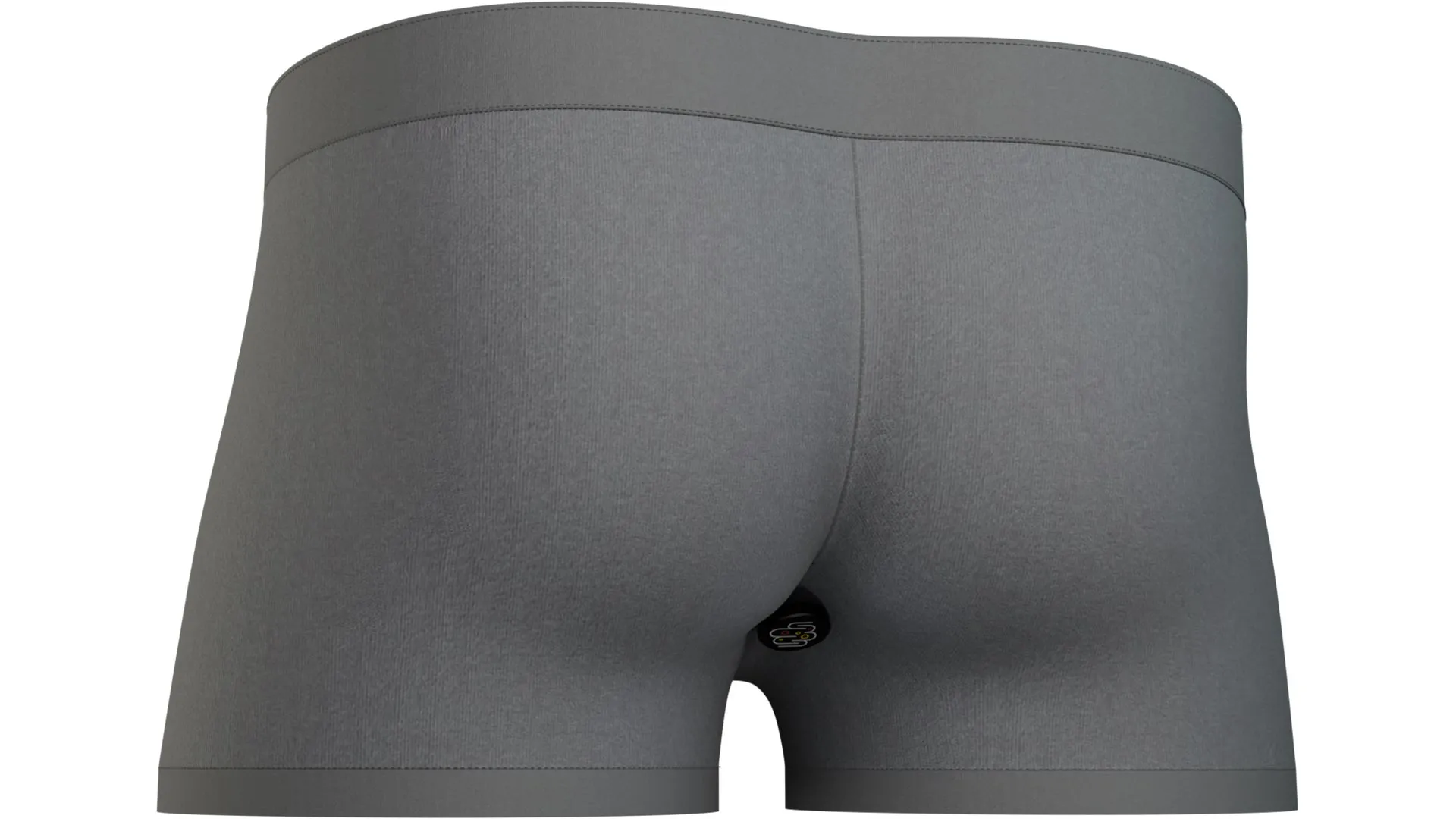
A groundbreaking advancement from the University of Maryland is poised to revolutionize this field. Researchers there have engineered a novel wearable device, discreetly integrated into everyday undergarments, designed to continuously monitor and measure human flatulence. This innovative technology, dubbed "Smart Underwear," represents the first non-invasive, continuous monitoring solution for intestinal gas, providing an unprecedented window into the real-time activity of the gut microbiome. By tracking specific gas compounds, particularly hydrogen, the device offers a direct and objective metric for gut microbial metabolism, moving beyond subjective reporting to deliver scientifically rigorous data.
The impetus for this development stems from a long-recognized need within gastroenterology. As far back as 2000, prominent gastroenterologist Michael Levitt, a figure widely acknowledged for his extensive work on intestinal gas, underscored the profound difficulty in objectively documenting excessive gas. His observations highlighted a critical gap: physicians had virtually no reliable means to quantitatively assess gas production, relying instead on patient descriptions which are inherently prone to variability and perception biases. This absence of objective data has made it challenging to establish baselines, diagnose abnormalities, or tailor effective treatments for patients experiencing gas-related discomfort.
Addressing this fundamental problem, a research team spearheaded by Brantley Hall, an assistant professor in the Department of Cell Biology and Molecular Genetics at the University of Maryland, conceived and developed the Smart Underwear. The compact device attaches unobtrusively to standard underwear, housing sophisticated electrochemical sensors. These sensors are engineered to provide uninterrupted monitoring of intestinal gas output throughout both waking hours and sleep. This capability is crucial, as a significant portion of gas production occurs during periods when self-reporting is impossible, such as overnight.
In a pivotal study, the initial findings of which were documented in the journal Biosensors and Bioelectronics: X, UMD assistant research scientist Santiago Botasini led an investigation utilizing this innovative device to measure flatulence in a cohort of healthy adults. The results yielded a striking revelation: participants, on average, produced flatus approximately 32 times per day. This figure is significantly higher than the widely cited average of 14 (±6) daily events found in earlier medical literature. Furthermore, the study revealed considerable inter-individual variation, with daily gas events ranging from a mere four occurrences to as many as 59, underscoring the broad spectrum of normal physiological processes.
The disparity between these new, objectively measured data and older estimates can be attributed to several critical limitations of previous research methodologies. Earlier studies often employed invasive techniques, such as rectal tube insertion, which are not representative of everyday life and can influence physiological responses. Alternatively, they relied heavily on self-reporting, a method fraught with inaccuracies due to imperfect memory, social desirability bias, and the inability to record events occurring during sleep. Moreover, human visceral sensitivity varies greatly; two individuals might produce similar volumes of gas but perceive and report their discomfort levels very differently, further complicating subjective assessments. The introduction of continuous, objective measurement via the Smart Underwear provides an unparalleled level of scientific precision in an area historically difficult to study, as highlighted by Hall, the study’s senior author.
A key scientific advantage of this technology lies in its ability to track hydrogen gas. While human flatus is typically a mixture of nitrogen, carbon dioxide, and hydrogen, with some individuals also producing methane, hydrogen stands out because it is generated almost exclusively by microbes residing in the gut. Therefore, continuous measurement of hydrogen in flatus serves as a direct, real-time signal of microbial fermentation activity. As gut bacteria break down various food components, particularly complex carbohydrates that are indigestible by human enzymes, they produce hydrogen as a metabolic byproduct. This direct link allows researchers to gain unprecedented insights into the dynamic interplay between diet and the gut microbiome. Hall aptly described the device as akin to a "continuous glucose monitor, but for intestinal gas," illustrating its potential to track physiological responses to dietary intake. Indeed, the sensor demonstrated remarkable sensitivity (94.7%) in detecting increased hydrogen production following participants’ consumption of inulin, a well-known prebiotic fiber, showcasing its capacity to monitor specific dietary impacts on gut microbial activity.
One of the most ambitious undertakings leveraging this new technology is the "Human Flatus Atlas," a large-scale project initiated by Hall’s laboratory. The fundamental premise of this atlas is to establish a widely accepted baseline for normal flatulence production, a metric that currently does not exist for human health. While medical science has clearly defined normal ranges for numerous health indicators, such as blood glucose levels or cholesterol concentrations, a comparable understanding for intestinal gas production has been conspicuously absent. This lack of a normative baseline makes it exceedingly challenging for clinicians to determine when an individual’s gas production is genuinely excessive or indicative of an underlying health issue.
The Human Flatus Atlas aims to fill this critical void by continuously measuring flatulence patterns in hundreds of participants across the United States. Volunteers, aged 18 and older, will receive Smart Underwear devices shipped directly to their homes, enabling broad participation from diverse populations. Alongside gas monitoring, the study will meticulously analyze participants’ diets and the composition of their gut microbiomes through stool samples. The overarching goal is to define the normal range of flatus production among adults in the U.S., thereby providing an essential reference point for future clinical and research endeavors.
To comprehensively capture the vast spectrum of individual variation in gut physiology, researchers are actively recruiting volunteers who fit into several distinct categories identified during preliminary investigations. These include:
- Efficient Fiber Processors: These individuals consume diets rich in fiber (typically 25-38 grams daily) yet exhibit remarkably low levels of flatus production. Studying this group is expected to shed light on the unique adaptive mechanisms of their microbiomes, potentially revealing insights into how certain microbial communities efficiently process dietary fiber with minimal gas byproduct.
- High-Output Fermenters: This category encompasses individuals who frequently pass gas. By examining this group, researchers aim to identify the specific biological factors, whether host-related or microbial, that drive elevated gas production, which could be critical for understanding conditions like irritable bowel syndrome (IBS) or small intestinal bacterial overgrowth (SIBO).
- Typical Producers: This broad group represents the majority of individuals whose gas production falls within the average range between the two extremes. Studying them contributes to establishing the overall "normal" physiological spectrum.
To deepen the understanding of the microbial communities responsible for these observed differences, the research team plans to collect and analyze stool samples from both the efficient fiber processors and the high-output fermenters. This comparative microbiome analysis will move beyond merely identifying which microbes are present to investigate what these microbes are functionally doing at any given moment. As Hall articulated, while much has been learned about the composition of the gut microbiome, there remains a significant gap in understanding its dynamic real-time activity. The Human Flatus Atlas is designed to lay the foundational groundwork for objectively evaluating how various interventions—be they dietary modifications, probiotic supplements, or prebiotic compounds—impact gut microbial fermentation and, consequently, overall gut health.
The implications of this research extend far beyond merely counting gas events. By providing objective data on gut microbial activity, the Smart Underwear and the Human Flatus Atlas project hold the potential to transform numerous aspects of digestive health. Clinically, this technology could enable more precise diagnoses for conditions like IBS, provide personalized dietary recommendations based on an individual’s unique gut response, and allow for objective monitoring of treatment efficacy. For research, it opens new avenues for exploring the intricate relationship between diet, the microbiome, and human health, potentially leading to novel therapeutic strategies for a wide array of chronic diseases.
Individuals interested in contributing to this pioneering scientific endeavor can find more information and details on participation at flatus.info. Enrollment is open to adults aged 18 years or older residing in the United States. Participants will receive a Smart Underwear device and will be required to wear it continuously, day and night, for the duration of the study period. Due to the logistical demands of the project, enrollment is limited.
The innovative technology behind the Smart Underwear has been recognized for its novelty, with patent applications already filed listing Brantley Hall and Santiago Botasini as the inventors. Furthermore, both researchers are co-founders of Ventoscity LLC, a company that has licensed the device, signaling a clear path towards potential commercialization and broader accessibility of this diagnostic tool in the future. This groundbreaking research has garnered significant support from various institutions, including the University of Maryland, the Maryland Innovation Initiative Phase I, and the UM Ventures Medical Device Development Fund, highlighting the recognized importance and potential impact of this work on public health and scientific understanding.
About the Author