For generations, the prevailing wisdom in biological science posited that human hair extended from the scalp primarily through a continuous upward propulsion generated by the rapid proliferation of cells at its root. This long-accepted paradigm, ingrained in countless textbooks and scientific models, depicted the hair shaft as being extruded from its base by the sheer force of new cellular material being added from below. However, a recent collaborative research endeavor, bringing together experts from L’Oréal Research & Innovation and Queen Mary University of London, has fundamentally challenged this foundational understanding, presenting compelling evidence that hair growth is, in fact, orchestrated by a sophisticated, active pulling mechanism involving a hidden network of moving cells within the follicle itself. This groundbreaking re-evaluation of hair biology could pave the way for entirely novel approaches to addressing conditions ranging from hair loss to the frontiers of regenerative medicine.
The intricate architecture of the hair follicle, a complex micro-organ, has long been a subject of intense scientific scrutiny. Traditionally, the growth phase, or anagen, was understood as a period where specialized cells in the hair matrix, located at the base of the follicle, underwent rapid division. These newly formed cells were thought to differentiate, keratinize, and then be mechanically pushed upwards, forming the elongating hair shaft. This model, while intuitively appealing and seemingly consistent with observations of rapid cell turnover in the hair bulb, left certain mechanistic questions unanswered regarding the precise forces at play and the coordinated cellular behaviors required for such consistent, directed growth.
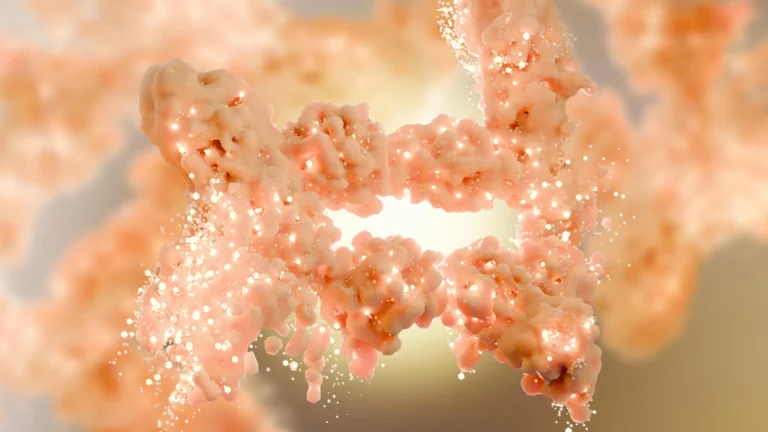
Researchers leveraged state-of-the-art three-dimensional live imaging techniques to peer into the living cellular landscape of human hair follicles maintained in laboratory cultures. This advanced methodology allowed for the real-time observation of individual cell movements and interactions, providing an unprecedented dynamic view into processes previously only inferable from static histological sections. The revelations, detailed in the prestigious scientific journal Nature Communications, unveiled a complex "choreography" of cells, particularly within the outer root sheath (ORS) – a crucial layer that encapsulates the developing hair shaft. Far from being a passive structural component, cells within this sheath were observed executing dynamic, spiraling movements downwards, remarkably within the very zone where the upward pulling force was subsequently identified.
Dr. Inês Sequeira, a distinguished Reader in Oral and Skin Biology at Queen Mary University of London and a lead author on this pivotal study, highlighted the transformative nature of these findings. She remarked on the long-held assumption concerning the primary role of cell division in the hair bulb for upward hair extrusion. Her team’s investigations, however, painted a different picture, demonstrating that the hair is actively drawn skyward by the surrounding follicular tissue, which appears to function much like a miniature biological engine. This active traction, rather than mere passive pushing, fundamentally alters the established narrative of hair growth dynamics.
To rigorously test this emerging hypothesis, the scientific team devised a series of ingenious experiments. Central to their investigation was the targeted inhibition of cellular proliferation within the cultured hair follicles. If the conventional model were correct – that is, if the mechanical force generated by dividing cells was the sole driver of upward hair movement – then blocking this division should logically bring hair growth to a halt. Surprisingly, the experiments yielded a different outcome: despite the significant impairment of cell division, the follicles persisted in elongating the hair shaft at a rate nearly identical to their untreated counterparts. This compelling observation provided a strong initial indication that cell proliferation, while essential for generating new material, was not the primary mechanical force propelling the hair upwards.
The focus then shifted to the potential role of cellular contractility and movement. The researchers next introduced interventions targeting actin, a ubiquitous protein critical for myriad cellular functions, including shape change, motility, and contraction. Actin filaments, in conjunction with motor proteins like myosin, form the contractile machinery within cells. When the scientists disrupted the function of actin within the follicles, the effect on hair growth was profound and immediate: the rate of elongation plummeted by more than 80 percent. This dramatic reduction underscored the critical involvement of active cellular mechanics, specifically those mediated by actin, in the hair growth process. Further bolstering these empirical findings, sophisticated computer simulations were employed. These computational models, designed to mimic the cellular dynamics observed, confirmed that a pulling force generated by the coordinated movement of cells within the outer layers of the follicle was indeed necessary to replicate the observed rates of hair growth.
The ability to capture these dynamic processes in real-time and in three dimensions was paramount to the success of this research. Dr. Nicolas Tissot, a key contributor from L’Oréal’s Advanced Research team and the study’s first author, emphasized the transformative power of their novel imaging methodology. He explained that while traditional static images offer mere isolated glimpses – like individual frames in a movie – their advanced 3D time-lapse microscopy provided the full, continuous motion picture of cellular activity within the hair follicle. This capability was indispensable for unraveling the intricate, dynamic biological processes, revealing crucial cellular kinetics, migratory patterns, and rates of cell divisions that would be utterly impossible to deduce from discrete, static observations. This technological leap was what finally allowed the researchers to precisely model the localized forces being generated within the follicle.
The implications of this re-evaluation extend far beyond a mere academic correction of textbook knowledge. Dr. Thomas Bornschlögl, another lead author from the L’Oréal team, reiterated that hair growth is not solely a function of cell division but is actively driven by the outer root sheath literally pulling the hair upwards. This profound new understanding of follicular mechanics opens up a myriad of opportunities for the study and treatment of various hair disorders. For conditions like androgenetic alopecia (pattern baldness) or telogen effluvium, where hair growth cycles are disrupted, targeting the mechanical environment of the follicle could represent an entirely new therapeutic avenue.
Moreover, this discovery could significantly influence the development and testing of new medications. Current drug discovery efforts often focus on biochemical pathways that regulate cell division or hormone activity. By understanding the biophysical forces at play, pharmaceutical researchers might now design compounds that modulate cellular contractility or the specific movements of ORS cells. The advanced imaging approach developed by the team also offers a powerful new platform for screening potential drugs and therapies directly on living follicles, accelerating the preclinical evaluation process.
The study also represents a significant triumph for the burgeoning field of biophysics and mechanobiology, underscoring its expanding influence across modern biological research. It powerfully demonstrates how seemingly microscopic mechanical forces can exert profound control over the growth, development, and behavior of complex structures throughout the human body. From cellular differentiation to tissue morphogenesis, the interplay between physical forces and biochemical signaling is increasingly recognized as a fundamental aspect of life. This research elegantly illustrates how tiny, coordinated cellular movements at the subcellular and cellular level can coalesce to produce macroscopic effects, such as the continuous elongation of a hair shaft.
While the experiments were meticulously conducted on human hair follicles cultured in vitro, providing a controlled environment for observation, the fundamental principles uncovered are expected to hold true in vivo. This pioneering work offers unprecedented insights into the fundamental biology of hair, with far-reaching implications for regenerative medicine. By comprehending the precise physical forces and cellular orchestrations within follicles, scientists can now explore designing treatments that simultaneously target both the biochemical signaling pathways and the mechanical environment of the follicle. This dual approach holds immense promise for developing more effective therapies for hair loss, enhancing hair regeneration strategies, and advancing tissue engineering efforts aimed at creating functional hair follicles for transplantation or other therapeutic applications. The paradigm shift initiated by this research ensures that the quest for understanding and manipulating hair growth will now proceed on a more accurate and dynamically informed foundation.
About the Author