The current surge in hostilities across the broader Middle East has plunged already vulnerable populations into a deepening humanitarian catastrophe, placing immense, often insurmountable, pressure on critical healthcare infrastructure and public health systems. In a stark assessment, global health authorities underscore how the latest intensification of violence, spanning little more than ten days, is systematically eroding the capacity to deliver life-saving medical care, fueling a multi-faceted crisis that extends far beyond the immediate zones of engagement. This dire situation is characterized by a rapid escalation in injuries and fatalities, massive internal displacement, persistent assaults on medical facilities, and a precipitous decline in public health conditions, threatening to unleash widespread communicable disease outbreaks and long-term health consequences.
The human cost of the recent escalation is tragically evident in the mounting casualty figures reported by national health agencies. In Iran, official statistics reveal a harrowing toll of over 1,300 deaths and more than 9,000 injuries since the renewed hostilities commenced. Similarly, authorities in Lebanon have documented at least 570 fatalities and upwards of 1,400 injuries, painting a grim picture of suffering. Even in Israel, the impact has been significant, with 15 deaths and 2,142 injuries recorded. These figures represent not merely statistics, but thousands of individual tragedies that overwhelm emergency services, strain hospital resources to their breaking point, and leave communities reeling from loss and trauma. The sheer volume of wounded individuals places an enormous burden on medical personnel, who are often forced to operate under dangerous and resource-scarce conditions, struggling to provide adequate care amidst the chaos.
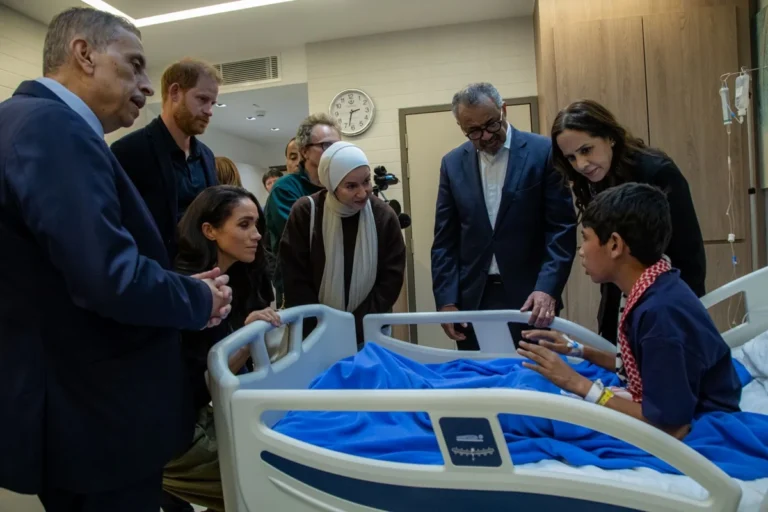
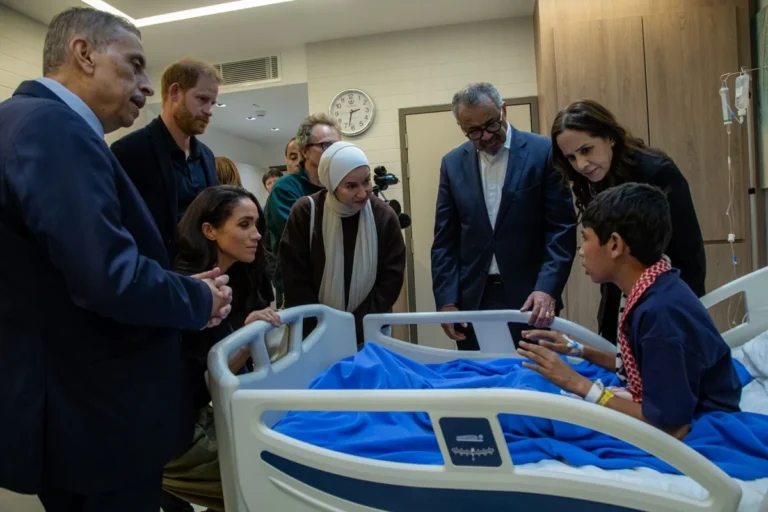
Compounding the immediate trauma of conflict, the very institutions designed to heal and protect are increasingly becoming targets. Verified reports indicate a disturbing pattern of attacks on healthcare facilities and personnel, a grave breach of international humanitarian law. In Iran, a global health body has confirmed 18 such incidents since February 28th, resulting in the tragic deaths of eight health workers. During the identical timeframe in Lebanon, an even higher number of assaults, 25 in total, have led to 16 deaths and 29 injuries among medical staff. These acts of violence carry a devastating dual impact: they not only claim the lives of dedicated professionals and inflict harm on patients, but they also systematically dismantle the healthcare safety net, depriving entire communities of essential medical services precisely when their need is most acute. Under the Geneva Conventions, medical personnel, patients, and healthcare facilities are afforded special protection and must never be targeted in armed conflict. The disregard for these fundamental principles severely undermines humanitarian efforts and exacerbates the suffering of civilians.
Beyond the immediate devastation, the ongoing conflict is igniting a broader array of public health crises. Mass displacement, driven by insecurity and the imperative to seek safety, has resulted in widespread internal migration. Current estimates suggest that more than 100,000 individuals within Iran have been forced to abandon their homes and relocate to other regions of the country. In Lebanon, the scale of displacement is even more staggering, with up to 700,000 people now internally displaced. Many of these individuals find refuge in overcrowded collective shelters, where basic public health conditions rapidly deteriorate. Limited access to safe drinking water, inadequate sanitation infrastructure, and poor hygiene practices create fertile ground for the rapid transmission of infectious diseases. These environments dramatically elevate the risk of respiratory infections, such as influenza and tuberculosis; diarrhoeal diseases, including cholera and dysentery; and other communicable illnesses that can quickly overwhelm already strained public health responses. Vulnerable populations, particularly women, children, the elderly, and those with pre-existing health conditions, are disproportionately affected by these heightened risks.
Environmental hazards emerging from the conflict present another layer of concern. In specific areas of Iran, extensive petroleum fires and the pervasive smoke emanating from damaged industrial infrastructure have exposed nearby communities to a cocktail of toxic pollutants. These airborne contaminants and particulate matter pose significant health risks, potentially leading to acute respiratory problems, severe eye and skin irritation, and long-term chronic conditions. Furthermore, the dispersal of these pollutants can contaminate vital water sources and food supplies, introducing carcinogens and other harmful substances into the ecosystem and threatening the safety of consumption, thereby creating an additional layer of public health emergency that requires sophisticated monitoring and intervention.
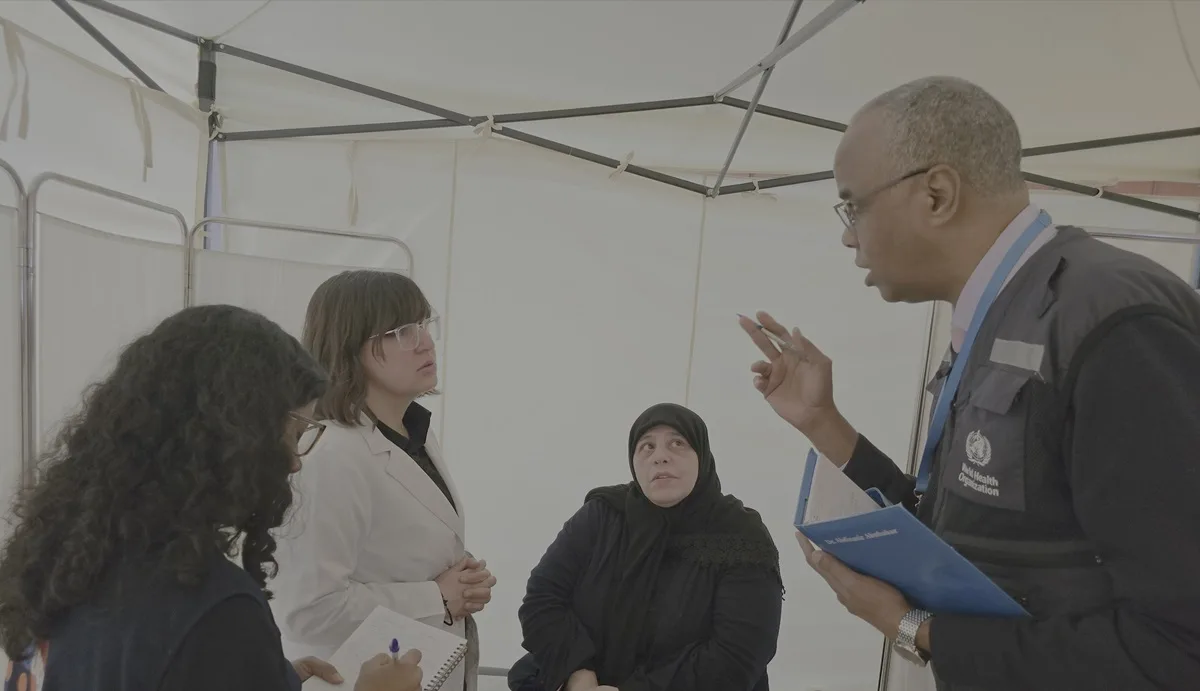
Access to vital health services has become increasingly precarious across several affected nations, creating a patchwork of unmet medical needs. In Lebanon, the situation is particularly dire, with 49 primary healthcare centers and five hospitals forced to cease operations following evacuation orders issued by Israel’s military. This widespread closure significantly curtails the availability of essential medical services, even as the demand for care surges due to conflict-related injuries and illness. The ripple effect means fewer vaccinations, less maternal care, and limited access to chronic disease management, impacting the health trajectory of thousands.
Within the occupied Palestinian territory, movement restrictions and stringent checkpoint closures in the West Bank are critically impeding the timely transit of ambulances and mobile clinics across various governorates. This fragmentation of access means that patients requiring urgent medical attention face life-threatening delays, and communities in remote areas are cut off from routine healthcare. In Gaza, the humanitarian situation is particularly catastrophic; medical evacuations have remained suspended since February 28th, trapping critically ill and injured individuals within the besieged enclave. Hospitals continue to operate under immense duress, grappling with severe and chronic shortages of essential medicines, medical supplies, and fuel. Fuel, a critical resource for electricity generation and transport, is being rationed to prioritize only the most essential health services, such as emergency and trauma care, maternal and neonatal services, and the management of communicable diseases, leaving many other critical healthcare needs unaddressed.
The broader logistics of humanitarian aid have also been severely disrupted, with global supply chains feeling the reverberations of regional instability. Temporary airspace restrictions have profoundly impacted the movement of vital medical supplies originating from the global logistics hub of a major international health organization in Dubai. More than 50 urgent supply requests, intended to benefit an estimated 1.5 million people across 25 different countries, have been directly affected by these disruptions, leading to substantial backlogs and critical delays in aid delivery. Priority shipments, including essential supplies earmarked for Al Arish in Egypt to support the response in Gaza, as well as aid destined for Lebanon and Afghanistan, face significant hurdles. Even a crucial first shipment containing cholera response supplies for Mozambique, a country far removed from the direct conflict zone but reliant on this humanitarian artery, is only now anticipated to depart from the hub in the coming week, underscoring the widespread impact of regional unrest.
This alarming escalation of conflict unfolds against a backdrop of already unprecedented humanitarian needs within the Eastern Mediterranean Region. Before the recent surge in hostilities, the region was already grappling with some of the highest humanitarian demands globally, with an estimated 115 million people requiring assistance—a figure representing nearly half of all individuals in need worldwide. This pre-existing fragility is exacerbated by a chronic and severe underfunding of humanitarian health emergency appeals, which currently remain 70% below the required levels. This persistent resource deficit means that even routine health services and emergency preparedness measures were already critically under-resourced, leaving systems ill-equipped to absorb the shock of a rapidly unfolding conflict. The current crisis, therefore, is not merely creating new problems but catastrophically deepening existing vulnerabilities.
Without immediate and robust protection for healthcare infrastructure and personnel, sustained and unimpeded humanitarian access to all affected populations, and a significant increase in financial and operational support for the humanitarian health response, the strain on already fragile health systems and the suffering of vulnerable populations will continue to escalate unchecked. International agencies are issuing an urgent plea to all involved parties to uphold their obligations under international law, safeguard civilians and medical facilities, guarantee humanitarian organizations unhindered and consistent access to those in need, and actively pursue de-escalation of the conflict. Only through concerted efforts towards peace and adherence to humanitarian principles can communities begin the arduous process of recovery and rebuild their shattered lives and health systems.
About the Author