Alzheimer’s disease, a progressive neurodegenerative condition affecting millions globally, presents a formidable diagnostic challenge, particularly in its nascent stages. Current established methods for identifying Alzheimer’s often rely on quantifying the presence of specific protein biomarkers, namely amyloid-beta and phosphorylated tau, within cerebrospinal fluid or blood. While these established markers have been instrumental in advancing research and clinical understanding, a growing body of evidence suggests they may not capture the full spectrum of the earliest molecular perturbations that herald the onset and progression of this complex disorder. In a significant development poised to potentially redefine early detection, scientists have unveiled a groundbreaking blood-based assay that pivots from measuring protein quantity to discerning subtle alterations in protein configuration.
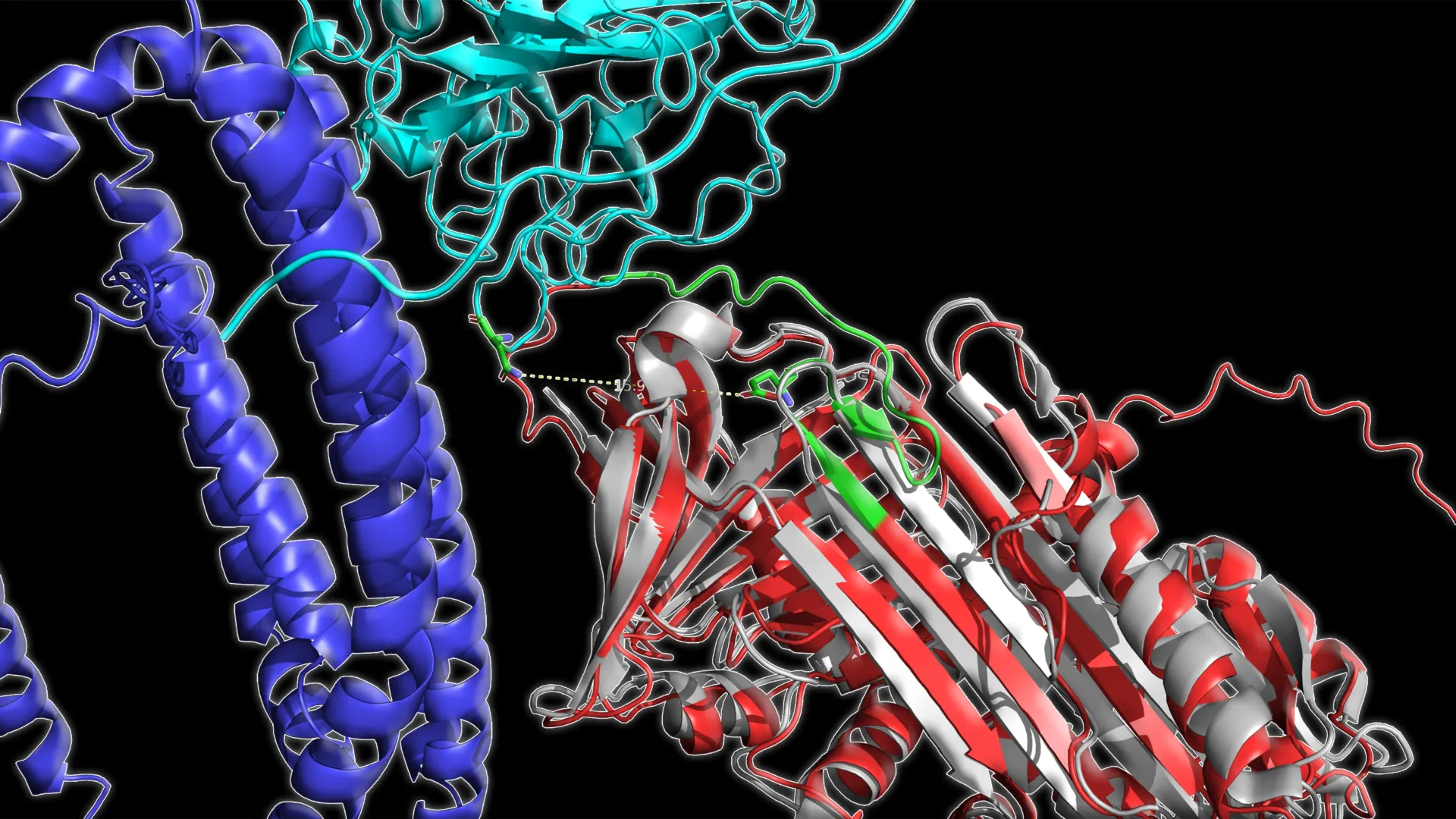
This innovative approach, detailed in a recent publication in the esteemed journal Nature Aging on February 27, 2026, by researchers at Scripps Research, focuses on the three-dimensional architecture of proteins circulating in the bloodstream. The study’s findings illuminate a compelling correlation between specific structural variations in three key plasma proteins and an individual’s Alzheimer’s disease status. This nuanced analysis proved adept at differentiating between individuals exhibiting normal cognitive function, those experiencing mild cognitive impairment (MCI), and patients definitively diagnosed with Alzheimer’s. The implications of this discovery are profound, potentially paving the way for earlier diagnostic interventions and, consequently, more timely therapeutic strategies.
The genesis of this research stems from the observation that many neurological disorders are intrinsically linked to aberrant protein folding and conformational changes. Senior author John Yates, a distinguished professor at Scripps Research, articulated the fundamental question driving their investigation: "Could distinct structural modifications within particular proteins serve as reliable indicators of disease predisposition or progression?" This query underscored a shift in perspective, moving beyond mere protein abundance to explore the functional implications of their physical form.
The conventional understanding of Alzheimer’s disease has long centered on the accumulation of amyloid plaques and tau tangles within the brain’s intricate neural architecture. However, a more comprehensive view is emerging within the scientific community, positing that Alzheimer’s may also be characterized by a systemic breakdown of proteostasis. Proteostasis is the critical cellular machinery responsible for ensuring proteins attain and maintain their correct three-dimensional structures and for efficiently clearing misfolded or damaged protein aggregates. As the human body ages, the efficacy of this intricate quality control system naturally declines, increasing the likelihood that proteins may misfold during their synthesis or repair processes. Building upon this understanding, the Scripps Research team hypothesized that if proteostasis falters in the brain, leading to protein misfolding, similar structural anomalies might manifest in proteins present in the peripheral circulation.
To rigorously test this hypothesis, the research team meticulously analyzed plasma samples obtained from a cohort of 520 participants. This diverse group was strategically divided into three distinct categories: individuals who were cognitively unimpaired, those diagnosed with mild cognitive impairment, and patients with a confirmed diagnosis of Alzheimer’s disease. The analytical engine driving this investigation was sophisticated mass spectrometry, a technique employed to precisely map the accessibility of specific molecular sites within proteins. By determining which regions of a protein were more exposed or more deeply embedded, researchers could infer alterations in its overall structure. This structural data was then fed into advanced machine learning algorithms, designed to identify intricate patterns that correlated with the participants’ respective disease stages.
The results of this comprehensive analysis yielded a striking revelation: a discernible and consistent pattern emerged across all participant groups. As Alzheimer’s disease advanced, certain plasma proteins exhibited a tendency towards becoming less conformationally "open" – indicating a structural shift. Critically, these observed structural modifications proved to be significantly more informative for pinpointing the stage of the disease than traditional methods that solely measure the concentration of these proteins.
Among the vast array of proteins scrutinized, three emerged as particularly significant, demonstrating the most robust association with the progression of Alzheimer’s disease. These proteins included C1QA, a component of the immune system involved in inflammatory signaling; clusterin, a protein implicated in protein folding and the clearance of amyloid aggregates; and apolipoprotein B, a crucial lipid transporter that also plays a role in vascular health. Casimir Bamberger, a senior scientist at Scripps Research and a co-author on the study, expressed his astonishment at the findings: "The correlation was amazing. It was very surprising to find three lysine sites on three different proteins that correlate so highly with disease state." These specific sites, within these three proteins, served as highly sensitive indicators of conformational change.
The ability of these structural changes at specific amino acid residues within these three proteins to accurately classify participants into their respective cognitive groups – cognitively normal, MCI, or Alzheimer’s – was remarkable. The model achieved an overall accuracy of approximately 83%. When researchers narrowed their focus to directly compare just two groups, such as healthy individuals versus those with MCI, the classification accuracy surged to over 93%.
Further validating the robustness of this novel biomarker, the developed three-protein structural model demonstrated remarkable consistency when applied to independent sets of participants. Moreover, its reliability was confirmed when the research team re-analyzed blood samples that had been collected from the same individuals at different points in time, spanning several months. In these longitudinal analyses, the panel continued to accurately identify disease status with an impressive accuracy of about 86%, and it also reflected documented changes in diagnosis over time. The computed "structural score" derived from this analysis also exhibited a strong alignment with the outcomes of standardized cognitive assessments and showed a more moderate but significant association with observed brain volume reduction as measured by MRI scans.
Collectively, these findings strongly suggest that the analysis of protein structure in blood holds immense promise as a complementary tool to existing amyloid and tau-based diagnostic assays. By focusing on structural alterations intrinsically linked to the underlying biological mechanisms of Alzheimer’s, this methodology may offer a more dynamic and potentially earlier window into disease staging, the monitoring of its relentless progression, and the objective evaluation of therapeutic efficacy.
The critical importance of early detection for the development of effective Alzheimer’s treatments cannot be overstated. As Professor Yates emphasized, "Detecting markers of Alzheimer’s early is absolutely critical to developing effective therapeutics. If treatment can start before significant damage has been done, it may be possible to better preserve long-term memory." This sentiment underscores the transformative potential of a blood test that can identify the disease in its earliest, most treatable phases.
Before this promising blood test can be integrated into routine clinical practice, further extensive research is imperative. Larger-scale studies with extended follow-up periods are necessary to unequivocally confirm these initial findings and to establish the test’s long-term reliability and predictive power. The research team is also actively exploring the broader applicability of this structural profiling technique, investigating its potential utility in identifying and monitoring other complex diseases, including Parkinson’s disease and various forms of cancer. The study, titled "Structural signature of plasma proteins classifies the status of Alzheimer’s disease," was co-authored by Ahrum Son, Hyunsoo Kim, and Jolene K. Diedrich from Scripps Research; Heather M. Wilkins, Jeffrey M. Burns, Jill K. Morris, and Russell H. Swerdlow from the University of Kansas Medical Center; and Robert A. Rissman from the University of California San Diego. Funding for this pivotal research was generously provided by the National Institutes of Health through grants RF1AG061846-01, 5R01AG075862, P30AG072973, and P30-AG066530.
About the Author