A ubiquitous microscopic organism, known scientifically as Toxoplasma gondii, has the remarkable and concerning ability to infiltrate the very sentinels of the body’s defense system, specifically the immune cells tasked with eradicating such invaders. Despite this inherent threat, new scientific revelations from UVA Health shed light on the intricate mechanisms by which the human body successfully contains and manages this widespread infection.
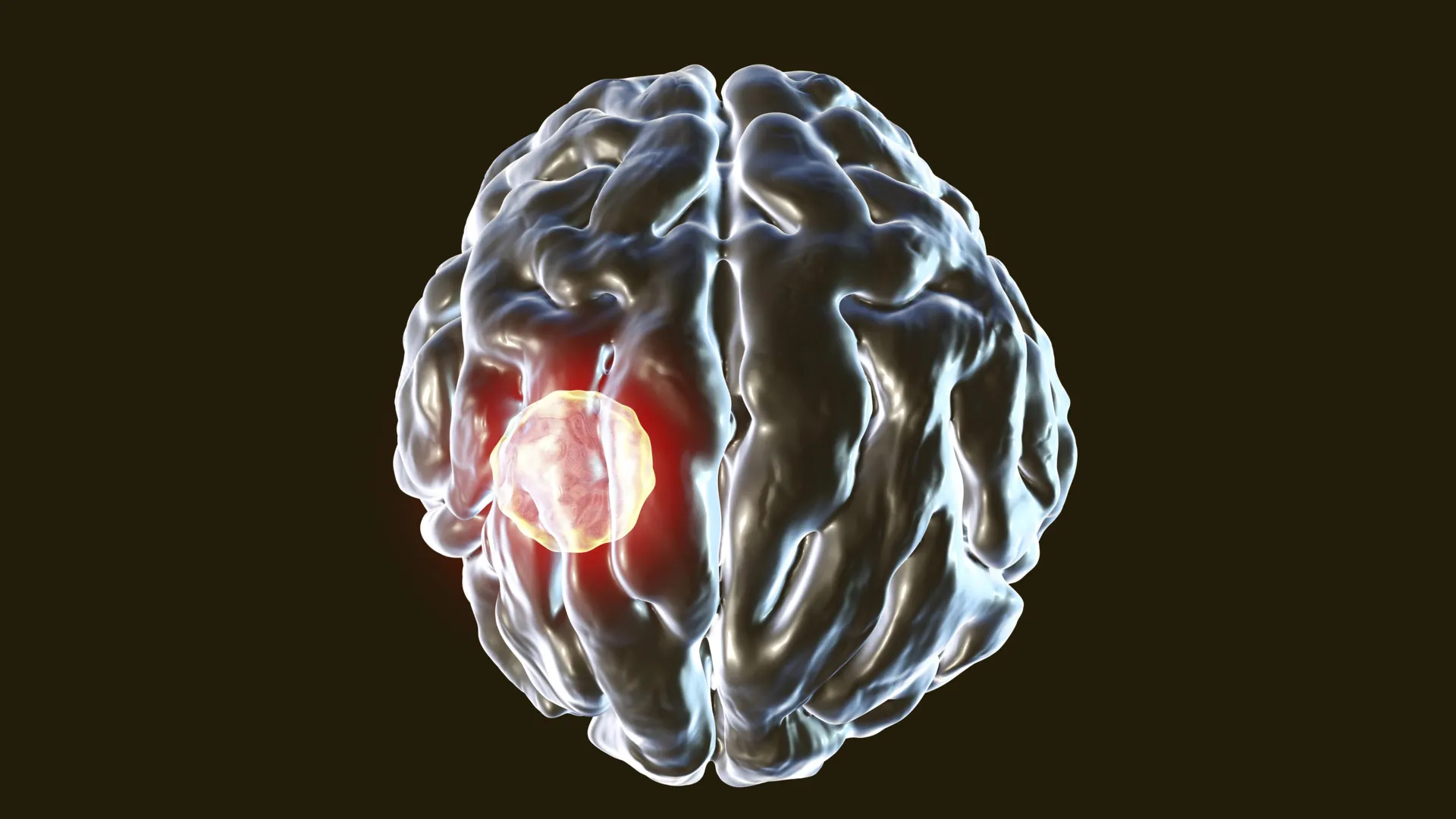
The Toxoplasma gondii parasite represents a significant global health concern, capable of affecting a broad spectrum of warm-blooded creatures. Human exposure most commonly occurs through indirect pathways, such as direct contact with domestic felines, consumption of produce contaminated with parasite oocysts, or ingestion of inadequately cooked meats. Once it breaches the body’s defenses, the parasite embarks on a journey, disseminating to various organs before ultimately establishing a chronic presence within the brain, where it can persist indefinitely. Epidemiological estimates suggest that approximately one-third of the world’s population harbors Toxoplasma gondii. Intriguingly, the vast majority of these infected individuals remain asymptomatic. However, when symptoms do manifest, a condition termed toxoplasmosis, the illness poses the most severe risks to individuals whose immune systems are already compromised, such as those undergoing chemotherapy, organ transplant recipients, or individuals with HIV/AIDS.
A dedicated research initiative, spearheaded by Dr. Tajie Harris, a prominent figure at the University of Virginia’s Center for Brain Immunology and Glia (BIG Center), focused on elucidating the immune system’s nuanced response when Toxoplasma targets CD8+ T cells. These are a highly specialized subset of immune cells, critically important for their role in identifying and eliminating cells that have become infected by intracellular pathogens.
"Our understanding of the immune system’s fight against Toxoplasma gondii has historically centered on the direct actions of T cells, either by destroying infected host cells or by orchestrating the activity of other immune components to neutralize the parasite," explained Dr. Harris, who also holds a faculty position within UVA’s Department of Neuroscience. "What our investigation has uncovered is a more complex scenario: these vital T cells themselves can become targets of infection. In such instances, a key finding is that these infected T cells possess an inherent capacity to trigger their own demise. Since Toxoplasma parasites are obligate intracellular organisms, meaning they require a living host cell to survive and replicate, the programmed death of the infected cell effectively signifies a terminal outcome for the parasite within that specific cell."
Dr. Harris further elaborated on the broader implications of this discovery, stating, "Gaining a deeper comprehension of the intricate ways the immune system combats Toxoplasma infections is paramount for several compelling reasons. Individuals with diminished immune function are particularly susceptible to severe outcomes from this parasite. Our findings offer a more profound insight into the underlying mechanisms that contribute to this vulnerability and pave the way for the development of more targeted and effective therapeutic strategies to assist patients in their fight against this persistent infection."
Central to the immune system’s counteroffensive, as identified by Dr. Harris and her research team, is a potent enzymatic effector known as caspase-8. This enzyme is not merely a passive component but an active regulator of cellular processes, playing a pivotal role in orchestrating immune responses and, crucially, possessing the ability to initiate apoptosis, or programmed cell death, within a cell.
The researchers meticulously designed and conducted a series of experiments using murine models to validate the significance of caspase-8. In these controlled laboratory settings, mice genetically engineered to lack functional caspase-8 specifically within their T cells exhibited a dramatically higher parasitic burden of T. gondii in their brains compared to their counterparts whose T cells effectively produced this enzyme. This divergence in parasitic load was observed even though both groups of mice mounted robust and comparable general immune responses to the initial infection.
The observable differences in health outcomes between the two groups were stark and highly informative. Mice equipped with functional caspase-8 in their T cells remained remarkably healthy, demonstrating effective control of the infection. In stark contrast, mice lacking this enzymatic defense mechanism succumbed to severe illness, ultimately proving fatal. Post-mortem examinations of brain tissue from these affected mice revealed a significantly elevated prevalence of CD8+ T cells that had been successfully invaded and infected by the Toxoplasma parasite.
These compelling experimental results strongly suggest that caspase-8 serves as a critical gatekeeper, effectively limiting the intracellular proliferation of T. gondii within the very T cells that are supposed to be fighting it. Furthermore, this study contributes substantial evidence to an emerging body of scientific knowledge that underscores the broad importance of caspase-8 in the body’s defense against a wide array of infectious agents.
"We undertook an extensive review of existing scientific literature to identify documented instances of pathogens successfully infecting T cells. Such cases were remarkably few," Dr. Harris noted. "This scarcity, in retrospect, may be explained by the critical role of caspase-8. Pathogens that can thrive within CD8+ T cells have likely evolved sophisticated mechanisms to subvert or disable caspase-8 activity. Prior to our current research, the precise significance of caspase-8 in protecting the brain from Toxoplasma infection remained largely unappreciated."
The comprehensive findings detailing these critical immune system mechanisms have been formally published in the esteemed scientific journal, Science Advances. The collaborative research effort involved a dedicated team of scientists, including Lydia A. Sibley, Maureen N. Cowan, Abigail G. Kelly, NaaDedee A. Amadi, Isaac W. Babcock, Sydney A. Labuzan, Michael A. Kovacs, Samantha J. Batista, John R. Lukens, and Dr. Tajie Harris. The researchers have formally declared no financial conflicts of interest pertaining to this work.
The scientific inquiry was generously supported by funding from the National Institutes of Health, through several grant awards: R01NS112516, R01NS134747, R21NS12855, T32GM008715, T32AI007496, T32AI007046, T32NS115657, F30AI154740, T32AI007496, and T32GM007267. Additional financial support was provided by a University of Virginia Pinn Scholars Award, a UVA Shannon Fellowship, and a strategic investment from UVA’s institutional Strategic Investment Fund. This multifaceted financial backing underscores the significance and broad support for research into fundamental aspects of immunology and infectious disease.
About the Author