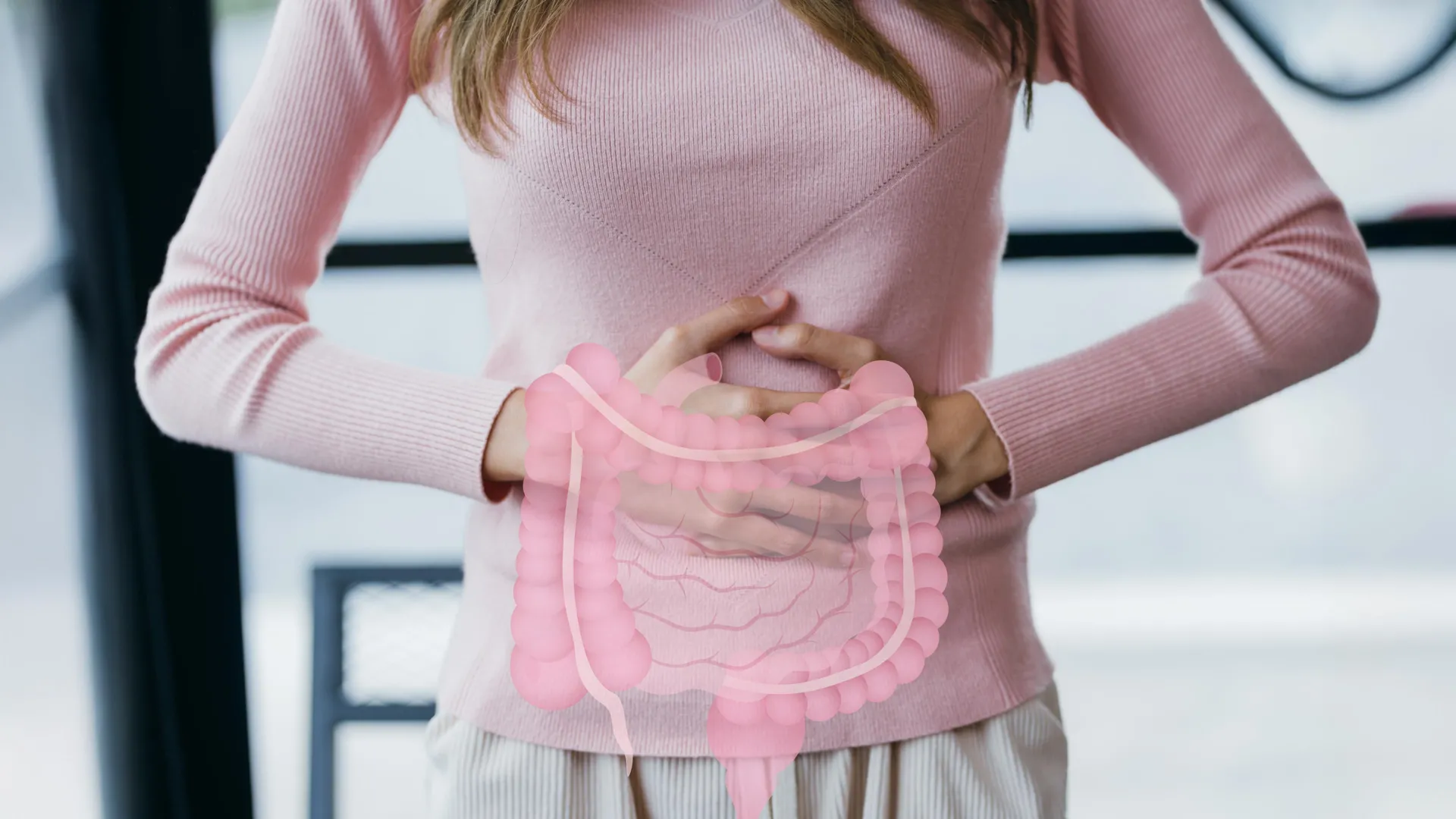
The intricate ecosystem residing within the human gut, collectively known as the microbiome, plays a profound and increasingly recognized role in overall physiological function and well-being. This complex community of microorganisms, predominantly bacteria, is profoundly shaped by dietary choices, with fiber emerging as a foundational element for its health and balance. As scientific understanding advances, the critical importance of sufficient fiber intake extends far beyond mere digestive regularity, influencing metabolic stability, immune resilience, and even cognitive function. This burgeoning awareness has fueled a growing public interest, often manifesting in trends like "fibermaxxing," which advocates for consistent consumption of recommended daily fiber levels as a cornerstone of preventive health.
Jennifer Lee, a distinguished scientist affiliated with the Jean Mayer USDA Human Nutrition Research Center on Aging at Tufts University, whose research delves into the intricate interplay between gut health shifts, sex-specific differences, and metabolic processes across the lifespan, notes that the popularization of high-fiber diets is an encouraging indicator. She views it as a societal recognition of the crucial distinction between lifespan—simply living longer—and healthspan—the duration of life spent in good health and free from chronic disease. The prevailing aspiration is not merely to extend years, but to enrich them with vitality and functional independence, making nutritional strategies that preserve health highly relevant and sought after. Lee highlights a concerning statistic: a potential nine-year disparity can exist between living a life predominantly in good health and experiencing a decline into poor health quality towards its conclusion. This significant gap underscores the imperative for proactive health interventions, many of which are behavioral or nutritional in nature.
The scientific literature consistently demonstrates that inadequate fiber consumption is a significant contributor to a spectrum of metabolic and cardiovascular disorders. Conditions such as type 2 diabetes and obesity are often linked to diets deficient in this essential nutrient. Dr. Lee elaborates on this connection, explaining that when dietary fiber is scarce, individuals often compensate with other macronutrients that may be high in refined carbohydrates or unhealthy fats. Such dietary patterns can readily lead to weight accumulation, which in turn exacerbates the risk of metabolic dysfunction. Furthermore, a long-term deficiency in fiber can elevate the susceptibility to certain types of cancer, including but not limited to colorectal, breast, and prostate cancers, depending on a confluence of individual genetic and lifestyle factors. Conversely, integrating more fiber into daily dietary habits typically yields a broad spectrum of health benefits, ranging from improved gastrointestinal function to enhanced systemic wellness.
Navigating the landscape of recommended dietary intake can be complex, but authoritative guidelines provide clear benchmarks. According to the comprehensive Dietary Guidelines for Americans, 2020-2025, jointly issued by the United States Department of Agriculture (USDA) and the United States Department of Health and Human Services, adult populations are advised to consume between 22 and 34 grams of fiber daily. This range is not static; it is tailored to individual variables such as age and biological sex. A more generalized, yet practical, guideline suggested by Lee is to aim for approximately 14 grams of fiber for every 1,000 calories consumed. As individuals progress through different life stages, particularly into older adulthood, their caloric requirements typically diminish, leading to a corresponding adjustment in their recommended daily fiber intake. For instance, a female between 19 and 30 years of age, following a 2,000-calorie diet, would ideally target around 28 grams of fiber daily. In contrast, a male within the same age bracket, generally consuming more calories, would see his recommended fiber intake increase to approximately 34 grams. For personalized recommendations, resources like the USDA’s National Agriculture Library Dietary Reference Intakes (DRI) calculator offer precise guidance based on individual profiles.
Dietary fiber is not a monolithic entity; it exists in distinct forms, each conferring unique physiological advantages. Broadly, fiber is categorized into two principal types: soluble and insoluble. Soluble fiber, as its name suggests, readily dissolves in water, forming a viscous, gel-like substance within the digestive tract. This property contributes to a moderated pace of digestion, which has several beneficial downstream effects. The gel-like matrix helps to foster a prolonged sense of satiety, aiding in appetite regulation and potentially supporting weight management efforts. Crucially, as soluble fiber traverses into the colon, it serves as a vital substrate for the resident microbiota. These beneficial microbes ferment the fiber, metabolizing it into short-chain fatty acids (SCFAs) such as butyrate, propionate, and acetate, which are fundamental to gut health and systemic well-being. Butyrate, in particular, is a primary energy source for colonocytes and plays a significant role in maintaining the integrity of the intestinal barrier and modulating immune responses. Beyond its role as a prebiotic, soluble fiber is instrumental in regulating blood glucose levels by attenuating the absorption of sugars, thereby preventing rapid post-meal spikes. It also contributes to cholesterol management by binding to bile acids in the gut, facilitating their excretion and prompting the liver to draw more cholesterol from the bloodstream to produce new bile acids, thus helping to lower circulating LDL ("bad") cholesterol. Excellent sources of soluble fiber are diverse and include many common fruits and vegetables like apples, avocados, bananas, cabbage, broccoli, and cauliflower. Legumes, beans, and oatmeal are also rich in this beneficial fiber type.
In contrast, insoluble fiber does not dissolve in water and remains largely intact as it passes through the digestive system. While it does not contribute to caloric intake, its presence is indispensable for digestive efficiency. Insoluble fiber acts as a "bulking agent," adding mass to stool and facilitating its movement through the intestinal tract. This mechanical action is crucial for maintaining regular bowel habits and preventing constipation. By promoting faster transit time and softening stool consistency, insoluble fiber helps to alleviate discomfort and reduce the risk of diverticular disease. Whole grains, nuts, and seeds are primary dietary sources of insoluble fiber. For optimal digestive health and to maximize the synergistic benefits of both fiber types, a balanced intake is recommended. A practical guideline suggests consuming roughly twice as much insoluble fiber as soluble fiber daily. For instance, if an individual aims for a total daily fiber intake of 30 grams, approximately 20 grams should originate from insoluble sources, with the remaining 10 grams provided by soluble fiber.
Despite the widely acknowledged benefits of fiber, a substantial portion of the adult population in many developed nations falls short of meeting recommended daily intake levels. For individuals who find it challenging to incorporate sufficient fiber through whole food sources alone, dietary supplements can offer a practical solution to bridge this nutritional gap. Fiber supplements are widely available in various forms, including capsules, chewable tablets, and powders that can be easily mixed into beverages. However, prudence is advised when initiating or increasing fiber supplementation. Dr. Lee cautions that a rapid escalation of fiber intake, particularly without adequate fluid consumption, can lead to adverse gastrointestinal effects. Insufficient hydration combined with a sudden increase in fiber, especially soluble fiber, can ironically result in constipation, as the gel-forming properties become counterproductive without enough water to facilitate movement. Conversely, some individuals may experience diarrhea as their digestive system adjusts to the increased bulk and fermentation activity. Therefore, it is paramount to introduce fiber, whether from food or supplements, gradually and to meticulously monitor the body’s response, adjusting intake as necessary. The U.S. Centers for Disease Control and Prevention (CDC) provides valuable resources, including tips for integrating more fiber into daily meals, particularly for managing conditions like diabetes.
In essence, dietary fiber stands as a cornerstone of a healthy diet, exerting multifaceted influences that extend from nurturing a thriving gut microbiome to mitigating the risk of chronic diseases and extending the healthspan. By understanding the different types of fiber, adhering to recommended intake guidelines, and making conscious efforts to incorporate diverse fiber-rich foods, individuals can proactively cultivate a resilient internal environment. This foundational nutritional approach empowers the body to function optimally, fostering long-term wellness and contributing significantly to a higher quality of life. The growing emphasis on fiber is not merely a fleeting trend but a reflection of an evolving scientific consensus on its indispensable role in human health.
About the Author