The experimental design meticulously recreated conditions mirroring human prenatal experiences, exposing pregnant rhesus monkeys to a spectrum of environmental challenges. A control group experienced no significant alterations, while others were administered moderate quantities of alcohol, subjected to periods of mild psychological stress, or a combination of both alcohol and stress. This deliberate stratification allowed researchers to isolate and observe the distinct and synergistic impacts of these prenatal influences. The critical phase of the study commenced once the offspring reached sexual maturity, at which point their neurological architecture, particularly the intricate dopamine system, underwent thorough examination. Concurrently, their voluntary alcohol consumption patterns were quantitatively assessed, providing a direct behavioral correlate to the physiological changes observed.
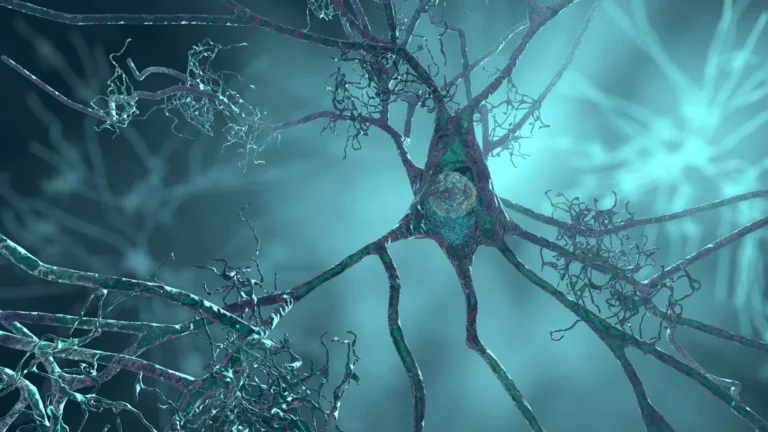
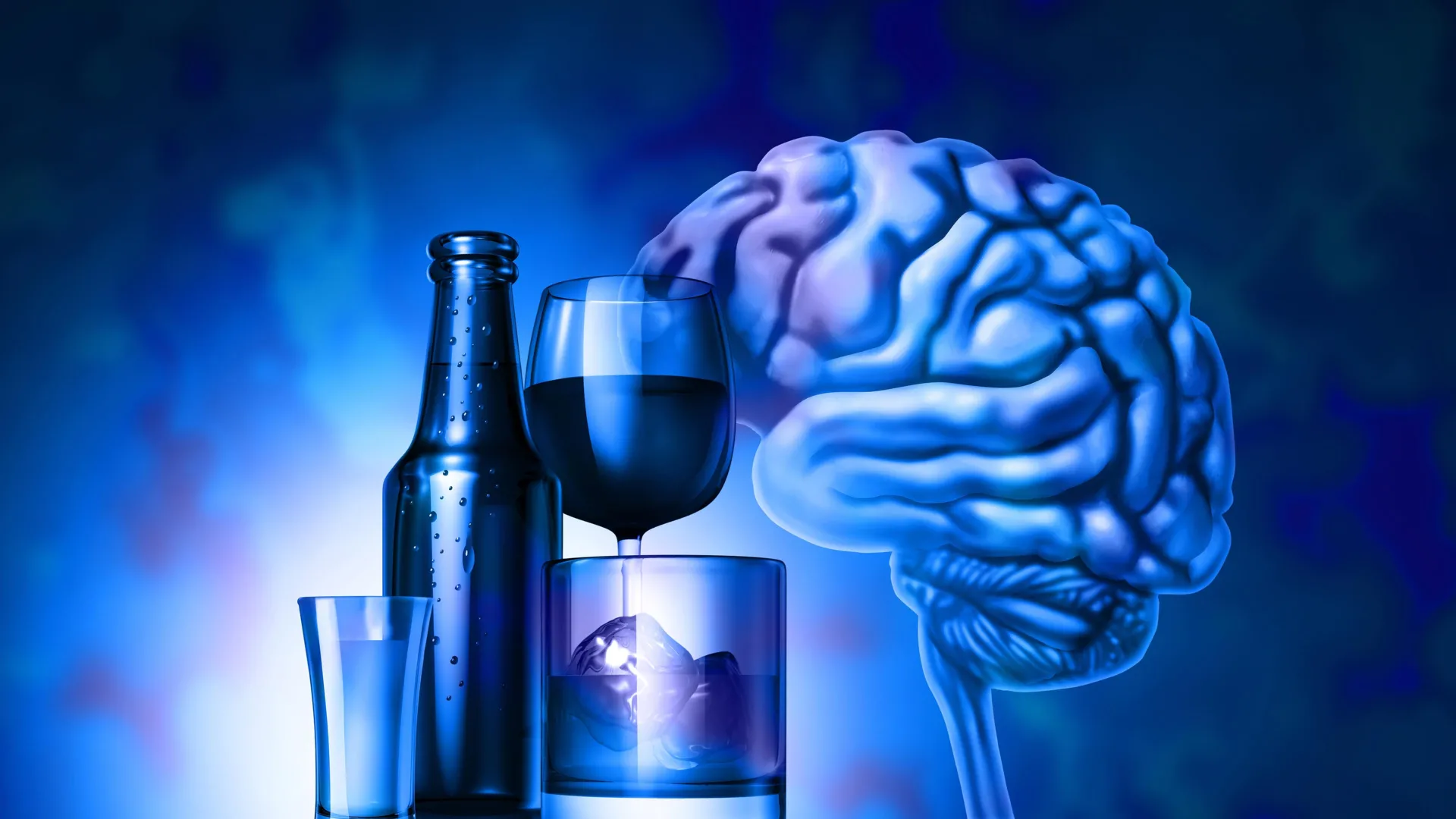
The findings from this extensive study provided compelling evidence that both prenatal alcohol exposure and prenatal stress independently instigated significant modifications within the dopaminergic pathways of the adult offspring. These neurochemical alterations were not merely academic observations; they possessed a direct predictive power regarding subsequent drinking habits. Monkeys that had been exposed to alcohol in utero exhibited a demonstrably faster rate of alcohol consumption in adulthood. Crucially, the researchers discovered that baseline measurements of the dopamine system, taken before the animals had any opportunity to consume alcohol as adults, were remarkably effective in forecasting their future propensity for alcohol intake. This discovery offers a significant paradigm shift, suggesting that predispositions towards certain patterns of alcohol consumption, potentially even those that could evolve into problematic use, may be established at a neurobiological level long before any voluntary engagement with the substance. This resonates strongly with established human research concerning alcohol use disorder, indicating that the foundational brain differences may precede the development of overt addictive behaviors.
Beyond these prenatal imprints, the research further illuminated how the adult brain dynamically responds to alcohol consumption, revealing a cascade of further neurochemical adjustments. As the adult monkeys engaged in alcohol consumption, the researchers observed a distinct set of changes within their dopamine systems. These acquired alterations were not uniform across the cohort; rather, they exhibited a striking degree of individual variability. The magnitude and nature of these alcohol-induced neuroplastic changes differed significantly from one animal to another. The research team posits that this individualized neurobiological response to the introduction of alcohol in adulthood plays a pivotal role in mediating the transition from normative drinking behaviors to the complex and often debilitating condition of alcohol use disorder in susceptible individuals. This highlights a critical feedback loop where prenatal vulnerability, coupled with adult exposure and the resultant adaptive neurochemical responses, can set a course towards pathological consumption.
The implications of this research for public health and pregnancy advisories are profound and far-reaching. The study unequivocally reinforces the long-standing public health message advocating for complete abstinence from alcohol consumption during pregnancy. By establishing a clear biological link between prenatal alcohol exposure and the development of unhealthy drinking patterns in later life, this work provides a robust scientific foundation for these crucial recommendations. While the study did not identify a direct correlation between prenatal stress exposure and adult alcohol consumption, the authors are careful to acknowledge that prenatal stress may exert its influence on other behavioral domains not directly investigated in this particular study. This leaves open the possibility of other, as yet undiscovered, long-term consequences of prenatal stress.
Furthermore, the meticulous experimental design employed by Schneider and Converse’s team holds significant weight in its ability to closely mirror the complex interplay of prenatal alcohol and stress experienced by human fetuses. This sophisticated approach strengthens the translational relevance of the findings, effectively bridging the often-perceived chasm between observations in animal models and their applicability to human health outcomes. By utilizing a primate model that shares significant physiological and behavioral similarities with humans, the study offers a more direct pathway for understanding the mechanisms underlying alcohol-related developmental effects and informing interventions aimed at preventing and treating alcohol-related disorders. The ability to predict adult drinking behavior from baseline neurochemistry in these primates offers a tantalizing glimpse into potential future biomarkers for identifying individuals at higher risk, paving the way for earlier and more targeted preventative strategies. The detailed mapping of the dopaminergic system’s role in both prenatal vulnerability and adult responsiveness to alcohol provides a crucial roadmap for future research into therapeutic interventions that could potentially mitigate these adverse effects.
About the Author