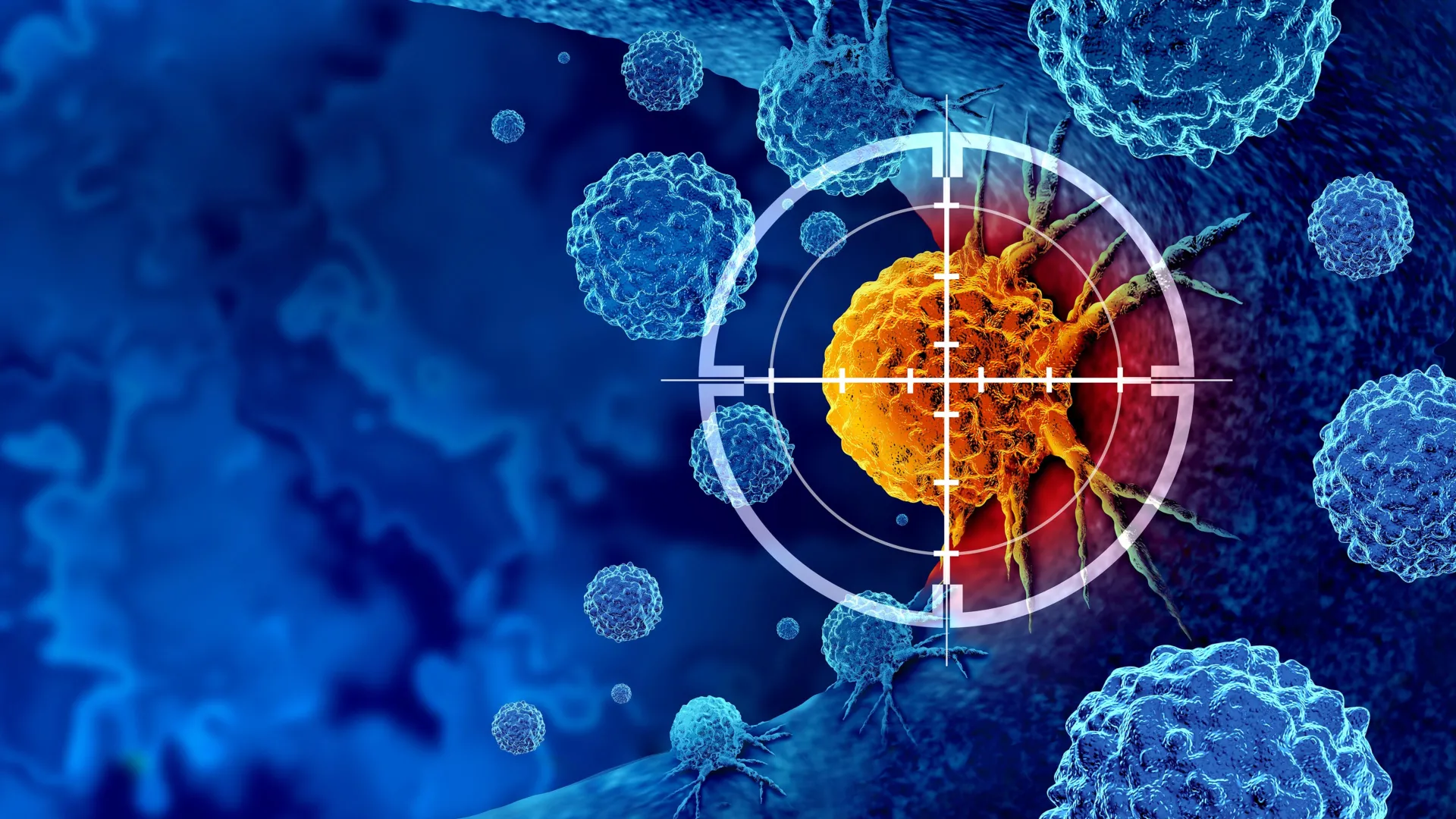
A groundbreaking collaborative effort involving researchers from the Salk Institute for Biological Studies, the UNC Lineberger Comprehensive Cancer Center, and UC San Diego has illuminated novel genetic pathways that dictate the functional trajectory of critical immune system components, specifically CD8+ cytotoxic T lymphocytes, often referred to as "killer" T cells. These specialized cells possess the remarkable capacity to either mature into persistent immune sentinels, offering enduring defense against threats, or to descend into a state of diminished efficacy, characterized as exhaustion. The pivotal discovery from this research indicates that the inactivation of a mere two specific genes can reawaken the dormant tumor-icidal capabilities of these enfeebled T cells, presenting a transformative avenue for therapeutic intervention.
The findings, meticulously detailed in a recent publication in the esteemed scientific journal Nature, establish a foundational blueprint that could empower scientists to precisely engineer T cells. This engineering aims to imbue them with the dual characteristics of robust, long-lasting immunological memory and potent, sustained anticancer activity. The implications of this research extend far beyond oncology, holding significant promise for the development of advanced treatments for a wide spectrum of chronic infectious diseases as well.
CD8+ killer T cells are indispensable players in the body’s defense architecture, serving as the primary agents responsible for identifying and eradicating cells that have been compromised by viral infections or have undergone malignant transformation. However, in the face of protracted battles against persistent infections or the relentless growth of tumors, these vigilant cells can gradually experience a decline in their operational effectiveness. Over extended periods of exposure to these challenges, they can transition into a compromised state known as T cell exhaustion, a condition marked by a significant degradation in their ability to neutralize pathogens and aberrant cells.
Constructing a Comprehensive Molecular Cartography of T Cell Phenotypes
A significant hurdle in understanding and manipulating T cell states has been the visual and functional similarity between T cells poised for protective action and those succumbing to exhaustion. These distinctions are often imperceptible through conventional diagnostic methods, making it challenging to differentiate their underlying biological programs. To surmount this diagnostic impasse, the research team embarked on an ambitious project to investigate whether distinct T cell functional states could be reliably demarcated based on their unique patterns of genetic expression and activity.
A monumental achievement of this research was the creation of an intricate genetic atlas, a detailed molecular map that meticulously charts the diverse spectrum of CD8+ T cell states. This atlas provides an unprecedented visualization of how these crucial immune cells navigate a continuum, shifting dynamically from states of peak protective efficacy to those of profound functional impairment.
"Our ultimate ambition is to refine the efficacy of immune-based therapies by formulating explicit molecular protocols for the rational design of T cells," stated Dr. Susan Kaech, a professor at the Salk Institute and co-corresponding author of the study. "To achieve this objective, it was imperative first to identify the specific molecular components that are uniquely active in one T cell state but conspicuously absent or dormant in others. By undertaking the construction of this comprehensive atlas of CD8+ T cell states, we were able to precisely pinpoint the key genetic regulators that define programs of protection versus dysfunction – knowledge that is absolutely essential for the precise engineering of potent and effective immune responses."
Investigating the Reversibility of T Cell Exhaustion
To unravel the complex regulatory mechanisms governing these divergent immune cell states, the researchers meticulously examined nine distinct CD8+ T cell conditions. This comprehensive analysis employed a sophisticated suite of advanced laboratory techniques, cutting-edge genetic manipulation tools, carefully controlled mouse models, and rigorous computational analysis. Their investigations yielded a critical insight: the identification of several transcription factors, proteins that play a pivotal role in controlling gene activity, which function as molecular switches, directing T cells towards either sustained functionality or the trajectory of exhaustion.
Among this group of identified regulators, the scientists specifically highlighted two transcription factors, ZSCAN20 and JDP2, which had not previously been implicated in the pathogenesis of T cell exhaustion. The experimental inactivation of these genes led to a remarkable restoration of the exhausted T cells’ ability to eliminate tumor cells, crucially without compromising their capacity to maintain long-term immunological memory.
"We experimentally manipulated specific genetic switches within the T cells to ascertain whether their tumor-fighting capabilities could be revived without detrimentally affecting their long-term immune protection," explained Dr. H. Kay Chung, an assistant professor at UNC Lineberger and co-corresponding author, who initiated this research at the Salk Institute before transitioning to UNC. "Our observations definitively demonstrated that it is indeed possible to decouple these two critical outcomes – functional potency and enduring memory."
These groundbreaking findings directly challenge a long-standing tenet in immunology, which has largely posited that immune exhaustion is an inevitable and irreversible consequence of prolonged immune system engagement.
Engineering Enhanced Immune Cells for Oncology Applications
The researchers posit that the genetic atlas they have meticulously developed serves as an invaluable guide for the sophisticated design of more robust and therapeutically potent immune cells. This is particularly relevant for advanced cancer treatment modalities such as adoptive cell transfer (ACT) and chimeric antigen receptor (CAR) T cell therapy, where the efficacy of engineered T cells is paramount.
"With the availability of this detailed molecular map, we are now equipped to provide T cells with significantly clearer operational instructions – enabling them to retain the intrinsic traits that empower them to combat cancer or infection over extended durations, while simultaneously avoiding the molecular pathways that precipitate their functional burnout," elaborated Dr. Kaech. "By effectively separating these two distinct cellular programs, we can commence the development of immune cells that are characterized by both sustained durability and potent efficacy in the context of cancer and chronic infections."
This discovery holds particular significance for the treatment of solid tumors, a challenging area in oncology where the pervasive phenomenon of immune exhaustion frequently serves as a major impediment to therapeutic success.
Leveraging Artificial Intelligence and Future Strategies for Precision Immune Engineering
Looking ahead, the research team intends to synergize advanced experimental methodologies with artificial intelligence-driven computational modeling. Their overarching objective is to devise an expanded repertoire of highly precise genetic "recipes" that can be utilized to program T cells into specific, desired functional states, thereby augmenting the precision and efficacy of cellular therapies.
"Given that genes operate within intricate regulatory networks that are inherently complex and often challenging to fully elucidate, the deployment of powerful computational tools is indispensable for pinpointing the precise regulators that drive specific cellular states," commented Dr. Wei Wang, a professor at UC San Diego and co-corresponding author. "This study unequivocally demonstrates that we are entering an era where we can begin to precisely manipulate the developmental fates of immune cells, unlocking novel possibilities for the enhancement and optimization of immune-based therapies."
By illuminating the intricate mechanisms by which killer T cells make their critical choices between resilience and exhaustion, this research marks a significant stride towards the deliberate and controlled modulation of immune responses, moving away from the passive observation of immune system decline during prolonged disease states.
The comprehensive study involved a broad spectrum of contributing authors including Eduardo Casillas, Ming Sun, Shixin Ma, Shirong Tan, Brent Chick, Victoria Tripple, Bryan McDonald, Qiyuan Yang, Timothy Chen, Siva Karthik Varanasi, Michael LaPorte, Thomas H. Mann, Dan Chen, Filipe Hoffmann, Josephine Ho, April Williams, and Diana C. Hargreaves from Salk; Cong Liu, Alexander N. Jambor, Z. Audrey Wang, Jun Wang, Zhen Wang, Jieyuan Liu, and Zhiting Hu from UC San Diego; Anamika Battu, Brandon M. Pratt, Fucong Xie, Brian P. Riesenberg, Elisa Landoni, Yanpei Li, Qidang Ye, Daniel Joo, Jarred Green, Zaid Syed, Nolan J. Brown, Matthew Smith, Jennifer Modliszewski, Yusha Liu, Ukrae H. Cho, Gianpietro Dotti, Barbara Savoldo, Jessica E. Thaxton, and J. Justin Milner from UNC; Peixiang He, Longwei Liu, and Yingxiao Wang from the University of Southern California; and Yiming Gao from Texas A&M University. Funding for this extensive research was generously provided by the National Institutes of Health (grants R37AI066232, R01AI123864, R21AI151986, R01CA240909, R01AI150282, R01HG009626, K01EB034321, R01AI177864, R01CA248359, R01CA244361, AI151123, EB029122, GM140929) and the Damon Runyon Cancer Research Foundation.
About the Author