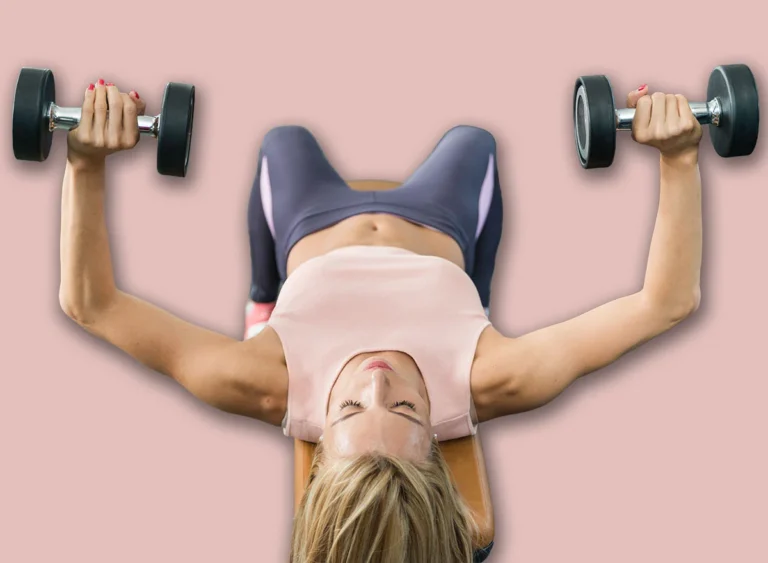
As men advance beyond the age of 55, a common physiological phenomenon known as sarcopenia, or age-related muscle loss, begins to accelerate, profoundly impacting physical capabilities and overall quality of life. This progressive diminishment of lean muscle tissue, which can see individuals lose an estimated three to eight percent of muscle mass each decade after age 30, becomes particularly pronounced after the sixth decade of life if not actively counteracted. The consequences extend far beyond mere aesthetics, directly eroding independence and making routine activities increasingly challenging. Simple yet crucial tasks such as lifting grocery bags, managing luggage, effortlessly pushing open a heavy door, or confidently placing items on elevated shelves often become formidable hurdles when pressing and pulling capabilities wane.
However, the prevailing scientific consensus offers a highly encouraging message: it is demonstrably never too late to cultivate and sustain muscular strength and mass, even in later stages of life. Extensive research consistently underscores the profound benefits of resistance training for older adults, irrespective of their prior engagement with physical fitness or their initial strength levels. Studies published in reputable academic journals, including BMJ Open and the Journal of Strength & Conditioning Research, have unequivocally demonstrated that consistent engagement in strength-building regimens leads to significant improvements in muscle mass, enhanced joint stability, and overall physical robustness among older populations. Beyond these direct muscular and skeletal advantages, a strategic focus on controlled movements and impeccable form during strength exercises throughout the aging process serves as a powerful prophylactic against falls and injuries, simultaneously fostering superior joint health and flexibility.
Understanding the specific physiological changes that occur with aging is crucial for tailoring effective exercise programs. As individuals age, not only do muscle fibers decrease in size and number, but the efficiency of the neuromuscular system also diminishes, affecting coordination and power output. Resistance training directly addresses these declines by stimulating muscle protein synthesis, improving nerve-muscle communication, and strengthening connective tissues. This comprehensive approach helps mitigate the functional limitations associated with sarcopenia, thereby preserving the ability to perform activities of daily living with greater ease and confidence. Moreover, the psychological benefits—including enhanced self-efficacy, reduced anxiety, and improved mood—are significant, contributing to a holistic sense of well-being.
James Brady, a seasoned personal trainer affiliated with OriGym, emphasizes that a judicious approach to reinvigorating upper body strength for men over 55 necessitates a balanced selection of movements. His methodology prioritizes exercises that harmoniously blend pushing and pulling actions while simultaneously safeguarding vulnerable joints, particularly the shoulders and spine. Brady elaborates, "Key components include elevating the hands during pressing movements to reduce strain, diligently reinforcing proper posture during pulling exercises, and systematically building robust overhead stability." He further asserts a fundamental principle often overlooked: "Genuine strength does not exclusively originate from cumbersome, heavy gym machinery; rather, it is forged through consistent muscular tension applied with precise, biomechanically sound mechanics." This philosophy guides the selection of exercises designed to be both effective and accessible, promoting long-term adherence and safety.
To translate these principles into actionable steps, Brady recommends four foundational exercises that, when integrated into a regular fitness routine, can significantly restore and maintain upper body vitality. These movements are chosen for their efficacy in targeting crucial muscle groups, their adaptability to varying fitness levels, and their direct contribution to functional strength needed for everyday life.
1. Foundational Pressing Power: Elevated Push-ups (Wall or Incline)
Incorporating modified push-ups, specifically performed against a wall or an inclined surface, represents a highly effective and safety-conscious strategy for rebuilding pressing strength after the age of 55. This adaptation is critical because it significantly reduces the overall bodyweight load, thereby mitigating undue stress on the shoulder joints and wrists, which can be particularly vulnerable in older adults. Despite the reduced intensity, these exercises remain exceptionally potent in fortifying the pectorals (chest muscles), triceps (back of the upper arm), and the deep core musculature. The ability to push objects away from the body, lift oneself from a seated position, or manage everyday pushing actions is directly enhanced by consistent practice of this fundamental movement.
To execute this exercise:
- Wall Push-up: Stand facing a sturdy wall, approximately arm’s length away. Place your hands on the wall slightly wider than shoulder-width apart, at chest height. Lean into the wall, bending your elbows and keeping your body in a straight line from head to heels. Push back to the starting position, engaging your chest and triceps.
- Incline Push-up: Position yourself facing a stable elevated surface, such as a sturdy bench, chair, or countertop. Place your hands on the edge of the surface, slightly wider than your shoulders. Step your feet back until your body forms a straight line. Lower your chest towards the surface by bending your elbows, ensuring your elbows point slightly backward, not directly out to the sides. Press back up powerfully until your arms are fully extended. The steeper the incline, the easier the exercise; progressively lower the incline as strength improves.
2. Cultivating Posterior Strength: Resistance Band Rows
Resistance band rows are an indispensable component for actively counteracting the prevalent issue of rounded shoulder posture, often exacerbated by prolonged sitting and modern lifestyles. This pulling motion specifically engages and strengthens the often-underutilized muscles of the upper back and the posterior deltoids (rear shoulders). These muscle groups are absolutely vital for providing dynamic stability to the shoulder joints, enabling a wide range of pain-free movement, and maintaining an upright, robust posture. Strengthening these areas can significantly alleviate discomfort and improve overall biomechanics.
To execute this exercise:
- Secure a resistance band around a sturdy anchor point at chest height, such as a pole or door frame. Alternatively, loop the band around your feet if seated or standing.
- Stand or sit tall, holding one end of the band in each hand with your arms extended forward, feeling a slight tension.
- Initiate the movement by drawing your shoulder blades together and down, pulling the band towards your torso. Your elbows should bend and move towards your sides, not flare out excessively.
- Focus on squeezing your upper back muscles at the peak of the contraction.
- Slowly and with control, return to the starting position, allowing the band to gently pull your arms forward, maintaining tension throughout the movement. Avoid hunching your shoulders forward.
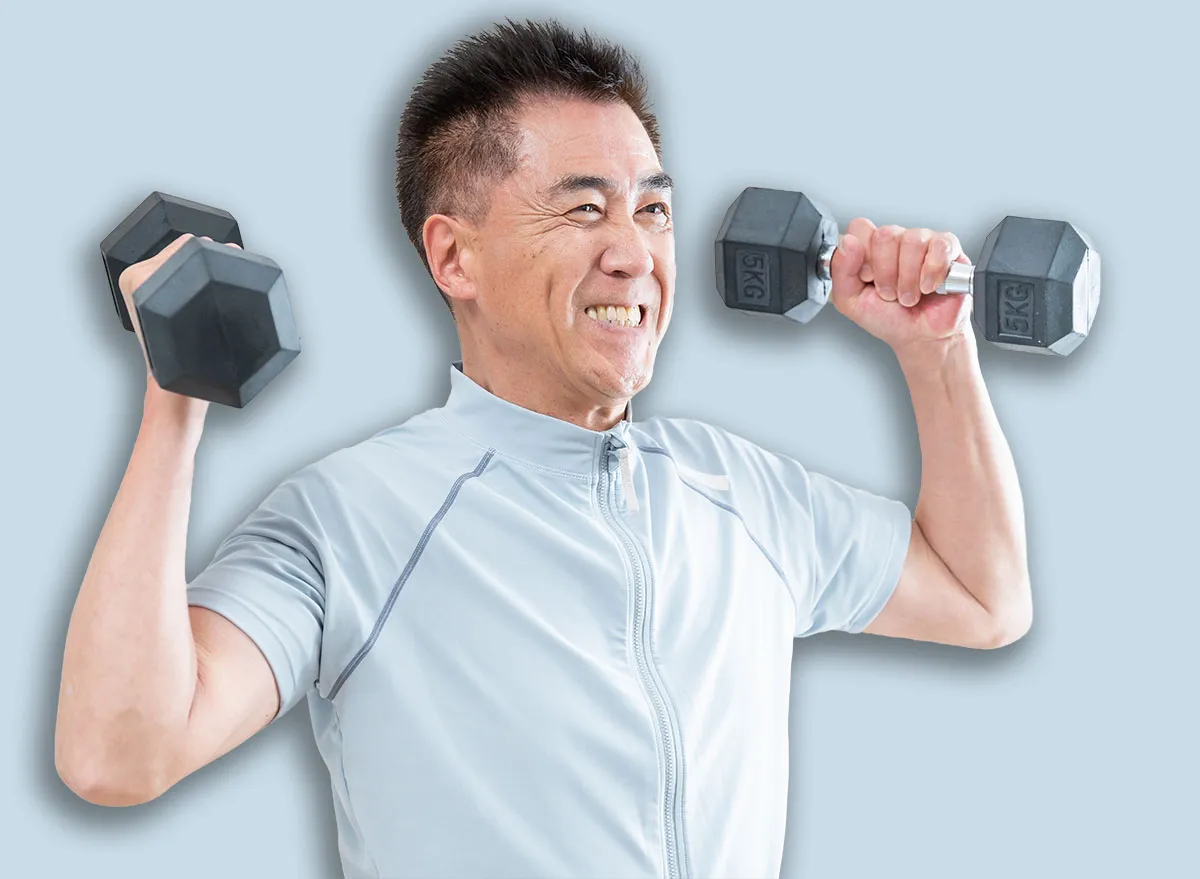
3. Achieving Overhead Mastery: Controlled Dumbbell or Band Press
The overhead press is a cornerstone exercise for systematically rebuilding shoulder strength and preserving crucial mobility. The controlled movement of pressing a weight or resistance overhead actively reinforces stability throughout the entire shoulder girdle, including the intricate network of muscles known as the rotator cuff. This not only strengthens the primary movers (deltoids and triceps) but also enhances the synergistic action of stabilizing muscles, which is critical for both athletic performance and injury prevention in daily life. Maintaining the ability to reach overhead is fundamental for many common tasks and contributes significantly to functional independence.
To execute this exercise:
- Dumbbell Press: Sit or stand with a dumbbell in each hand, resting on your shoulders with palms facing forward or slightly inward. Ensure your core is braced, and your back is straight.
- Press the dumbbells directly overhead in a controlled manner until your arms are fully extended, but not locked. Avoid arching your lower back excessively.
- Slowly lower the dumbbells back to the starting position on your shoulders, maintaining control throughout the descent.
- Resistance Band Press: Stand on the middle of a resistance band, holding one end in each hand. Bring your hands to shoulder height, palms facing forward, with the band taut.
- Press your hands straight overhead against the band’s resistance, extending your arms fully.
- Control the band as you slowly lower your hands back to shoulder height.
4. Holistic Strength and Stability: The Farmer’s Walk (Farmer’s Carry)
The Farmer’s Carry, despite its deceptive simplicity, stands as a powerhouse exercise for comprehensive strength development. This functional movement involves holding a significant weight in each hand and walking, thereby simultaneously engaging a multitude of muscle groups. It intensely activates the shoulders (especially the traps for shrug-like action), forearms, and grip strength, while also demanding substantial engagement from the core musculature to maintain an upright and stable posture. Furthermore, the dynamic nature of the walk inherently reinforces balance, proprioception, and coordination—all non-negotiable attributes for maintaining agility and preventing falls in individuals over 55.
To execute this exercise:
- Select two dumbbells, kettlebells, or other heavy, evenly weighted objects that you can comfortably grip and carry. Start with a weight that challenges you but allows you to maintain good form.
- Stand tall with the weights in each hand, arms extended naturally by your sides. Ensure your shoulders are pulled back and down, your chest is open, and your core is tightly braced. Avoid slouching or leaning.
- Begin walking slowly and deliberately, taking short, controlled steps. Focus on maintaining an erect posture and preventing your torso from swaying or rotating.
- Continue walking for a predetermined distance or duration (e.g., 30-60 seconds, or 50-100 feet).
- Carefully set the weights down, maintaining good lifting mechanics. Rest and repeat for several sets.
The Path to Enduring Vitality
For men navigating the physical transitions that accompany aging past 55, a dedicated and informed approach to upper body strengthening is not merely beneficial; it is foundational for sustaining an active and independent lifestyle. The exercises highlighted—elevated pressing movements to build confidence and anterior strength, resistance band rows to fortify the posterior chain and protect the shoulders, overhead presses to enhance mobility and stability, and the comprehensive Farmer’s Walk for integrated full-body power and coordination—collectively form a robust regimen. When performed consistently, ideally two to three times per week, these movements contribute significantly to rebuilding and preserving muscular strength, correcting and improving posture, enhancing joint health, and ultimately, maintaining crucial independence throughout the later years of life. Investing in these fundamental physical capabilities represents a profound investment in long-term health, vitality, and an uncompromised quality of living.
About the Author